6 Charming Old Railroad Towns In Minnesota
Minnesota is described through its motto as L’Etoile du Nord (French for ‘Star of the North'), definitely a perfect characterization for this shining success of a Midwestern state. Established in 1858, Minnesota became a powerhouse for commercial trade when the ever-expanding railroad industry began to cut a course through the center of America. In 1862, a rudimentary steam locomotive, the “William Crooks”, pulled the first passenger train from St. Paul to St. Anthony stations on the newly constructed St. Paul & Pacific Railroad tracks, and the rest is history. Here are six of the most notable destinations for experiencing Minnesota’s railroad history, towns varying in size. They not only offer you a glimpse into the past with preserved train depots from the 19th and 20th centuries and some absolutely captivating museums, but also destinations steeped in local culture with some great additional outdoor activities as a bonus.
Winona

Fun fact: Stranger Things star Winona Ryder was born here, and it seems that the name of this lovely little historical railroad town stuck! Back in 1862, the Winona and St. Peter Railroad was established during a time of rapid industrialization in America. Situated right on the banks of the Mississippi River and a prime center for trade, the rails quickly expanded from Winona down to Chicago, Green Bay, and Kansas City. What’s cool is that the Winona train depot, built in 1888, still functions today as the town’s passenger rail station! Have a great time walking the Poetry Walk, a city project where you can scavenge around town for poems engraved on the sidewalks written by Minnesotan poetry laureates. If you come in December, you can watch the Canadian Pacific Holiday Train stop by the Winona station and give a free concert from the train stage! Winona is situated right at the nexus of the Mississippi Flyway, and birdwatchers flock in the spring and summer to this area for the over 280 different species that can be spotted. Jump on a boat tour and grab your binoculars!
Langdon/Cottage Grove

Two names for one town?! Well, there’s some intriguing history, of course, which intertwines these two little railway villages! In 1871, Langdon was established just 23 miles south of Minneapolis-St. Paul became a railway village and became a nexus for commuters from all around the area. Businesses like creameries started to boom in Langdon as the town increasingly flourished, but when the Great Depression hit, and Highway 61 was built, the passenger line ceased to exist, and Langdon became incorporated into the ever-growing community of Cottage Grove. Today, you can take a short trip from the capital to this peaceful and pastoral community, which holds more than a whopping 1,500 acres of parks, many of them interlinked by a series of well-maintained walking and biking trails. Berry picking at many of the farms surrounding is a common summer activity for families, and every June is the city’s timeless Strawberry Fest, a four-day outdoor and indoor party complete with food, drink, and live music, which culminates in the exciting Grande Day Parade.
Staples

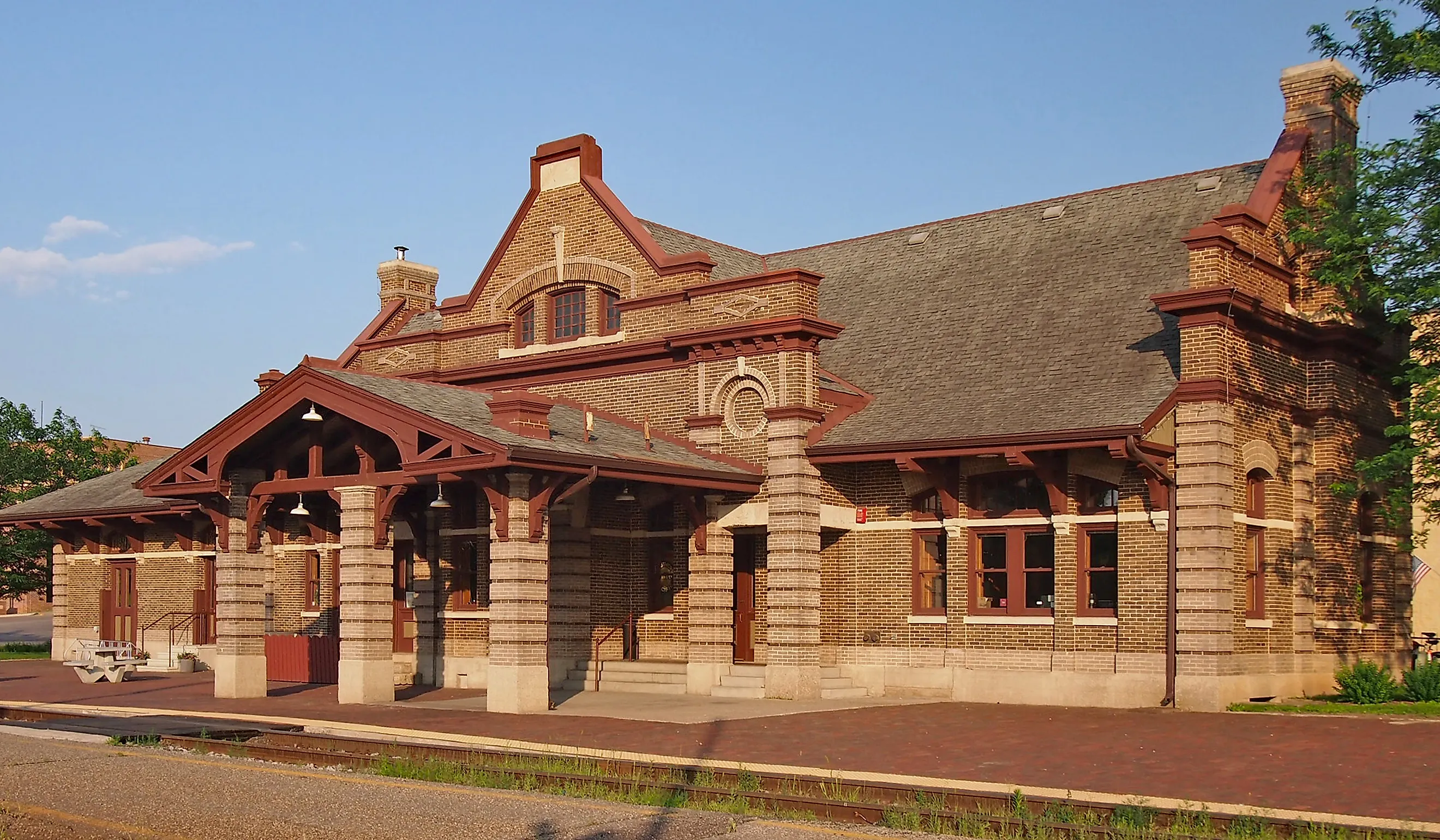
What a gorgeous and ornate artifice the Staples train depot/Amtrak station is. Built more than a century ago, you can playact like you’re sitting in an old-timey rail hub waiting for your luxury train to arrive, as the interiors serve as a breathing testament to the legacy of Minnesota rail travel with its preserved oak woodworkings and black and white photographs. Staples is so proud of their train heritage that it commemorates it every year with their weeklong Railroad Days, where thousands of visitors come to check out the food vending booths, fireworks, and kids' tractor rides while attending various educational workshops and events revolving around the city’s history. Yet another central Minnesota city that is situated on various waterfronts, you can stroll the longest fishing pier in the state on Dower Lake (described by locals as an “Infinity Pier”), or catch some real thrills tubing up and down the Mississippi. Wanna go on a barn quilt tour? Sure thing! Stretching through four counties, over 120 colorful painted barn quilt squares, and the Staples section of this trail hosts 40 of these marvels on various buildings and structures of antiquity, illuminating each visitor with the rich, rural artistic heritage of the region.
Wayzata

A mere nine miles outside of the Twin Cities, you will find Wayzata, a sweet little town of under 5,000 whose name comes from the Dakota word that means “north shore”. Platted in 1854, the St. Paul and Pacific Railroad expanded to Wayzata in 1867, and besides being a commuter system conveying locals to their jobs or farmers to sell their harvest in the city, the Lady of the Lake steamer also brought cityfolk to the shores of Lake Minnetonka, and Wayzata soon became a resort locale. The depot built in 1906 still stands today (it was deemed the “handsomest” train station along the Great Northern rail back in the day), although trains ceased stopping there in the 1970s, so stop by and see how the town’s historical society preserved the spirit of the past in this little wonderful museum. You’ll absolutely understand why Lake Minnetonka was sought as a weekend retreat for its natural beauty-a guided cruise tour will fill you in on all the history you need to know as you gawk at lakeside grand hotels and mansions. Come in the winter for ice fishing on the lake and snowshoeing at Baker Park, or choose an autumn visit so you can stroll the old train route at Luce Line State Trail as the fiery fall colors burst around you.
Detroit Lakes

Nope, not in Michigan! If you look at a map of this very tall state, you’ll see this modestly sized city of around 10,000, and you’ll also see a lot of blue. That’s because there are over four hundred bodies of water within 25 miles of Detroit Lakes in this area, coined the “Lake-Park Region”. Just a short drive east from Fargo, you’ll want to take advantage of the outdoors here more than ever, and if you’d like to start with the delightfully famous troll hunt, an interactive walking exhibit in the forests and parks in and around Detroit Lakes, where recycling artist Thomas Dambo constructed 138 large-sized carved trolls. Hike the Detroit Mountain Loop, and you’ll find Long Leif, the tallest of these magical creatures; be sure to return in the winter to Detroit Mountain for skiing, tubing, and then enjoy some R and R in one of the many cozy lodges after hitting the slopes.
As with most of the smaller railroad locations in Minnesota, the Detroit Lakes area started to flourish only after the Northern Pacific Railroad extended out to Becker County, and the town’s depot on Pioneer Street, built in 1908, still operates as both an Amtrak station and a National Register of Historic Places site. Visitors and travelers can enjoy the renovated, but historically preserved, waiting room with its 18th foot ceilings, or the open-air lounging room in the east wing. This station sure gets its work cut out for it, especially in July, when scores of tourists come for the 10,000 Lakes Festival, three days of music, camping, and sun-and-water-soaked frolicking.
Red Wing

Between Minneapolis and Rochester, the state’s third most populous city, lies this modestly sized town of just under 17,000, separated from nearby Wisconsin by the Mississippi River and the stunning Eisenhower Bridge of Valor. You may not have known that this town is world famous; yes, it’s the home of that Red Wing stoneware and pottery AND Red Wing shoes. Located in a prime geographical spot and perfect as a pipeline for commerce, the Chicago, Milwaukee, & St. Paul Company constructed a combination depot in Red Wing for both passenger and freight lines to pass through, the station today hosting daily the Amtrak Borealis line for commuters going all over the major Midwest cities, as well as an art gallery and a visitor’s bureau. Speaking of pottery, Red Wing’s industry boomed more than ever when the abundant clay of the land began to be excavated in the 1860s by German settlers. This unique industrial history is highlighted at the Pottery Museum of Red Wing, and afterwards you can go shopping for the perfect dish or stoneware at The Pottery Place, an elevated mall experience with antique shops, restaurants, and various gift and souvenir stores.
Train dreams await in Minnesota
Minnesota's treasures are aplenty, and its appeal is unbeatable. The bygone days of locomotives and steam travel, juxtaposed with the modern Amtrak infrastructure, are part of the everyday aesthetic of so many cities and towns in Minnesota that were connected through rail travel and commerce. Getting your history fix while snapping some photos in front of centuries-old train depots, while experiencing these welcoming and wonderful towns, is just the plan for 2026!