4 Snake Hotspots In Georgia
With about 47 species found throughout the state, Georgia has one of the most diverse snake populations in the US. Because they are both predators and prey, regulate rodent populations, and act as bio-indicators of environmental health, snakes are important ecological players. Both nonvenomous and venomous snake species find refuge in wetlands, rivers, swamps, hardwood forests, and mixed terrain. In the Peach State, there are many hotspots where you are likely to come across a wide variety of snakes, whether you are walking along a marsh dike, trekking a woodland route, or paddling a calm swamp.
Okefenokee National Wildlife Refuge

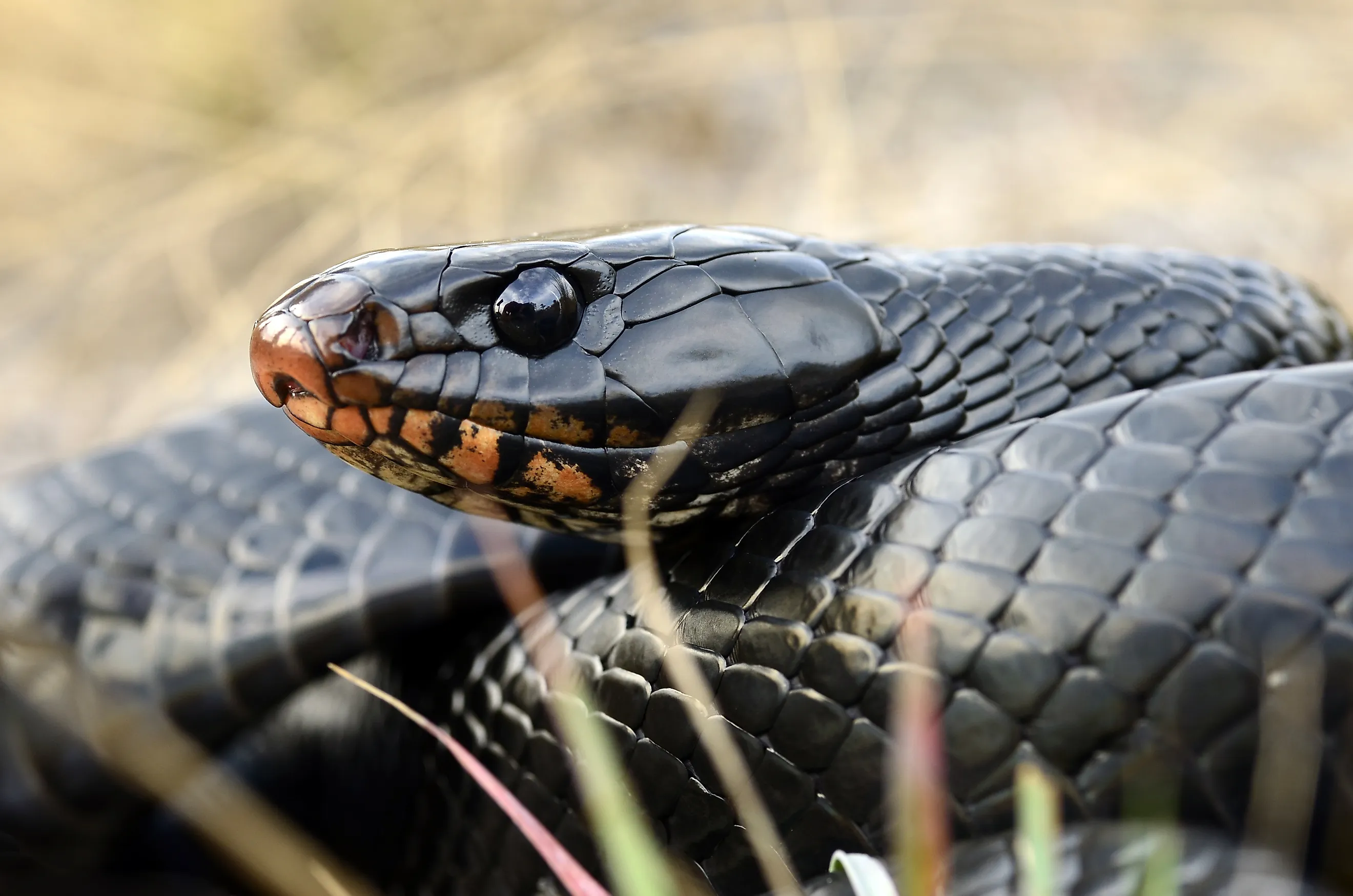
Starting strong, the Okefenokee National Wildlife Refuge is one of Georgia’s most ecologically significant areas, boasting one of the state’s richest and most diverse reptile communities. Home to roughly 60 species of reptiles, the refuge includes the federally threatened eastern indigo snake, a variety of harmless water snakes, and venomous species such as cottonmouths and, in some areas, rattlesnakes.
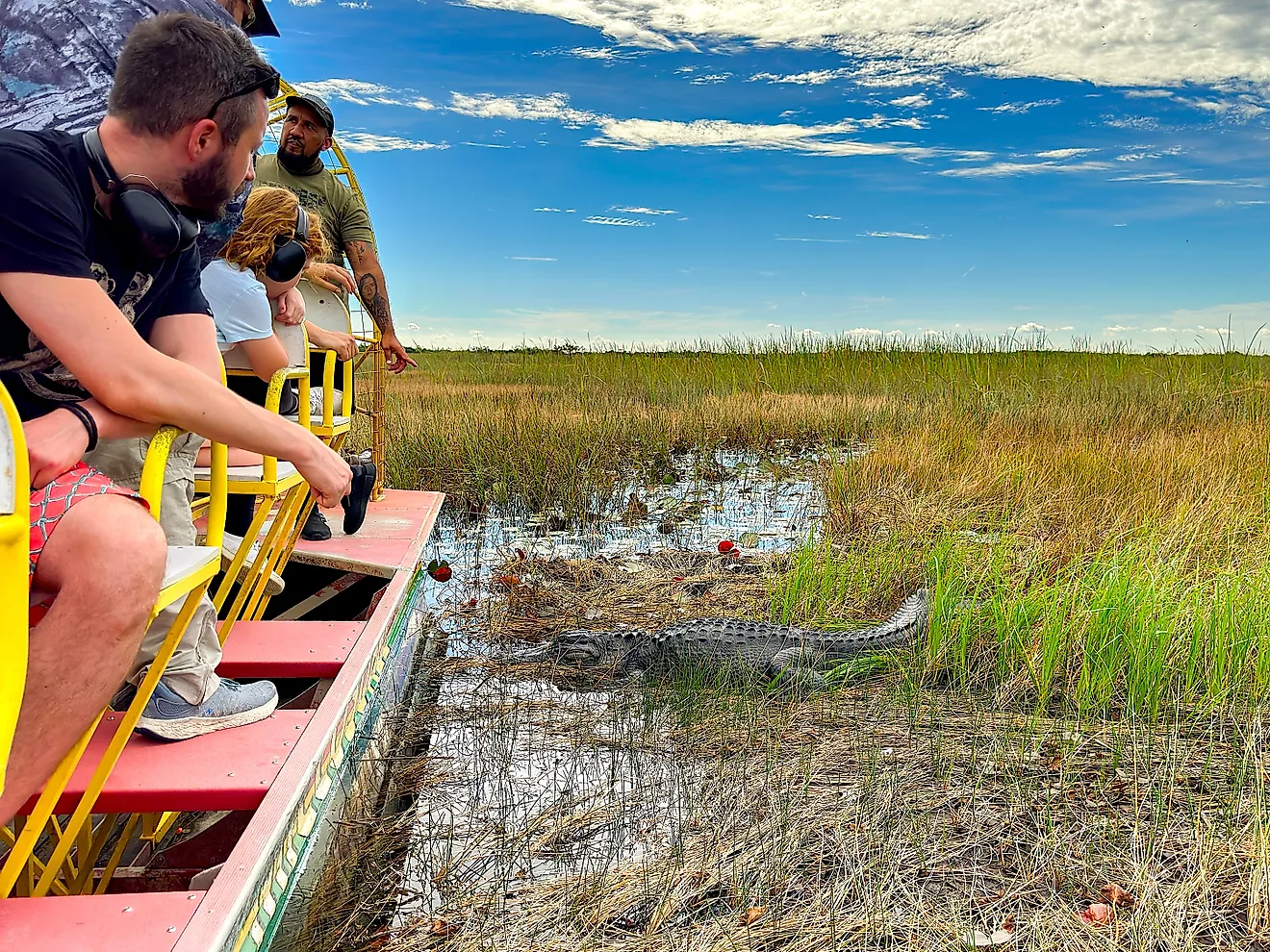
The Okefenokee, an internationally recognized wetland with a distinctive blackwater-swamp ecosystem of cypress trees, marshes, wooded hammocks, and sluggish, twisting streams, spans about 354,000 acres in southeast Georgia. Due to the abundance of alligators, snakes, and other marsh-dwelling creatures, visitors are advised to exercise caution.
Chattahoochee Bend State Park

Many snakes can be found in Chattahoochee Bend State Park, which has a mix of riverine, woodland, and wooded areas. Visitors to the park may encounter nonvenomous species such as water snakes near the Chattahoochee River or forest-dwelling snakes away from the water. Venomous species common to the state, including timber rattlesnakes, copperheads, and cottonmouths, could also be present, though sightings depend on location and season.
Covering about 2,910 acres in Coweta County, the park follows a graceful bend of the Chattahoochee River and offers five miles to seven miles of riverfront, paddling opportunities, hiking trails, campsites, and cabins — perfect for outdoor recreation and wildlife observation. Visitors should exercise caution in snake habitats such as brush, fallen logs, and riverbanks, particularly during warmer months when snakes are most active, to safely enjoy the park’s diverse ecosystems.
Providence Canyon State Park

Although Providence Canyon is best known for its striking multicolored gullies and geological features, its surrounding woodlands and mixed-terrain forests make it a valuable habitat for snakes, as Georgia is home to a high diversity of snake species. Hikers in less-eroded areas and along forest edges may encounter nonvenomous species such as rat snakes, water snakes near small streams or ponds, and smaller ground snakes like earth snakes or crowned snakes.
Known as Georgia’s “Little Grand Canyon,” Providence Canyon State Park spans 1,003 acres in Stewart County and features canyon walls up to 150 feet deep, carved by poor 19th-century farming rather than flowing rivers. The park offers rim-trail hikes with canyon overlooks, backcountry-accessible trails, and a stark yet beautiful southern-Georgia landscape.
Visitors should exercise caution on steep canyon edges and in shaded areas where snakes may hide, wear sturdy hiking shoes, and carry water and appropriate gear when exploring forested or riparian zones where snakes are more likely to be encountered.
Savannah National Wildlife Refuge

The Savannah National Wildlife Refuge is a prime place for snakes, encompassing tidal marshes, freshwater wetlands, bottomland hardwood forests, and aquatic environments along the Savannah River. Visitors may encounter water-associated species such as water snakes and swamp snakes, nonvenomous woodland and forest snakes, and occasionally venomous snakes adapted to wetlands. These include cottonmouths and rattlesnakes.
Covering more than 30,000 acres, roughly half of the refuge lies in Georgia (Chatham and Effingham counties), with the remainder in South Carolina. Established in 1927 to protect migratory waterfowl and other wildlife, the refuge now offers hiking, wildlife observation, photography, fishing, and a 4.5-mile Laurel Hill Wildlife Drive for accessible exploration. Because of its marsh and wetland habitats — and the presence of alligators, snakes, and other reptiles — visitors should remain on designated trails and drives, follow refuge regulations, and exercise caution near water.

From harmless water snakes gliding through quiet streams to the elusive and federally threatened eastern indigo snake, the state’s reptiles play vital roles in maintaining healthy ecosystems, controlling rodent populations, and supporting the food web. For wildlife enthusiasts, hikers, and herping enthusiasts, exploring Georgia’s natural areas offers a chance to observe these fascinating creatures in the wild.
Each location offers unique opportunities to observe both nonvenomous and venomous snakes in their natural environments while enjoying hiking, paddling, wildlife watching, and photography. By visiting responsibly, staying aware of your surroundings, and respecting these habitats, snake enthusiasts and nature lovers alike can safely experience Georgia’s wildest and most fascinating reptile-rich ecosystems.