9 Overlooked Towns In South Carolina Worth Visiting
South Carolina is often associated with headline destinations like Charleston and Myrtle Beach, but beyond those familiar names lies a collection of towns that quietly deliver just as much character and cultural depth. These overlooked communities offer travelers a chance to experience the state at a slower, more personal pace while still enjoying meaningful attractions, local history, and memorable scenery. From coastal fishing villages to mountain foothill towns, each place tells a different story about South Carolina’s past and present. Many of these towns reward visitors with walkable downtowns, preserved historic sites, and locally owned restaurants that reflect regional traditions. For travelers who value authenticity, fewer crowds, and destinations that feel genuinely lived in, these South Carolina towns are well worth the detour.
Landrum

Landrum is a small foothills town that serves as a gateway to outdoor exploration while maintaining a distinctly relaxed pace. The walkable downtown features antique stores, cafes, and galleries that invite visitors to browse without crowds. One of these examples, Stone Soup Market & Cafe, is a locally favored establishment serving up American cuisine from breakfast to dinner. One of the area’s most notable landmarks is Campbell’s Covered Bridge, a short drive from town and one of the last remaining covered bridges in South Carolina. Nature-focused travelers are also drawn to nearby hiking areas such as the Blue Wall Nature Preserve, where trails offer scenic views and quieter access to the Blue Ridge foothills.

Seasonal festivals and farmers' markets like Hogback Mountain Day highlight regional crafts and local food, giving visitors a chance to connect with the community. Landrum’s location near the North Carolina border also makes it a convenient stop for road trippers exploring the Carolinas. Landrum is worth visiting because it pairs outdoor access with small-town hospitality, offering an alternative to more commercial mountain destinations.
McClellanville

McClellanville is a working fishing village that offers a rare glimpse into South Carolina’s coastal traditions without the polish of a resort town. Shrimp boats line Jeremy Creek, giving visitors a firsthand look at the seafood industry that still anchors the local economy. A visit to the McClellanville Historic District reveals well-preserved homes and churches that date back to the eighteenth and nineteenth centuries, offering insight into the town’s seafaring past.

Nature lovers are drawn to the nearby Cape Romain National Wildlife Refuge, where visitors can explore coastal ecosystems through wildlife viewing, kayaking, and birdwatching. Local dining is another highlight, with restaurants like T.W. Graham & Co. serving fresh seafood that reflects the day’s catch. McClellanville is worth visiting for travelers seeking a genuine Lowcountry experience that feels rooted in tradition rather than tourism trends.
Edisto Island

Offering a coastal experience that feels intentionally preserved, Edisto Island is especially appealing to travelers who want nature, history, and local culture without heavy development. One of the island’s main attractions is Edisto Beach State Park, where visitors can access quiet beaches, walk through maritime forests, and use well-maintained trails for hiking and biking. The park also features educational programs that highlight coastal ecosystems, making it a rewarding stop beyond simple beach time. History plays a strong role on the island, particularly at the Edisto Island Museum, which explores Gullah Geechee heritage, plantation life, and the island’s Reconstruction era through thoughtfully curated exhibits.
For outdoor exploration, the surrounding creeks and tidal waterways are ideal for kayaking and wildlife viewing, with dolphins and coastal birds frequently spotted. Food-focused travelers will appreciate the island’s connection to the sea, with stops like Whaley’s Restaurant & Bar offering locally sourced seafood that reflects daily catches. To grasp a better feel for the local cuisine, stop by Kings Farm Market, a grocery store with locally farmed items and pies and desserts worthy of a trip. Edisto Island is worth visiting because it prioritizes authenticity over convenience, allowing travelers to slow down, learn about Lowcountry history, and enjoy South Carolina’s coast in a way that feels grounded and intentional rather than commercialized.
Beaufort

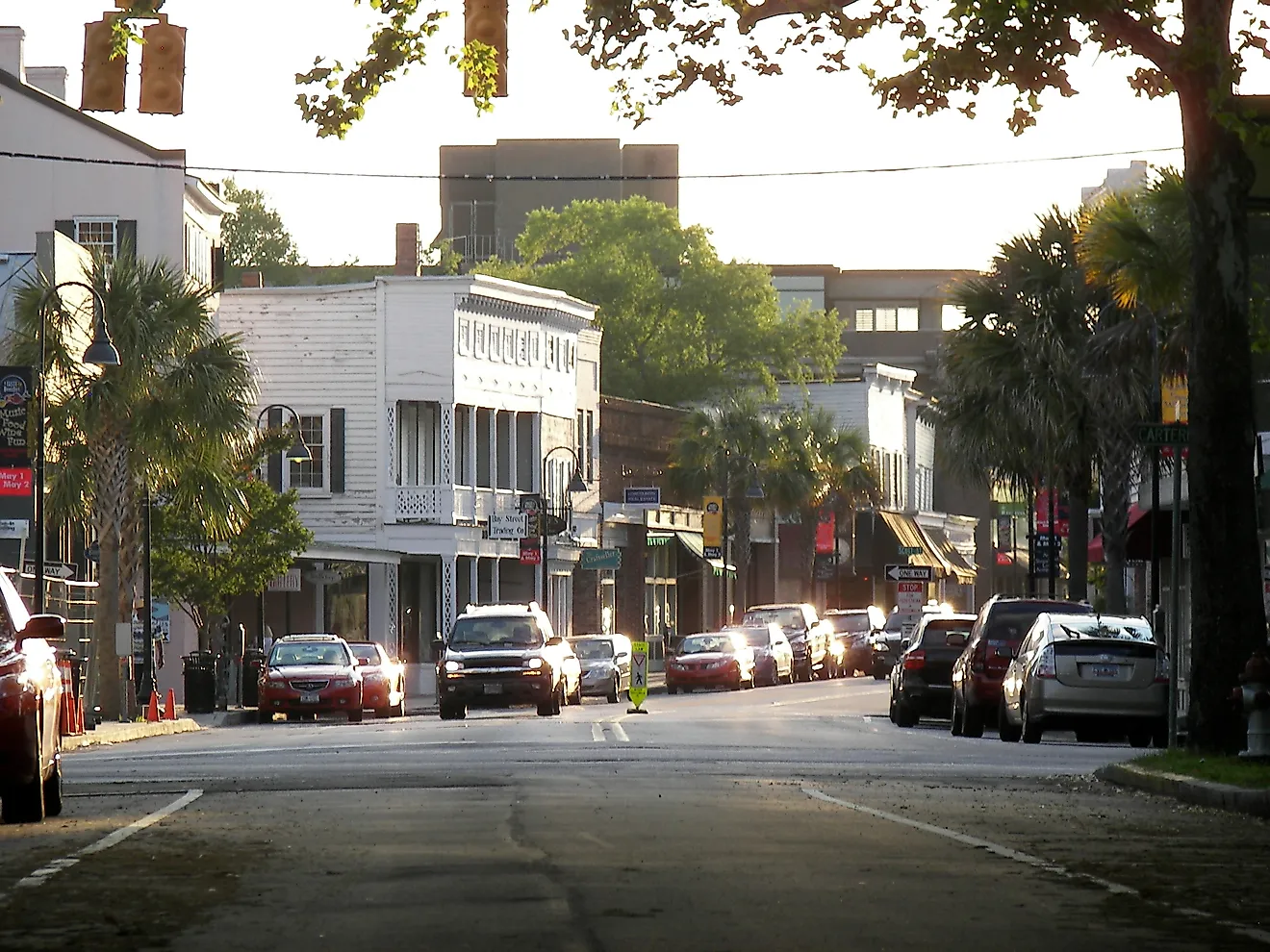
Beaufort stands out as one of South Carolina’s most historically rich coastal towns, offering travelers an experience that blends preserved architecture, waterfront scenery, and meaningful cultural context. The Beaufort Historic District is central to the town’s appeal, where visitors can walk beneath moss-draped oaks and view antebellum homes that reflect Beaufort’s role during the Civil War and Reconstruction. History is further explored at the John Mark Verdier House, which provides guided tours that explain daily life in the early nineteenth century and the impact of wartime occupation. Along the water, Henry C. Chambers Waterfront Park offers scenic views of the Beaufort River and serves as a gathering place for locals and visitors alike.

Beaufort also works well as a base for exploring Hunting Island State Park, where travelers can climb the historic lighthouse, enjoy uncrowded beaches, and walk maritime forest trails. Dining in Beaufort highlights Lowcountry flavors, with restaurants emphasizing fresh seafood and regional recipes. Beaufort is worth visiting because it delivers depth and walkability, allowing travelers to engage with coastal history while enjoying easy access to nature and a strong local food scene.
Pendleton

Pendleton is a small town that offers a concentrated dose of Upstate South Carolina history and walkable charm. Its historic town square is anchored by buildings that date back to the late eighteenth century, including Ashtabula, one of the state’s oldest surviving homes. The Woodburn Historic House, also known as The Woodburn Plantation, provides a deeper context for early settlement and agricultural life in the region.
Pendleton’s proximity to Clemson University adds subtle energy while keeping the town itself calm and uncrowded. Visitors can enjoy local cafes and antique shops before heading to nearby Lake Hartwell for boating and outdoor recreation. Pendleton is worth visiting for those interested in early American history, paired with small-town accessibility and easy access to both cultural and natural attractions.
Laurens

Laurens offers a compelling travel experience rooted in Revolutionary War history and a steadily revitalized downtown district. The town’s historical narrative is best explored at the Laurens County Museum, which documents Indigenous history, early settlement, and industrial growth through curated exhibits. Just outside town, the Battle of Musgrove Mill State Historic Site allows visitors to walk interpretive trails and learn about one of the region’s most important Revolutionary War battles.
Downtown Laurens has become a destination in its own right, anchored by community events and local businesses throughout the year. Locales like The Artist's Co-op provide a glimpse into the art of local artists, with the help of volunteers who unite the community. Nearby, Lake Rabon offers a boat ramp, fishing pier, picnic shelters, and more to enjoy a beautiful day outdoors. The town is worth visiting because it balances historical depth with visible renewal, offering visitors a chance to experience a place that honors its past while actively shaping its future.
Hartsville

Shaped by education, green space, and a growing arts presence, Hartsville offers travelers a well-rounded small-town experience that goes beyond a quick stop. The influence of Coker University is visible throughout town, contributing to cultural programming, events, and a youthful but balanced energy. One of Hartsville’s most notable attractions is Kalmia Gardens, a protected natural area featuring walking trails, seasonal blooms, and native plant species that highlight the Pee Dee region’s ecology.

For those interested in local history and creativity, the Hartsville Museum provides insight into the town’s development, while the restored Center Theater hosts films, performances, and community events that anchor downtown life. Hartsville’s manageable size and thoughtful mix of attractions make it especially appealing for travelers who enjoy college town culture without the congestion of larger cities. It is worth visiting for its blend of education, nature, and arts, all woven into a town that feels active yet comfortably paced.
Garden City

Rather than competing with nearby resort hubs, Garden City succeeds by offering a calmer, more approachable version of South Carolina’s coast. The town centers around the Garden City Pier, a longtime gathering place where visitors can fish, enjoy live music, or take in sweeping ocean views without the crowds typical of larger beachfront destinations. The shoreline itself feels more residential, attracting travelers who value space, walkability, and a quieter atmosphere. Just a short drive away, the Murrells Inlet MarshWalk expands dining options with waterfront restaurants known for fresh seafood and Lowcountry staples. Here, you can also explore Brookgreen Gardens, a botanical garden with life-sized sculptures and a zoo with local animals.
Outdoor recreation plays a major role here, with opportunities for paddleboarding, fishing charters, and dolphin watching in the surrounding marshes and tidal creeks. Before leaving, be sure to stop by The Gulf Stream Cafe, a seafood and steak eatery with live music and seasonal oyster roasts. Garden City is especially appealing for families and couples who want coastal amenities without an overly commercial setting. It is worth visiting because it delivers a classic beach experience that feels relaxed and lived in, offering both recreation and downtime in equal measure.
Sullivan's Island

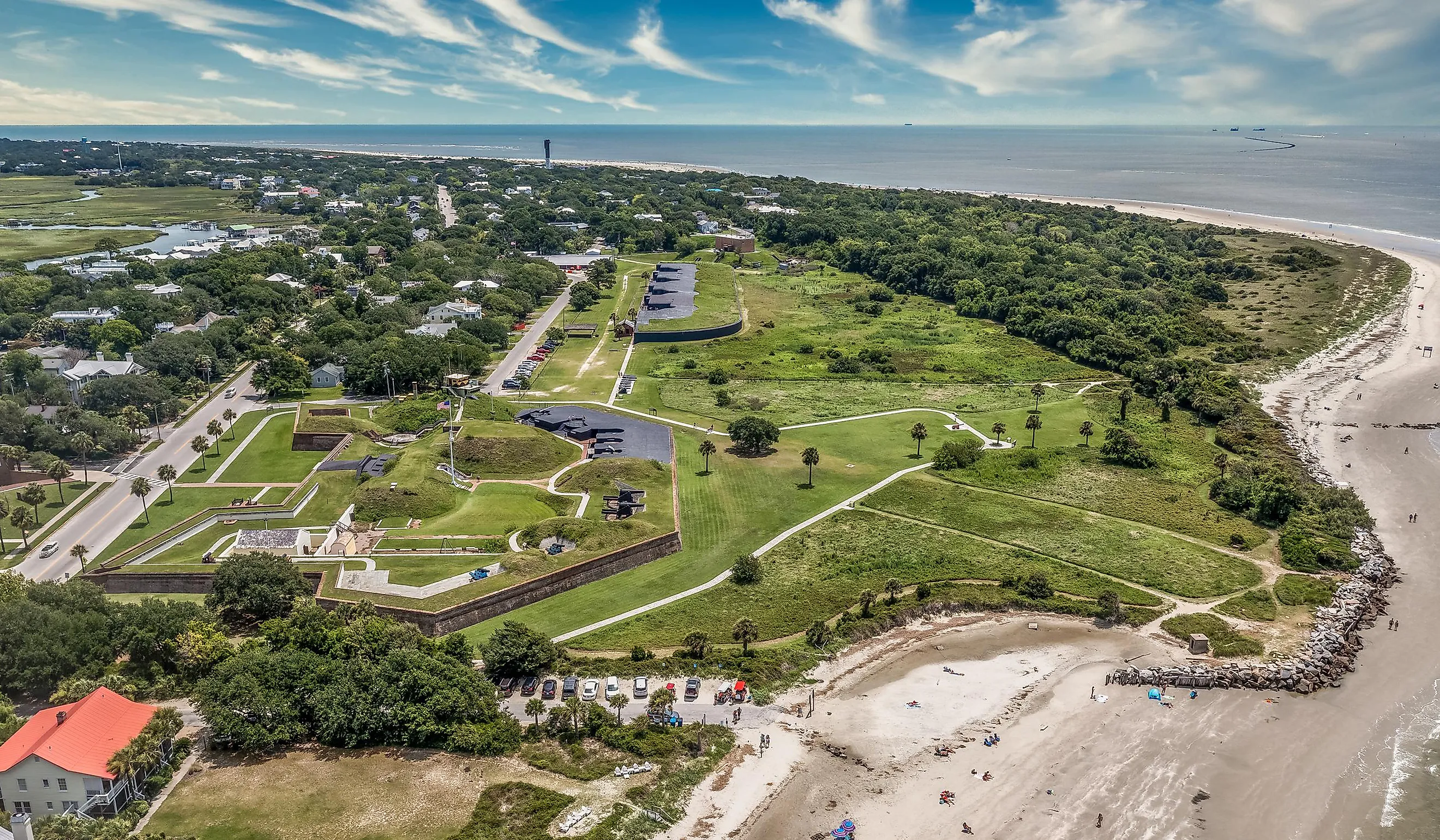
Positioned just outside Charleston, Sullivan’s Island offers a refined coastal escape where history, community, and natural beauty intersect. The island’s past is deeply embedded in its landscape, particularly at Fort Moultrie, where visitors can explore exhibits detailing centuries of military history from the Revolutionary War through the twentieth century. For those looking to take in the historic feel, visit the Edgar Allen Poe Library, a small branch library located in historic Battery Gadsden, a former military battery. Sullivan's Island Beach is another major draw, known for its wide shoreline, gentle waves, and notably uncrowded feel compared to nearby alternatives. Exploring the island by bike is popular, with flat roads and dedicated paths connecting residential areas to the waterfront.

Along Middle Street, visitors will find a curated mix of restaurants and casual eateries that prioritize quality and local ingredients rather than volume, such as Poe's Tavern, a popular restaurant named after the literary figure. Architectural preservation and zoning limits have helped maintain the island’s character, giving it a cohesive and intentional feel. Sullivan’s Island is worth visiting for travelers who want a coastal destination that offers more than scenery, combining walkable beaches, thoughtful dining, and meaningful historical context in one compact setting.
South Carolina’s overlooked towns reveal a side of the state that rewards curiosity and intentional travel. These destinations offer more than scenic backdrops, providing meaningful experiences rooted in history, local culture, and everyday life. Whether it is walking through a preserved historic district, exploring coastal wildlife refuges, or supporting locally owned businesses, each town invites visitors to engage more deeply with their surroundings. By venturing beyond the most publicized destinations, travelers gain a richer understanding of South Carolina’s regional diversity. These towns prove that some of the most memorable journeys come from places that quietly excel, offering authenticity, accessibility, and a strong sense of place.