8 Of The Quietest Louisiana Towns
Louisiana’s quietest towns lie between the northern pine hills and the southern barrier islands. They feature French Creole landmarks and antebellum buildings alongside protected wetlands. In New Roads, False River brings a broad stretch of calm water to the edge of town. Abita Springs holds the source of a popular brewing brand and a kitschy folk-art museum. Saint Francisville borders Audubon State Historic Site, where the famous painter once lived and worked. The eight towns below are a way to see Louisiana off the interstate.
St. Francisville

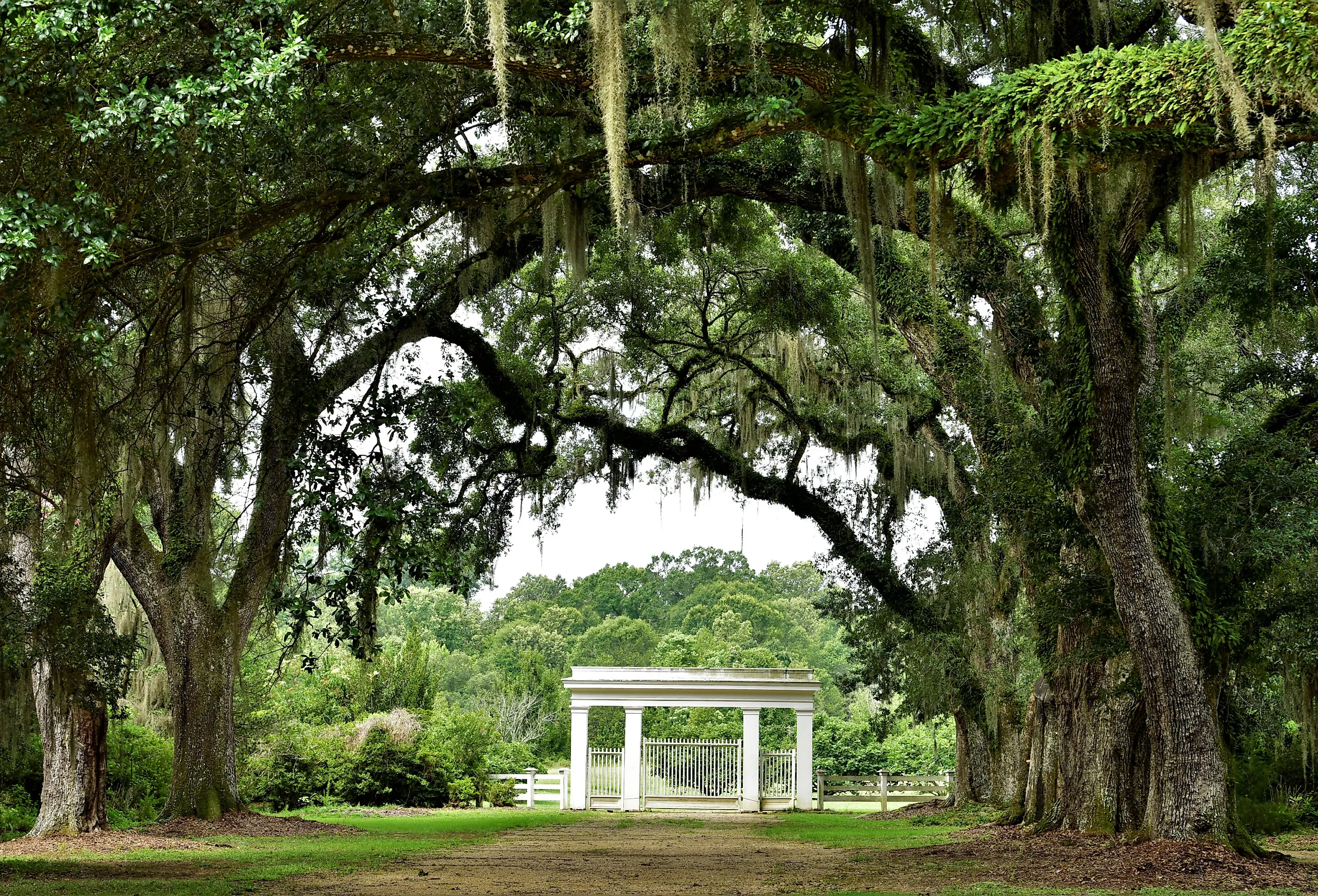
St. Francisville is a ridge-top town of around 1,500 people, perched above the Mississippi River in West Feliciana Parish. Its streets are shaded by old oaks and its historic district holds one of the highest concentrations of antebellum plantation homes in the American South.
The Myrtles Plantation, located in the town, is one of the most storied antebellum properties in the state. It features Creole style architecture and a long history tied to plantation life. The site is widely regarded as one of America’s most haunted homes.
Nearby is the Audubon State Historic Site at Oakley Plantation. This is the forest where John James Audubon spent months in 1821 painting 32 of the birds that would later be published in "Birds of America."
Grand Coteau

Grand Coteau is a small town in St. Landry Parish with a population of under 1,000 people. Much of the town’s quiet atmosphere comes from its oak-lined streets and long-standing Catholic institutions. Its Historic District has over 70 architecturally significant structures representing different styles, such as Anglo-American houses, French Creole cottages, and Acadian buildings.
St. Charles Borromeo Catholic Church stands at the heart of the district, with Academy of the Sacred Heart nearby. It is one of the oldest operating Catholic schools in Louisiana. The school is famous for a healing that the Vatican formally recognized as a miracle.
Grand Coteau Retreats is a Catholic, Jesuit mission offering a peaceful atmosphere for spiritual and silent retreats.
Abita Springs

Abita Springs is built around its natural artesian spring and has a population of around 2,600 people. In the 19th century, that spring drew city dwellers across the region in search of its reputed healing properties. The Victorian architecture they left behind lines the historic district to this day. The Abita Springs Trailhead Museum documents this history. It traces that story from the Indigenous communities who first valued the springs to the resort era that forged its identity.
The Abita River and the paved Tammany Trace run through town. The trail spans about 31 miles through scenic forests, wetlands, and waterways along the north shore of Lake Pontchartrain.
Adjacent to the Tammany Trace is the Abita Mystery House, a folk‑art environment assembled over decades. Its grounds are packed with hand‑built sculptures and found‑object installations.
St. Martinville

St. Martinville is a bayou-side town of approximately 6,000 people in St. Martin Parish. Acadian, African, and French Creole histories converge within a few walkable blocks. Bayou Teche passes through the town, bordered by moss-draped oaks and quiet streets. The town traces its origins to the 18th century, when Acadian exiles settled along the banks of Bayou Teche.
St. Martin de Tours Catholic Church, one of the oldest Catholic parishes in Louisiana, sits on the town square. Just behind the church, the Acadian Memorial and the African American Museum of St. Martinville sit together on the bayou side of the square.
The Evangeline Oak grows at the edge of Bayou Teche. This sprawling live oak is tied to Henry Wadsworth Longfellow’s poem Evangeline: A Tale of Acadie. Nearby, the Longfellow-Evangeline State Historic Site preserves a collection of restored Acadian structures.
New Roads

New Roads is along a quiet bend in Pointe Coupée Parish and has a population of around 4,500 people. Its western edge follows False River, a 10-mile oxbow lake that formed when it split from the Mississippi River. The water is broad and calm, with only the occasional pelican passing overhead.
The town’s long French Creole history is visible in its design. St. Mary of False River Catholic Church stands at the center of town, featuring a striking facade and stained glass windows.
The Pointe Coupée Parish Museum draws on records and artifacts from the earliest days of European settlement to tell the story of the culture that built this place.
Grand Isle

Grand Isle is one of Louisiana’s few year-round barrier-island communities, home to about 1,000 people. It is a narrow strip of land where the Gulf of Mexico presses in from one side and Barataria Bay from the other, reached at the end of a long causeway. Grand Isle Beach runs along the Gulf shoreline, its sand and surf largely undisturbed.
Grand Isle State Park occupies the eastern tip of the island. Beachfront trails and fishing platforms extend directly into the Gulf, and the waters surrounding the island support more than 280 fish species across four fishing seasons. The Grand Isle Fishing Pier puts anglers directly over productive coastal water.
Brown pelicans are a constant presence along the shore and over the bay. Just offshore is the Queen Bess Island Bird Sanctuary, central to the species’ recovery after its population collapsed in the 1960s. To the west, Elmer’s Island Wildlife Refuge extends the coastal wetland habitat, with marshes that draw shorebirds and migratory species throughout the year.
Madisonville

Madisonville is a river town of about 850 people on Louisiana’s north shore. Generations of boat building and commercial fishing along the Tchefuncte River left behind a waterfront that appears preserved rather than redesigned.
The Madisonville Historic Waterfront reflects that maritime history, with 19th-century boatyards and fishing docks that line the river’s edge. The Lake Pontchartrain Basin Maritime Museum is nearby. Its collection features historic wooden vessels and artifacts that document the region’s seafaring culture.
The Tchefuncte River winds through town past cypress-lined banks before emptying into Lake Pontchartrain.
Farmerville

Farmerville is a town of around 3,400 people in Union Parish. It is in the rolling hills of northern Louisiana surrounded by pine forests. Its downtown is low-key and residential, built around a modest commercial core that serves the surrounding rural community.
Lake D’Arbonne borders the town, a sprawling freshwater reservoir ringed by cypress and hardwood. Lake D’Arbonne State Park extends along its banks. It features a forested shoreline, paddle trails winding through the canopy, and campgrounds settled into the tree line, well away from any road noise.
Quiet Corners of Louisiana
Louisiana’s quietest towns stand out for their bayous, barrier islands, and long-running institutions. In places like St. Martinville and New Roads, 18th-century French Creole and Acadian roots can be seen in churches and town squares. Others, including St. Francisville and Grand Coteau, are known for antebellum homes, historic churches, and schools that have operated for generations. These towns present a quieter, more deeply rooted side of the American South.