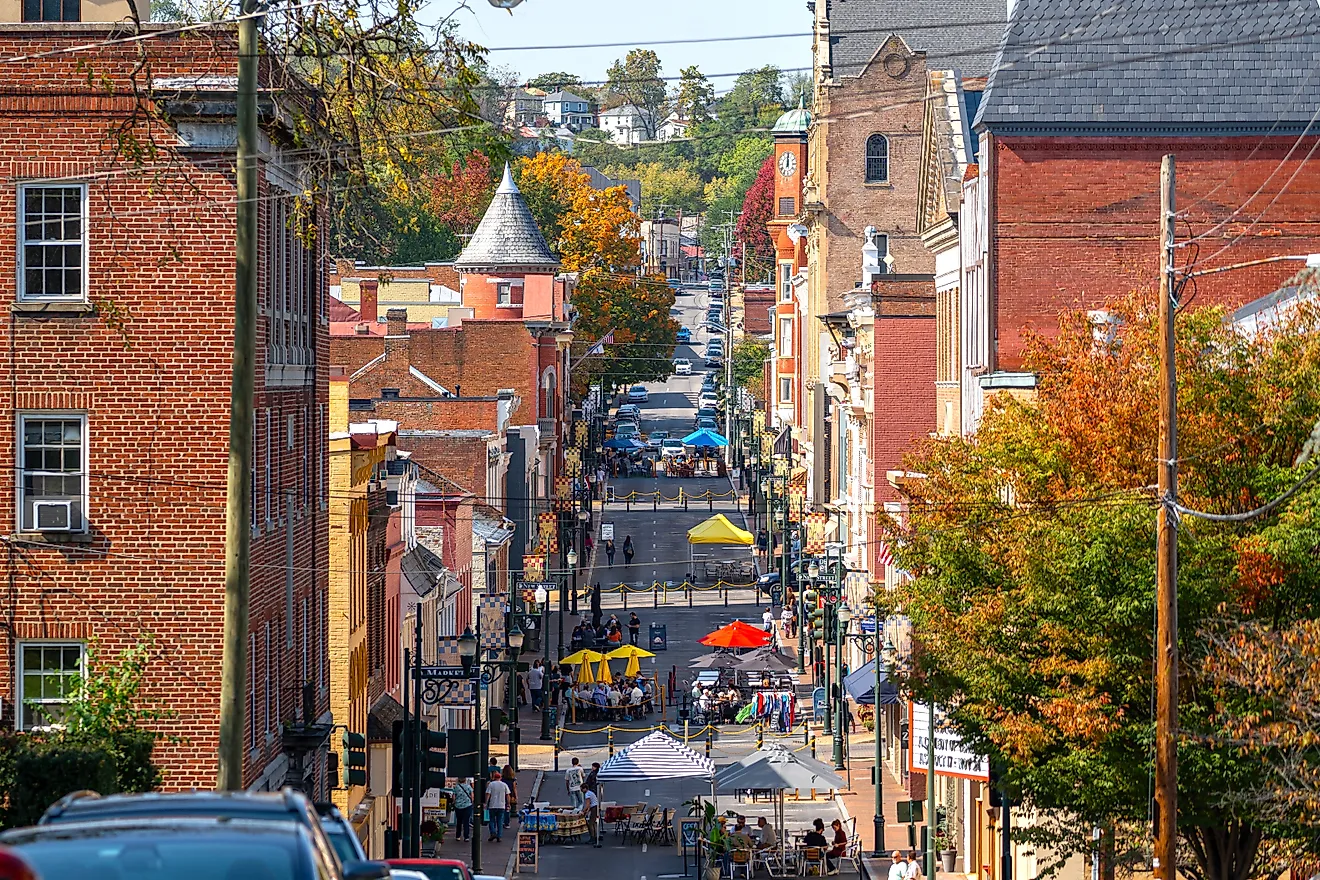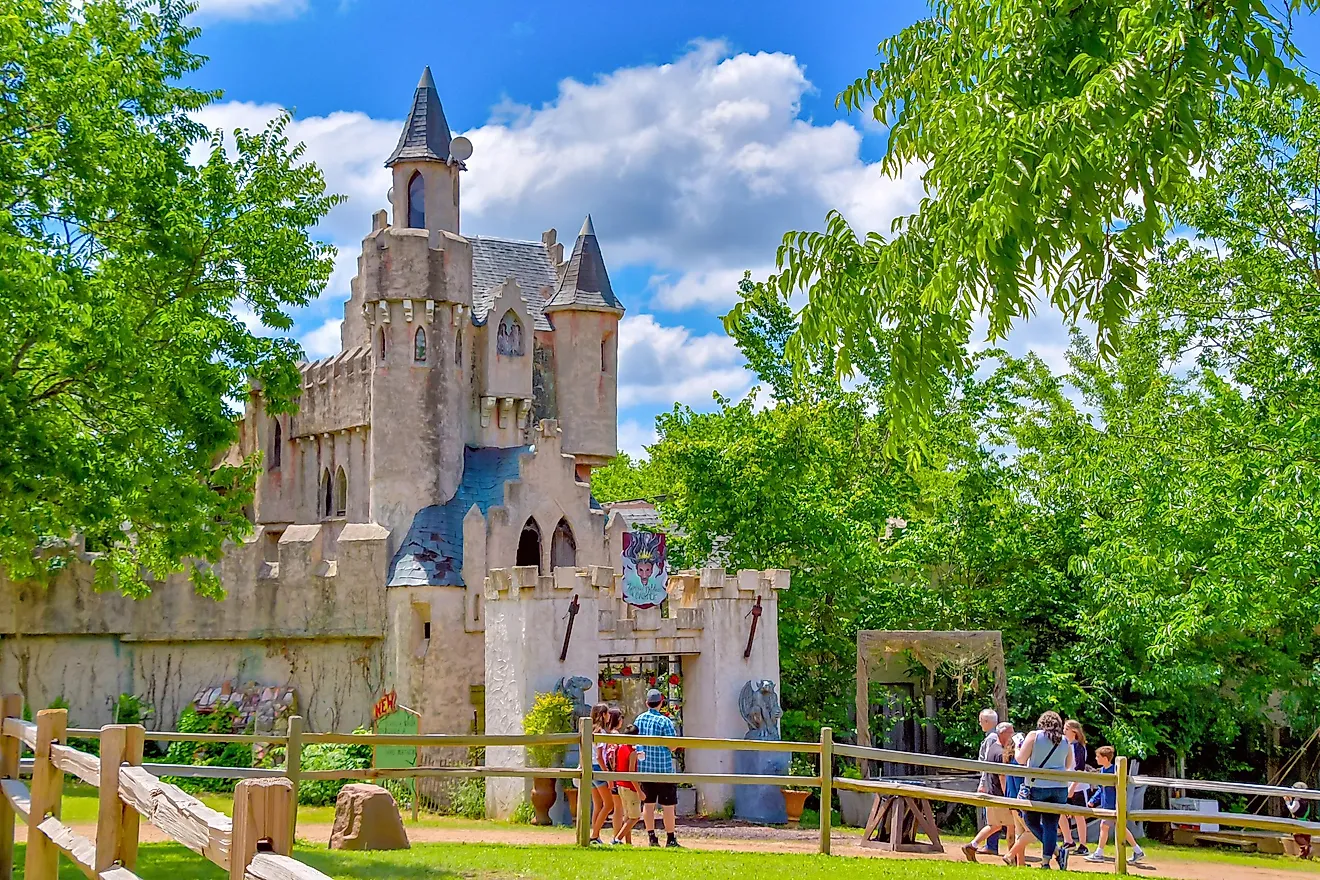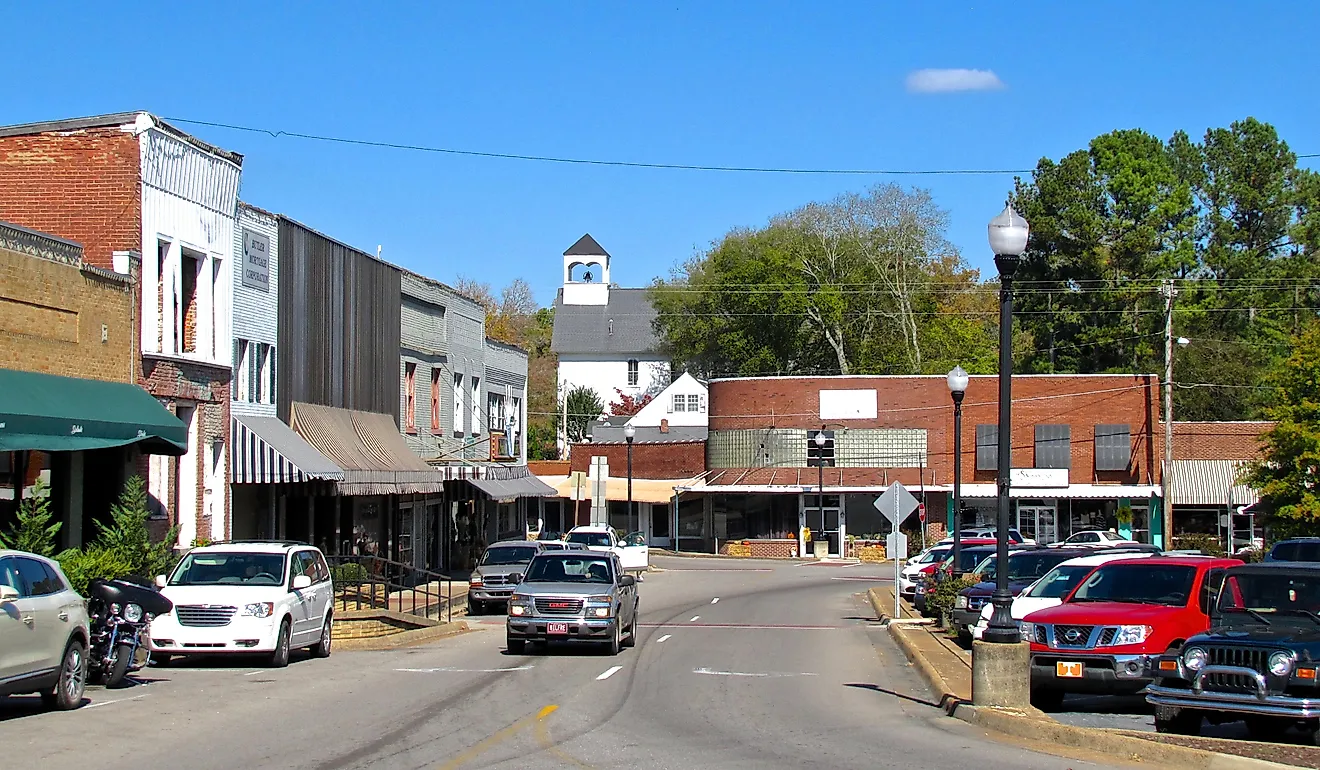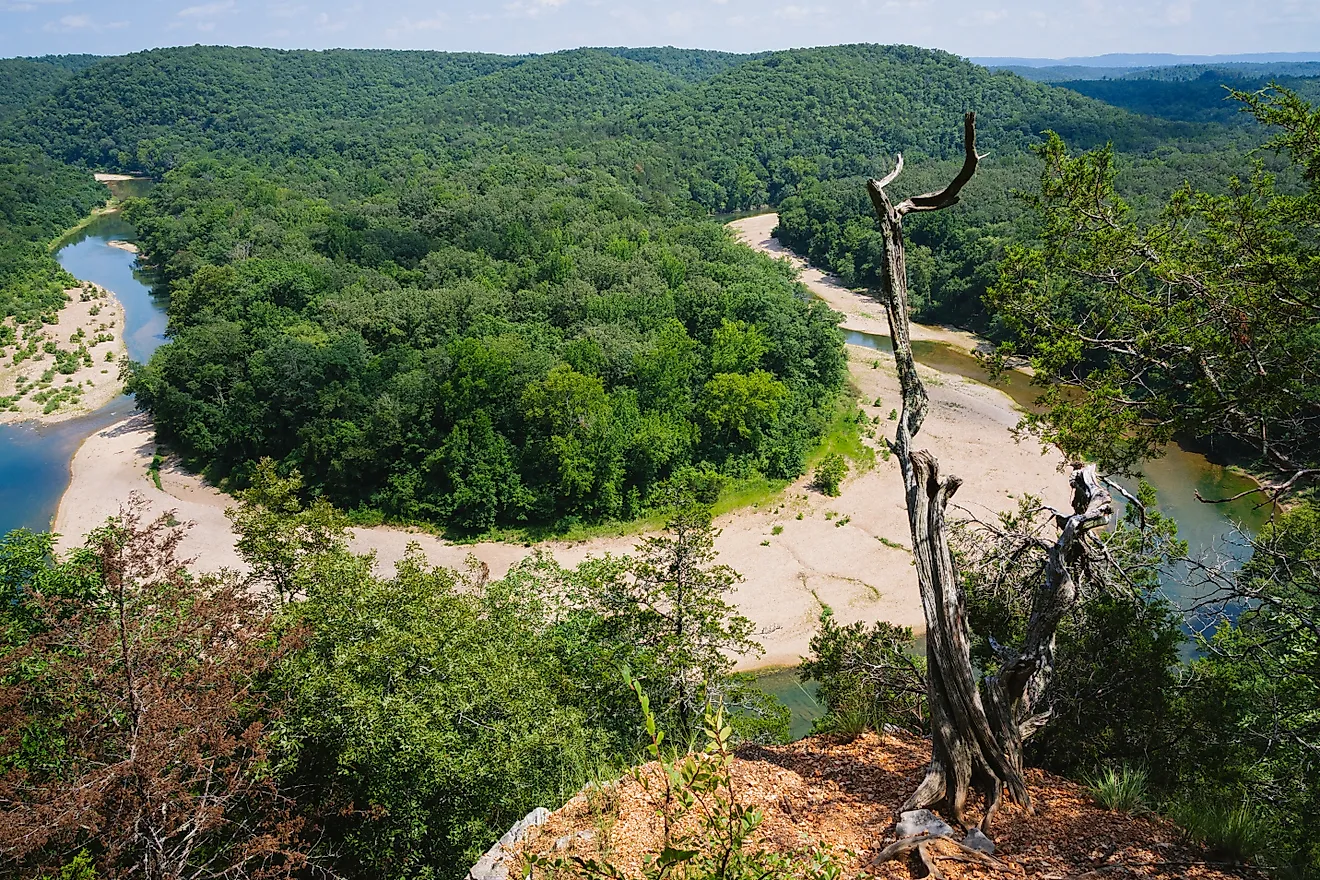
9 Towns in Rhode Island With Vibrant Downtown Areas
Rhode Island packs nine of New England's most walkable downtowns into a corner of the country smaller than King County, Washington. Newport's Thames Street still runs over 18th-century cobblestones along a working harbor that hosted the America's Cup for over half a century. Bristol holds the country's oldest continuous Fourth of July parade, going since 1785. Wickford's tidy harbor was a major shipbuilding port in the 1700s, and the Old Narragansett Church there has been in continuous use since 1709. East Greenwich, founded in 1677, was the wartime capital during the Revolution. The nine below run through every part of the state, each anchoring a different version of the same long colonial maritime story.
Newport

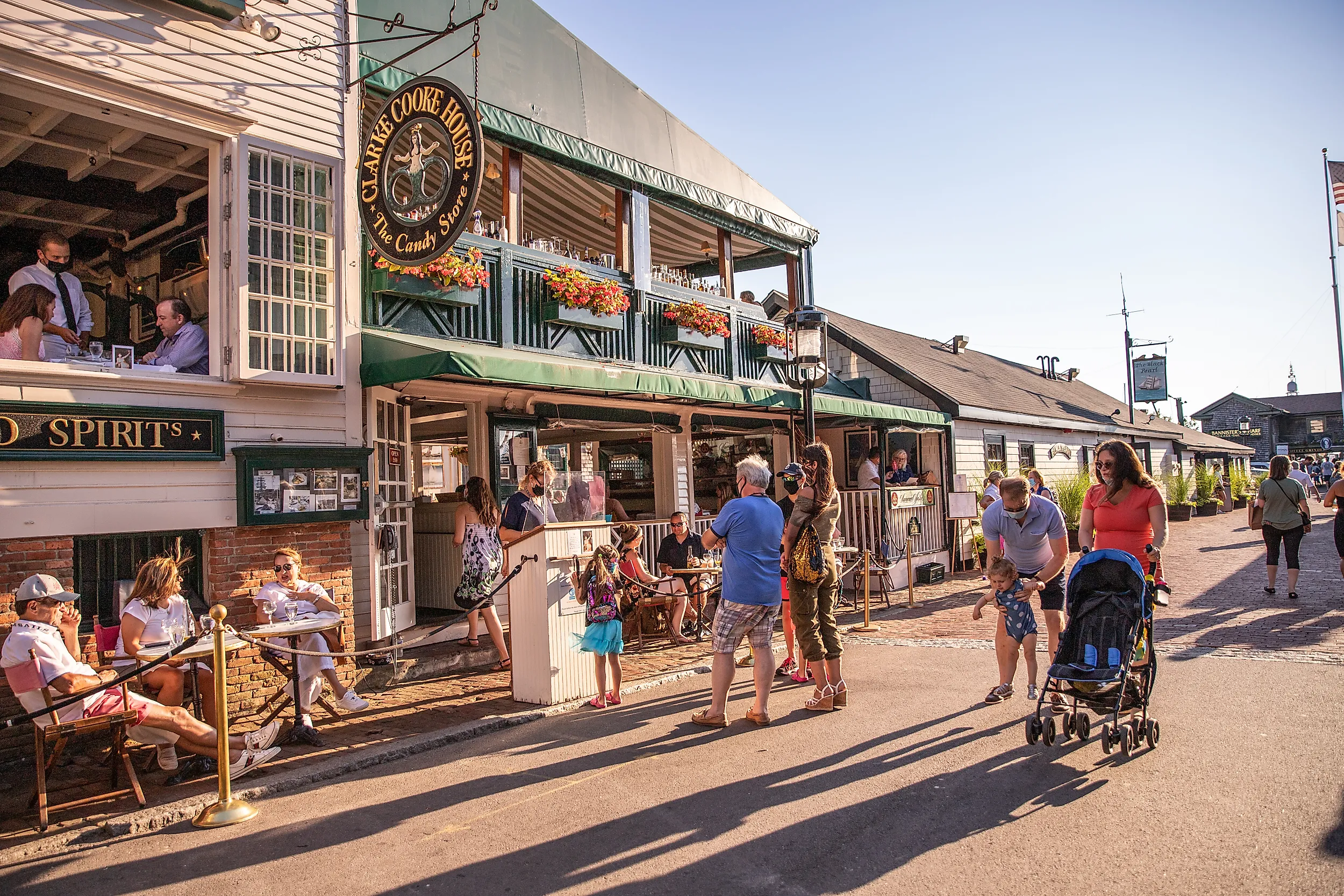
Newport sits at the southern tip of Aquidneck Island and runs as the "Sailing Capital of the World," a nickname earned through hosting the America's Cup defense from 1930 to 1983. Bowen's Wharf is the central downtown shopping and dining hub, with boutiques like Harper & Tucker. Touro Synagogue, dedicated in 1763, is the oldest synagogue building in the United States and runs guided tours covering early Jewish history in the colonies. The 3.5-mile Cliff Walk traces the Atlantic shoreline past the Gilded Age mansions (the Breakers, Marble House, the Elms, Rosecliff, and others). Fort Adams, on the harbor mouth, is the second-largest bastioned fort in the country and runs guided tours through the casemates and bastions of the original 1799-1857 construction. The Mooring on Sayer's Wharf serves chowder and seafood with a view of the working harbor.
Bristol

Bristol, founded in 1680, is one of the oldest towns in the state and runs the country's oldest continuous Fourth of July celebration, going since 1785. The downtown wraps Narragansett Bay along Hope Street, with classic wooden sailboats and fishing vessels still working the harbor alongside more modern recreational boats. Linden Place, an 1810 Federal-style mansion built by Revolutionary War privateer George DeWolf, runs as a historic house museum. The 14.5-mile East Bay Bike Path, on the former New York, New Haven and Hartford Railroad right-of-way, runs from Bristol to Providence. Colt State Park covers 464 acres of bay frontage on the western edge of town with picnic shelters and walking trails. The Bristol Oyster Bar serves local oysters; Beehive Café handles the breakfast and coffee shift on Franklin Street.
Wickford

Wickford is a village within North Kingstown, founded in 1709 around a tidy natural harbor that became one of southern Rhode Island's main 18th-century ports. The downtown holds one of the densest concentrations of preserved 18th-century homes in New England, with several dating from the 1720s and 1730s still in private use along Pleasant Street and Main Street. The Old Narragansett Church, built between 1707 and 1709 and moved to its current site in 1800, is the oldest Episcopal church north of Virginia. Smith's Castle, a 1678 garrison house on the northern edge of the village, runs seasonal tours through one of the oldest plantation homes in New England. The Wickford Art Festival each July fills the village with a juried regional art show. Tavern by the Sea on Phillips Street covers waterfront dining; Rome Point in North Kingstown is a regular winter spot for harbor seal hauling.
Warren

Founded in 1747, Warren has deep maritime and shipbuilding roots: more than a thousand wooden vessels were built here in the 18th and 19th centuries. Brown University was originally founded in Warren in 1764 before relocating to Providence in 1770, and the Maxwell House on Water Street holds 18th-century artifacts and exhibits on the town's role in early American education. Over the past two decades the downtown has shifted toward an arts hub, with galleries, studios, and breweries filling former mill buildings on Water and Main streets. The East Bay Bike Path runs through downtown. Bywater pulls a regional crowd for locally sourced seafood (the Duck Tacos are a fixture); Blount Clam Shack, on the bay, handles the classic clam-cakes-and-chowder lunch.
East Greenwich

East Greenwich, founded in 1677, briefly served as Rhode Island's wartime capital during the Revolution. Main Street runs along a hillside above Greenwich Cove with restored Federal and Victorian commercial buildings now housing boutiques, restaurants, and live-music venues. The Varnum House Museum, an 1773 mansion built by General James Mitchell Varnum (a Continental Army officer at Valley Forge), holds Revolutionary War artifacts and colonial-era furnishings. Scalloptown Park on the cove is the standing waterfront walk. Just southwest of downtown, Goddard Memorial State Park covers 490 acres of forest along Greenwich Bay with horseback riding, golf, and hiking trails. La Masseria runs the standing Italian dinner spot on Main Street; T's nearby covers the brunch end with omelets and pancakes.
Westerly

Westerly, on the Pawcatuck River at the Connecticut state line, was once one of the country's main granite-quarrying centers (Westerly granite was used for the Antietam National Cemetery monuments and headstones for over 100,000 Civil War veterans). The legacy still shows in the building stock around High Street and Broad Street. Wilcox Park, an 18-acre Victorian-era landscaped park designed by Warren Manning in 1898, runs concerts and outdoor events through the warm season. The United Theatre, restored from a 1926 cinema, runs film, live music, and performance; the smaller Granite Theatre handles local productions. Perks & Corks on High Street pours craft cocktails and small plates. Misquamicut State Beach, six miles south, runs three miles of Atlantic shoreline.
Narragansett

Narragansett developed in the late 19th century as a railroad-era summer resort, and the Narragansett Pier Casino (a Stanford White design completed in 1886) was once the social center of the town. The 1900 fire destroyed all but the casino's two stone towers, the Narragansett Towers, which still arch over Ocean Road and now serve as an event venue. Narragansett Town Beach is the main public swim beach, with surf breaks at the southern end through most of the year. The South County Museum, on the grounds of Canonchet Farm, runs exhibits on Rhode Island agricultural and maritime history in 19 buildings spread across 174 acres. Crazy Burger on Boon Street covers the creative-burger end. Aunt Carrie's, on Point Judith Road, has been serving clam cakes and chowder since 1920.
Wakefield

Wakefield is a village within South Kingstown, set along the Saugatucket River. The town developed as a 19th-century textile and grain mill center, and several of the converted mill buildings now hold shops, restaurants, and arts spaces along Main Street and High Street. The Contemporary Theater Company runs improv, musicals, and original work year-round. The Saugatucket Riverwalk runs from Wakefield south toward the dam at Wakefield Mill Pond. The 14-mile South County Bike Path heads west from town toward Kingston Station. Mews Tavern on Robinson Street is the standing local for the beer list. Matunuck Oyster Bar on Succotash Road serves oysters from its own farm in Potter Pond.
Coventry

Coventry, the largest town in Rhode Island by land area at 64 square miles, ran as a textile mill town through the 19th and early 20th centuries. The Anthony, Washington, and Quidnick villages still hold the working stocks of mill housing and restored mill buildings. The Nathanael Greene Homestead in Coventry village preserves the 1770 home of the Revolutionary War general who became Washington's most trusted field commander. The Paine House Museum on Station Street, in a 1748 tavern building, runs as a historical society museum on colonial life. Carbuncle Pond and Tioque Lake handle fishing, hiking, and kayaking. Westcott House on Tiogue Avenue is the standing dinner spot for steak and seafood. Coventry Deli & Bakery on Main Street covers homemade pastries and breakfast sandwiches.
Final Thoughts
Each of these nine downtowns runs on a different anchor. Newport carries the Gilded Age. Bristol holds the country's oldest Fourth of July parade. Wickford preserves an 18th-century shipbuilding port. Warren has reinvented itself as an arts town in former mill space. East Greenwich and Westerly run a slower-paced version of the same. Narragansett, Wakefield, and Coventry round out the list with summer beach, river-walk, and mill-town variations. Bike paths, harbor walks, and a long calendar of community events fill in the rest, in a state where you can hit all nine on a single long weekend.