7 Snake Infested State Parks In New Hampshire
New Hampshire offers a wide spectrum of outdoor experiences, from still lakes to steep mountain passes, and its state parks support a web of wildlife that invites careful curiosity. They also form a habitat where snakes are a regular part of the natural cast, though venomous encounters are not routine. In this article, you'll find information on each park's habitat, the common species associated with each park, and guidance on human-snake interactions. Along the way, we'll highlight specific landmarks so that hikers, paddlers, and naturalists know where snakes are most likely to be seen and where to focus their wildlife photography. Practical travelers and wildlife enthusiasts will gain useful context for planning visits that are safe and respectful of New Hampshire’s reptile life.
Pawtuckaway State Park

Pawtuckaway State Park is a mix of lake, marsh, and boulder-strewn hills that supports semi-aquatic and upland reptiles. Along the shoreline of Pawtuckaway Lake, paddlers and anglers commonly see the northern water snake as it slips through shallow inlets hunting frogs and small fish. On sunny rock outcrops and along forest edges, the common garter snake and the smooth green snake take advantage of the abundant amphibian and invertebrate prey. Trails that wind past marshy coves and around interior ponds offer the best chance to observe these species basking or moving between feeding sites.

Park maps and trail guides describe ponds, marsh edges, and the boulder field where snakes often warm themselves in the sun. Park stewards encourage visitors to give reptiles space, to watch from a distance, and to avoid handling wild snakes, particularly because many harmless species rely on camouflage and quick retreat rather than aggression.
Bear Brook State Park

Bear Brook State Park covers a large swath of forest, wetlands, and open grassland where snakes of several types find suitable habitat. Wetland edges, beaver ponds, and slow-flowing streams host the northern water snake, while sunny logging roads and brushy field margins support the northern black racer, a fast-moving, nonvenomous predator of small mammals and other reptiles. The ring-necked snake is often encountered beneath moist logs and rock slabs in the park’s upland forest, where it hunts salamanders and earthworms. Bear Brook’s habitat management plans emphasize wetland conservation and native vegetation, which indirectly benefits reptile communities by maintaining prey populations and thermal microhabitats.

Hikers who favor the park’s longer loops and canoeists who explore quiet coves should expect to find snakes in appropriate microhabitats, but encounters with venomous species remain rare in the region because the timber rattlesnake occupies only a tiny portion of the state’s historic range.
Franconia Notch State Park

Franconia Notch State Park sits deep in the White Mountains, where dramatic cliffs, narrow gorges, and high-elevation lakes create varied microhabitats. On the rocky ledges around Flume Gorge and the sandy margins of Echo Lake, visitors may spot the eastern milk snake, which often basks on warm stones and hunts for small rodents. The common garter snake is widespread in shorelines and meadows, while the northern black racer appears in sun-splashed clearings and along old logging roads. Mountain ledges and talus slopes provide the rock outcrops and sun-exposed knolls used by several snake species for thermoregulation.

The timber rattlesnake has historic associations with the White Mountains region, but conservation authorities keep known den sites protected and undisclosed because the species is critically imperiled and extremely localized in New Hampshire. As a result, normal recreational use of trails and facilities in Franconia Notch does not involve routine encounters with venomous snakes.
Monadnock State Park

Mount Monadnock stands as a solitary granite landmark with exposed ledges and mixed hardwood forests on its flanks. On the trails that lead to the summit and on the scattered ledges around Mount Monadnock, herpetofauna include the eastern milk snake, the common garter snake, and the ring-necked snake, each adapted to the mosaic of rock and woodland. The mountain’s open slopes and rocky scrambles create favorable basking sites while nearby woods supply prey. Visitor reports and naturalist notes indicate occasional sightings of nonvenomous snakes along the lower elevation trails and around trailheads, where rocks and sunlit patches attract reptiles on cool mornings.

Historical references tie rattlesnakes to the broader White Mountain area, but official wildlife authorities emphasize that New Hampshire’s timber rattlesnake population is extremely small and closely monitored, and that routine hikes on Monadnock do not usually involve venomous snake encounters.
Pillsbury State Park

Pillsbury State Park includes several ponds and a network of quiet, wooded campsites where reptile life thrives in wetlands and forest margins. The ponds and reed beds near Pillsbury Ponds favor semi-aquatic species such as the northern water snake, while meadow edges and lowland brush support the common garter snake and the brown snake. Walk-in campsites and canoe-to campsites bring people close to shoreline habitat, so campers frequently observe snakes sunning on fallen logs or slipping among shoreline vegetation. Park literature notes abundant wildlife and advises low-impact observation.

Conservation-minded visitors understand that these snakes are part of the park’s ecological balance, controlling amphibian and rodent populations and offering rewarding sightings for wildlife photographers who keep a respectful distance. Like other parks in the state, Pillsbury does not experience regular venomous snake encounters because the timber rattlesnake’s presence in New Hampshire is limited and under active protection.
Miller State Park

Miller State Park rises on the slopes of Pack Monadnock, where the summit road and the network of trails lead to panoramic overlooks. Near the Pack Monadnock Summit and along the Wapack Trail, the sun-warmed rocky outcrops and forest edges provide habitat for the northern black racer, which moves quickly along open ridgelines in search of small vertebrate prey. The common garter snake appears in damp gullies and along small watercourses, and the eastern milk snake is known from rocky ledges and stone walls near trailheads.

The park’s elevation and exposed rock create important basking sites, and sightings tend to occur on warm mornings and late afternoons. Park managers emphasize safe wildlife viewing and habitat protection, and they reiterate that venomous encounters are not part of routine visits because the timber rattlesnake population is so restricted and monitored by wildlife authorities.
Umbagog Lake State Park

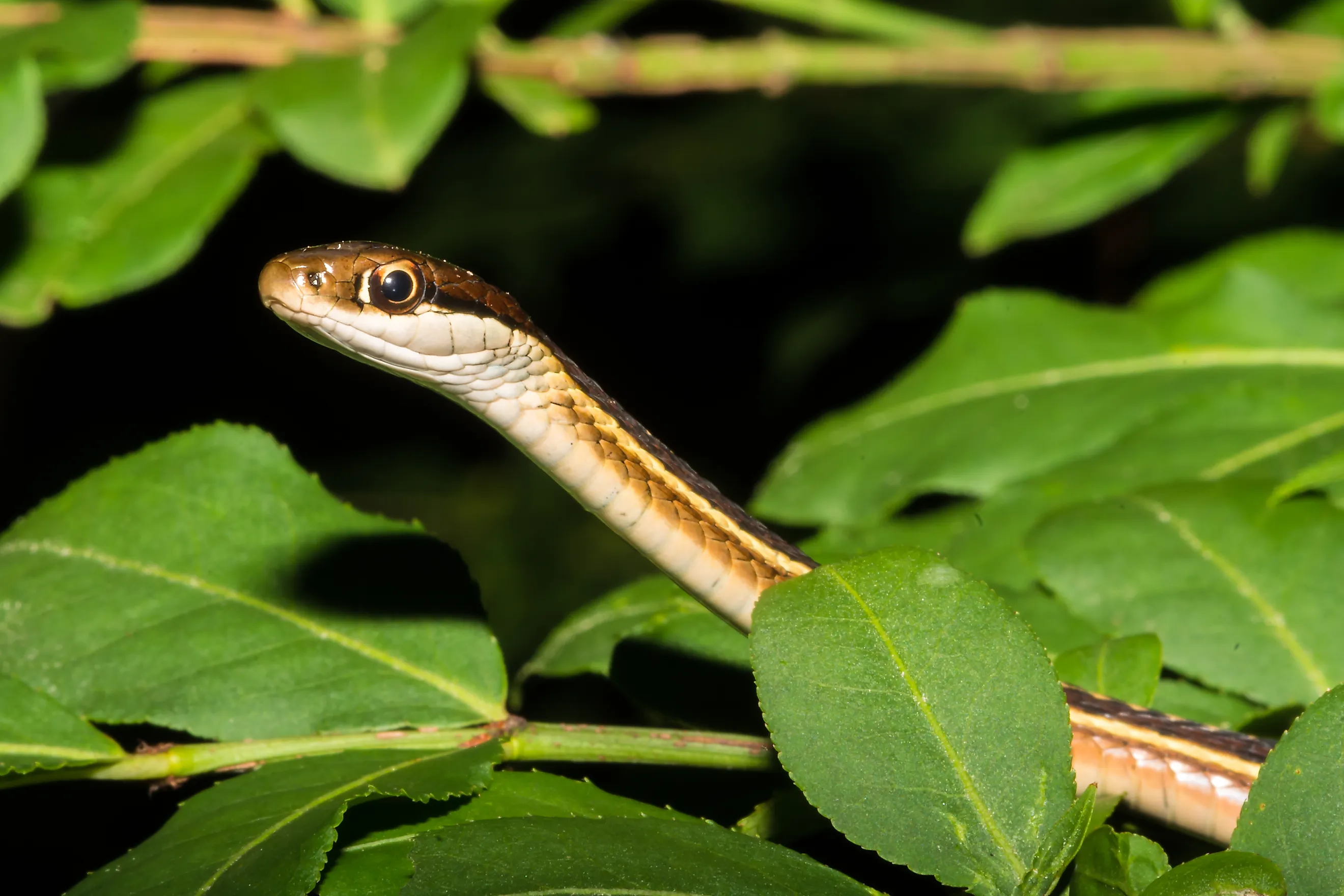
Umbagog Lake State Park occupies shoreline on a large, lowland lake and connects to a broader complex of marshes, shallow bays, and islands. On the edges of Umbagog Lake and in the marshy coves, the northern water snake is a frequent sight, hunting fish and amphibians among emergent vegetation. The eastern ribbon snake, a semi-aquatic, sleek-bodied species that favors reedbeds, appears in protected inlets, while the common garter snake uses the lake margins and nearby meadows. Canoeists who move quietly along islands and coves are most likely to observe these species at close range, often as snakes slip under floating vegetation or bask on sun-exposed logs.

The lake and its wetlands are an important site for regional wildlife diversity, and the larger Umbagog complex supports a typical New England assemblage of nonvenomous water and shoreline snakes. As elsewhere in New Hampshire, routine recreational use of the park does not produce regular encounters with venomous snakes, because the timber rattlesnake is extremely localized and rarely encountered away from its known dens.
Protecting Snakes and People
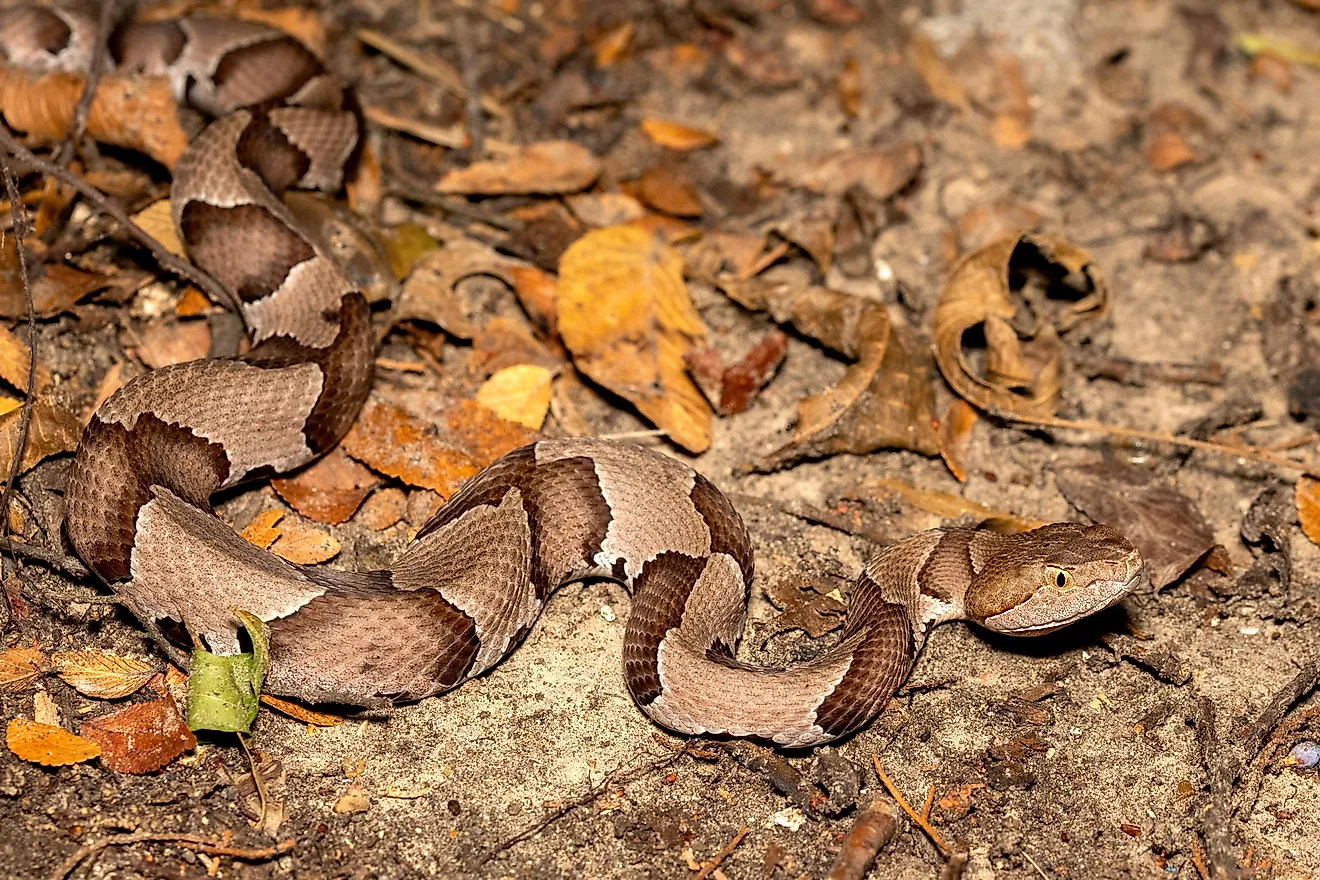
New Hampshire supports 11 native snake species, and most of them are harmless to people. Wildlife authorities describe the timber rattlesnake as the only venomous species in the state, but they also emphasize that it is state-endangered and confined to a very small fraction of its former range; known dens and hibernacula are kept confidential to reduce human disturbance. As a practical matter, park visitors encounter nonvenomous snakes far more often than venomous ones, and routine recreational activities in the parks named above rarely involve venomous encounters. Simple precautions reduce risk and increase enjoyment: give snakes a wide berth, avoid placing hands or feet where visibility is restricted, keep dogs on leash, and appreciate snakes as an integral part of local ecosystems and food webs. Conservation efforts by state agencies and nonprofit partners continue to protect critical den sites while educating the public about coexistence.