Why Hawk Mountain Sees Thousands Of Raptors Every Fall
Roughly 18,000 birds of prey pass a single rocky outcrop in eastern Pennsylvania between mid-August and mid-December, and on the best September days more than 3,000 go by in a single afternoon. They are not stopping there, and there is nothing at Hawk Mountain they want. What the ridge offers is free lift: a 300-mile wall of rock that turns wind into an escalator and sunlight into a column of rising air, letting a hawk cover enormous distances while barely moving its wings. Sixteen species use it every autumn and the count has been running since 1934. The whole thing exists because a New York widow borrowed 500 dollars to stop people shooting them off the rocks.
Migration Is Expensive
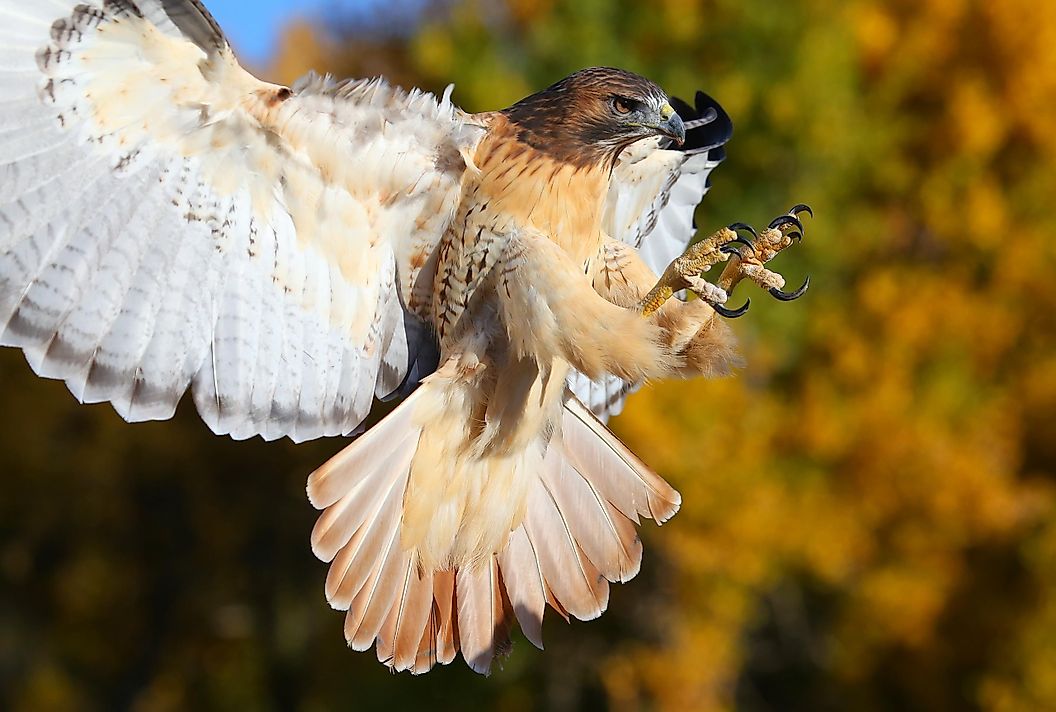
Start with the problem the birds are actually solving. A raptor heading from the boreal forest to Central America has to cover thousands of miles, and flapping the whole way would burn more energy than it could realistically eat en route.
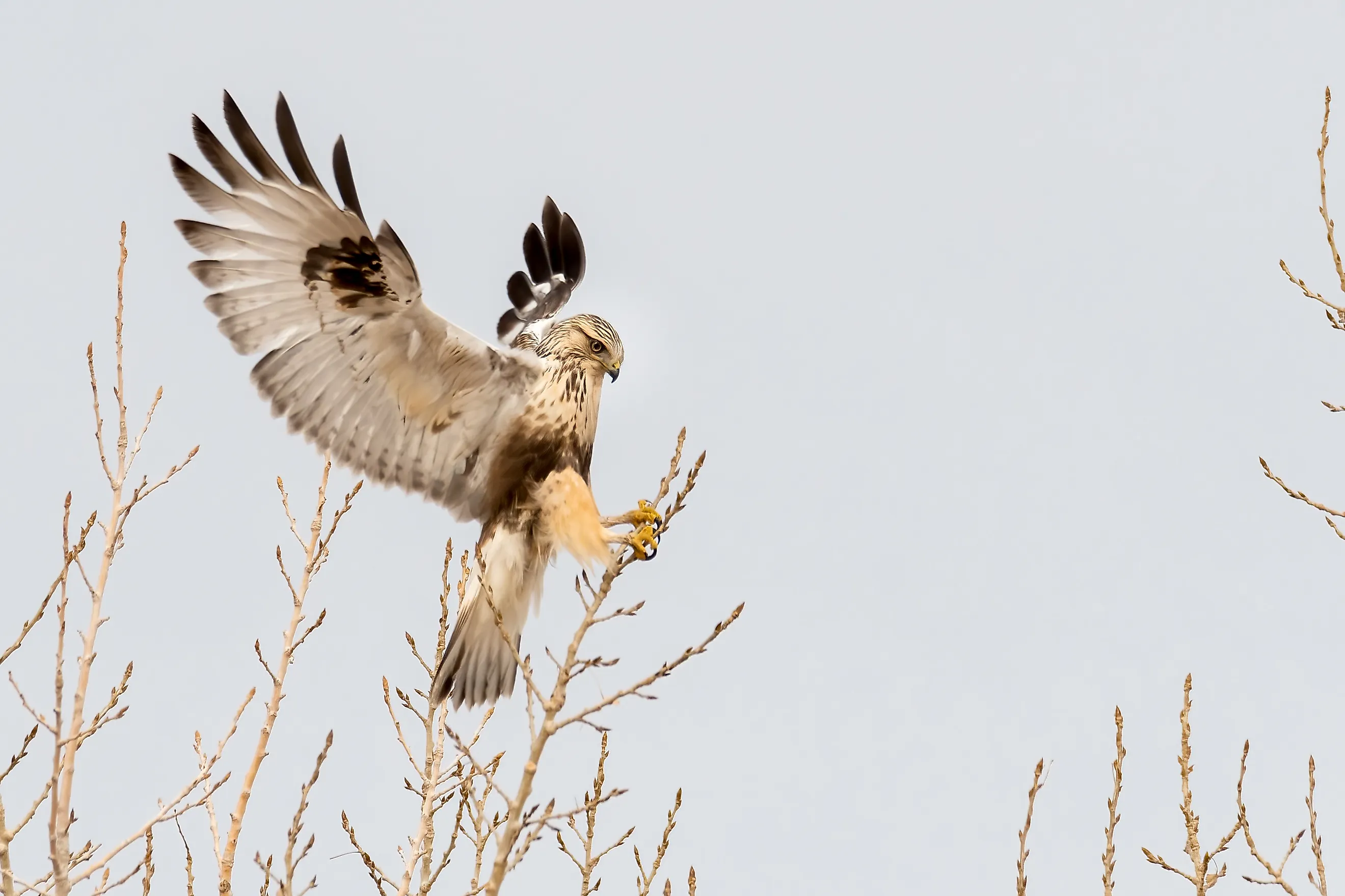
The solution is to stop flapping. A soaring bird with broad wings can gain altitude on rising air, then convert that height into forward distance in a long shallow glide, then find more rising air and repeat. Done properly, the bird crosses a continent mostly by falling slowly in the right direction.
That strategy only works where rising air is reliable, which is why raptor migration concentrates along a small number of corridors rather than spreading evenly across the map.
The Ridge Is An Escalator

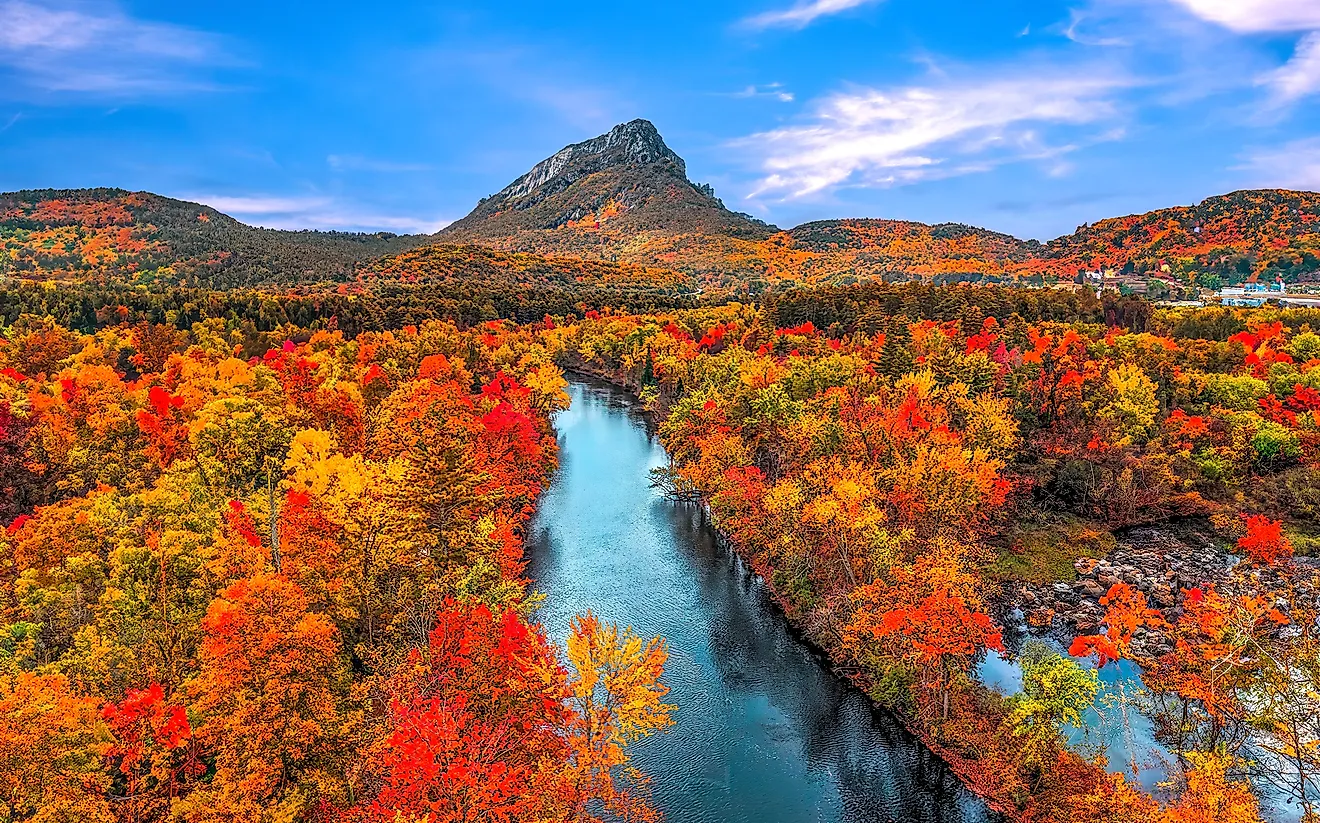
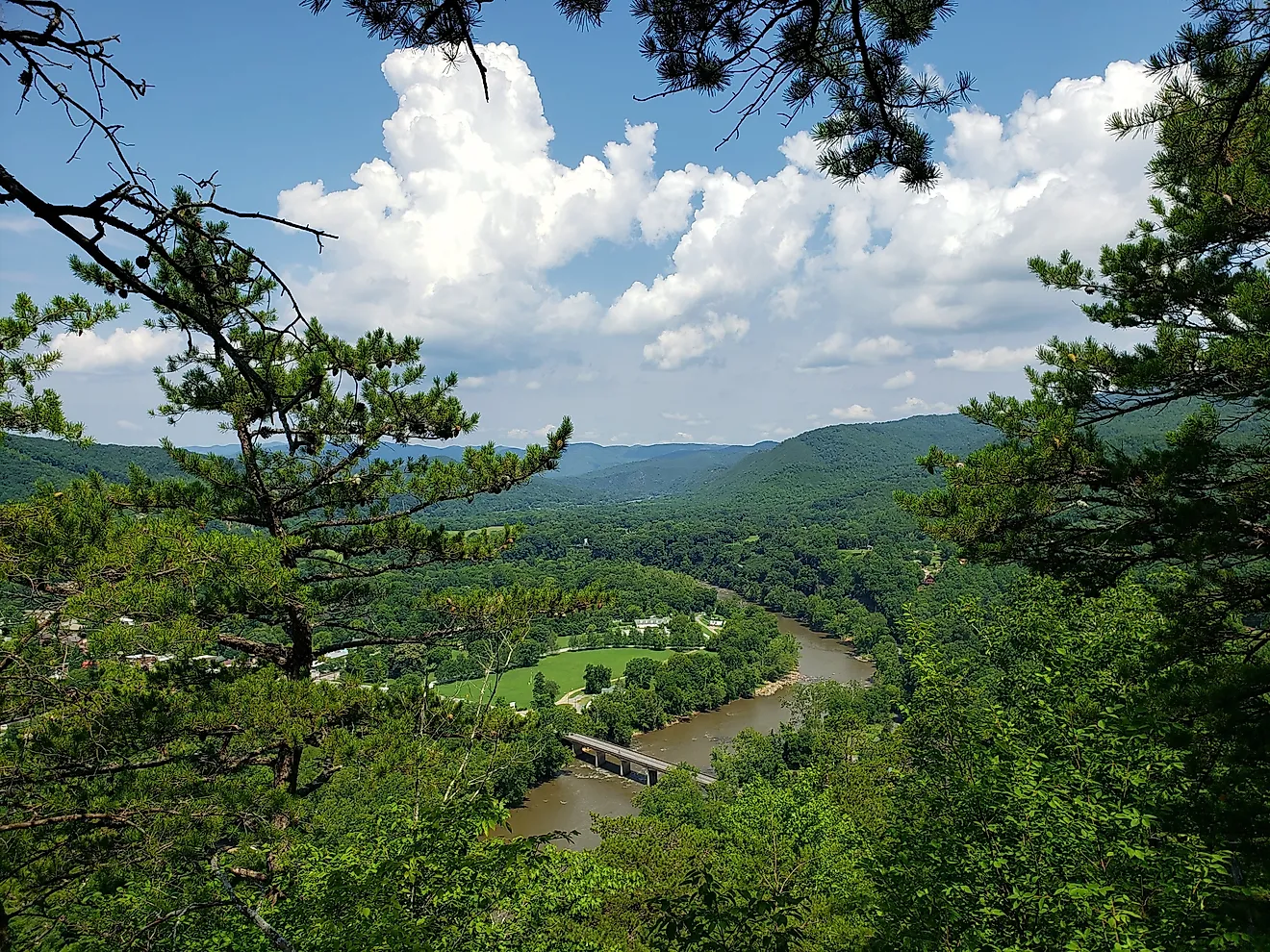
Hawk Mountain sits on the Kittatinny Ridge, also called Blue Mountain, a long unbroken wall running roughly 300 miles from about 60 miles north of New York City down to west of Chambersburg. It is the southeasternmost of the corduroy ridges in the Appalachian Ridge-and-Valley Province, which is a technical way of saying it is the first big obstacle wind from the northwest runs into.
When that wind hits the slope it has nowhere to go but up. The result is a continuous band of rising air along the ridge face, and a bird that positions itself in that band gets carried upward for free and can then glide along the line of the ridge for miles.
This is called ridge lift, and it is precisely the effect glider pilots use to stay up for hours without an engine. The difference is that the hawks worked it out considerably earlier.
And The Sun Provides A Second Lift

The second mechanism works on calm sunny days when there is no useful wind at all. Sunlight warms the ground unevenly, and the southern face of a ridge catches far more of it than the surrounding valley floor. The air above those warm surfaces expands, becomes less dense and rises in an invisible column called a thermal, and a soaring bird circling inside one can gain thousands of feet without effort.
Thermals are why broad-winged hawks form the swirling spirals known as kettles. Dozens or hundreds of birds circle the same rising column together, climb to the top of it, then peel off southward in a long glide, which from the ground looks like someone emptying a bucket of hawks into the sky.
Northwest Winds After A Cold Front
Regular watchers do not go on nice days, they go on the right days, and the sanctuary is specific about which those are. The best autumn flights come with northwest winds following a cold front. The front pushes birds south, and the northwest wind hits the Kittatinny at close to a right angle, which produces the strongest possible ridge lift along the whole length of it.
Get those two conditions together and the ridge turns into a conveyor belt. Miss them and you can spend a pleasant sunny day sitting on a rock in Pennsylvania seeing almost nothing.
Midday Is Worse, Not Better

Here is the counterintuitive piece of advice, and it comes straight from the people doing the counting. On sunny days without much wind, birds ride thermals rather than the ridge, and thermals are strongest around the middle of the day. Stronger thermals mean the hawks climb higher and drift further from the lookouts, so sightings actually diminish during midday hours.
The sanctuary's own guidance points to roughly 9:30 to 11:30 in the morning and 2:30 to 4 in the afternoon as the better windows on calm days. On genuinely windy days that reverses and migrants move all day, sometimes from dawn until dusk.
The Season Has A Schedule
The official count runs from August 15 to December 15, and what passes overhead changes substantially over those four months.
September belongs to broad-winged hawks, which move in the largest concentrations of the year and produce the one-day counts above 3,000. October brings the peak of species diversity, with sharp-shinned hawks, Cooper's hawks and American kestrels dominating. November and into December is when the larger, heavier birds come through, including red-tailed hawks, golden eagles and bald eagles, which need stronger lift and tend to arrive with the harder weather.
Sixteen raptor species migrate past the sanctuary regularly, so the question of what you will see depends far more on the calendar than on luck.
The Mountain Used To Be A Shooting Gallery
None of this was protected, and for decades the same geography that concentrates the birds made them into easy targets. Gunners gathered on the rocks each autumn and shot migrating hawks, eagles and falcons out of the sky by the thousands, largely for sport and encouraged by bounties on birds considered vermin. The ridge was locally known as Hawk Mountain because of how many passed, and that was precisely the appeal.
Photographs of the piles of dead birds, taken by an amateur ornithologist named Richard Pough, eventually reached a conservation activist in New York.
Rosalie Edge Bought The Problem

Rosalie Edge was a suffragist and conservationist with no particular patience for committees, and her response to those photographs was direct. In June 1934 she borrowed 500 dollars and leased 1,400 acres of the ridge, including the main shooting ground. She hired Maurice Broun and his wife Irma, both keen birders, as wardens with a simple brief: keep the hunters off. Four years later she bought the land outright and deeded it to the newly incorporated Hawk Mountain Sanctuary Association in perpetuity.
It became the world's first refuge for birds of prey, at a time when most conservation organizations regarded raptors as pests worth removing. The sanctuary now covers around 2,600 acres.
The Count Became The Point
Broun did one thing beyond guarding the place, and it turned out to matter more than the sanctuary itself. He started counting. His earliest surviving record, from September 30, 1934, logs 128 hawks, eagles, harriers, falcons and vultures. Broun stayed until 1966 and his successors have continued the tally every autumn since, producing what is now the longest-running raptor migration dataset in the world. The sanctuary counted its millionth raptor on October 8, 1992.
That record is why Hawk Mountain matters to science rather than only to birders. A continuous nine-decade count from a fixed point is the kind of baseline that lets researchers detect population crashes and recoveries, and it documented both the collapse of raptor numbers during the DDT era and their return afterward.
What The Numbers Show Now
The count continues to do its job, which occasionally means reporting results nobody wants to read. Recent seasons have run below the long-term average, with one producing 12,546 raptors against a ten-year average roughly 21 percent higher, alongside more than 63,000 non-raptor birds across 146 species. Single seasons swing for all sorts of reasons, from weather to the timing of cold fronts, so one low year means little on its own.
The value of a ninety-year dataset is precisely that it can absorb a bad season without losing the signal. That is what Broun's handwritten tally eventually bought.
Why It Works At All
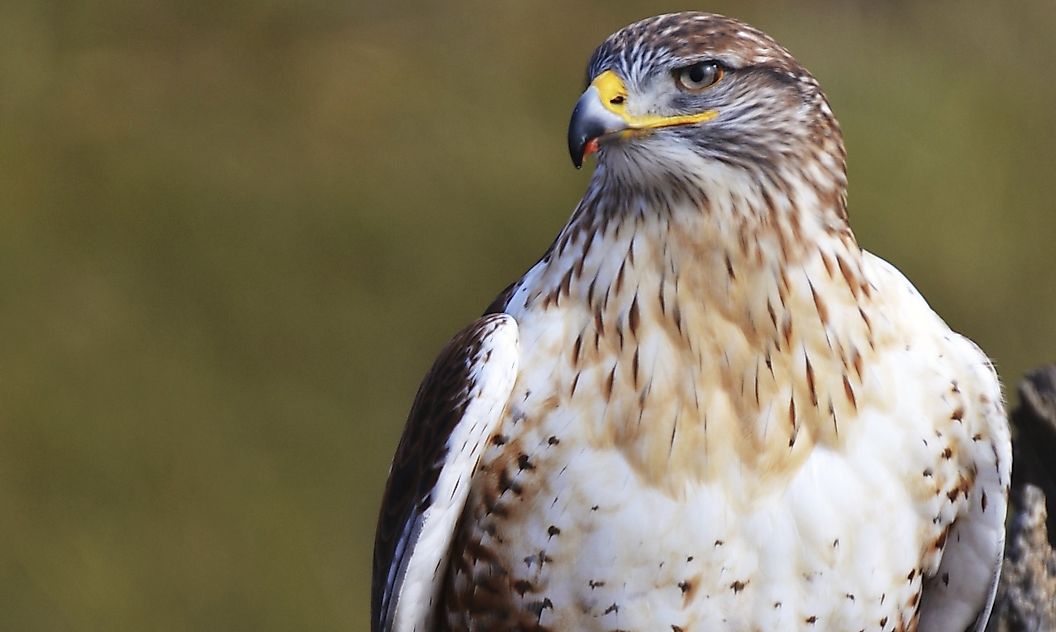
Hawk Mountain concentrates raptors because the geography concentrates lift, and lift is the working currency of long-distance soaring flight.
An unbroken ridge running the right direction across a continental flyway, with a face that catches both northwest wind and afternoon sun, is a rare piece of terrain. The birds found it long before anyone built a trail to the North Lookout, which sits at 1,521 feet with a 200-degree view reaching 70 miles.
The remarkable part is not that thousands of raptors pass every autumn. They were always going to. The remarkable part is that somebody noticed in time, bought the rock they were being shot from, and then started writing down what went over.