This Louisiana All-American Road Is the Ultimate US Road Trip
Louisiana just might be the last frontier in the US, and the Creole Nature Trail, also known as the Creole Nature Trail All-American Road, offers an insider's view of the diverse ecosystem. It is one of 37 designated All-American Roads. Just off the interstate, this is where Cajun and Creole culture started, where prairies meet marshes and waves from the Gulf of Mexico lap onto 26 miles of unspoiled beaches.
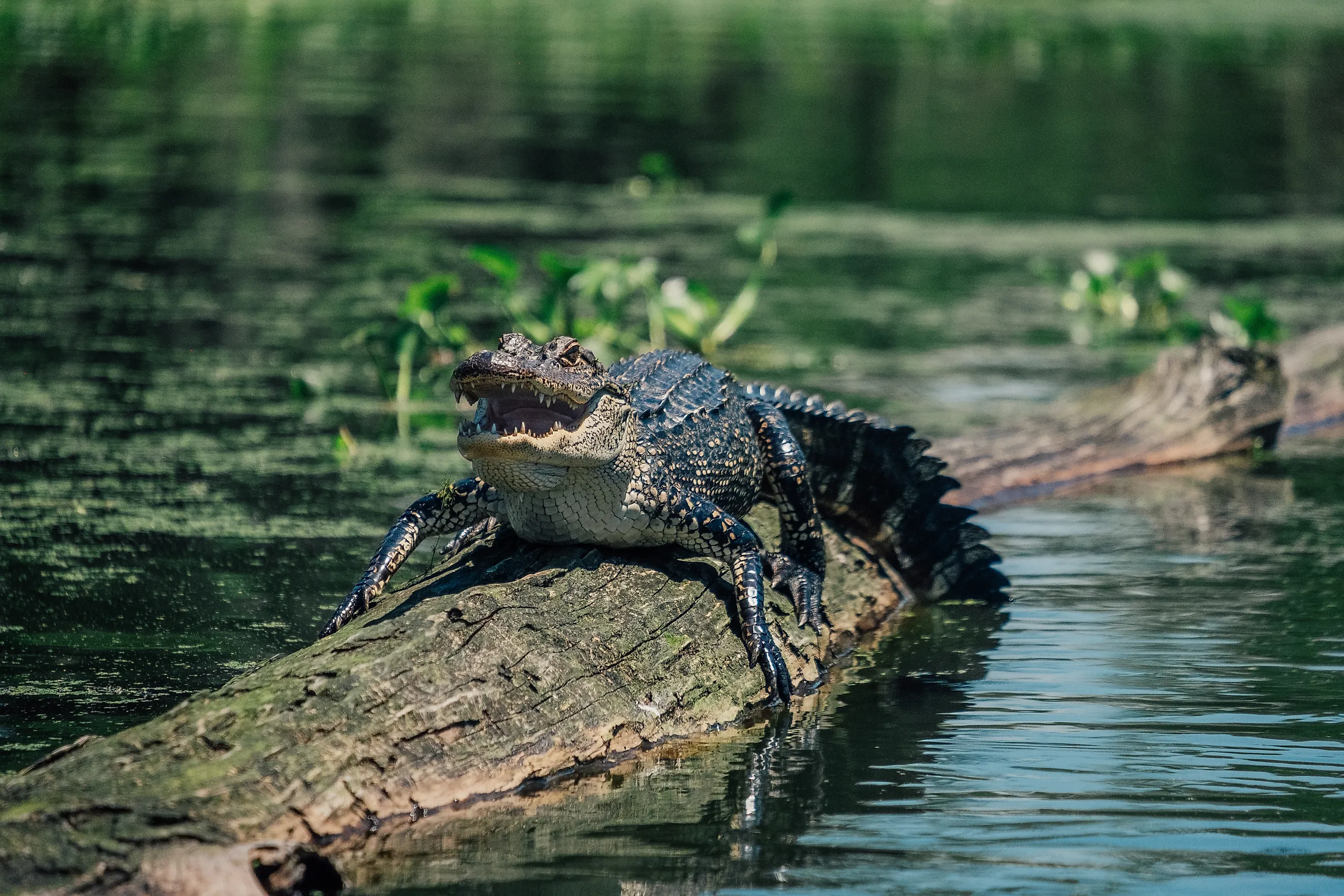
The thrilling route offers many stops along the way, including natural attractions, wildlife refuges, and restaurants serving authentic Cajun and Creole cuisine. The Wetland Walkway at Sabine National Wildlife Refuge is just one of many that enhance any adventure along the route, offering an up-close view of wildlife rarely encountered so close to major metropolitan areas. Alligators, butterflies, and over 300 species of birds have called this area home for thousands of years.
Creole Nature Trail Details
The Creole Nature Trail stretches 180 miles east to west, and you can start your adventure on the West Gateway in Sulphur (Exit 20) or the Eastern Gateway near Lake Charles (Exit 36). Sulphur is a small town, named for the area’s historic sulfur mining, and is a fun starting point to stretch your legs before setting out. The Adventure Point visitor center in Sulphur is a great place to start the trip, offering a knowledgeable staff and interactive Louisiana exhibits. The estimated time to complete the route is one to two days, but of course, one can spend as much time as they want in Louisiana's Outback, as there is plenty to see and plenty of restaurants and stores to keep the adventure going.
What to Pack
To make the most of your time on the trail, pack a few essentials for safety and comfort. Start your adventure with a copy of the Creole Nature Trail Experience Guide to serve as your compass. Louisiana's heat, humidity, and bugs are always a factor, especially around marshes and on trails. Be sure to pack plenty of water and electrolytes to stay hydrated, along with environmentally-friendly bug spray. Pack salty and sweet snacks that will keep you full, like peanuts and chocolate. Better yet, for an authentically Cajun experience, stop at a local grocer along the way, such as Chesson's Grocery or Lighthouse Bend, to stock up on cracklins and boudin. Chesson's doubles as a gas station, so make sure to fuel up. Both stops offer prepared foods, produce, and snacks. Although it is not a safety item, it is always a good idea to pack trash bags for yourself and any litter you may see on the trail. This is a respectful way to keep the route clean for aesthetic purposes and to protect the natural habitat.
Detours and Stops Along the All-American Road

The All-American road is packed with interesting stops and detours along the way, including Sulphur, a common starting point for many travelers. From the Adventure Center, head to Intracoastal Park over the Ellender Bridge to watch the commercial barges and ships plying their trades on the Intracoastal Waterway, a staple industry of this coastal region. There are many stops along the way, such as the Calcasieu Ship Channel and into the community of Cameron, a short ferry ride from the Peveto Woods Sanctuary. In true Louisiana style, there are many diners and other eateries along the route, so going hungry will not be a problem.
Where to Eat Along the Trail

Louisiana is known for many things, and its food is usually at the top of the list. There are close to 20 restaurants, food trucks, and convenience stores along the Creole Nature Trail. The stores are easy to spot, with Cajun names like Grab-N-Geaux, which offer hospitality and authenticity that add to the trail's adventurous spirit. Cameron offers Bayaks Country Store for fresh breakfast, fried chicken, and restrooms, and Anchors Up Grill for Po Boys and shrimp dishes. Lighthouse Bend, near Rutherford Beach, is a perfect lunch spot for those leaving from Lake Charles. Its relaxed atmosphere includes a stocked fish market, marina, and an open-air pavilion for those seeking true Louisiana comfort and friendliness.
Beaches

The Creole Nature Trail is home to 26 miles of shoreline, including Holly Beach. Dubbed "The Cajun Riviera," the rustic beach is located along the Gulf of Mexico and is one of only six beaches on the west side of the trail. Rutherford Beach, in Cameron Parish, is another unspoiled beach, filled with seashells, crabs, and birds, which makes a pleasant stop along the way. Little Florida Beach is on the west side of the trail near the Peveto Woods Sanctuary. Mae's Beach is considered the most rustic of the beaches and the closest to the Texas-Louisiana border.
Wildlife Refuges

The Creole Nature Trail is home to three federal wildlife refuges, one state refuge, and a coastal bird sanctuary, including the popular Sabine National Wildlife Refuge, which was established in 1937. The refuge is part of a collection of more than 560 refuges within America's National Wildlife Refuge System, located eight miles south of Hackberry. It occupies the marshes between Calcasieu and Sabine Lakes and contains a diversity of habitats, including freshwater impoundments, wooded ridges, levees, and bayous. Visitors can stroll the Wetland Walkway in the refuge to see the ecosystem and natural habitat. The Pevito Woods Sanctuary is approximately 40 acres of coastal chenier habitat that is used by as many as 2 million birds each year.

Cameron Prairie National Wildlife Refuge offers great opportunities for nature photography, especially in winter, when it serves as a wintering habitat for waterfowl and other birds. Local information about the refuge and the Creole Nature Trail is available at the Cameron Prairie Visitor Center during certain times of year, making it a popular stop. It is also popular for a nature walk at Pintail Wildlife Drive, where gators, birds, and waterfowl are often spotted. The Rockefeller Wildlife Refuge is near the town of Grand Chenier, offering a scenic drive along the four-mile Price Lake Road, which provides visitors with a close-up view of the marshland and its inhabitants. It should be noted that the road is closed from December 1 to March 1 for migrating waterfowl. Information is available online or at one of the visitor centers.
Unspoiled Beaches and Wildlife Await on the Creole Nature Trail
Louisiana's culture is as complex and friendly as its historical tapestry, and much of it was born in the bayous and marshes along the Creole Nature Trail. The trail is 180 miles of fun, adventure, and natural habitats untouched by the hands of time or commercialization. It is an authentic "outback" experience, within a short drive of the interstate or other major roads, which makes the adventure more relaxing. Along the way are several refuges featuring hundreds of bird species, alligators, and unspoiled beaches like Holly Beach and Mae's Beach.
The trail offers an insider's view of the region's inner workings, from its ecosystem to the friendly communities that have made this natural paradise their home. This image comes in clear at the unspoiled beaches and the roadside stands along the route. Often, the best way to experience a place is to head off-road, and the Creole Nature Trail allows its passengers to do just that, providing a truly unique and safe venture into a world that many do not know is there.