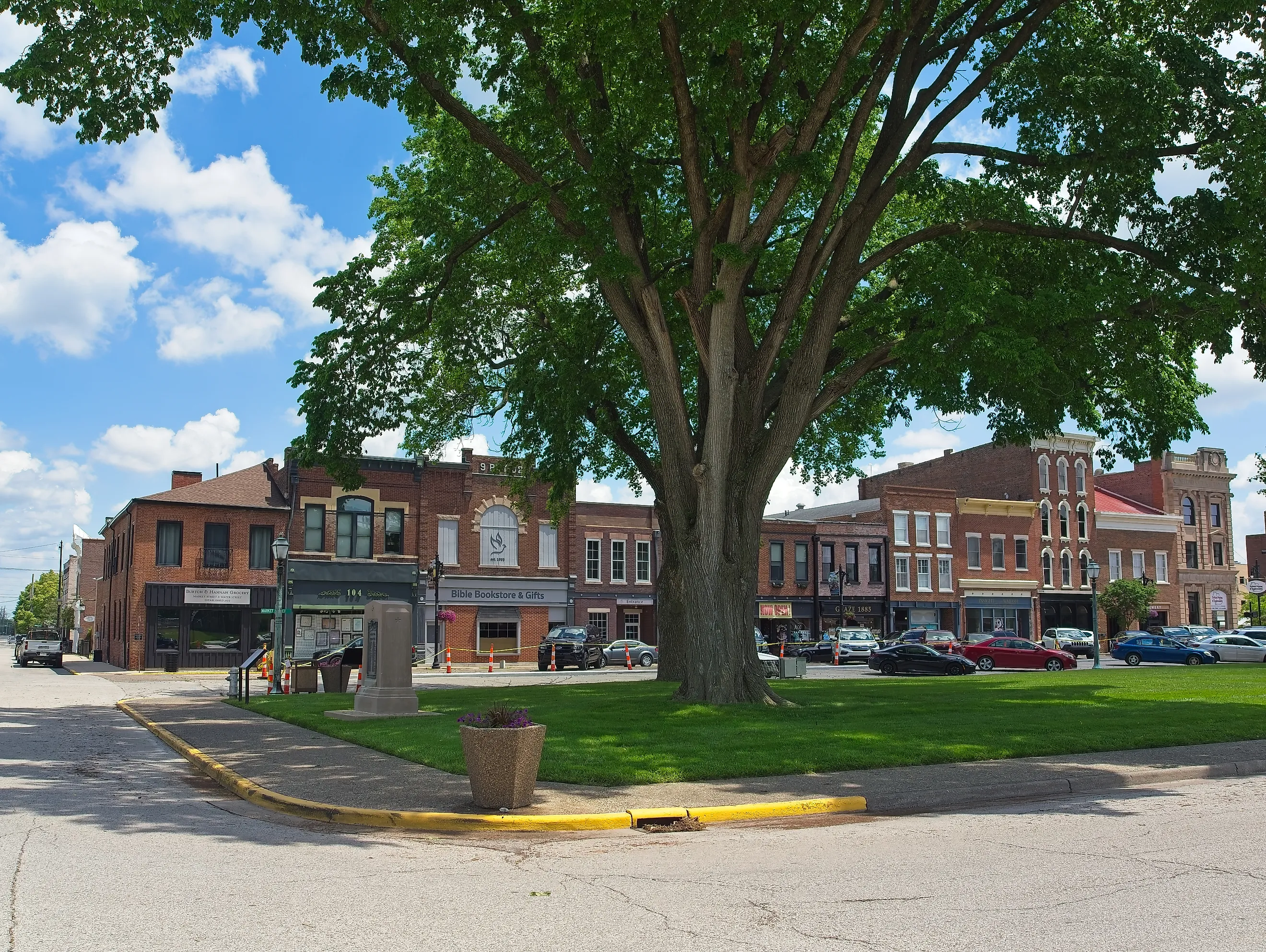
10 Storybook Towns In Indiana
These ten storybook towns in Indiana stand out for details like Revolutionary War sites from the 1700s and more than 30 covered bridges still standing in a single county. In places like Madison, visitors can walk through one of the largest historic districts in the state, while Vincennes reveals Indiana’s earliest history through Revolutionary War landmarks and rustic buildings. Other towns tell their stories through local traditions, such as festivals in Franklin. The 10 towns below show how Indiana's smaller communities turn their early history into places that feel timeless.
Franklin

Franklin's best stories are heard during one of its festivals. This town, just south of Indianapolis, is home to Festival Country, which hosts events celebrating all aspects of Franklin's creativity and culture. During the spring, artisans sell their handmade wares at the Spring Vintage & Handmade Fest, which hosts over 100 vendors in April. A few months later, in June, local artists take part in a fun, timed competition to create the best painting in 20 minutes at Canvas Clash. During the holidays, downtown Franklin is filled with holiday lights and a Winter Market. This event is full of festive charm, featuring Christmas movie showings, a lighted parade, a holiday cookie contest, and even visits from Santa Claus. Even if you don't visit during a festival, you can still find artistic treasures like a candle bar at the Grove Botany Boutique or create your own candle at the Woven Co. Candle Studio.
New Albany

New Albany's Main Street is one of the best in Indiana, with its views of Louisville, Kentucky, across the Ohio River, a row of mansions, and local breweries. Mansion Row is a restored historic district in New Albany, which includes the Culbertson Mansion State Historic Site and the Pepin Mansion Historic Bed & Breakfast. The Culbertson was built in 1867 for William Culbertson and his family, and is by far the most luxurious building in New Albany, with 25 rooms, painted ceilings, and a tin roof from Scotland.
Past the mansions, you'll arrive at the Ohio River Greenway, a paved walk with several nature trails running off of it that can take you on a long journey through Southern Indiana and across the Ohio River via a walking bridge in Jeffersonville, Indiana. Afterwards, you have a range of cute places to go eat, whether that's lunch at a tiny diner at Lady Tron's, or having a beer and a charcuterie board at the Floyd County Brewing Company.
Vincennes

Vincennes has some of the longest stories to tell of any Hoosier settlement, as it's the state's oldest. Founded in 1732 by the French, it was the site of a crucial battle in the American Revolutionary War between the British and the Americans led by General George Rogers Clark. Due to Clark's victory in that battle, the entire Northwestern Territory came under American control. His victory is honored at the largest monument west of Washington, D.C.: the George Rogers Clark Historical Park.
The stories don't end there, as Vincennes has several one-of-a-kind historic places, from the red brick Original Territorial Capitol Building from 1805 to the French House. This one was built by French immigrant Michel Brouillet in 1809 and is a rare example of a French Creole home made with upright posts. Vincennes was also the home of America's ninth president, William Henry Harrison. You can visit his 1804 home at Grouseland, a mansion that preserves many original furnishings and Harrison family possessions.
Madison

The streets of Madison have countless stories to tell. After all, Madison has one of the largest contiguous historic districts in Indiana, which grew from its location as a commercial stop on the Ohio River. Historic tales abound, and visitors can hear many tales of how Hoosiers fought the slave trade at the Eleutherian College, founded in 1848 by Neil Creek's Anti Slavery Society, or one can learn about a little-known part of horse saddles at the Schroeder Saddletree Factory Museum. This 19th-century factory produces saddletrees, a part of a saddle’s frame, and now offers tours showcasing how the industry works.
The beauty in Madison extends beyond its buildings to its most visited park: Clifty Falls State Park. By hiking the rugged cliffside trails here, you can see up to 4 waterfalls through the 4-mile Four Falls Challenge Hike. Just outside of Madison is one of the most scenic college campuses in the Midwest: Hanover College. Resting in a forest, the college offers panoramic views of the Ohio River, including all its bends.
Shipshewana

Shipshewana is a tiny rural community that has a large Amish presence. These Amish residents add a lot to Shipshewana, providing their food, culture, and cute buggies for tours. You can rent a buggy for a Buggy Lane Tour of the small town, leading you to the Menno Hof interpretive center. This large red barn boasts an authentic Amish kitchen, a recreated 17th-century sailing ship, and other Amish artifacts. You don't have to just look at vintage items; you can take one home for yourself at the largest flea market in the Midwest: the Shipshewana Flea Market. In order to see all of Shipshewana, you'll need to get out of your car and go off on the 17-mile Pumpkinvine Nature Trail, crossing through grasslands, Amish barns, and other rural sites. Those who don’t want to talk can also rent a bike from one of the many stores along the route, such as Shipshewana Bike Rental.
New Harmony

New Harmony's vibe is different from any other Indiana town. That's because New Harmony was founded by a strict religious community called the Harmonists, who aimed at creating a utopia for themselves ahead of the end of the world. The town was later acquired by the Owenites, a well-known utopian society focused on equality and education. The town today has by no means removed the evidence of these societies. Instead, it preserves and honors them. For example, New Harmony restored a Harmonist Labyrinth with a manicured hedge maze inspired by the original Harmonist gardens. There are also maintained houses where the members live communal lives, such as Community House #2. Several of the structures here were inspired by the old community's spiritual lives, such as the Roofless Church or the open-air garden and sculpture sanctuary known as the Jane Blaffer Owen Sanctuary.
Winona Lake

Winona Lake is an overlooked town where the entire culture revolves around the lake. Canoes fill the lake and the streams leading out of it right in the middle of the town. Citizens and guests alike make friends at the historic waterfront shopping center called The Village at Winona, which features a variety of businesses and cafes, from Pottery Bayou to Social Ice Cream and Sandwich Shop, named for all the good conversation that takes place there. The village area also features restored early-1900s buildings that once served the historic Winona Lake resort and conference grounds.
There are multiple ways to explore the lake, either by getting right on its beach via the Limitless Park & Splash Pad or by hiking through the woods around it at the Heritage Trail. This trail isn't a typical woodland trail; it also features artwork that represents the town's history and spiritual values. Nearby Grace College and Seminary sits along the lake’s shoreline, adding a quiet campus setting with lakeside views and walking paths that locals often use to enjoy the scenery.
Angola

Angola combines toboggan rides by the lake, a historic town square, and a race track, making it unlike other Midwestern towns. It sits in Steuben County, which has more than 101 natural lakes within its borders. The most visited lake here is Lake James, which is a part of the 1,260-acre Pokagon State Park. Interestingly enough, the best time to come here isn't during the summer but rather the winter, when it rolls out the only refrigerated toboggan course in Indiana, sending you down a 35 to 40 miles per hour trail.
In the town square stands a reminder of the sacrifice of Union soldiers from Steuben County during the Civil War: The Steuben County Soldiers' Monument. Standing at 70 feet tall, the monument memorializes the names of the 1,278 men from Steuben County who fought in the American Civil War. After you visit the town square, you can get a bit of Indy 500 thrills in a smaller track at the nearby Angola Motorsport Speedway.
Aurora

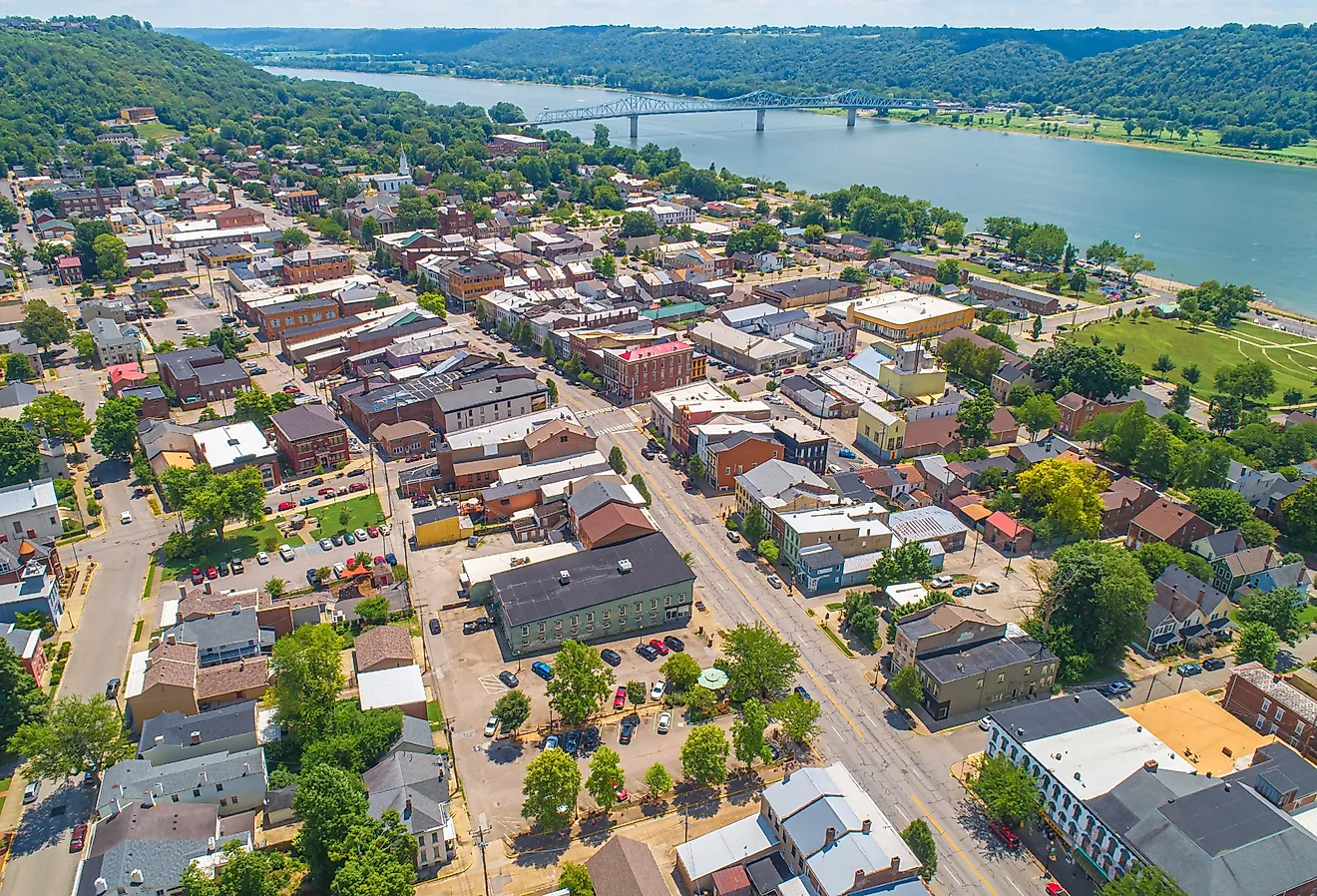
Aurora's name means dawn in Latin, which suits its cute river-town vibe. Residents will tell you the best place to view the sunrise or sunset is right on the Ohio River, near one of the riverwalk parks, such as Gabbard Riverfront Park, which also has a riverstage, or Lesko Park, with a walking path right on the river and picnic tables for a meal and good conversation. One of Aurora's best features is its walkability. You can walk right from downtown to the Hillforest House. This 1855 structure was built for Scottish business owner Thomas Gaff by the architect Isaiah Rogers, the father of the modern hotel. This mansion has many stories to tell, from its preserved Victorian furniture, clothes, and bedrooms. Once you leave this mansion, you can eat at one of the town's local restaurants, such as Third and Main Restaurant, serving up deluxe steaks and burgers.
Rockville

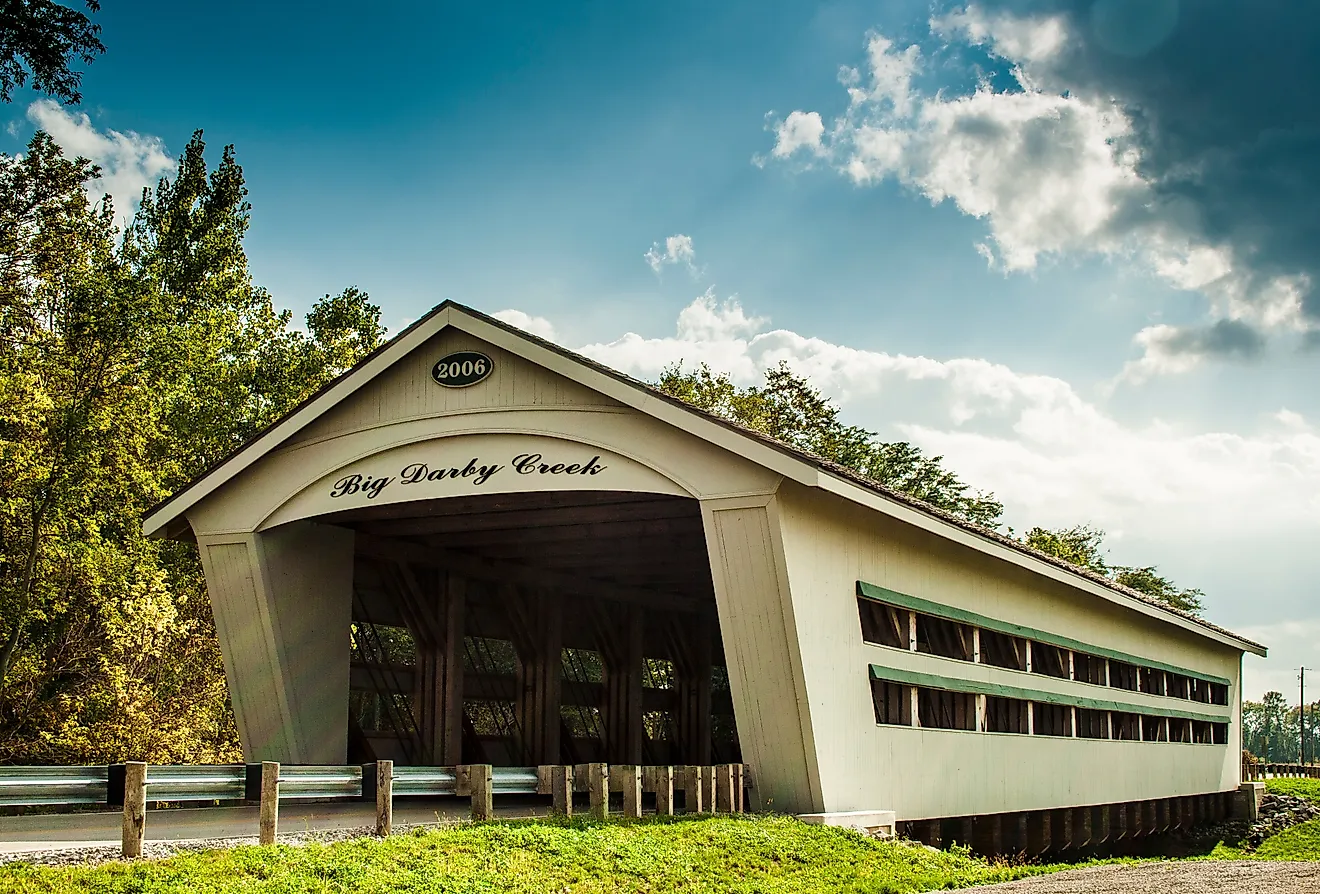
Covered bridges are an iconic Midwestern structure, especially because there are so few left. Rockville stands out as the Covered Bridge Capital of the World, with over 30 bridges still standing in Parke County. The entire county puts on the Parke County Covered Bridge Festival in many of its towns in October, offering tours of the structures, art, and vendors. You don't have to come during the festival to see these bridges; you can see some of the best preserved ones at the Billie Creek Village. The village is a reconstructed 19th-century village with a bridge that is still used by traffic: the 1895 Billie Creek Covered Bridge. The village provides a living history experience with an old-timey general store that still sells goods. In downtown Rockville, the Old Jail has been converted into an Old Jail Inn, where guests can check in to a cell and even dress up in an inmate's clothing.
Towns Straight Out Of A Storybook
If there's one common feature in all these towns, it's that they preserve and honor their history and all the stories that come from it. Madison honors the legacy of the antislavery advocates who fought to end the Southern slave trade, New Harmony keeps alive the serene atmosphere that their forefathers worked diligently to create, and Rockville proudly maintains its title of protector of the covered bridge. You can share in their history and stories by visiting these towns the next time you're in Indiana.