The Most Chigger-Infested Areas In The United States
The Most Chigger-Infested Areas In The United States
Come back from a summer walk in the South with a maddening cluster of itchy welts ringing your ankles, and you have almost certainly met chiggers. These near-invisible mites are one of the great nuisances of warm-weather America, but here is the important part up front: they are far more of an annoyance than a genuine threat. Some regions, though, are dramatically itchier than others. Here is where chiggers are most common across the United States, along with the reassuring truth about what they actually do to you.
What Chiggers Actually Are

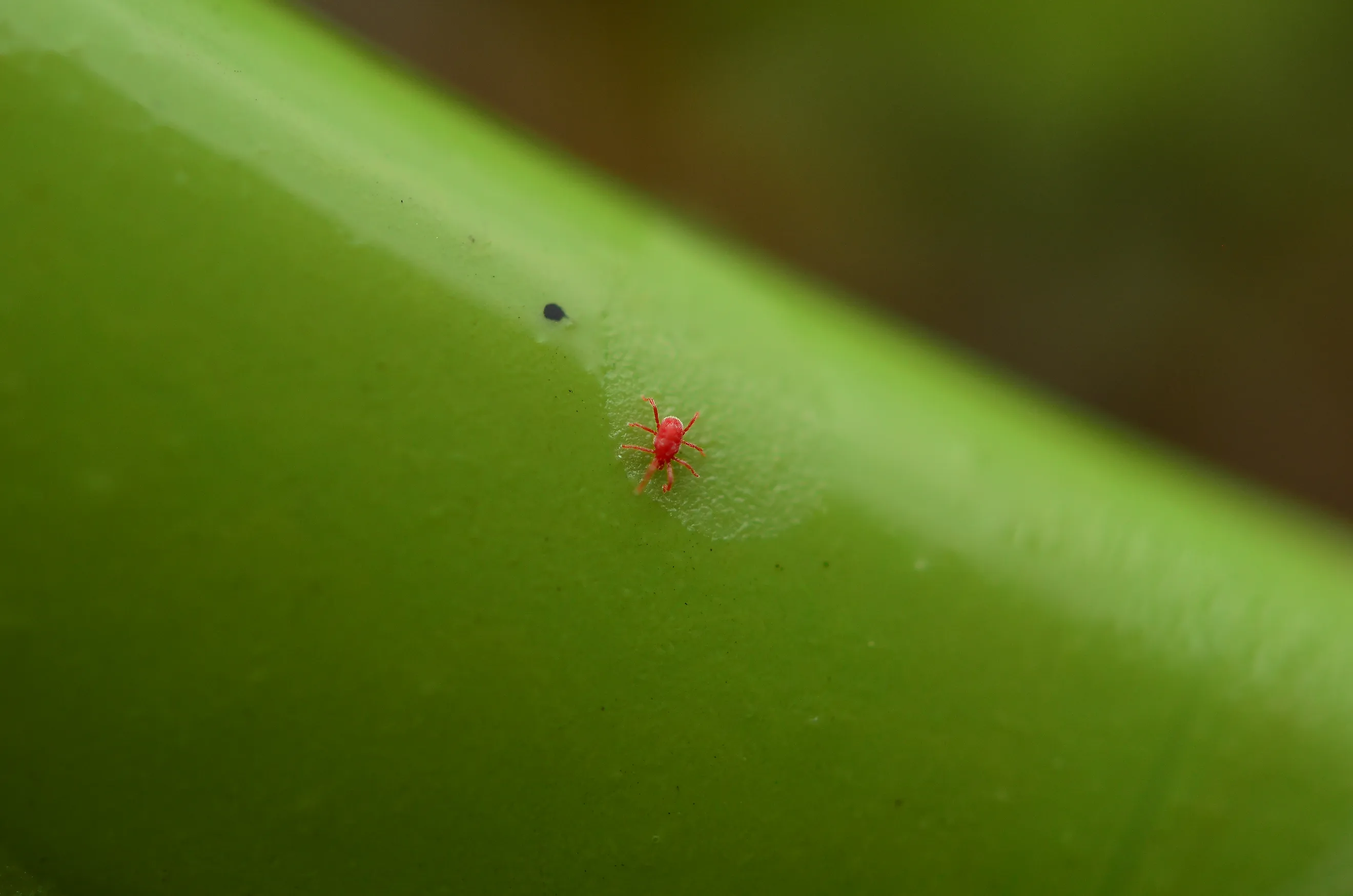
First, let's clear up what a chigger even is, because it is widely misunderstood. Chiggers are the larval stage of tiny mites in the family Trombiculidae, also called harvest mites or red bugs, and they are more closely related to spiders and ticks than to insects. At just 0.15 to 0.3 millimeters across, they are effectively invisible, and only the larvae bite. Now for the big myth: chiggers do not burrow into your skin, and they do not suck your blood. Instead, a chigger latches on, usually where clothing is snug, then injects enzymes that break down skin cells and feeds through a tiny straw-like tube called a stylostome. Your skin swells up around that tube, which is exactly what fools people into thinking the mite dug in. The chigger itself drops off or dies within a day or two. The itch, which annoyingly peaks a day or so after the bite, can linger for a week or more.
The Southeast: Prime Chigger Country

If chiggers have a capital, it is the Southeast. The warm, muggy climate across Georgia, Florida, South Carolina, Alabama, Mississippi, Tennessee, and North Carolina is close to perfect for them, pairing high heat with high humidity and thick, green vegetation. Chiggers are most active when temperatures sit in the upper 70s to mid-80s Fahrenheit, which describes a Southern summer almost exactly. In the Gulf Coast states, where the warmth and moisture stretch deep into autumn, chigger season can run from late spring all the way into November. If you spend time outdoors in the Southeast between spring and fall, encountering them is less a possibility than a near certainty.
The Ozarks and South-Central States

Right beside the Southeast in chigger notoriety is the south-central belt, taking in Arkansas, Missouri, Oklahoma, eastern Texas, Kentucky, and Louisiana. The Ozarks in particular are so famous for chiggers that "red bugs" are practically a regional institution. Here the mites concentrate in overgrown fields, weedy pastures, briar patches, and the edges of woods, and they are especially fond of clustering on logs, stumps, and large rocks, the same sunny perches where birds and lizards rest, giving them a good launch point to grab onto a passing host. A single afternoon clearing brush or berry-picking in this region can leave you thoroughly bitten.
Where Chiggers Are Rare

Because chiggers depend on warmth and moisture, large parts of the country get off relatively easy. The arid Southwest, the drier stretches of the West, the cool Pacific Coast, and the cold, high-elevation and far-northern regions all host far fewer of them. That does not mean they are entirely absent, as chiggers turn up nearly everywhere except the polar extremes, but a dry desert or a chilly mountain meadow is one of the least chigger-friendly places you can spend a summer. If you are hiking somewhere hot and humid with tall grass, stay alert; if you are somewhere cold and dry, you can mostly relax.
How to Avoid Them

Since chiggers lie in wait in tall grass, brush, and damp, low-lying vegetation, avoiding them is mostly about where you go and what you wear. In the warm months, give overgrown, weedy, or swampy areas a wide berth, or dress defensively: tuck your pants into your socks, wear long sleeves, and treat your clothing with permethrin or apply an insect repellent to exposed skin. The single most effective trick is what you do afterward. Because chiggers wander around on you for hours before settling in to bite, showering promptly after being outdoors and washing your clothes in hot water knocks most of them off before they ever get started. And if you do get bitten, expect the welts to cluster around your ankles, waistline, and the backs of your knees.
The Good News

For all the misery a chigger bite can deliver, the reassuring bottom line is that in the United States, chiggers are essentially harmless. Unlike some of their relatives in parts of Asia, American chiggers do not transmit disease, and the reaction to a bite is almost always mild and clears up on its own. Because they never actually burrow in, there is no need for the old folk remedy of dabbing bites with nail polish to "suffocate" them, which accomplishes nothing anyway. Just wash the area, do your best to resist the powerful urge to scratch, since broken skin can get infected, and let the itch fade over a week or two. Annoying? Absolutely. Dangerous? Not really. Do not let the smallest mite in America keep you out of the grass.