The 8 Best Chicago Neighborhoods To Call Home In 2026
Ask a Chicagoan where they live and they will name a neighborhood before they name the city. Forest Glen keeps big yards and quiet streets inside the city limits. Pilsen paints its heart onto building walls near the National Museum of Mexican Art. Hyde Park reads and argues in cafes around the University of Chicago. Edgewater sends residents to Foster Beach on summer evenings. Prices swing widely across these eight areas, so a budget stretches much further in some than others. These eight Chicago neighborhoods each make a strong case for where to put down roots in 2026.
Forest Glen

Forest Glen ranks among the safest places to raise a family on Chicago's far northwest side. Housing leans toward single-family homes with big yards, giving the area a suburban feel even inside the city limits. The median home sells for around $610,000, well above the citywide figure, a reflection of that detached-house stock. Several well-regarded public and private schools serve the neighborhood, and the Old Edgebrook District showcases early 20th-century homes on winding, wooded streets.
Residents walk the trails at LaBagh Woods and book weekend tee times at Edgebrook Golf Course. The North Branch Trail runs through on its way toward the Chicago Botanic Garden, and Forest Glen Playlot Park anchors the smaller everyday outings. All that greenery makes the area feel removed, but the drive downtown takes only about half an hour.
Beverly

On Chicago's far southwest side, Beverly holds onto a small-town feel while sitting well within the city. Tree-lined streets and a strong sense of community make it a draw for families and professionals, and the crime rate runs well below the Chicago average. The median home sells for around $395,000, which buys more square footage here than in most North Side neighborhoods.
Architecture is the neighborhood's calling card. A William and Jessie Adams House by Frank Lloyd Wright stands among works by his contemporaries, and the Beverly Unitarian Church occupies a stone building modeled on a medieval castle. The Beverly Arts Center programs concerts and classes, while Dan Ryan Woods offers space for hiking and cycling. Irish heritage runs deep here, most visibly at the annual South Side Irish Parade, and several Metra stations put downtown within an easy ride.
Pilsen

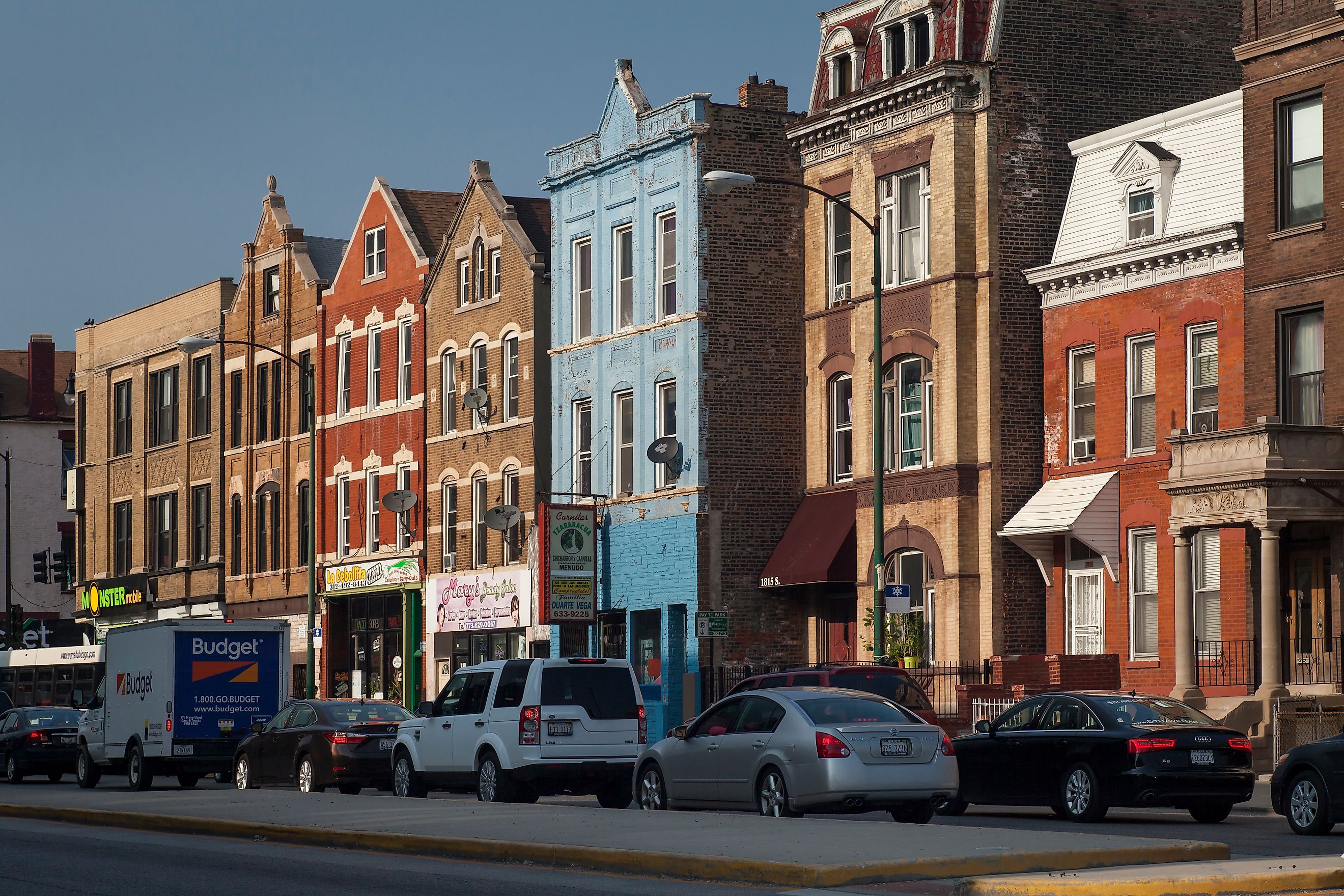
Color runs through Pilsen, from the muraled side streets to the galleries around the National Museum of Mexican Art. The neighborhood wears its Mexican heritage openly, and the annual Pilsen community art walk fills the streets each fall. Local favorites like Carnitas Uruapan draw lines for their food, while Thalia Hall, an 1892 music venue, hosts shows above the Dusek's restaurant and bar. The 18th Street corridor ties it together with shops and cafes.
Community efforts have helped bring down crime in recent years. Housing runs the gamut here, from vintage brick two-flats full of character to newer developments. The median home sells for around $500,000, and while prices have climbed above some Chicago neighborhoods, Pilsen still costs far less than downtown, which keeps drawing people who want an urban address without the downtown price tag.
Hyde Park

Hyde Park, home to the University of Chicago, pairs academic energy with cultural depth. Housing ranges from historic mansions to modern apartments, serving a mix of students, faculty, and long-term residents. The condo-heavy market keeps the median sale price around $300,000, though single-family homes command far more. Bookstores, cafes, and jazz clubs give the streets their intellectual and creative character.
The neighborhood holds the Kenneth C. Griffin Museum of Science and Industry, the largest science museum in the Western Hemisphere, renamed in 2024 after a landmark donation. Nearby, the Midway Plaisance stretches green between the campus quads, and the Osaka Garden sits on the Wooded Island in Jackson Park. The Sophy Hyde Park hotel and its lounge give the area a central gathering spot.
Logan Square

Logan Square is where old-school Chicago grit meets a newer creative streak. Murals cover the walls, and bars that once were dives now pour craft cocktails. Residents catch an indie film at the historic Logan Theatre, hear blues at Rosa's Lounge, or dig for vintage records at Logan Hardware. The neighborhood also holds the Illinois Centennial Memorial at its center, the St. Hyacinth Basilica to the north, and the Bloomingdale Trail for biking and jogging.
Crime has fallen here in recent years. The housing mix, a classic blend of greystones and modern condos, makes it a solid place to raise a family, and the stock keeps changing as demand rises. The median home sells for around $575,000, one of the higher figures on this list and a sign of how sought-after the area has become. Public schools serve the area, and the Blue Line gives commuters a direct route to jobs downtown and beyond.
Edgewater

Edgewater sits where city living meets the lakefront. Foster and Hollywood beaches are places residents actually use, not just scenic backdrops, and a strip of vintage shops, indie cafes, and old-school diners gives the area real texture. The Bryn Mawr Historic District preserves early 20th-century apartment buildings, while Berger Park pairs lake views with a pair of historic mansions. Broadway Armory Park, one of the largest indoor recreation centers in the city, runs everything from trapeze classes to community events.
Edgewater counts as one of Chicago's safer neighborhoods, which appeals to families and retirees alike. Housing ranges from brick walk-ups to lakefront high-rises, with single-family homes on tree-lined side streets. The median home sells for around $270,000, held down by the deep supply of condos, which makes lakefront living unusually attainable. The mix of quirk and calm is what makes people stay.
Bucktown

Bucktown mixes classic Chicago greystones, bungalows, and modern condos, which makes it a favorite among young professionals and creatives. The median home sells for around $700,000, the highest on this list, so buyers pay a premium for the location. Renters and buyers both find options here, and crime runs on the lower end compared with downtown, helped along by active community watch programs.
The neighborhood's southern edge is the Bloomingdale Trail, the elevated centerpiece of the 606 park network that runs west into adjoining neighborhoods. Division Street lines up brunch spots and cocktail lounges, and Milwaukee Avenue keeps shoppers busy with boutiques and record stores. Holstein Park draws families and pickup games on sunny days, and the Wicker Park and Bucktown gallery scene puts art within walking distance.
Portage Park

Portage Park, on Chicago's northwest side, offers affordability alongside solid amenities. The housing stock leans toward classic Chicago bungalows and two-flats. The median home sells for around $425,000, close to the citywide figure, which keeps the neighborhood within reach for buyers who want a yard and a garage. The namesake Portage Park gives residents a pool, playgrounds, and sports fields, which makes it a hub for families and anyone who takes fitness seriously.
The historic Portage Theater anchors Milwaukee Avenue, where a range of restaurants and shops keeps the strip busy. Public transit is close at hand, and Taft High School plus several elementary schools serve local families. Chicago's crime reputation precedes it, but Portage Park holds a relatively low crime rate, which makes it an appealing landing spot for young professionals and families alike.
Finding Your Fit
No two of these neighborhoods ask the same thing of a resident. Forest Glen and Portage Park trade downtown proximity for space and quiet on the northwest side. Pilsen and Logan Square reward people who want art and food at street level. Hyde Park suits the academically minded, Beverly the family settling in for the long haul, Edgewater and Bucktown the ones who want lake air or a walkable social scene. Where you land in Chicago comes down to which daily routine sounds most like home.