8 Most Rattlesnake Infested Areas in Oklahoma
Rattlesnakes turn up across Oklahoma, especially in the kinds of places people love to explore, rocky prairies, wooded ridgelines, and lakefront brush. The state is home to five rattlesnake species, including the western diamondback, timber rattlesnake, and prairie rattlesnake, and sightings are most common where cover and prey are plentiful. From boulder-strewn refuges and rugged panhandle mesas to busy recreation lakes and river basins, these are the eight most rattlesnake-infested areas in Oklahoma to keep on your radar.
Wichita Mountains Wildlife Refuge

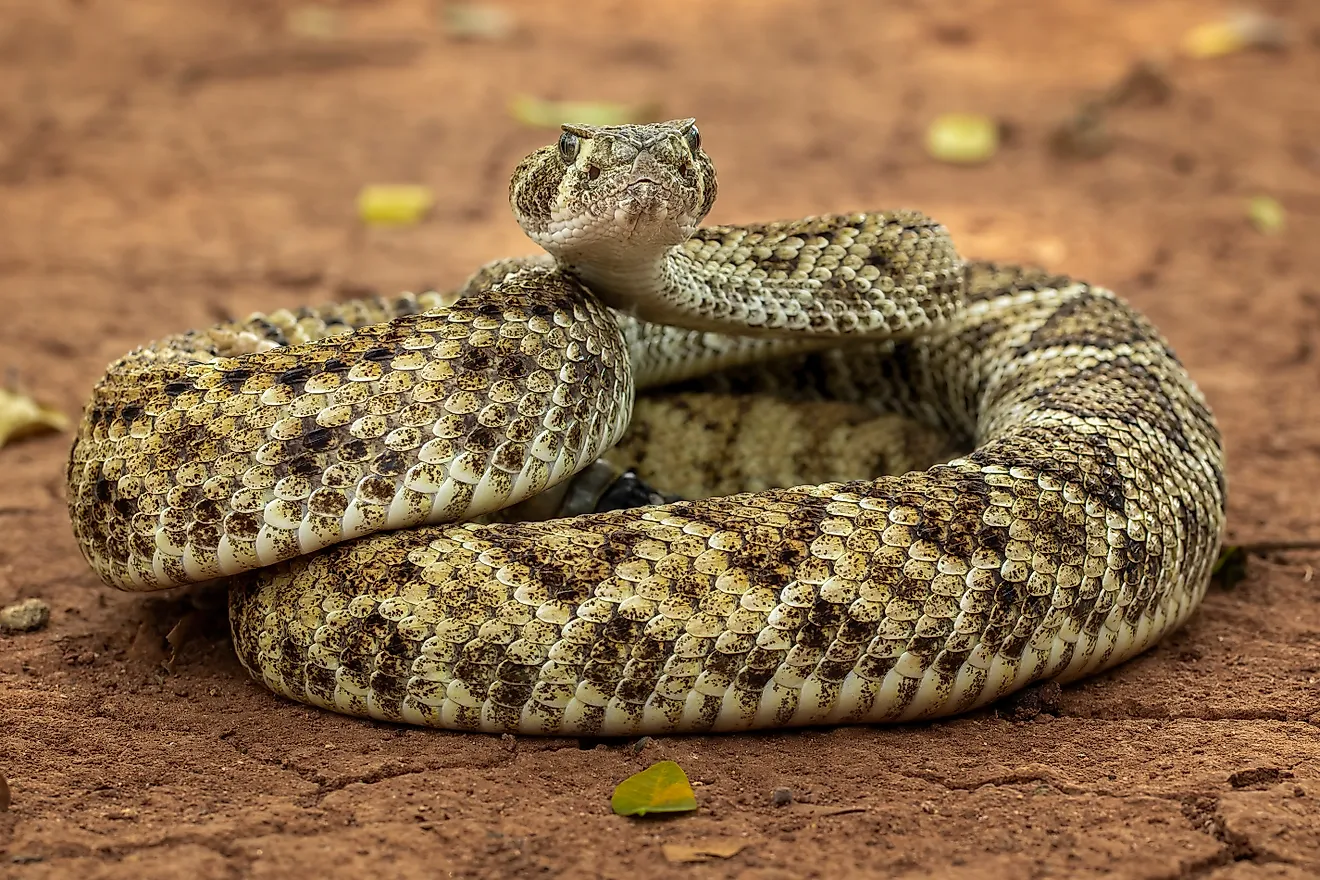
The Wichita Mountains Wildlife Refuge comprises 60,000 acres of mixed grass prairie, granite mountains, and freshwater lakes and streams. It is best known for its herd of free-roaming buffalo, Texas longhorn cattle, prairie dogs, and the Western Diamondback Rattlesnake. These Rattlesnakes can grow up to lengths of four feet and are capable of consuming prairie dogs, rabbits, gophers, ground squirrels, rats, and mice.
The reserve is full of opportunities for recreational activities such as rock climbing, bouldering, mountain biking, hiking, camping, and fishing. The Charons Garden Wilderness Area within the reserve is particularly suitable for bouldering due to the rugged and rocky landscape. However, caution should be exercised as rocky recesses are exactly the type of areas Western Diamondback Rattlesnakes will utilize as their dens.
Beavers Bend State Park

Beavers Bend State Park is on the shores of Broken Bow Lake and the Mountain Fork River. As expected, there are various chances for boating, canoeing, kayaking, fishing, water skiing, and river float trips. Beavers Bend State Park is popular year-round, with different activities and wildlife viewing opportunities, such as the chance to see Eagles between November and February.
The park is also prime Rattlesnake country, and in the past, park rangers have had to remove and relocate a Western Diamondback Rattlesnake. Rattlesnakes are crucial to the ecosystem as both predator and prey. They are a natural pest management, keeping levels of rodents under control, but are also preyed on by different birds of prey like owls, hawks, and eagles.
Black Mesa State Park

Black Mesa State Park is in Cimarron County within Oklahoma’s panhandle between Colorado, New Mexico, and Texas. Its name derives from the black lava rock which coated the mesa around 30 million years ago. It is now the highest point in the entire state of Oklahoma at 4,973 feet above sea level.
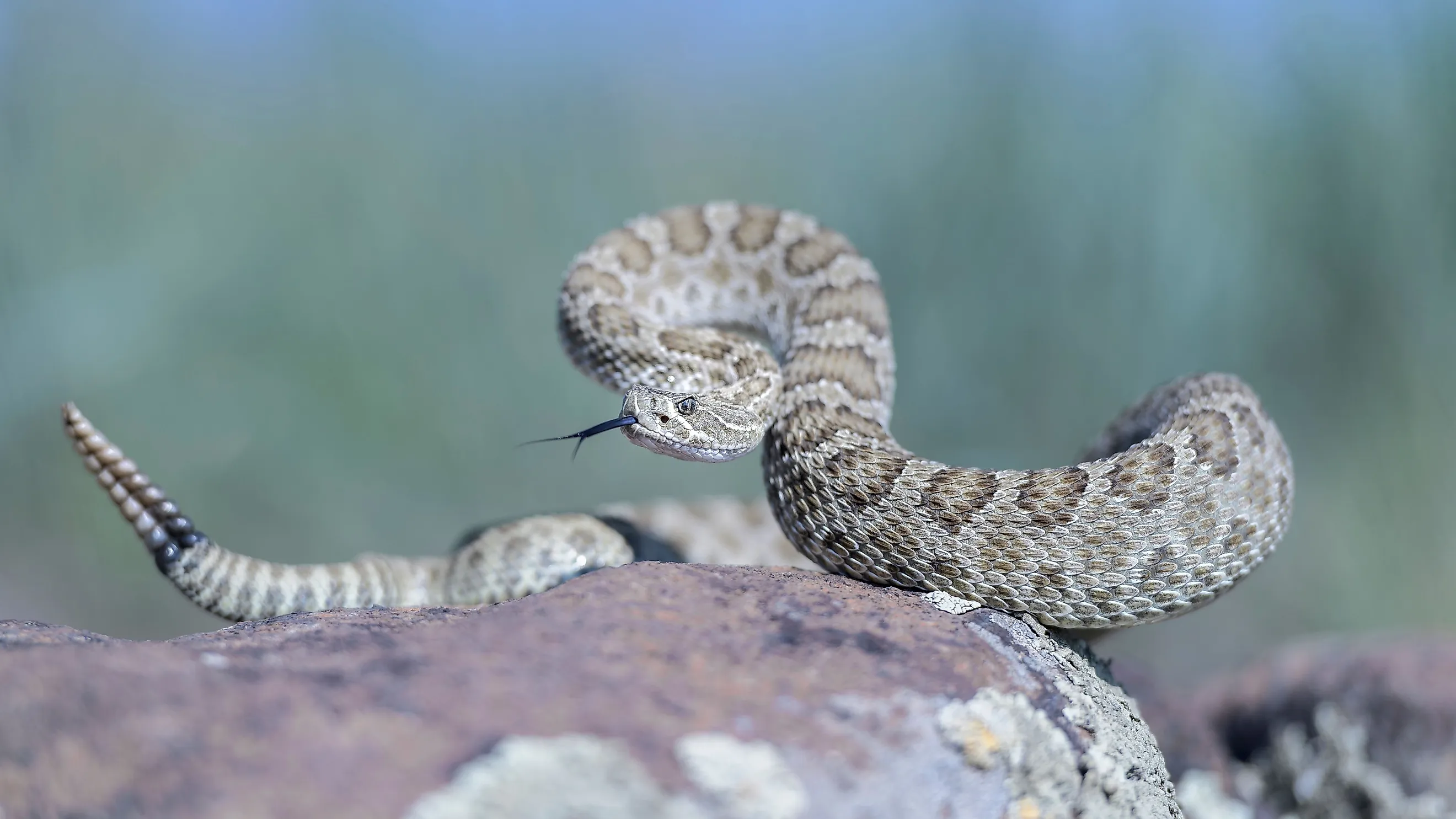
The park lures in astronomy enthusiasts due to its dark nighttime skies. This is particularly common in August when the annual Perseid meteor shower is visible. However, August is the peak rattlesnake activity period and snakes that frequent the park, like the Western Diamondback Rattlesnake and Prairie Rattlesnake, are often active nocturnally during bouts of hot weather. Prairie Rattlesnakes also feast on ground-nesting birds like Scaled Quail, which is a common bird observed in the park.
Great Plains State Park

Great Plains State Park showcases the diversity of Oklahoma’s landscape. Rooted in the foothills of the Wichita Mountains, the rocky and rugged terrain is a highlight of the park. The rocky terrain of the park is suitable for hiking, mountain biking, and rock climbing, whereas the shores of Tom Steed Lake are suitable for swimming, boating, fishing, and water skiing. Even history enthusiasts will enjoy the park, as the remnants of a 15-year-old abandoned mine are within the northeast corner of the park. However, there are Rattlesnakes that live in the park and are prevalent around the mine. Rattlesnakes often den communally in rocky areas such as caves over the winter.
Okemah Lake

Okemah Lake is a popular site for all water-related activities: fishing, swimming, and boating. The edges of the lake are lined with trees, which are perfect for relaxing and enjoying picnics. The lake is at its busiest during the summer when people will cool off on warm days, camp under the stars, and take their boat out of the water to go fishing. However, even in the middle of the lake, there is still a risk of Rattlesnakes.
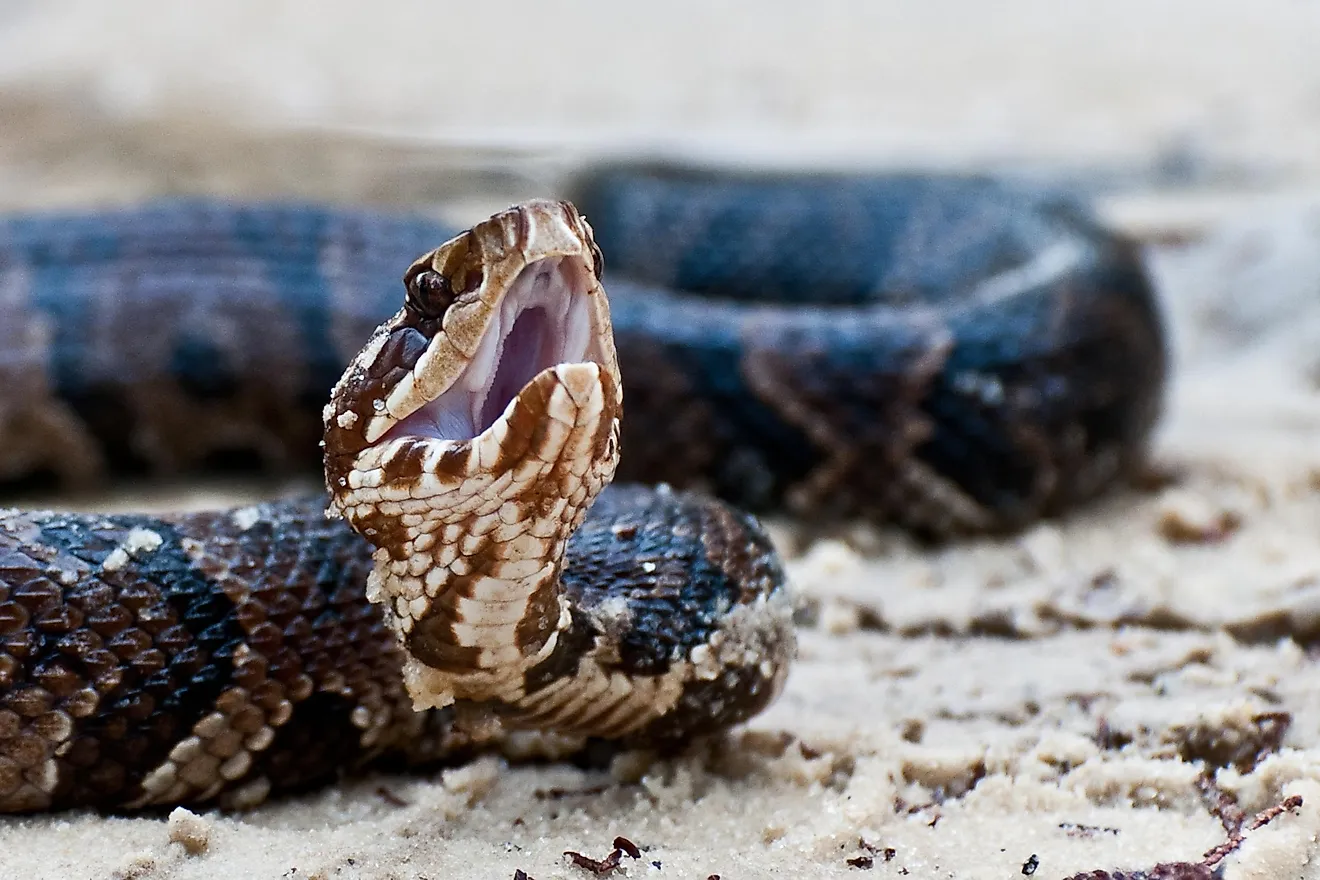
In 2023, a boater was out in the middle of the lake when they were bitten by a Western Pygmy Rattlesnake. This is the smallest species of Rattlesnake native to Oklahoma. Unlike other species, they do not require rocky outcrops as they are associated with riparian areas along the edges of lakes and bodies of water, like Okemah Lake.
Hugo Lake

Hugo Lake is on the Kiamichi River in southeastern Oklahoma. It has several sandy swimming beaches on it, 8,000 acres of open water for boating and water sports, 25,000 acres of land for hunting, and is surrounded by paved paths and roadways suitable for hiking, jogging, cycling, mountain biking and horseback riding.
There are several species of Rattlesnakes along the Kiamichi River Basin, specifically in the Hugo Lake area, including the Western Pygmy Rattlesnake, which has been recorded in seepage and marshy areas of lowlands. Western Diamondback Rattlesnakes and Timber Rattlesnakes have been observed in upland forests that were unrestricted by water.
Little River National Wildlife Refuge

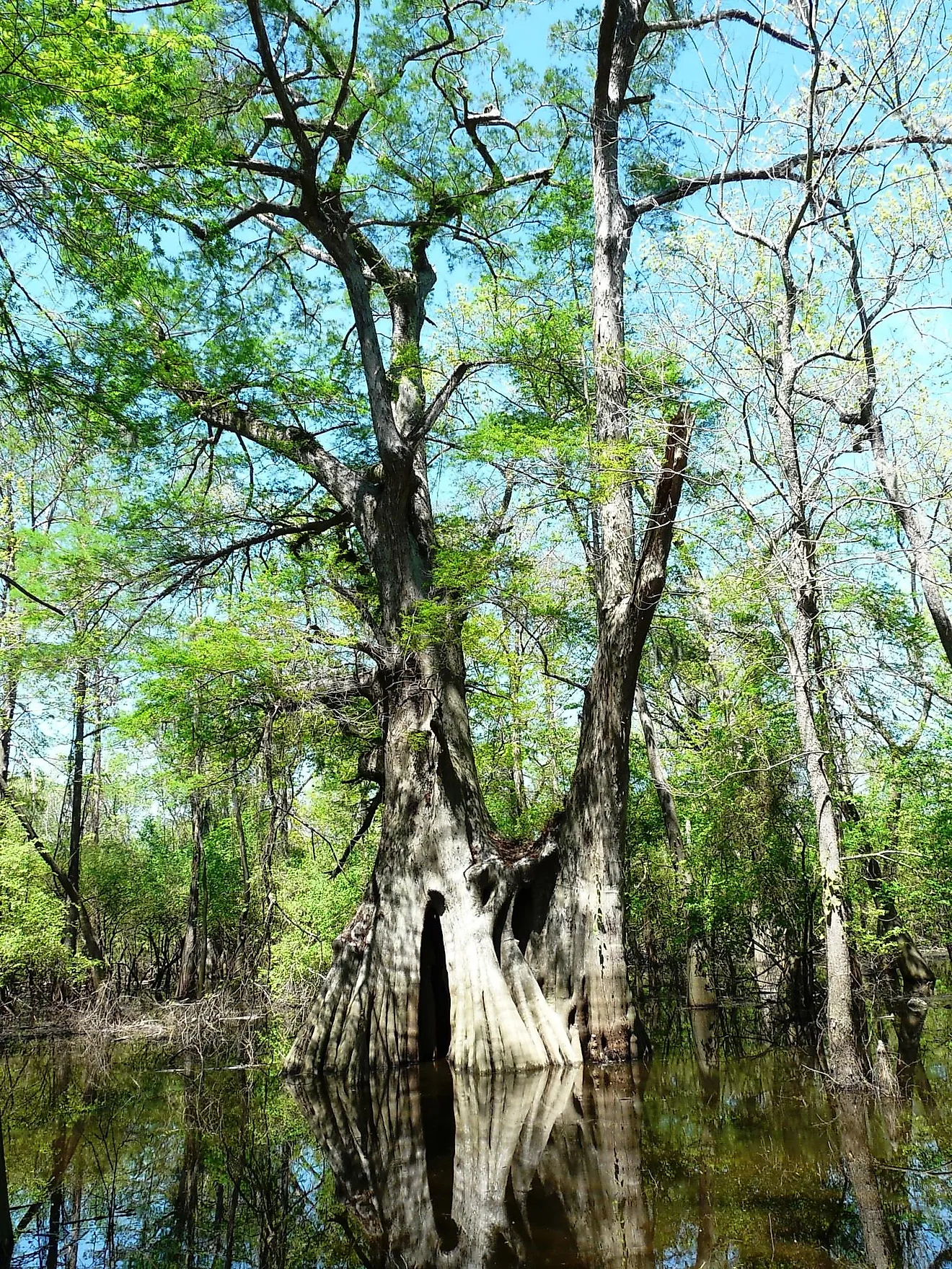
The Little River National Wildlife Refuge is one of Oklahoma’s largest bottomland hardwood forests. This 15,000-acre refuge in southeast Oklahoma is laced with creeks, sloughs, and oxbow lakes that create a wetland forest environment suitable for a diverse range of wildlife species and is optimal for wildlife viewing. Western Pygmy Rattlesnakes are accustomed to the edges of lakes and swamps and are known to inhabit the refuge. However, due to their coloration and tendency to lie motionless on the forest floor, they are difficult to spot.
Lake Texoma

Lake Texoma stretches 89,000 acres across the border between Texas and Oklahoma and is one of the largest reservoirs in the United States, and is the second-largest lake in Oklahoma. The lake has a myriad of activities to enjoy on and off the water, including fishing, water sports, swimming, camping, picnic areas, and hiking. Lake Texoma is home to many snakes, both nonvenomous and venomous. This includes three species of Rattlesnake: the Western Diamondback, Timber, and Western Pygmy. Rattlesnakes are by far the most dangerous venomous snake found at Lake Texoma due to their large size, high venom yield, and willingness to bite.
Stay Rattlesnake Safe in Oklahoma
While Rattlesnakes are ever-present across all of Oklahoma and feared by many, they should not prevent people from enjoying stargazing at Black Mesa State Park or sunbathing on the shores of Lake Texoma. Rattlesnakes are solitary animals that will actually actively avoid conflict with humans, only choosing to strike or bite if threatened or captured.
That being said, there are a few precautions for avoiding Rattlesnake bites, such as keeping your hands out of rocky areas, avoiding dense and thick shrubbery, wearing appropriate footwear, and never attempting to handle a Rattlesnake. This will ensure your day out hiking in a State Park or long weekend at the lake doesn’t end in a trip to the hospital.