8 Most Rattlesnake Infested Areas in Kentucky
Kentucky draws tens of millions of visitors each year, many of whom come to explore the state's waterfalls, Bluegrass plains, and canyon routes. However, many travellers and locals alike are unaware that Kentucky's parks, rivers, and nature preserves are also home to rattlesnakes. While very few people actually die of rattlesnake bites, they are frightening. Kentucky is home to two rattlesnake species, the timber rattlesnake and the much smaller pygmy rattlesnake, both of which live in parts of the state’s forests, bluffs, and rugged lake country. So it's good to be aware before you vacation where they live and take basic precautions to give them their space.
What Kinds of Rattlesnakes Does Kentucky Have?

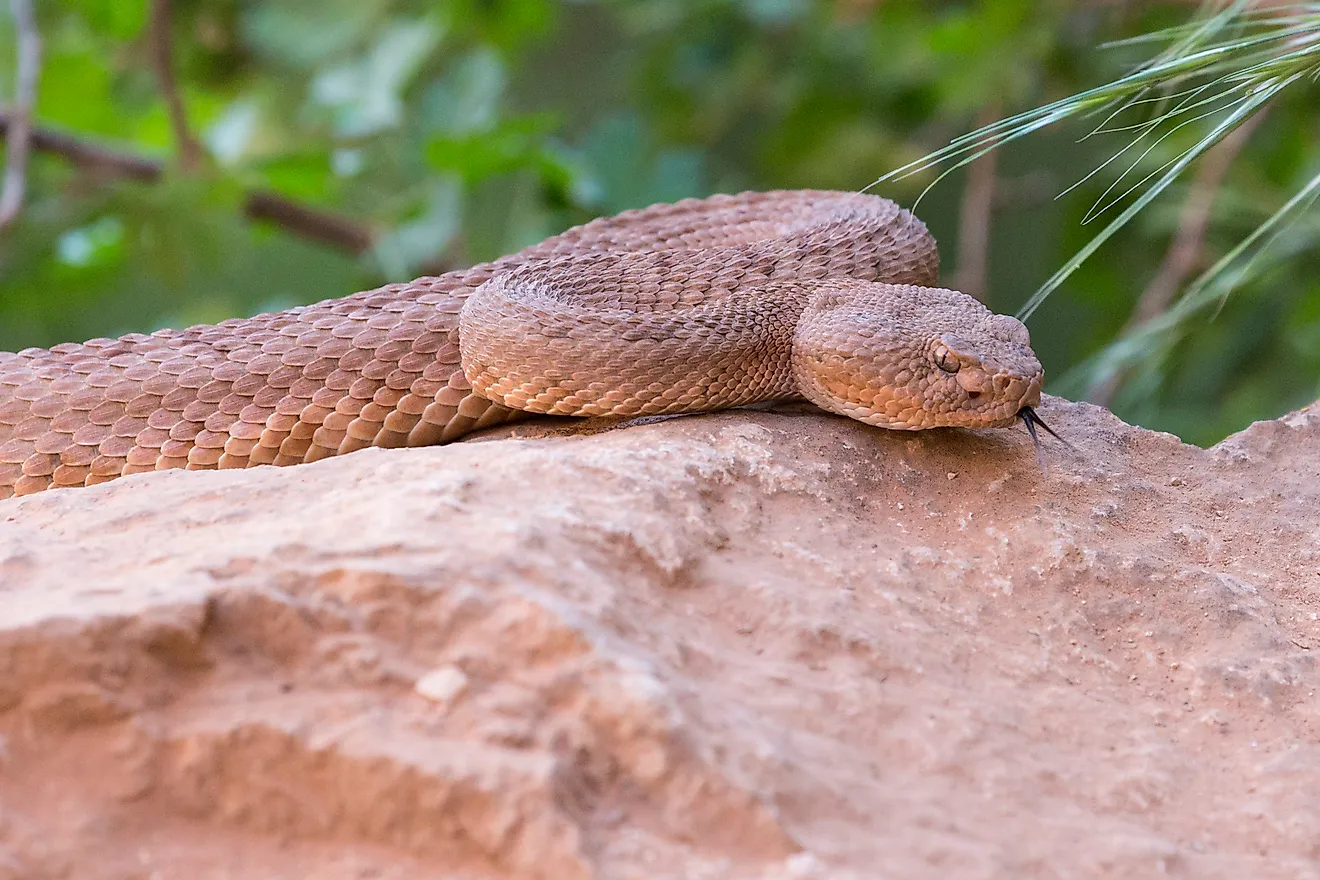
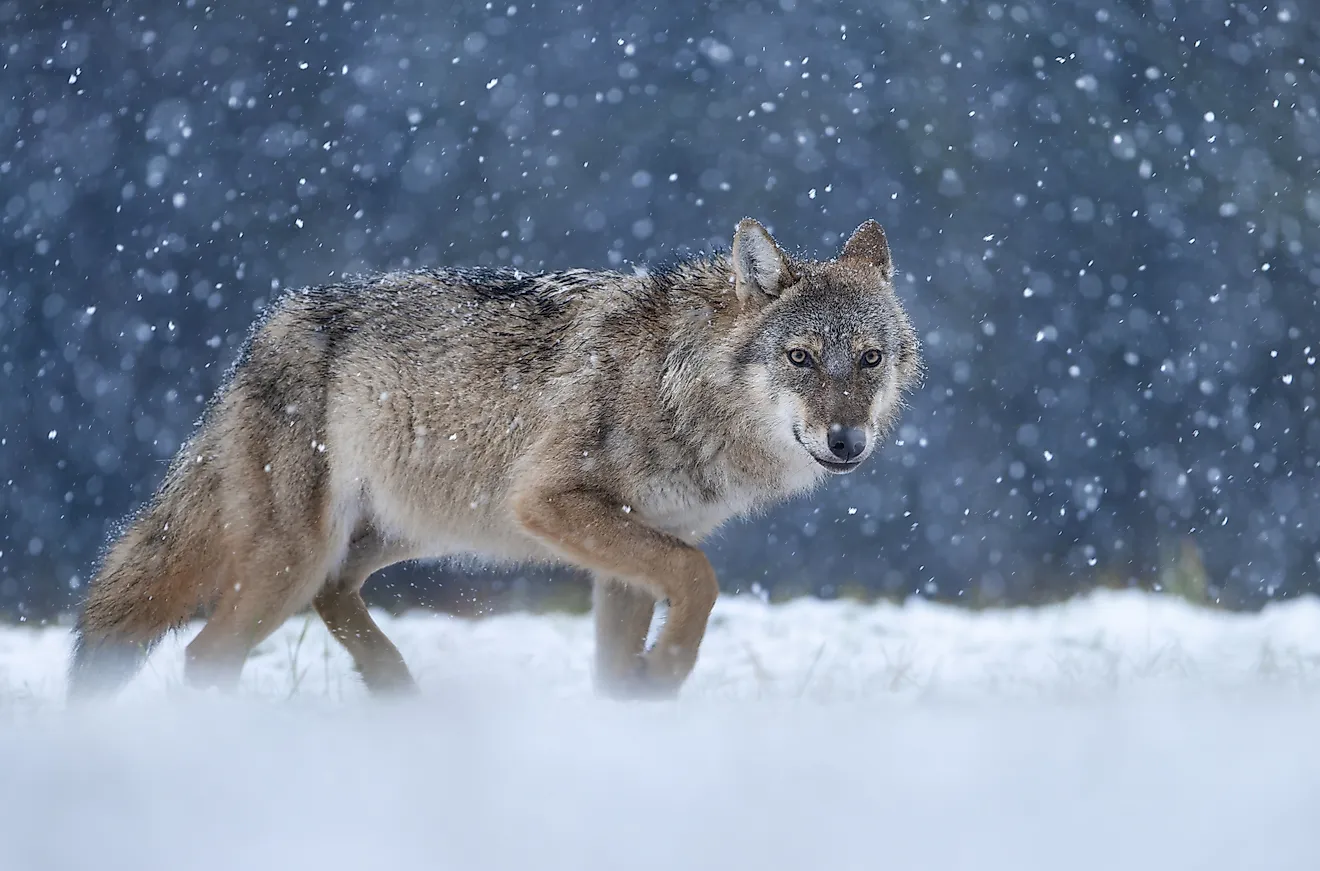
There are two varieties of rattlesnakes in Kentucky: the timber rattlesnake and the pygmy rattlesnake. The timber rattlesnake can be found across much of the state and is the larger of the two at 36 to 60 inches long with a grey or brown body and dark splotches. Like most venomous snakes, it has a triangular-shaped head with two heat-sensing pits. Its bite is quite venomous and can kill a human if left untreated. The pygmy rattlesnake is far smaller, averaging 16 to 24 inches in length, with a grayish body and dark black splotches. Its rattle is known to break off due to its small size. Its habitat is primarily limited to far western Kentucky, especially the Land Between the Lakes region. While neither of these snakes are particularly aggressive or social, you still might run into them during mating season or by accident.
Red River Gorge Geological Area

The Red River Gorge Geological Area is a Kentucky canyon formed by the Red River that stretches through an abundance of cliffs, sandstone arches, waterfalls, and caves. It's a 29,000-acre natural retreat that is one of the most visited spots for climbers seeking challenging climbs on the cliffs. Hikers also travel here to go to the smaller Natural Bridge State Park in the town of Slade. This sandstone bridge stands 65 feet high and 78 feet across and is accessible by trail or skylift. Slade is home to the Kentucky Reptile Zoo, which collects many venomous snakes, including the timber rattlesnake, a common species in the Red River Gorge.
These rattlesnakes are found throughout the park but tend to hang out in the wilderness areas away from the main trails. Hikers have still seen these as well as copperheads while backpacking through the gorge. In most cases, it is easy to avoid being bitten: simply leave them alone and don't approach or touch them. However, if you are bitten by a timber rattlesnake, you will likely be far away from an exit from the gorge, so it can be quite dangerous. When traveling through the backcountry, never hike alone, so you can send someone for help if you get bitten.
Ohio River

The Ohio River forms Kentucky's northern border with Indiana and Ohio. Its basin provides drinking water for many communities across Kentucky, but it's also a major source of outdoor recreation. There are many parks and hiking trails right along the river, such as Waterfront Park in downtown Louisville and Brandenburg Riverfront Park, which sits next to the Matthew Welch Bridge.
Although the river's ecosystems have suffered from pollution, it still hosts a diverse array of wildlife, from 47 species of freshwater mussels to the American paddlefish and snakes. You're very likely to see common watersnakes or ribbonsnakes along the river, both nonvenomous. The timber rattlesnake has also been spotted near the river and occasionally swimming across sections of it. Although it prefers drier environments, it can and will swim to cool off during the summer months before it slithers back into the river bluffs or forested areas along the river banks.

Cumberland Falls State Resort Park

Cumberland Falls is one of the most beautiful parks in Kentucky. Located near the town of Corbin, it features a spectacular waterfall, 125 feet wide by 68 feet high, earning it the nickname the Niagara of the South. The Cumberland Falls Resort Park has several hiking trails winding around the waterfall, including one leading up to the 1937 Pinnacle Knob Fire Tower and another that connects with the larger Daniel Boone National Forest. Gem collectors come here to find minerals such as quartz and small garnets.
In the park, you might also find a timber rattlesnake diving into one of the creeks near the falls or hiding in the underbrush by a cliff. They remain hidden in hibernation during the winter but will emerge during the late summer and early fall mating season. The timber rattlesnake is noted for being more sedate than other rattlesnakes and prefers to flee if a human approaches it, or to coil up and shake its rattle to warn them.
Bernheim Forest and Arboretum

The Bernheim Forest and Arboretum sits near the town of Clermont, south of Louisville. It's an ecological sanctuary dedicated to preserving Kentucky's natural ecosystems, from knobs to woodlands and a 36-acre prairie. The forest also delights visitors with hidden treasures to discover, from a 75-foot Canopy Tree Walk to modernist sculptures and Forest Giants. The giants, designed by Danish artist Thomas Dambo, are made from recycled wood and inspired by Norse mythology. The forest runs on the philosophy of using natural materials to create fun spaces, such as the 17-acre Playcosystem, a children's playground made of natural materials that encourages unstructured creative play.
The forest's knobs and woods are good hiding spots for snakes, including the copperhead and timber rattlesnakes. It is especially important to keep a close eye on children when walking the trails of Bernheim, as these snakes can come out into the light to bask.
Land Between The Lakes National Recreation Area

The Land Between the Lakes National Recreation Area is a unique place that you won't find anywhere else. It's a 170,000-acre island peninsula, boxed in by Kentucky Lake and Lake Barkley. It was previously occupied by several different pioneer communities, who left behind more than 270 cemeteries in the park.
It sits between Kentucky and Tennessee, drawing in visitors from both states to hit the trails, go boating in one of the lakes, or take an off-road vehicle through the Turkey Bay OHV Area. The area also has several intriguing abandoned places, including a Silo Overlook, a retirement home owned by a riverboat captain that has since been nicknamed Hotel California, and a serene church hidden in the woods called St. Stephen's Church.
These abandoned places are ideal hiding spots for snakes of all kinds, including venomous copperheads, western pygmy rattlesnakes, and timber rattlesnakes. Although the copperhead is more common here, timbers have also been reported by both hikers and wildlife authorities alike.
Pygmy rattlesnakes are very easy to miss due to their small size and even smaller rattles. Unlike other pit vipers that dig their own burrows, pygmies will take ones that are dug by rodents or other creatures. Once they have set up their burrow, they tend not to travel far, but some will defend their homes aggressively if threatened. Unlike timber rattlesnakes, pygmies generally deliver less potent venom, but their bite can still cause serious injury and requires medical attention.
Big South Fork National Recreation Area

The Big South Fork National Recreation Area hugs the border of Kentucky and Tennessee and gets its name from the Big South Fork section of the Cumberland River. Over the millennia, these waters have carved out a magnificent place with gorges, sandstone bluffs, and woodlands.
The area is defined by adventure, especially with its climbers. It doesn't have as many traditional climbing routes due to its loose, soft rock, but climbers have regularly found their own way up the sandstone bluffs. Whitewater rafters regularly tackle the Big South Fork and its several tributaries, and hikers explore to find scenic waterfalls or arches at trails like Angel Falls Overlook and the Twin Arches Upper and Lower Loop.
However, would-be adventurers need to take precautions to stay safe while visiting the Big South Fork National Recreation Area, such as dressing appropriately to protect against the elements and wearing proper footwear to avoid snake bites. The region is known as a major hotspot for copperheads and timber rattlesnakes. In many cases, a hiker is more likely to step on a copperhead by accident, since these snakes freeze in place when threatened. However, chance encounters with a timber rattlesnake are possible, especially for hikers who venture off established trails.
Daniel Boone National Forest

The Daniel Boone National Forest connects to many of the parks listed here, and some are entirely contained within it, such as the Red River Gorge Geological Area. It is a massive place, at 708,000 acres within 21 counties in Eastern Kentucky. The forest is named after the explorer Daniel Boone, who made several daring journeys through the Kentucky wilderness in the 18th century.
With so much land to explore, the forest draws in more than 1 million visitors annually to hunt, hike, climb, fish, or just go out for a picnic. It's easy to get lost in the forest with its more than 600 miles of hiking trails, including the vast Sheltowee Trace National Recreation Trail, which traverses for 300 miles over to Pickett State Park in Tennessee in the south to Cave Run Lake in the north. One of the most challenging hiking areas in the forest is the Beaver Creek Wilderness, with its rugged cliffside walks and streams.
One scenic drive in the forest is Highway 192, nicknamed the Rattlesnake for its winding curves through the forest's foothills. Although drivers haven't reported rattlesnakes on the road, there are many timber rattlesnakes hiding in the trees or off trails in the forest. Multiple hikers have photographed timber rattlesnakes slithering across gravel trails. As most hikers come here during the summer, this lines up with the mating season for rattlesnakes, making it more likely that you will run into one of these fascinating, albeit dangerous, creatures.
Jefferson Memorial Forest

Many Louisville locals don't know there is a forest just 15 minutes south of the downtown strip. Jefferson Memorial Forest is a 7,500-acre urban forest that offers a peaceful escape from the city without a long road trip. The forest is the largest nature preserve in the city, home to 275 species of trees, shrubs, and ferns, and containing around 60 miles of hiking trails. Some of them are easy, like the Lake Mitchell Trail Loop, while others require more dedication, such as the one-way 6.7-mile Siltstone Trail, which traverses through a multitude of knobs before reaching the western end of the forest at Scott's Gap.
Local news reports an increase in the number of copperheads and timber rattlesnakes found in the forest. There have been reports of people being bitten by copperheads. Louisville wildlife experts recommend always wearing good footwear and keeping an eye on where you step, especially on the more remote trails in the forest.
It's a dangerous world for a snake

It's tempting to believe these snakes pose a great danger to us, because their bites can be painful and, in the case of the timber rattlesnake, even deadly. However, we pose a greater danger to them through careless or destructive actions, whether that's harming their ecosystem or directly harassing them. Experts and law enforcement agree that these snakes should be left alone, and people should be aware of their surroundings, stay on trails, wear appropriate clothing for the elements, and use good judgment to avoid stepping on or touching these rattlesnakes.