7 Most Rattlesnake Infested Areas in New Mexico
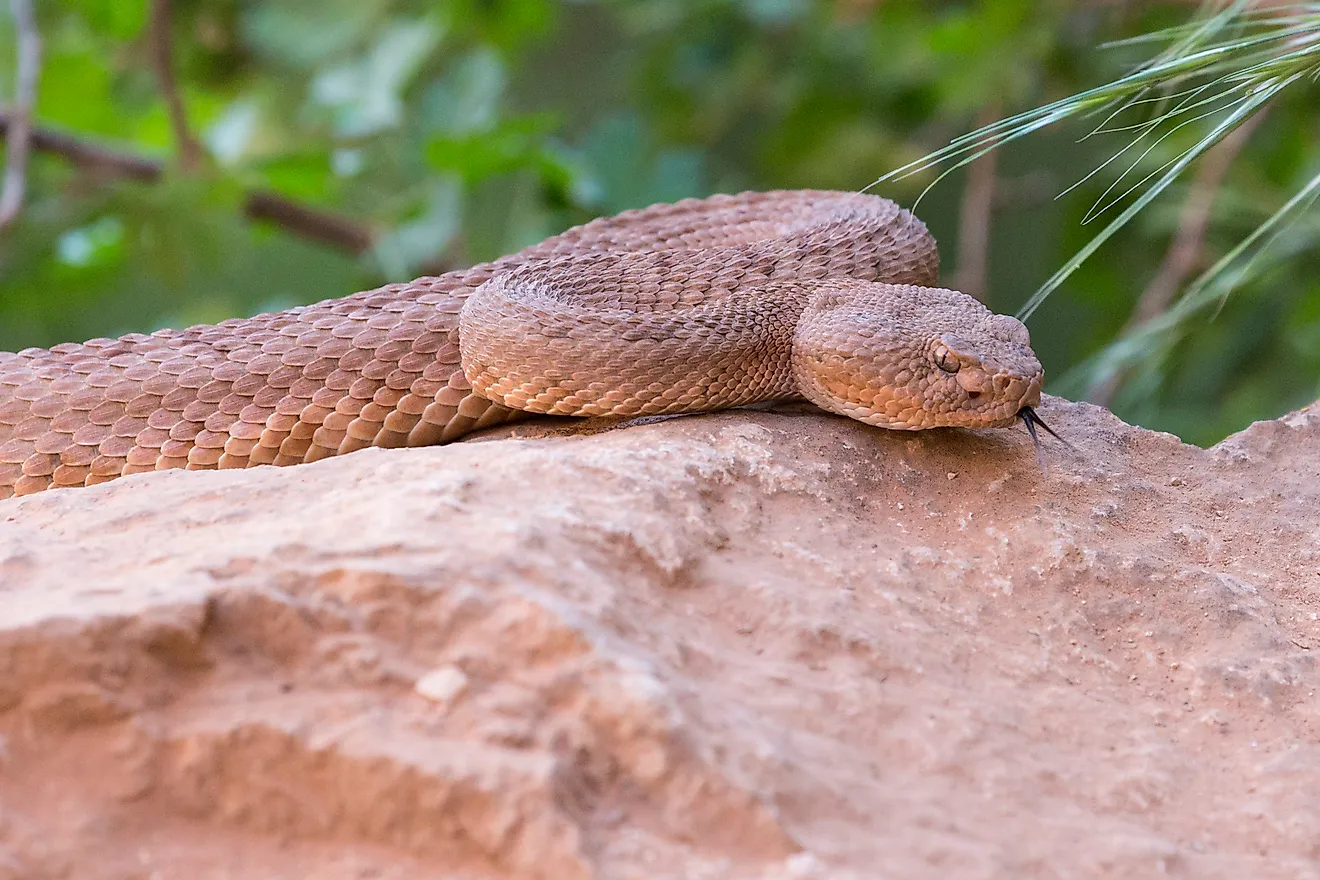
New Mexico is a playground for rattlesnakes. There are 10 different varieties of them, the two most common ones being the western diamondback rattlesnake and prairie rattlesnake. They turn up across the state, from the limestone slopes around Carlsbad Caverns in southeastern New Mexico to the mountain forests near Santa Fe and the Gila. In most cases, these snakes are no threat to humans, but a bite from any of these rattlesnakes can kill someone. That's why they are so feared in New Mexico, and that's why you should be careful when visiting these 7 most rattlesnake-infested areas in New Mexico.
Carlsbad Caverns National Park

This cave sits inside the Guadalupe Mountains, and has been stunning visitors for nearly 100 years with its massive limestone chamber called the Big Room. The Big Room is about 255 feet high and nearly 4,000 feet long, and the National Park Service describes it as the largest single cave chamber by volume in North America.
There are more than 119 known caves in the park, framed in prehistoric times by sulfuric acid that gradually dissolved the limestone. Visitors can also hike parts of the 100-mile Guadalupe Ridge Trail, which crosses Texas and New Mexico through Guadalupe Mountains National Park, Carlsbad Caverns National Park, Lincoln National Forest, and BLM land. On the park’s surface, 46 reptile species have been recorded; documented rattlesnakes include the western diamond-backed rattlesnake, northern black-tailed rattlesnake, and the state-threatened mottled rock rattlesnake. This last one is fairly small, no larger than 32 inches. Its color tends to blend in with the rock around it, so it's most likely to be grey to match the limestone in the park. Hikers can be bitten by these snakes, especially if they step on them.
Gila National Forest

The Gila National Forest is one of the oldest national forests in the U.S., established in 1905 and covering 3.3 million acres in Southwestern New Mexico. It consists of mountain woodlands and the Gila River with several wilderness areas, Pueblo dwellings, and accessible trails.
For example, hikers can go up to the Gila Cliff Dwellings, which were used by the Mogollon culture from the 1200s to the 1300s as a cave dwelling to escape the heat of New Mexico, or they can view the stars at the Cosmic Campground International Dark Sky Sanctuary. The forest has the accessible Catwalk Recreation Area, which goes through the Mogollon Mountains above the Whitewater Canyon.
The cliff dwellings provide cover for several species of rattlesnakes, including the western diamond-backed rattlesnake, western rattlesnake, and the black-tailed rattlesnake.
The black-tailed rattlesnake ranges in size from 28 to 48 inches and can be found in the canyons or woods around the cliff dwellings. They will typically hide in crevices and come out to hunt small mammals. Unlike other snakes, female black-tailed rattlesnakes are larger than males and give birth to live snakes rather than eggs. They are not usually aggressive towards humans.
Conchas Lake

Conchas Lake is a reservoir in San Miguel County, which was formed in 1939 by Conchas Dam on the Canadian River. At 25 miles long and 9,600 acres, it's one of the largest lakes in the state. Conchas Lake State Park is the primary entry point to visit the lake, with 6 boat ramps on site, a beach, playground, and camping sites.
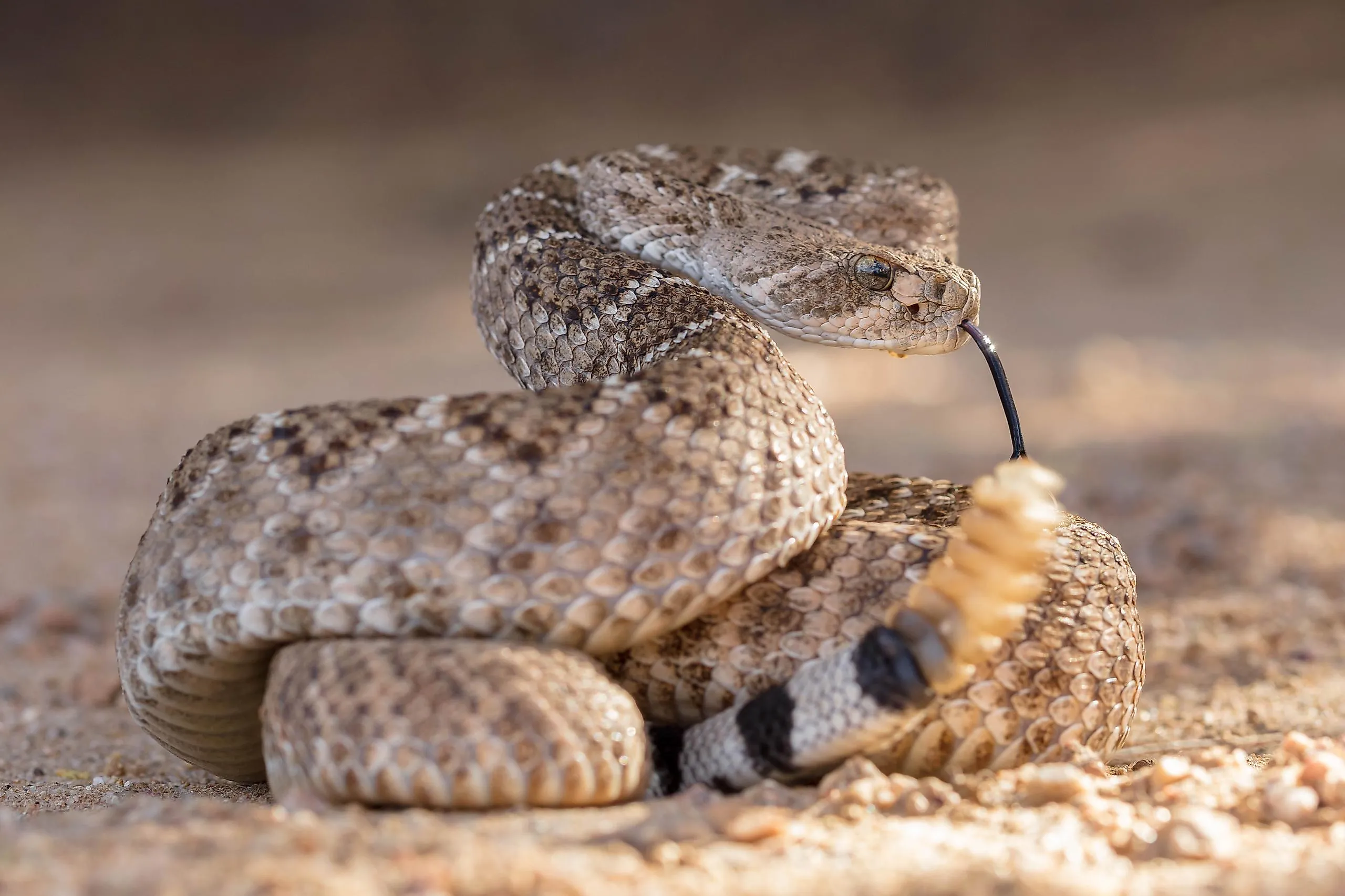
Fishing is another popular activity at the reservoir, with channel catfish, flathead catfish, bluegill, and crappie to catch. Although it is a freshwater reservoir in a semi-arid region, the surrounding habitat can support snakes such as prairie rattlesnakes and western diamondbacks. The western diamondback commonly reaches about 4 to 6 feet long and is generally regarded as the second-largest rattlesnake in the United States, after the eastern diamondback. It will coil up if confronted by a human and shake its rattle. Unlike other, more timid rattlesnakes, this one is less likely to flee and more likely to strike if a human ignores their warnings.
White Sands National Park

New Mexico is called the Land of Enchantment, and nowhere is this title more appropriate than at the White Sands National Park. Unlike other deserts, this park is decorated with white sand dunes, which were created by gypsum.
Visitors will travel to New Mexico just to hike up these gypsum sand dunes on the Dune Life Nature Trail loop or the more extensive Backcountry Camping Trail, which offers a better view of the wide landscape of these dunes.
Only the hardiest of creatures survive out in this desert, from the large nonvenomous Sonoran gopher snake to the western diamondback rattlesnake and prairie rattlesnake.
The prairie rattlesnake can grow up to 4 feet long and tends to live mainly in desert scrub. They tend to pick a den and stay in it to hibernate before venturing out in the spring to hunt. During the summer, they will wander around at night to avoid the heat. Their toxin contains a mixture of venoms, including hemotoxins and neurotoxins, which target tissues and the nervous system.
Elephant Butte Lake State Park

Centered on a roughly 36,000-acre reservoir, Elephant Butte is the largest state park in New Mexico. Located to the north of the quirky town of Truth or Consequences, it was created in 1916 by the Elephant Butte Dam, which was named after an elephant-shaped rock formation. The dam provides electricity to the area, while the park serves as a recreational area.
It's common to see kayaks, sailboats, ski boats, and other leisure vessels circling the waters of the lake, or a child attempting to make a sand elephant sculpture on the beach. Trails wind around the lake's shore, such as the West Lakeshore Trail. However, some lake goers have got more than they bargained for when rattlesnakes approach them. Local lore says a rattlesnake swam to an individual's boat, which would be like a western diamondback rattlesnake. These rattlesnakes can swim and often seek water to escape danger or cool off.
Rockhound State Park

Rockhound State Park sits in the site of an ancient volcano, and within it are many varieties of minerals like quartz, geodes, jasper, and others. For a long time, the region was mined for precious metals, and when it was established as a state park in 1965, authorities allowed the public to hunt for minerals themselves in the slopes and cracks in the Little Florida Mountains.
Other than minerals, people come here to hike through Spring Canyon, ascend the Lovers' Leap Trail or Agave Loop, or gaze at fields of wildflowers in the spring. As you go searching for minerals, make sure you don't accidentally grab a rattlesnake. Hikers have reported seeing multiple types of rattlesnakes in the park, including the western diamondbacked rattlesnake and the eastern black-tailed rattlesnake. Proper footwear is a must when visiting this park, as bites from either of these rattlesnakes can be fatal.
Santa Fe National Forest

The Santa Fe National Forest in northern New Mexico consists of 1.6 million acres of mountainous forests. The highest spot in the forest is Truchas Peak at 13,103 feet. One of the main entrances to the forest is within the city of Santa Fe, making it a popular nature getaway for residents.
Some of its hiking trails are right outside of residential areas, such as the Atalaya Trail, which begins at St. John's College and goes up Atalaya Mountain. Others are deeper in the wilderness, like the Hart Canyon Trail descending into the Rio Chama Canyon. One ridgeline trail is called the Rattlesnake Ridge Trail, although no one has reported seeing rattlesnakes on the trail, prairie rattlesnakes and western diamondback rattlesnakes both live in this forest.
These snakes will likely stay away from popular trails, but they can come out in greater numbers during the mating season of spring.
An Enchanted Land for Rattlesnakes
With so many rattlesnakes in New Mexico, it'd be easy to say that the land is a magical place for them to live. Although these snakes typically aren't aggressive, they can be quite territorial, especially the western diamondback. When hiking through the white sand dunes, getting lost in the Santa Fe National Forest, or even taking a boat out onto a reservoir, you should keep an eye out for these venomous snakes. After all, a magical trip can quickly be cut short by a snake bite.
One last tip: if you are bitten, don't try to suck out the venom, or apply any sort of ice, or constrict the wound. Instead, keep the area below heart level and seek medical attention as quickly as possible.