6 Tick Infested Areas In Oklahoma
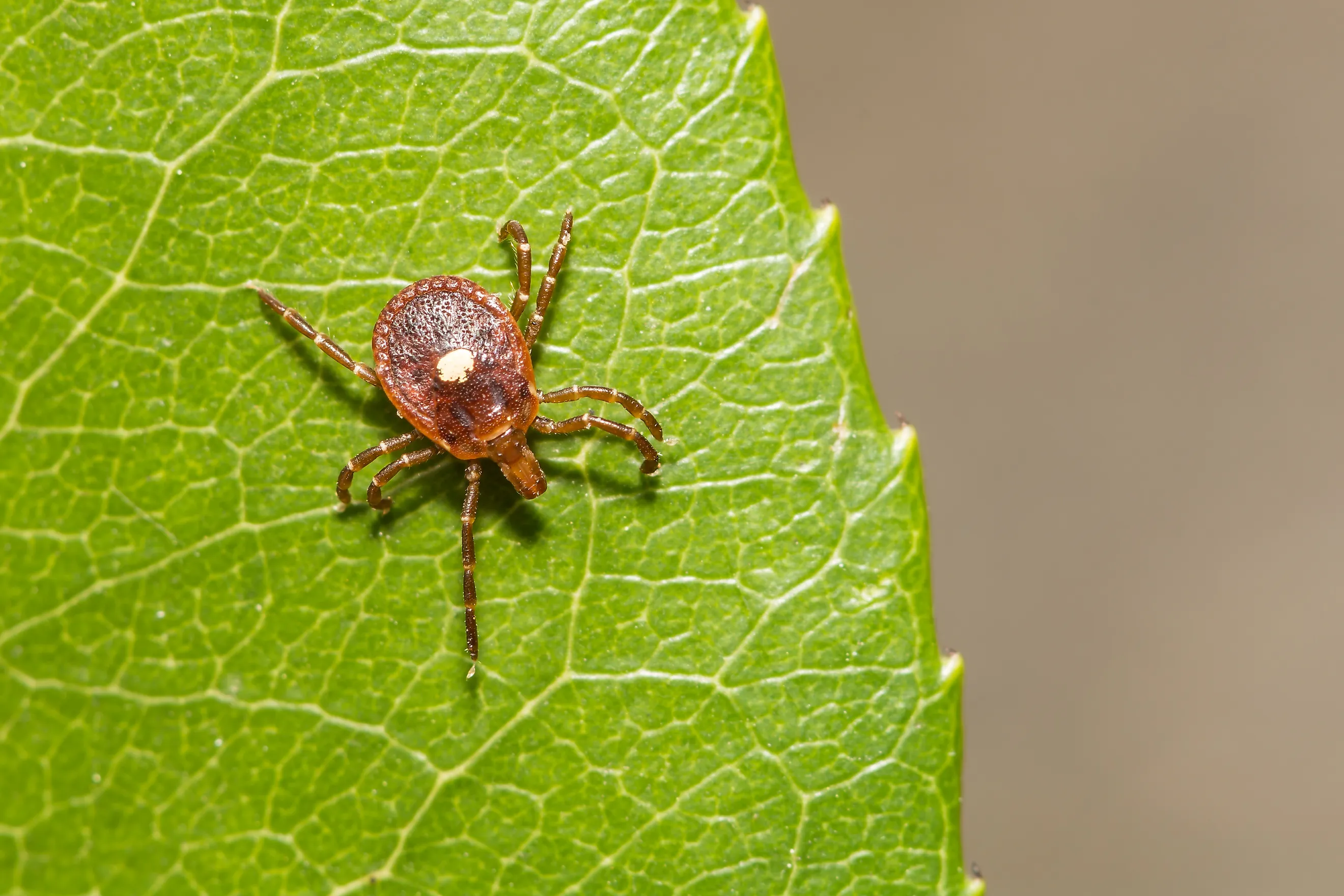
The lone star tick rules eastern Oklahoma and it hunts in swarms. Its nymphs are barely bigger than a poppy seed. Those tiny bites carry ehrlichiosis and tularemia and Rocky Mountain spotted fever. Oklahoma logs some of the nation's highest rates for all three. One bite can even leave you allergic to red meat for life. These six areas put Oklahomans closest to the swarm.
Sequoyah State Park

Set on the wooded peninsulas of Fort Gibson Lake near Hulbert in eastern Oklahoma, Sequoyah State Park sits in classic lone star tick country. The Ouachita and Ozark mixed forests here have a deciduous canopy, deep leaf litter, and abundant white-tailed deer. Those conditions give the lone star tick ideal places to quest in large numbers. Oklahoma State University tick studies across eastern Oklahoma's parks and forests consistently find this region among the heaviest for lone star tick collection. It sits in the same forest belt where much of the state's tick-borne disease activity concentrates. The diseases of concern here are ehrlichiosis, tularemia, and spotted-fever rickettsiosis. Eastern Oklahoma counties like Cherokee sit in the part of the state where that disease burden runs heaviest. That makes the park's shaded trails a genuine hot spot from spring through late summer.
Lake Thunderbird State Park

Lake Thunderbird State Park, just east of Norman, packs heavy year-round recreation into prime central Oklahoma cross timbers. The park has blackjack and post oak woodland, brushy edges, and tallgrass openings where the lone star tick does best. Miles of mountain biking, hiking, and equestrian trails run through oak leaf litter and grassy edges where nymphs wait to latch on. Human traffic peaks from April through August, the same window when the ticks are most active. Oklahoma State University sampling in the central Oklahoma cross timbers has found the lone star tick dominant here, confirming the area as an active, documented risk. Bites here can carry ehrlichiosis, tularemia, and spotted-fever rickettsiosis.
Lake Carl Blackwell near Stillwater

Few places put the threat in sharper numbers than Lake Carl Blackwell, west of Stillwater in north-central Oklahoma. It is one of the most intensively studied tick sites in the state. Over a two-year collection effort there, Oklahoma State University researchers gathered nearly 8,000 lone star ticks, the aggressive species that dominates Oklahoma. The surrounding mix of oak woodland, grassland, and eastern redcedar encroachment is exactly the brushy transitional habitat that supports heavy tick reproduction. Abundant deer hosts help sustain that population. Testing of adult ticks confirmed Ehrlichia species tied to ehrlichiosis. It also found Rickettsia species, primarily Rickettsia amblyommatis, whose human-health significance is still being studied. The timing makes the shoreline and trails especially tricky. Adults stay active from March through June, and nymphs stay active from March through August. That gives hikers, anglers, and hunters a long risk window that starts early in spring.
Southeastern Oklahoma and the Choctaw Nation

The forested southeast spans the Choctaw Nation reservation and the Ouachita country around towns like Poteau. This region carries some of the state's most actively documented tick risk. A joint Oklahoma State University, CDC, and Choctaw Nation Public Health surveillance program collected more than 2,000 ticks across the reservation over 2024 and 2025. The lone star tick was by far the dominant species. Tick testing confirmed disease-causing Ehrlichia in seven counties, Borrelia lonestari linked to the STARI rash in five counties, and Rickettsia bacteria. The American dog tick is also present and transmits tularemia. A 2024 CDC report ranked Oklahoma among the four states accounting for half of all U.S. tularemia cases. The documented diseases here are ehrlichiosis, Rocky Mountain spotted fever, and tularemia. Rising alpha-gal syndrome adds another concern.
The Cross Timbers and Central Oklahoma Parks

The Oklahoma City metro is not a refuge from ticks. Tick studies in residential and non-residential parks in Edmond, just north of the city, have found the lone star tick dominant. Researchers also confirmed that the American dog tick, Gulf Coast tick (Amblyomma maculatum), and blacklegged tick (Ixodes scapularis) now hold established populations in Oklahoma County. Testing in Edmond-area surveys has found some lone star ticks carrying Ehrlichia chaffeensis, the agent of ehrlichiosis. It has also found Rickettsia amblyommatis, a spotted-fever group bacterium of uncertain risk to people. The true Rocky Mountain spotted fever agent was not detected, so ehrlichiosis is the clearest documented concern in these urban ticks. These bites happen in neighborhood parks, backyards, and remote forest edges. Oklahoma State University researchers reported in late 2025 that eastern redcedar is now carrying lone star ticks west into the central and western grasslands. They found up to 66 times more ticks under redcedar than in open grassland.
Northeastern Oklahoma and the Ozark Plateau

Oklahoma's first confirmed Asian longhorned ticks (Haemaphysalis longicornis), an invasive species spreading across the eastern United States, were found in this far northeastern corner. Established populations were identified in Craig and Mayes Counties in 2024. They arrived in an area already thick with ticks. The Ozark Plateau rises here toward Arkansas and Missouri in dense oak-hickory forest, thick understory, and abundant deer. This dry deciduous habitat drives lone star tick density. The lone star tick and American dog tick are both well established. They carry the ehrlichiosis, spotted-fever rickettsiosis, and tularemia that Oklahoma reports at among the highest rates of any state. In these counties, long-standing Oklahoma tick threats now overlap with a newly arrived invasive species in the same woods.
Staying Ahead of Oklahoma's Ticks
Tick risk in Oklahoma peaks from May through August, when lone star nymphs are smallest and hardest to spot. Cases are reported in every month of the year. Residents in the eastern and central counties should treat clothing and gear with permethrin, use EPA-approved repellents, and do daily full-body checks after time in leaf litter, tall grass, or brushy edges. That includes yards and neighborhood parks. Oklahoma's main tick-borne disease threats are Rocky Mountain spotted fever, ehrlichiosis, and tularemia. After a bite, watch for sudden fever, headache, or rash and seek care quickly. These illnesses can become serious fast and respond best to early treatment. Watch for alpha-gal syndrome as well, the lone-star-linked red meat allergy that Oklahoma researchers report is climbing. The Oklahoma State Department of Health maintains current tick-borne disease information and reporting guidance through its Acute Disease Service. Oklahoma State University Extension offers tick identification resources for residents. In the six areas above, risk concentrates in the woods, trails, grassy edges, parks, and backyards Oklahomans pass through every day.