6 Most Shark Infested Beaches In North Carolina
North Carolina's beaches not only feature on local shark-infested beach lists, but some also make an appearance on world ranking lists. Emerald Isle has several historical shark-bite records and lies along a coast that is seasonally used by numerous shark species, although the risk to an individual visitor remains extremely low. Atlantic Beach was the site of a horrifying attack on June 2, 2019, involving a seventeen-year-old girl who had to have her leg amputated afterward. The Global Shark Attack File (GSAF) database lists 122 North Carolina incident records from 1853 through 2025, but that total includes more than confirmed unprovoked bites. Learn more about the beaches in North Carolina where you are likely to encounter the most sharks.
Emerald Isle Beach

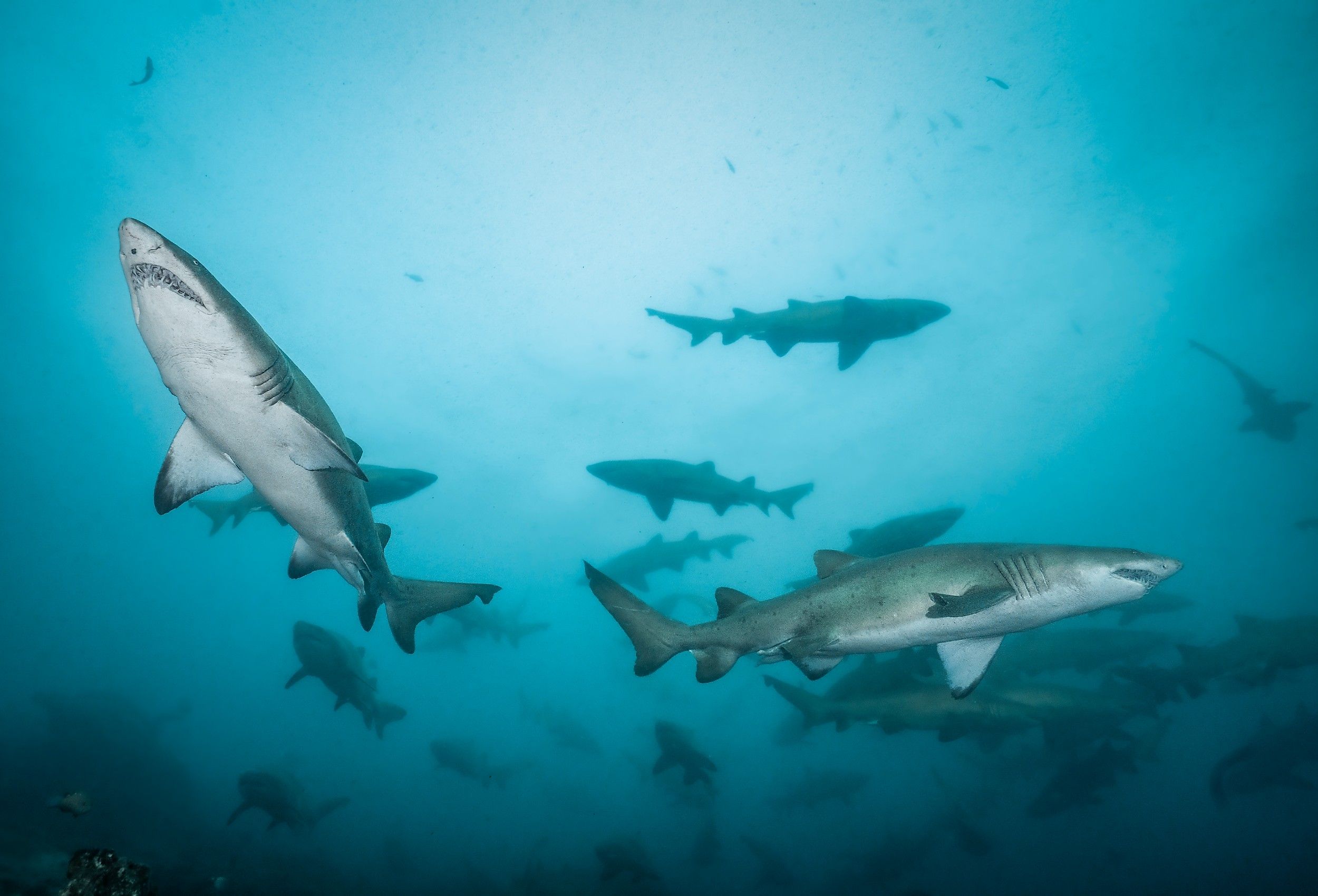
North Carolina's seawater is filled with more than ten shark species, which include the much-feared great white. Some tagged white sharks move north during the warmer months, while North Carolina records occur mainly in winter and early spring and are generally well offshore. It is not known exactly how many great whites there are in North Carolina, or how many of the other species swim in the waters off the beaches. But tag data shows that sharks are present in and near North Carolina every year. One GSAF-derived compilation attributes 10 records to Emerald Isle, eight of them unprovoked and two unclear. That count includes a 2020 incident in which shark involvement was never confirmed. Those attacked were either surfing or swimming, with the first attack taking place in 1971 and the last reported attack in 2020.
North Topsail Beach

North Topsail Beach has been making shark-infested beach lists for many years now. There was a lull between 2018 and 2024. Then, on June 23, 2024, a 14-year-old boy was bitten on the leg and ankle while standing in waist-deep water near Beach Access 4. The boy survived, underwent surgery to repair several tendons, and was expected to continue his recovery at home with physical therapy. Historical databases list several other nonfatal bites at North Topsail Beach and elsewhere on Topsail Island. Blacktip, spinner, and several hammerhead species all occur along the North Carolina coast. Inlets, sandbars, and schools of baitfish concentrate the prey sharks feed on, which is reason enough for swimmers and boogie boarders to take extra care near New River Inlet and over the sandbars.
Cape Hatteras Beach

Cape Hatteras National Seashore spans numerous Outer Banks beaches where blacktip and spinner sharks may occur. Tagged white sharks also pass through North Carolina waters, usually offshore and most often in winter or early spring. In September 2001, a man and his girlfriend were attacked by a shark south of Avon village. The man died of his injuries. His girlfriend survived. On June 26, 2015, a 47-year-old man swimming off Avon was bitten on the right leg and lower back. The next day, an 18-year-old man was bitten on both hands and his right calf in shallow water off Waves, farther south on the island. North Carolina's coastal waters host species, including Atlantic sharpnose, blacktip, sandbar, sand tiger, bull, spinner, and several hammerhead sharks, but their prevalence varies by habitat and season. There have also been sightings of the lemon shark, dusky shark, and silky shark. And, as with most other shark-infested beaches in North Carolina, the great white has also been spotted in the area. Diamond Shoals are shifting sand ridges shaped by strong currents and converging waves. The surrounding waters hold sea turtles and large schools of fish, the kind of prey that draws sharks in.
Ocracoke Beach

Ocracoke Beach sits on Ocracoke Island along the southern end of the Outer Banks. It draws thousands of visitors for its beauty and serenity, but is also rather notorious for shark encounters. There have been seven total shark attack incidents in the area. One of the most notable incidents happened on July 1, 2015, when a 68-year-old man was bitten repeatedly on his leg, hip, and torso. The shark that attacked him was described as 6 or 7 feet long and was swimming undetected in waist-deep water. It pulled the man underwater and inflicted serious injuries. Earlier records include a fatal incident at Ocracoke Inlet in May 1945, in which shark involvement was never confirmed. Ocracoke Island borders an inlet that many fish species move through, so it is worth staying clear of the channels and of any visible feeding activity.
Atlantic Beach

Atlantic Beach, on Bogue Banks, has registered eight unprovoked shark attacks over the years. In June 2019, a seventeen-year-old girl was severely injured and traumatized while swimming near Fort Macon State Park when what was later thought to be a bull shark latched onto her leg. Her father hit the shark over and over until it let go, saving her life. However, her left leg and two fingers had to be amputated. Other attacks include a 14-year-old surfer bitten twice on the right leg near the Oceanana Pier in August 2018 and an 11-year-old boy bitten on the left foot while surfing near Fort Macon State Park in 2016. Fishing bait, discarded fish, and schooling prey all draw sharks in close to piers, which is why surfers and swimmers are told to keep their distance from them.
Oak Island Beach

On June 15, 2015, a 12-year-old girl lost part of her left arm and suffered a severe leg injury in a shark bite near Ocean Crest Pier. Contemporary experts said a large species such as a bull or tiger shark may have been responsible. An hour and a half later, a 16-year-old boy was attacked about two miles away, roughly the same distance offshore. His left arm had to be amputated above the elbow. The unusual feature was not the sharks' presence in shallow water but the occurrence of two severe bites within roughly 90 minutes and two miles of each other. Authorities also confirmed after the incidents that Oak Island is generally a safe place to visit. Experts pointed to several factors behind North Carolina's cluster of bites that summer, among them drought-raised salinity, warm water, plentiful menhaden, and heavy beach crowds. None of it was ever tied specifically to the Oak Island incidents.
Staying Safe While Visiting North Carolina Beaches
The above-mentioned shark encounters and attacks sound dramatic, and they are. But it is crucial to note that while North Carolina's waters host several shark species, the risk of an unprovoked attack remains extremely low for the millions of people who visit the area every year. Many nearshore hit-and-run bites occur in low visibility and may involve mistaken identity, although shark-bite behavior and circumstances vary. Beachgoers can reduce their risk of an encounter by not entering the sea at dusk and dawn and by avoiding swimming or surfing near fishing piers and schools of fish. It is also best to steer clear of ocean channels and inlets. Following these basic rules makes a day at the beach that much safer throughout the state.