6 Most Rattlesnake Infested Areas in Wyoming
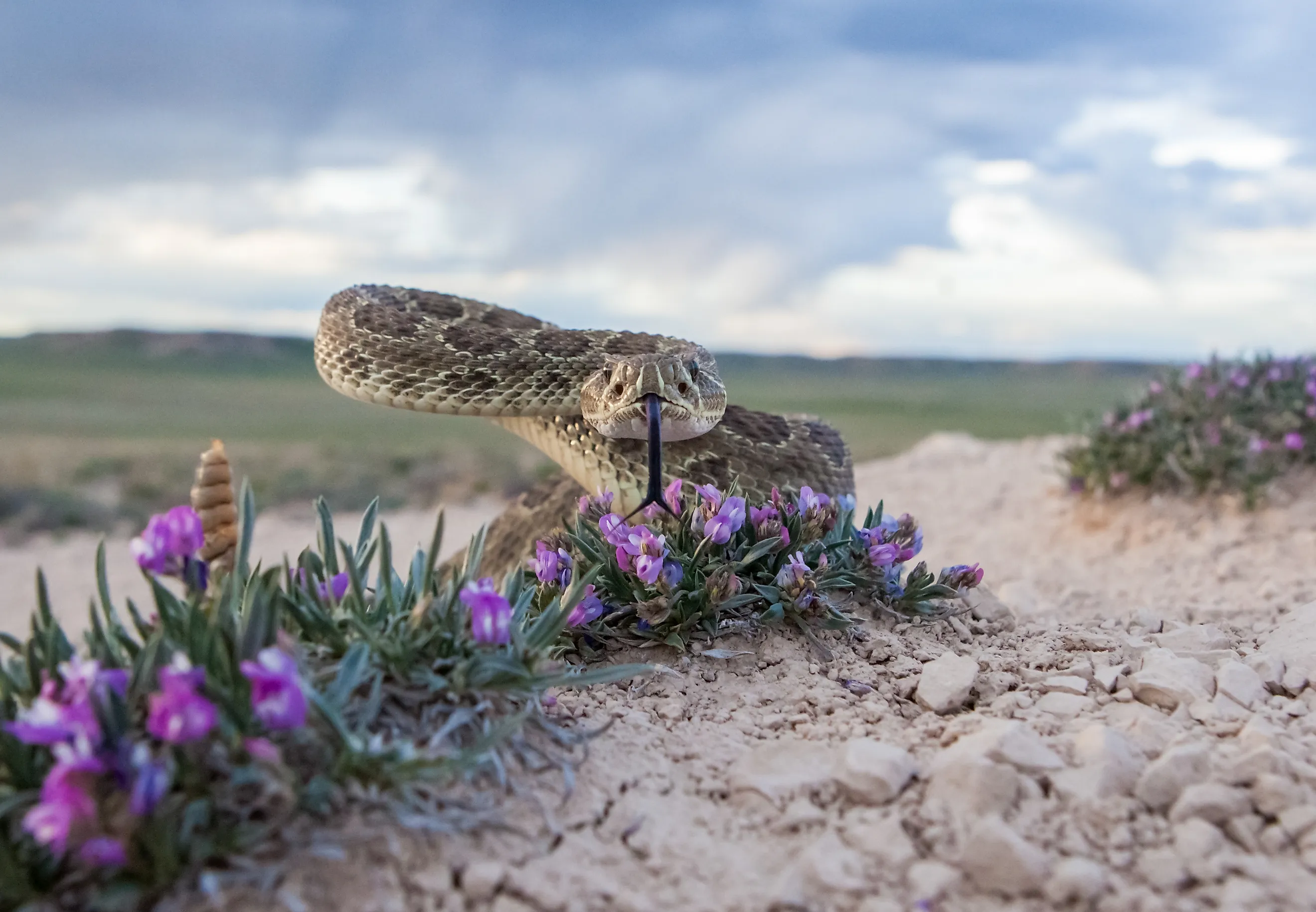
Wyoming is home to two rattlesnake species: the widespread prairie rattlesnake (Crotalus viridis) and the much rarer midget faded rattlesnake (Crotalus oreganus concolor). The prairie rattlesnake inhabits much of the eastern plains and central basins. The midget faded rattlesnake is restricted to a small portion of the southwest. The state's prairie breaks and warm rock shelves create prime hunting and basking conditions for these snakes. And, its river corridors and reservoir shorelines support prey populations.
Rattlesnakes are venomous, but rely on their distinctive rattle as a warning system against threats. They will only strike as a last resort. Staying alert on trails and calmly backing away from encounters keeps everyone safe. These Wyoming destinations stand out for their rattlesnake-friendly terrain.
Boysen State Park

Boysen State Park stands at the meeting point of desert hills and waterways. Sandstone formations absorb heat throughout the day, creating basking spots for snakes. The narrow crevices along canyon inclines provide shelter. Prairie rattlesnakes concentrate near stony margins surrounding Boysen Reservoir. They wind through partially buried boulders where rodents burrow, acting as both hunting grounds and protective cover.
Warm talus piles near the Lower Wind River Campground increase the chance of sightings beginning in late spring. Rattlesnakes hunt around riparian corridors by the reservoir that host an abundance of amphibians, reptiles, and rodents. The Tough Creek Campground area is another suitable place where south-facing slopes heat quickly during morning hours for basking.
Glendo State Park

Glendo State Park spreads across a broad topography surrounding Glendo Reservoir in eastern Wyoming. Prairie hills roll toward the waterline as limestone cliffs tower above sheltered coves used for boating and fishing. These environments are prime spots for prairie rattlesnakes. Bluffs absorb summer heat and create narrow shelter crevices. Sagebrush and juniper grow across nearby slopes, housing an abundance of rodents.
The Two Moon Loop crosses stony outcrops where rattlesnakes rest on sunlit ledges. Around the Waters Point Area, low rock piles sit beside brush patches close to the waterline and bluffs overhang the shore. Trails where hikers can encounter rattlesnakes weave across granite outcrops above narrow inlets.
Medicine Bow-Routt National Forest

Medicine Bow-Routt National Forest covers over a million acres of mountains and foothills across southeastern Wyoming. The lower elevations and canyon edges transition into open sagebrush country where rattlesnakes thrive. Its mix of foothill prairie, bouldered terrain, and creek corridors creates rattlesnake habitats across the low-lying ground.
Prairie rattlesnakes in this region can live up to 12 years and often occupy overlapping territories. They move between sunlit slabs for warmth and shaded crevices for protection. Their diet consists mainly of small mammals but also includes terrestrial birds and reptiles.
Trails within the Vedauwoo Recreation Area pass through towering granite formations above the expansive prairie. Deep cracks in boulders provide shelter and shade. More habitat appears throughout the canyon sections of Douglas Creek on the forest's lower eastern side where dry grass hills descend toward the creek channel. Prairie rattlesnakes hunt along the transition between riparian vegetation and nearby cliff bases during the warm season.
Sinks Canyon State Park

Sinks Canyon State Park in west central Wyoming features desert waterways, bouldered hills, and open canyon bottoms that create extensive ranges for prairie rattlesnakes. They are highly active in spring and early summer. They use the narrow canyon floors and dense vegetation to hunt rodents, small birds, and reptiles. Concentrations of sagebrush and flowing waterways attract a range of prey, creating ideal hunting zones.
Near the Middle Fork of the Popo Agie, the riparian corridor, granite outcrops, and surrounding desert brush create productive hunting grounds and ample shelter. Rattlesnakes are also found on sunlit ledges above the river and within sandy pockets near rodent burrows.
This park presents a mosaic of sunlit and shaded microhabitats. These features make the region particularly suitable for rattlesnakes, providing both warm basking sites and shelter from predators or extreme weather.
Thunder Basin National Grassland

In northeastern Wyoming, Thunder Basin National Grassland spreads across rolling prairies and rugged sandstone buttes. This remote region has extensive open grasslands interspersed with craggy landscapes.
Rattlesnakes here are active from spring through early fall, where they use their heat-sensing pits to hunt rodents along the edges of shrubs. This area hosts some of Wyoming's densest prairie rattlesnake populations outside of state parks. Sightings also occur around Turner Reservoir where snakes bask on warm surfaces near the shoreline.
Thunder Basin's wide-open prairie, sun-exposed rocks, and an abundance of small mammals make it a significant snake habitat. Use awareness and caution when traversing these lands. Though venomous, bites to humans are extremely rare and typically happen only when snakes are accidentally provoked or handled.
Flaming Gorge National Recreation Area

Pockets of southwestern Wyoming support the state's extremely limited midget faded rattlesnake population. This small subspecies inhabits the steep canyons and deserts of the Flaming Gorge National Recreation Area. The midget faded rattlesnake has a quieter rattle and relies heavily on camouflage to avoid conflict. In the colder months, they enter a state of brumation in crevices or burrows. This hibernation-like period helps them survive Wyoming winters at the boundaries of their range. Their diet consists mainly of mice, rats, and lizards.
Rocky walls by the Big Firehole Canyon Campground form ledges that heat quickly under the desert sun. Snakes coil beside these formations or rest beneath scattered juniper bushes. The slopes and dry basins surrounding the Flaming Gorge Reservoir are another rattlesnake-friendly region. Sagebrush flats support basking patches, and the reservoir shoreline draws rodent and lizard populations.
Wyoming’s Slithering Secrets
Wyoming's rattlesnakes thrive where sun-heated stone meets dry prairie, canyon slopes, and riparian corridors. Open ledges and talus fields provide basking and shelter. An abundance of rodent habitats supports a consistent prey base. These snakes play a vital ecological role, regulating prey populations and maintaining balance in prairie and canyon ecosystems. Though encounters can be startling, rattlesnakes are shy and strike only in self-defense. Observing caution, giving them space, and respecting their ecological role ensure both human safety and the health of Wyoming's ecosystem.