5 Tick Infested Areas In Vermont
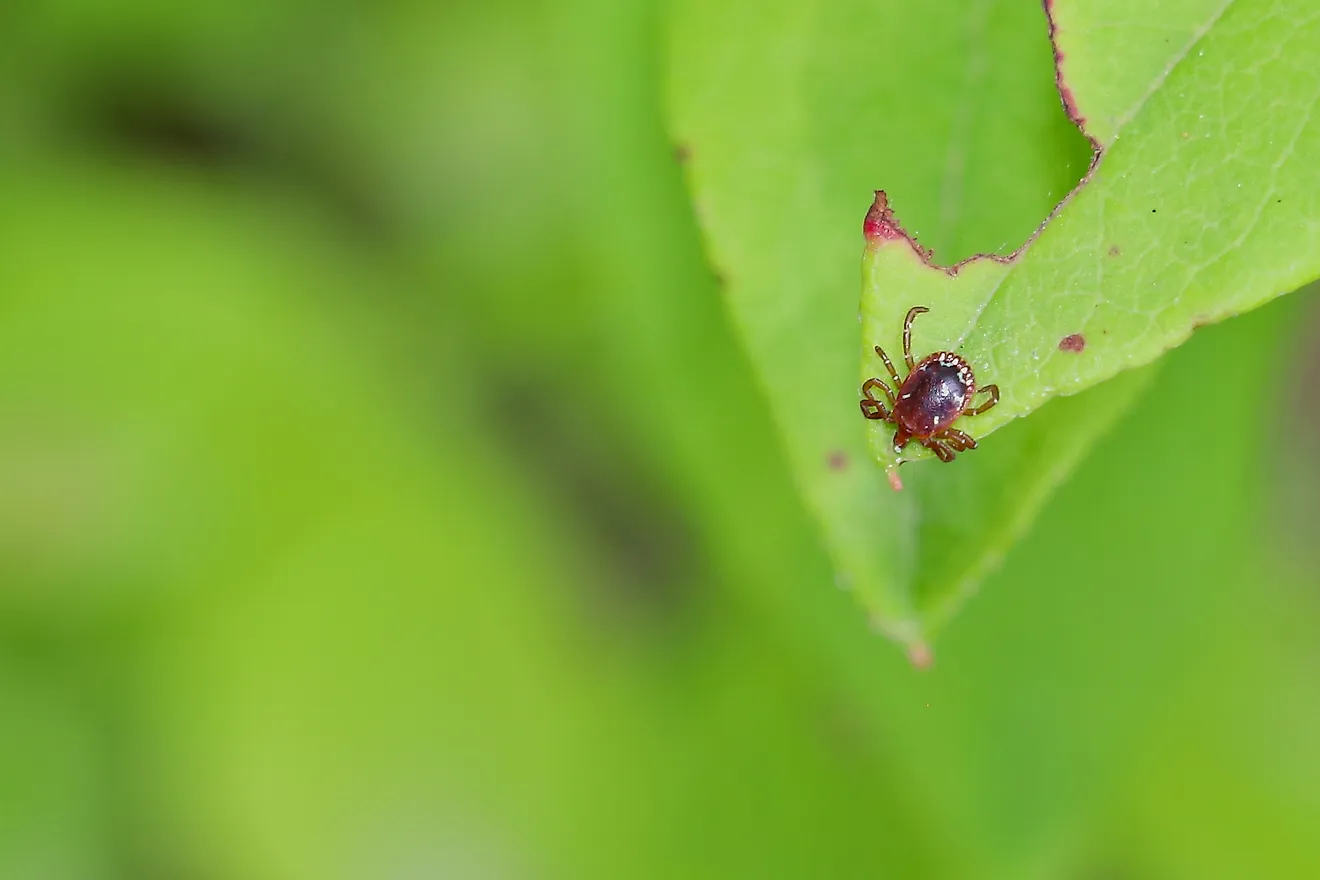
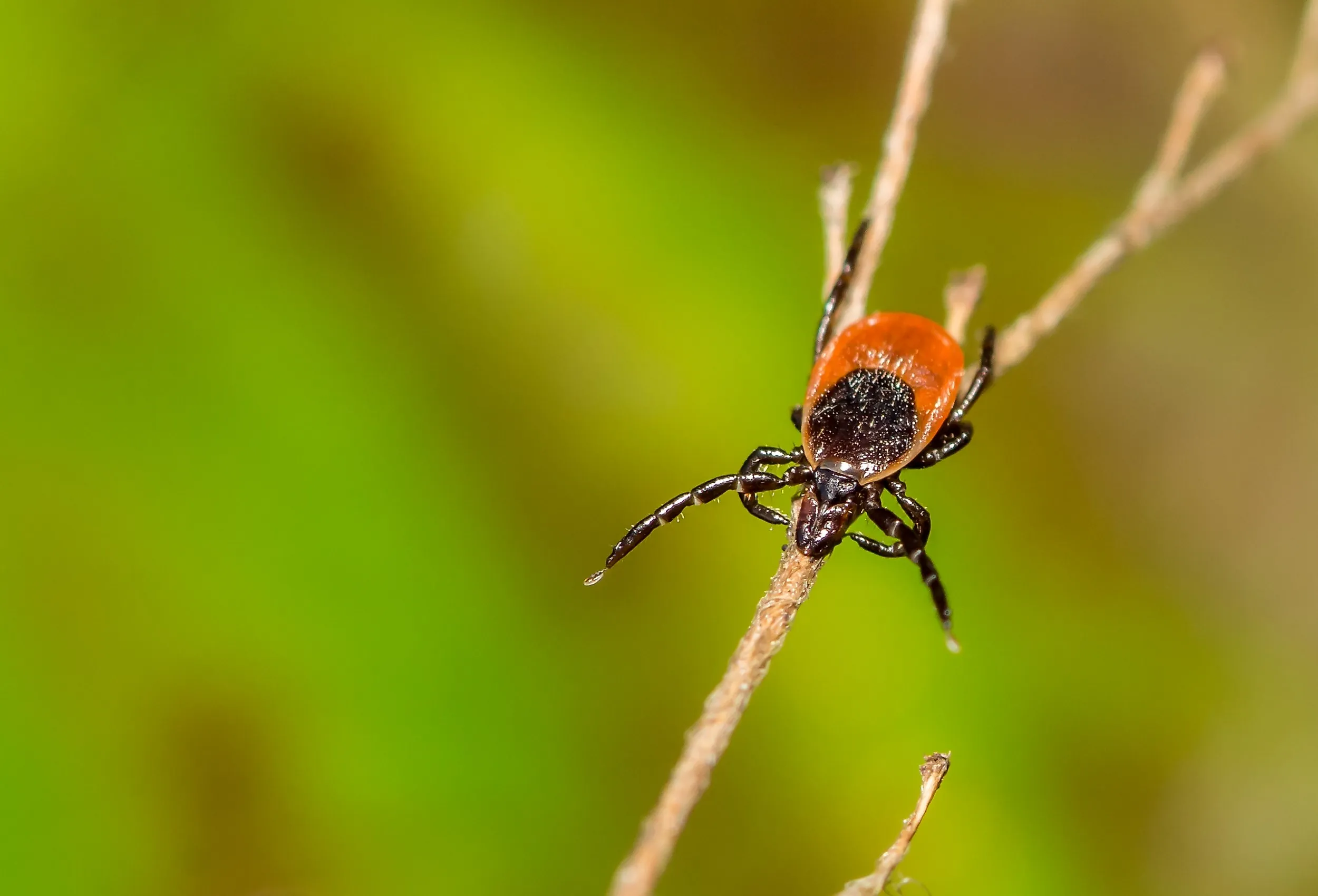
Ticks are active in Vermont, with over 1,000 people diagnosed with Lyme disease in 2023 in this state alone. The most common tick is the blacklegged tick (Ixodes scapularis), which accounts for 99% of tick-borne illnesses and can spread, in addition to Lyme disease, anaplasmosis, babesiosis, Powassan virus disease, and hard tick relapsing fever. This kind of tick occurs most often in May and June, when nymphs are looking for a host, and again in October and November, when adult female ticks are looking for a host. However, tick bites can occur in any season when temperatures are above freezing. While Vermont's main tick-borne disease concern is the blacklegged tick, also called the deer tick, the state also records American dog ticks (Dermacentor variabilis), brown dog ticks (Rhipicephalus sanguineus), lone star ticks (Amblyomma americanum), squirrel ticks (Ixodes marxi), and woodchuck ticks (Ixodes cookei). Residents should treat tick prevention as a statewide outdoor habit, not just a concern for deep woods or remote trails, especially when visiting these tick-infested areas.
Green Mountain National Forest

The Green Mountain National Forest covers nearly 400,000 acres, and its wooded, brushy, and leaf-littered areas can provide habitat where blacklegged ticks may be encountered. This forest is home to hardwood trees, which include beech, yellow birch, sugar maple, and more. While the ticks don’t live in trees themselves, underneath the forest canopy are the shrubs and grasses where ticks make their home. Fallen leaves and damp trail edges can provide the conditions ticks need while they wait for passing hikers.

While Lyme disease often gets the most press coverage among tick-borne diseases, anaplasmosis is also common in Vermont. Anaplasmosis is the second-most reported and fastest-emerging tickborne disease in Vermont, though Lyme disease remains the most commonly reported tickborne illness statewide. Those visiting Vermont’s national forests should be mindful of both. Like an initial Lyme infection, anaplasmosis can cause flu-like symptoms, though without an accompanying rash.
Thundering Brook Falls

Thundering Brook Falls, listed by the US Forest Service as Thundering Falls, is in Killington, Vermont, on a section of the Appalachian Trail in the Green Mountain National Forest area. The falls and their accompanying trail have exactly what blacklegged ticks want and need: moisture, a healthy deer population, and foliage. The trail follows a scenic boardwalk across the Ottauquechee River floodplain before climbing to a falls viewing platform. Ticks are more likely to be encountered in nearby grass, brush, leaf litter, or trail-edge vegetation than on the boardwalk itself, so visitors should avoid brushing against plants along the route.
Because the trail is short and accessible, hikers may not think to take the same precautions that they might for a backcountry hike. But ticks don’t need miles of exposure to find a host. Visitors stopping for a quick waterfall view might step off the boardwalk for a better picture, while hikers might brush against the vegetation near the trail edge. To prevent tick transfer, hikers can avoid tall grasses and check their clothing after their visit. Even a brief stop can be enough time for a tick to attach if clothing or bare skin brushes against vegetation.
Quechee Gorge

Quechee Gorge is Vermont’s deepest gorge. Glaciers carved the popular chasm almost 13,000 years ago. Now, it’s a popular tourist destination, with hiking, camping, swimming, and other forms of recreation. Its wooded trails and brushy areas can include the kinds of habitat where blacklegged ticks may be encountered. In addition to anaplasmosis and Lyme disease, ticks may carry babesiosis, a potentially severe infectious disease caused by microscopic parasites transmitted by ticks.
The gorge is located in Windsor County, a county that reported 386 cases of Lyme disease and 234 cases of anaplasmosis from 2019 to 2022. Like the rest of the state, this county has a healthy deer population. White-tailed deer are among the hosts used by blacklegged ticks, along with small mammals such as mice, chipmunks, and shrews, and wooded or brushy areas can support tick encounters. With campers, swimmers, hikers, and sightseers all moving through the same wooded, river-fed landscape, Quechee Gorge gives ticks plenty of chances to cross paths with people.
Mount Mansfield

Tick density can be lower in parts of the Green Mountains than in lower-elevation areas such as the Champlain Valley, but that does not mean hikers on Mount Mansfield should assume the trails are tick-free. While the mountain looms over 4,300 feet above sea level, hikers need to make their way through wooded forests before arriving at the alpine ridges of the trails leading up to the peak. It is here, in these forested areas, that ticks can lie in wait.
Routes like the Long Trail, Sunset Ridge Trail, and Hellbrook Trail take hikers through the kind of wooded, brushy terrain where blacklegged ticks are most likely to be found. Ticks can be encountered in Vermont whenever temperatures are above freezing, so hikers should check clothing, gear, and skin after traveling through wooded, grassy, or brushy areas.
Lake Champlain

Lake Champlain is known for its world-class bass fishing and reported sightings of the legendary cryptid, “Champ.” But the county of Chittenden, where Lake Champlain is partially located, also has one of the highest numbers of cases of Lyme disease in the state, with 517 cases from 2019 to 2022. While this may be in part due to its high population (and reports are assigned by county of residence, not origin of infection), it still means that hikers and travelers should take special care in avoiding ticks, especially the widespread blacklegged tick.
Blacklegged ticks don’t live in the lakes themselves, but need to be near moisture to prevent drying out. Wooded, brushy, or marshy areas along parts of the Lake Champlain shoreline can create conditions where ticks may be encountered. Many people who arrive at Lake Champlain to fish and kayak don’t think about ticks because they aren’t hiking. For example, the walk from the shoreline to the boat is the perfect time for a tick to latch onto an unsuspecting leg.
Tick Safety in Vermont
Ticks are a statewide outdoor concern in Vermont, and residents and visitors should take routine prevention measures. The combination of thick foliage and a landscape dense with rivers and lakes makes it a perfect location for moisture-loving ticks, especially the blacklegged tick. And while the southern parts of the state are most prone due to the climate, ticks have been found across the state. Knowing where tick exposure is more likely can be one step in preventing tick bites in Vermont.