5 Tick Infested Areas In Indiana
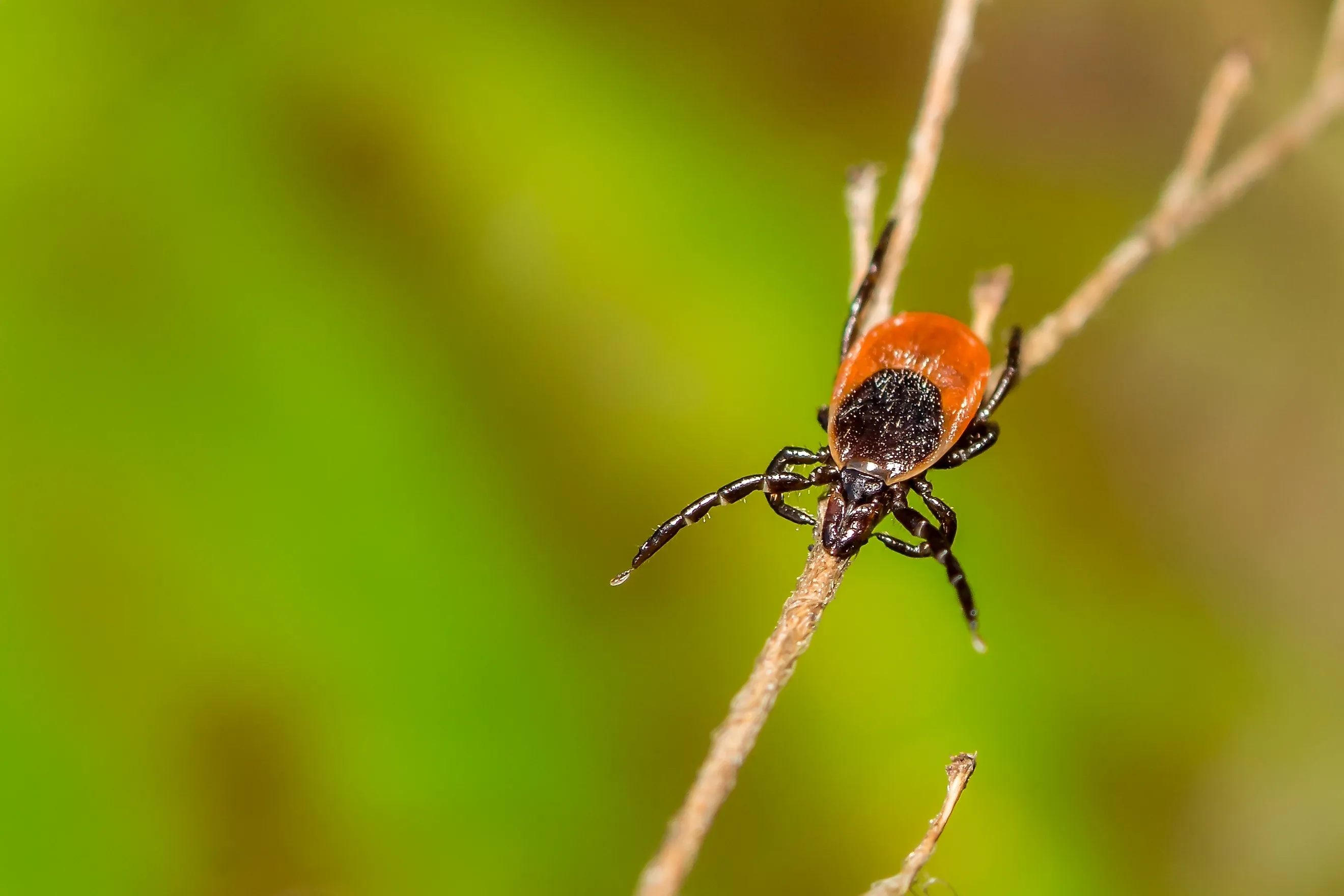
With densely forested parks and 45 miles of shoreline along Lake Michigan, the state of Indiana is a natural home for both outdoor adventurers and the ticks that thrive in its wooded and grassy habitats. Around fifteen different species of tick live in Indiana, but only three are considered a health risk to humans. These species include the blacklegged tick (Ixodes scapularis), which is most active from spring through fall; the lone star tick (Amblyomma americanum), which has been linked to alpha-gal syndrome, a condition that causes an allergic reaction to red meat; and the hardy American dog tick (Dermacentor variabilis), which can survive up to two years without a host. It is also important to remember that while tick season peaks in the spring and summer, ticks can be active at any temperature above freezing. Residents of Indiana should exercise care during outdoor activities due to the diversity and hardiness of the tick population in the state. Here are some of the most tick-susceptible places in the state, due to disease statistics and habitat.
Indiana Dunes National Park

Some may think that ticks only live in heavily wooded areas, but lakeshores can be a favorable habitat for them as well. At Indiana Dunes National Park, the shaded dune grasses by the beach create a sheltered and moist microclimate for ticks to thrive. Indiana Dunes National Park, Indiana's only national park, is located partially in Porter County. Porter County reported 54 cases of Lyme disease among residents from 2019 to 2022. Lyme disease is the most common tick-borne illness, and is spread mainly by the blacklegged tick, which lives in Indiana.

In addition to miles of grassy lakeshore, Indiana Dunes also has bogs and marshes, including Cowles Bog Trail. According to the National Park Service, ticks can be present year-round on this trail. As hikers traverse several types of ecosystems in a 4.7 mile trail, ticks can transfer onto clothes and unprotected skin from vegetation along the trail. Staying on marked trails can help Indiana residents stay safe as they enjoy the biodiverse dunes.
Monroe Lake

Monroe Lake is a rural getaway about 12 miles from Bloomington, Indiana. As Indiana's largest land-bound body of water, it attracts over a million visitors from Indiana and the surrounding regions each year. It also has a suitable habitat for ticks. The lake's surrounding wooded trails and campgrounds, as well as its grassy shoreline, can give ticks the shaded and humid environments they thrive in. Visitors who aren't hiking or camping, and instead fishing or boating, should still take care. Sometimes, ticks can transfer to clothes or skin while people walk through vegetation to get to a dock, or brush grasses while on a walk back to the parking lot.

Monroe Lake is partially located in Monroe County, which has had 12 incidents of Lyme disease from 2019 to 2022. However, Monroe County is also unique for having 22 cases of Ehrlichia chaffeensis ehrlichiosis in the same time frame. This disease, usually rarer than Lyme disease, is primarily spread by the lone star tick. This illness can sometimes be severe if antibiotic treatment is delayed. Children younger than 5 years old and seniors older than 65 years, as well as those with weakened immune systems, can be particularly susceptible.
Potato Creek State Park

Potato Creek State Park is located in northern Indiana, about 16 miles from South Bend. Indiana residents can spend hours exploring the diverse wetlands, paddling on the 327-acre Worster Lake, and exploring the local hiking trails. But while they explore what Potato Creek State Park has to offer, they should also be careful of ticks, which thrive in the moist environments of the wetlands and lakeshore, as well as the forested areas. The popular loop, practically named "Potato Creek Trails 1, 2, and 4" is particularly susceptible to ticks, as foliage often crowds the narrow trails and brushes against hikers' legs.

Potato Creek State Park is located in St. Joseph County, which reported 101 cases of Lyme disease from 2019 to 2022, according to the Centers for Disease Control and Prevention (CDC). St. Joseph County also reported four cases of anaplasmosis and one of babesiosis. Anaplasmosis and babesiosis are both transmitted by the black-legged tick, and both cause flu-like symptoms that can lead to complications in the immunocompromised or if left untreated.
Angel Mounds State Historic Site

Among the others in this list, Angel Mounds State Historic Site is unique because it is human-made. This historic site includes eleven mounds created by Indigenous people of the Mississippian culture, who built and occupied a town near modern-day Evansville between roughly 1100 and 1450 AD. Though the city no longer stands, the mounds remain and are a popular site for visitors. But despite being manmade, they are now reclaimed by nature, and ticks may lurk in the tall grasses covering the pre-colonial mounds.

Angel Mounds State Historic Site is partially located in Vanderburgh County, which reported 16 cases of Spotted Fever Rickettsiosis from 2019 to 2022. This is a group of diseases, the most well-known of which is the Rocky Mountain spotted fever. This disease, which, left untreated, can lead to severe complications, is transmitted in Indiana by the American dog tick. Hiking trails also weave through the area, and are likely also tick-susceptible.
Washington Park

Washington Park is located in Michigan City, along LaPorte County's Lake Michigan shoreline. The park is best known for its beach and marina, but its landscape also includes several tick-susceptible transition zones. Dune grasses and brushy park edges can give ticks an opportunity to really thrive, especially where vegetation borders areas with regular foot traffic.

LaPorte County reported 38 Lyme disease cases from 2019 to 2022, according to the CDC's county-level tickborne disease data. One concrete risk factor at Washington Park is the movement between open beach areas and grassy dune edges. Like in other lakeside towns on this list, even short walks through shoreline vegetation can create opportunities for tick exposure.
Being Tick Aware in Indiana
Indiana residents have incredible access to the outdoors, but tick risk is also something to consider. The brushy lakeshore near Lake Michigan and wooded areas in the rest of the state provide a suitable habitat for ticks to thrive. Knowing where ticks are is the first step to staying safe while exploring the outdoors.