5 Tick Infested Areas In California
One walk through tall California grass can send a tick climbing up your leg. The state stays green and damp enough to keep these blood-feeders active all year. Coastal fog lets them thrive under the redwoods long after summer fades. Brushy canyons near Mount Tamalpais and the American River stay thick with them. Knowing where these ticks wait is the surest way to enjoy the trail safely.
Mount Tamalpais State Park

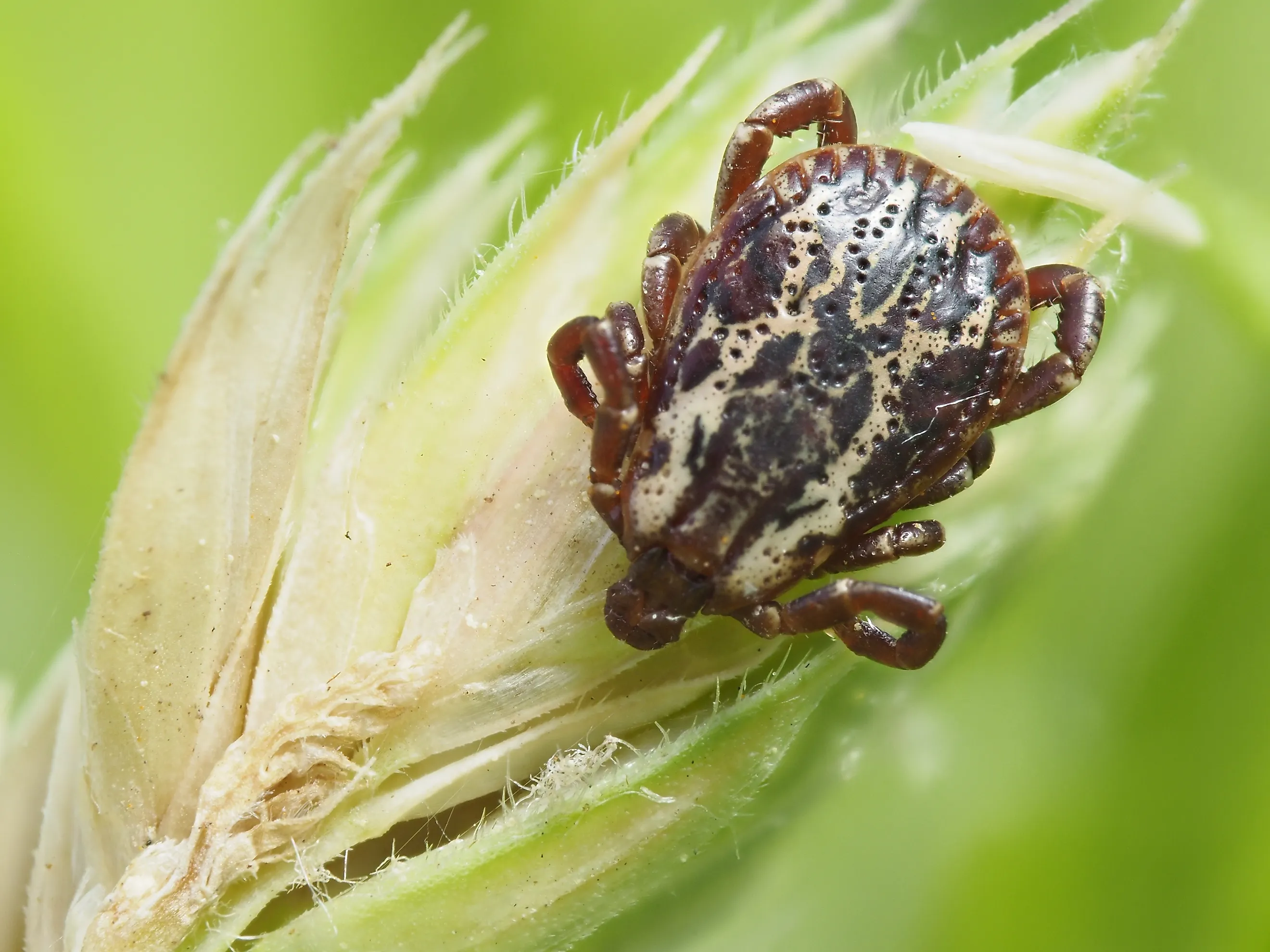
Driving about 15 minutes north of the Golden Gate Bridge will bring you to the canyons and redwood forests of Mount Tamalpais State Park. Many locals and tourists come here for the view of the Farallon Islands from the peak of Mount Tamalpais. The park's thick brush suits ticks well, especially the Western Blacklegged Tick (Ixodes pacificus). Researchers confirm their presence by dragging a flag across the grassland to collect ticks for testing.
In California, Western Blacklegged ticks carry the bacterium Borrelia burgdorferi. When transmitted to humans through a bite, the bacterium may lead to an infection that causes Lyme disease. It originates in small rodents that ticks target before moving on to larger prey, such as human hikers.
Santa Cruz Mountains

The Santa Cruz Mountains stretch south toward Watsonville and the Pajaro River. High rainfall drains from the peaks to the valleys, creating a perfect environment for ticks, which absorb water from the air instead of drinking it. Trekking through the wooded paths can be a beautiful and exhausting experience, so be sure not to rest in the wild brush where ticks lie in wait.
The Western Blacklegged tick and the American dog tick (Dermacentor variabilis) are both found within the region. These ticks climb blades of grass and hold their front legs out, ready to grab a passing host. They are active year-round, with their activity increasing significantly in the summer months. Adult ticks are easy to spot, but some of California's smaller nymphal ticks carry Lyme disease more often, so check your body for even the smallest of ticks after each hike.
Redwood National and State Parks Region

Home to the tallest trees in the world, this network of parks holds a wide range of ecosystems. Coastlines merge with forests thick with redwood trees and winding rivers. Travelers visit the park year-round for its moderate temperatures, which also make it an ideal environment for ticks to thrive. Some visitors choose to camp among the ancient trees overnight. Campers should take extra precautions against ticks by wearing light clothing that makes them easier to spot and camping away from heavy brush. All park visitors should avoid the edges of pathways so they don't pick up parasitic hitchhikers that cling to tall blades of grass and underbrush. The Western Blacklegged tick is one such hitchhiker that often feeds on lizards before moving to larger hosts such as deer and humans.
Cleveland National Forest

Cleveland National Forest's combination of grasslands and dense chaparral dominates hundreds of thousands of acres. The Pacific Crest Trail cuts through the forest, inviting the most ambitious explorers to embark on a voyage that may last weeks. Three Sisters Falls Trail is a shorter local option that leads to a waterfall and multiple swimmable pools, and it asks for only a 4.4-mile walk.
No matter where you walk, you'll likely encounter the forest's many residents. Deer and coyotes roam the land, while smaller mammals and rodents scurry through the underbrush, providing the meals that ticks need to survive. The Pacific Coast tick (Dermacentor occidentalis) and the Western Blacklegged tick are the ones to watch for here. The Western Blacklegged tick has a reddish-brown color, while the Pacific Coast tick is smaller with solid black legs. Both varieties are supported by the high levels of moisture, especially in the forest's higher elevations.
Auburn State Recreation Area

This recreation area is one of the most popular in the Sierra Nevada Foothills, mostly because of its whitewater rafting and canyon hiking. People love to raft on the North Fork and Middle Fork of the American River, which winds through the park. The waterways are surrounded by brushy hillsides and trails lined with grassy overgrowth. Within these bushes and blades of grass, Western Blacklegged ticks appear in large numbers almost year-round.
The Pacific Coast tick, the American dog tick, and the Relapsing Fever tick (Ornithodoros hermsi) are also found here, each species favoring a slightly different environment and carrying the potential to transfer different illnesses. The Relapsing Fever tick is a "soft tick" and typically turns up indoors in rustic cabins, while the others stay outdoors in the brush that lines pathways or feed on dogs and deer. The Pacific Coast tick and the American dog tick can both cause Rocky Mountain spotted fever in human hosts, and the Western Blacklegged tick is the primary carrier of Lyme disease in the state.
Sharing The Trail With California's Ticks
Don't let ticks keep you from your favorite outdoor activities. An understanding of their habitat and the illnesses they transmit goes a long way. Safety protocols such as tucking pants into socks on hikes, wearing an EPA-registered insect repellent, and checking your body for ticks after each walk are the best tools against tick-borne illnesses. Ticks prefer to hide in places like the belly button, behind the ear, behind the knees, and on the scalp, so make sure to check those places after traveling through tick territory.