5 Rattlesnake Hotspots In Idaho
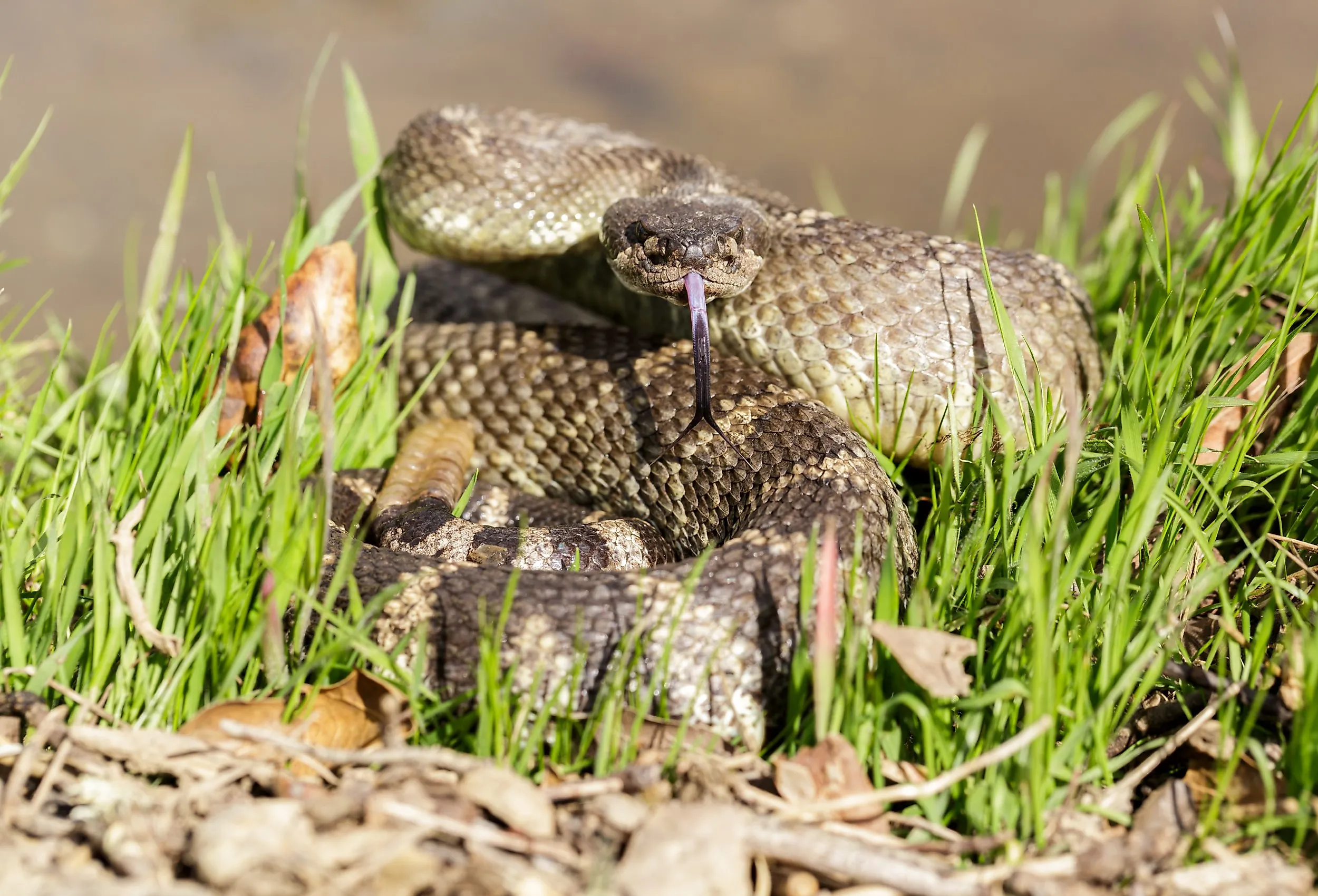
Rattlesnakes are a regular part of Idaho’s dry canyon country and volcanic terrain, with two species calling the state home. While the prairie rattlesnake (Crotalus viridis) is more common in the plains and dry grasslands of east-central Idaho, the Western rattlesnake (Crotalus oreganus) is found throughout much of southern Idaho, especially in rocky valleys and desert foothills.
Both species seek cover in cracks and abandoned burrows and depend on exposed rock for warmth. Volcanic lava fields and canyon grasslands provide the rocky den locations and prey populations that these snakes need to survive. These protected landscapes in southern Idaho contain some of the state's most iconic rattlesnake hotspots.
Craters of the Moon National Monument and Preserve

Craters of the Moon National Monument and Preserve protects one of the largest young basaltic lava fields in the contiguous US. Basalt lava flows, cinder cones, and fractured rock fields dominate the terrain.
Western rattlesnakes are often seen in this environment. Warm basking surfaces are produced during cooler hours by the rapid absorption of heat by dark lava rock. When temperatures get too high, rattlesnakes withdraw into rodent burrows or deep rock fissures.
Other snakes that have adapted to this arid volcanic ecology include the gopher snake, which often mimics rattlesnake behavior, and the North American racer (Coluber constrictor), a quick predator that hunts rodents and small reptiles in wide spaces.
Morley Nelson Snake River Birds of Prey National Conservation Area

The Morley Nelson Snake River Birds of Prey National Conservation Area follows the Snake River for about 80 miles. The landscape consists of sun-exposed slopes, canyon rims, jagged cliffs, and sagebrush flats.
These conditions support Western rattlesnakes, which use rocky ledges and fissures for cover and hunt small animals in the surrounding shrub-steppe and canyon terrain. Dens can also be found on talus slopes and canyon walls.
This habitat is shared by several non-venomous snakes. The western terrestrial garter snake is commonly found along streams or in damp canyon bottoms, whereas the gopher snake hunts rodents in meadows and abandoned burrows.
Bruneau Dunes State Park

Bruneau Dunes State Park contains the tallest single-structured sand dune in North America, along with broad expanses of desert shrubland. Numerous reptile species find home on sagebrush flats, sandy soils, and sporadic rocky slopes.
The Western Rattlesnake inhabits the drier areas of the park, particularly those with rocky terrain and rodent tunnels. These snakes often sunbathe on exposed ground in the morning before retreating to cooler cover later in the day.
Other snakes found in this desert habitat include the gopher snake, which burrows in shrubland areas, and the striped whipsnake, a swift hunter often spotted slithering over open ground.
City of Rocks National Reserve

The City of Rocks National Reserve is famous for its massive granite spires and boulder fields. These granite formations possess numerous cracks and crevices that can serve as havens for reptiles.
The Western rattlesnake prefers to hide in the gaps between granite rocks. For food, rodents and other small animals can be found in the nearby open meadows and woodland margins. Some snakes noted in the reserve include the Northern Rubber Boa (Charina bottae), a rather shy snake, and the North American racer.
Thousand Springs State Park

In south-central Idaho, around Snake River Canyon, Thousand Springs State Park is covered with grasses and sagebrush slopes, while steep volcanic cliffs rise above the river.
The western rattlesnake, which prefers stony slopes with sun exposure, can find suitable den locations along these canyon walls. Snakes here feed mainly on small mammals such as rodents, with prey availability varying by habitat and season.
The gopher snake, a popular predator in grassland environments, and the garter snake, which hunts fish and amphibians near water, are two more species found in the canyon.
Idaho has two rattlesnake species: the Western rattlesnake and the prairie rattlesnake, though the hotspots where you can encounter them depend on the region and habitat. In eastern Idaho, prairie rattlesnakes are more common in the plains and grasslands.
During the hotter months, encounters are common on trails, rocky slopes, and open desert terrain. By adhering to approved paths, paying attention to where hands and feet are put, and giving wildlife room, the likelihood of a near encounter can be reduced, which is great news for anyone looking to explore the beautiful state.