5 Copperhead Snake Hotspots In Alabama
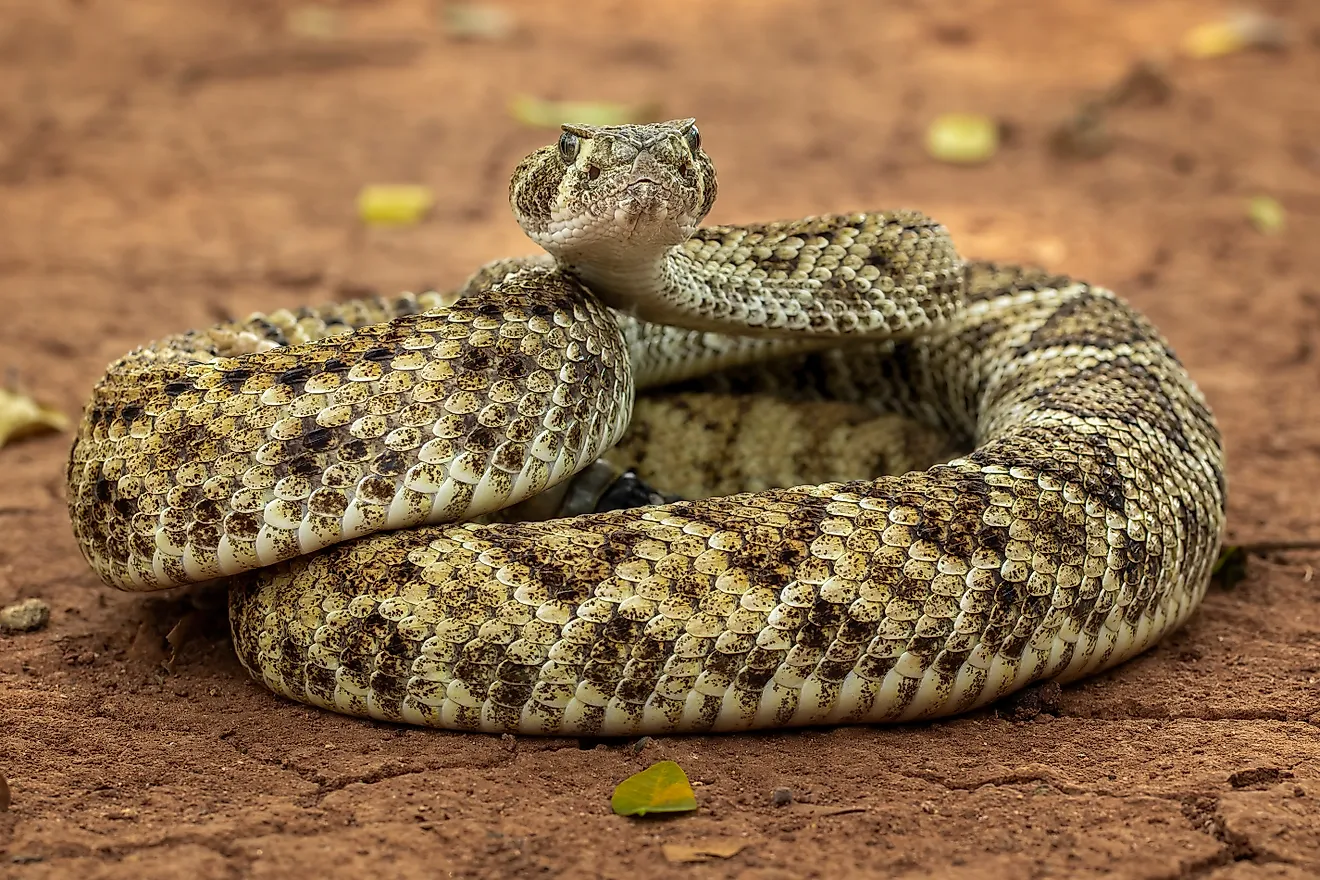
Alabama is a beautiful state, featuring majestic Appalachian mountaintops, massive caves, and long rivers. These natural environments are home to hundreds of species of animals, including some that are best left alone. One such dangerous animal is the Copperhead snake. The state has two subspecies of this snake: the Northern and Southern Copperhead. As a pit viper, they commonly feed on small mammals, lizards, birds, and insects by lying in wait and striking at any creature unlucky enough to cross their path.
These snakes are typically frightened of humans and will not seek them out. However, if disturbed or threatened, they might strike. For Alabama residents or travellers passing through, it's important to be aware of Copperhead hotspots so that you can keep an eye out for these reptiles and avoid any unfortunate encounters both for the snake and for yourself.
Cathedral Caverns State Park

Located in Woodville, Cathedral Caverns State Park is a fascinating natural space. Unlike many caves, Cathedral Caverns has a huge entrance that measures 126 feet wide and 25 feet high. Once inside the cave, there are other massive natural structures to see, such as the 45-foot-high stalagmite affectionately called Goliath.
Other unique structures inside include a frozen waterfall, a stalagmite forest, and even a rock formation that resembles a caveman. With its 60-degree temperature year-round, visitors come throughout the year to see this cave. In the wider park area around the cave, one might discover a copperhead snake.
Multiple visitors have reported seeing Copperheads hiding on the ground near the cave entrance and along the trails. These snakes tend not to bother humans as long as they are left alone. Although copperhead bites are rarely fatal, there was a report of an Alabama man dying in 2019 from a copperhead bite after experiencing an allergic reaction to the venom.
Cheaha State Park

Cheaha State Park is a mountainous destination that is right at the southern edge of the Appalachian Mountains. Established in 1933, it is the oldest park in Alabama, with its namesake, Mt. Cheaha, situated at 2,407 feet above sea level. There are multiple granite rock formations and hiking trails crisscrossing across this mountain park, along with a 1934 Bunker Tower, which was built by the Civilian Conservation Corps.

The park is highly popular for campers, with a Mountain Store on site to purchase camping goods, and a lake for water activities. The Cheaha State Park sits amid the larger Talladega National Forest, which is known for containing many different types of venomous snakes, including rattlesnakes, cottonmouths, and Copperhead.
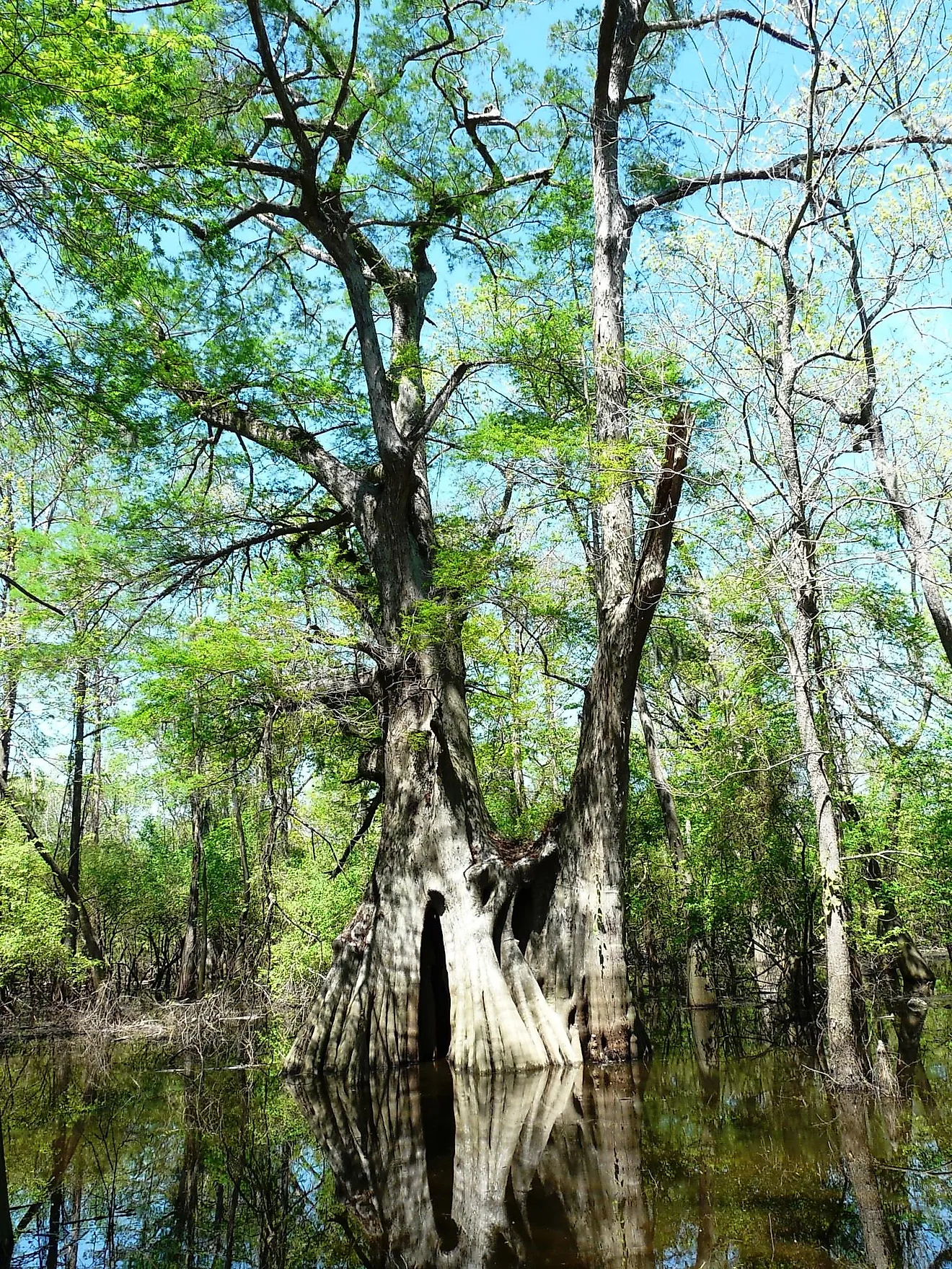
The Copperhead can survive in all the habitats of the park, as it is commonly found in woodlands, rocky ledges, and even swamps. During the winter, they will retreat into dens to hibernate. As most visitors come to the park during the warmer months, there's always a chance of encountering this creature.
Oak Mountain State Park

At nearly 12,000 acres, Oak Mountain State Park is the largest state park in Alabama. Located just outside of Birmingham in Pelham, city dwellers often visit this park for a nature getaway. There are more than 100 miles of hiking and mountain biking trails, with the Red Trail in particular receiving recognition from the International Mountain Biking Association.
The park is an all-inclusive destination, with a pickleball court, BMX course, aquapark obstacle course, golf course, archery range, and a wide range of outdoor activities.

However, hikers have often run into snakes while exploring this park. In 2025, a hiker recorded video of a three-foot-long rattlesnake coming out onto a trail. Copperheads are also very common in this park. Hikers have reported encounters with copperheads on multiple occasions on trails, as they often hide under rocks or underbrush.
Copperhead bites can cause pain, bruising, swelling, low blood pressure, and bleeding. Symptoms can develop over eight to twelve hours. As mentioned above, many copperhead bites are dry bites, meaning the snake did not inject venom. In other cases, the bites are considered trivial, which means there are no major symptoms from the venom.
Tennessee River

The 652-mile Tennessee River crosses through several states. It begins in eastern Tennessee, flows southwest into Alabama, then turns northwest back through Tennessee and along the Kentucky border. Major tributaries include the Little Tennessee River, which flows from Georgia into North Carolina and then into Tennessee. French explorers first referred to the river as Kasqui on seventeenth-century maps. A small section near the Tennessee-Georgia border has been disputed, which has made multiple attempts from the 1800s to the present day to claim portions of the river for water usage.

While states have fought over the river, animals have long lived both within the waters and along the surrounding ecosystems. There is a wide variety of fish, from smallmouth bass to yellow perch and Tennesseee shiners, that call the Tennessee River home. Reptiles also move along the riverbanks, including the spiny softshell turtle and copperheads.
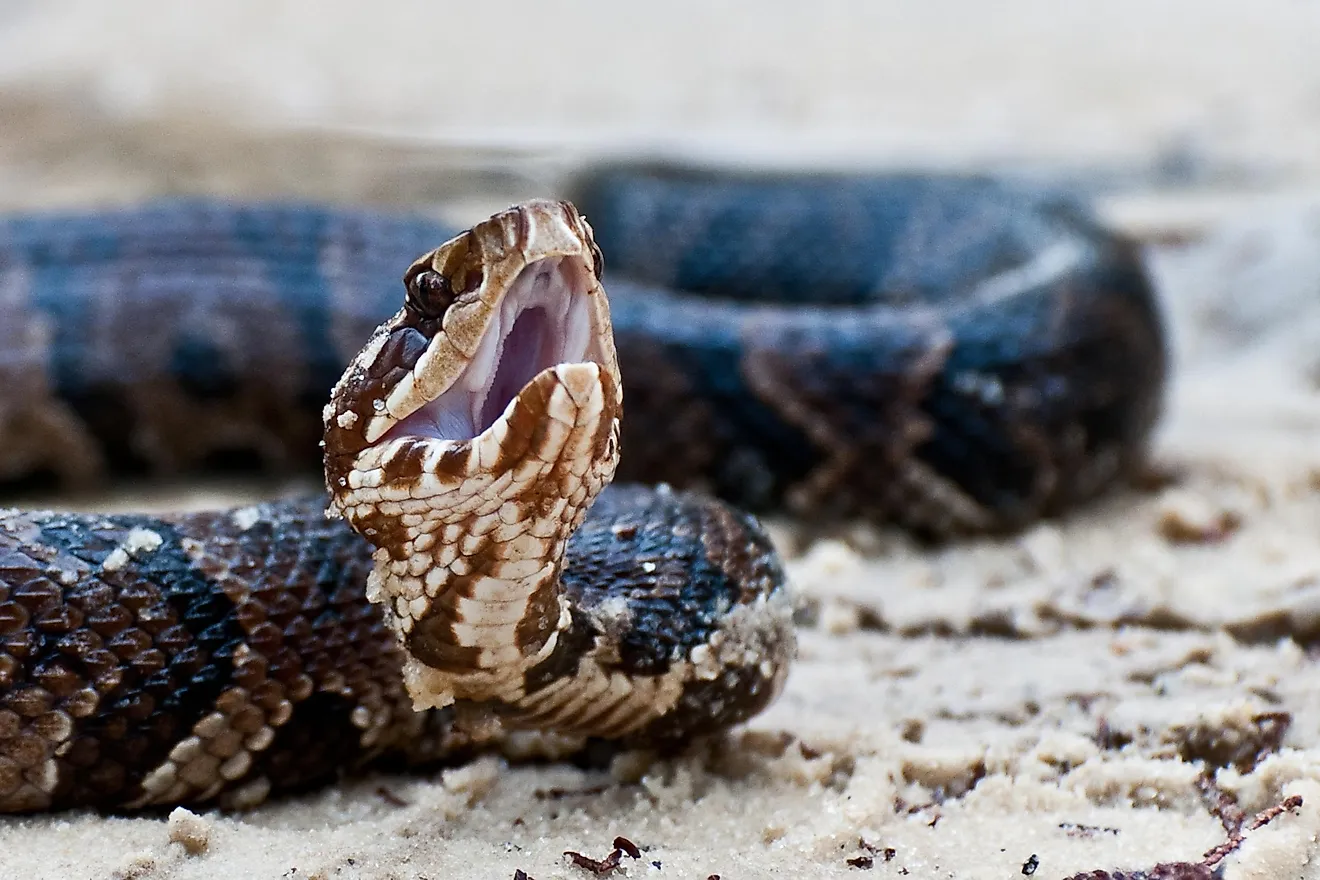
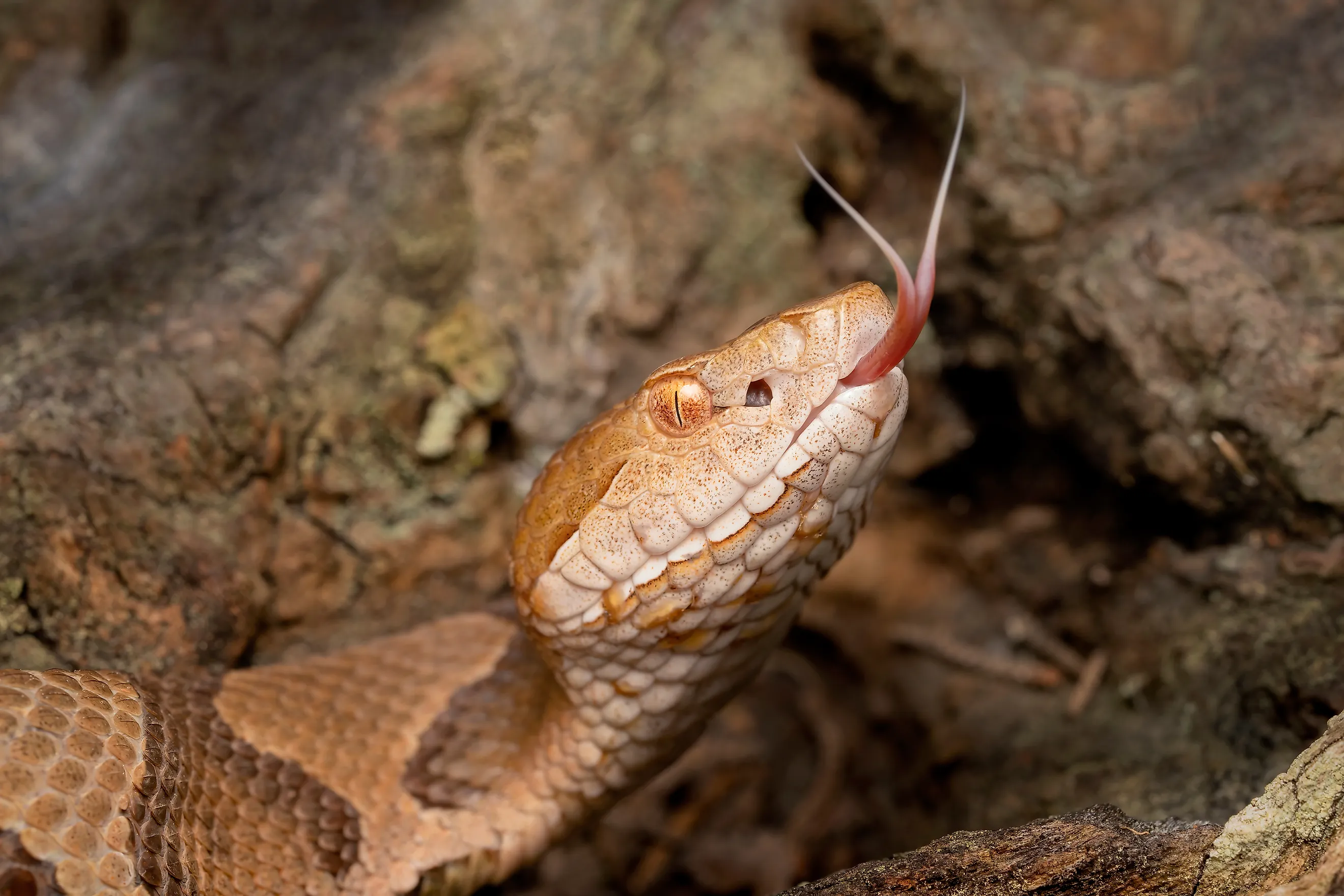
These snakes can swim and are known to be strong swimmers, but they more commonly prefer river bluffs, rock outcroppings, or wooded areas nearby. Their bodies are typically brown in tone, sometimes with a light pink tint. They are well camouflaged in underbrush, which can make them difficult to see. It is a good idea to wear sturdy shoes when walking in copperhead territory, in case one is accidentally stepped on.
Little River Canyon National Preserve

Located in Northeastern Alabama, Little River Canyon National Preserve is a lovely Appalachian Mountain park. The Little River itself is mostly located on Lookout Mountain, but it flows down through waterfalls and pools. There are three waterfalls in the park, of which the largest is the 133-foot Graces High Falls.
There are more than 26 miles of trails in this preserve, including many strenuous hikes down into the canyon, along with kayaking in the Little River. Much of this area depends on rainfall, which tends to fall the heaviest in November through April, making this a popular fall and spring destination.

While visiting the canyon, it's important to be aware of some dangerous wildlife you might encounter, including the Black Bear and three venomous snakes: Copperhead, Cottonmouth, and Timber Rattlesnake.
The National Park Service notes the Copperhead can be found all throughout the park, from rocky outcrops, trails, and the banks of the Little River. All of these snakes are protected by law, so harming them may result in legal consequences.
Of course, there are also many non-venomous snakes that live in the Little River Canyon. The best way to tell the difference is to look at the snake's head, as venomous snakes typically have triangular-shaped heads, Copperheads included, compared to the long, slender necks of nonvenomous snakes. Copperheads also have heat-seeking pits between the eye and nostril on each side of the head.
Copperheads and Outdoor Safety in Alabama
You're far more likely to encounter a nonvenomous snake while venturing out into these parks and rivers. However, that doesn't mean you shouldn't be aware of the Copperhead, as its range cuts across the entirety of Alabama.
These snakes can easily blend in with their surroundings. In order to avoid them, you should keep an eye on where you are walking and stay on trails, as these snakes tend to hide out of view. On the rare occasion you are bitten and the snake does actually inject venom rather than striking you with a "dry bite," the most important thing to remember is to stay calm and seek medical attention. By being aware, you can save yourself and any snake a lot of trouble.