5 Best Natural Wonders To Visit In Kentucky This Year
Kentucky is a land of striking contrasts, where frontier feuds and refined bourbon traditions coexist with some of the country’s most dramatic natural wonders. These include the world’s longest underground cave system at Mammoth Cave National Park, rugged mountain gorges full of natural stone arches like the Red River Gorge, and the waterfalls and moonbows of Cumberland Falls. From the tasting rooms and small towns along the Kentucky Bourbon Trail to the mint juleps served beneath the grandstands of the Kentucky Derby, the state has long paired wild history with natural beauty. These five natural wonders show that side of Kentucky especially well.
Cumberland Falls

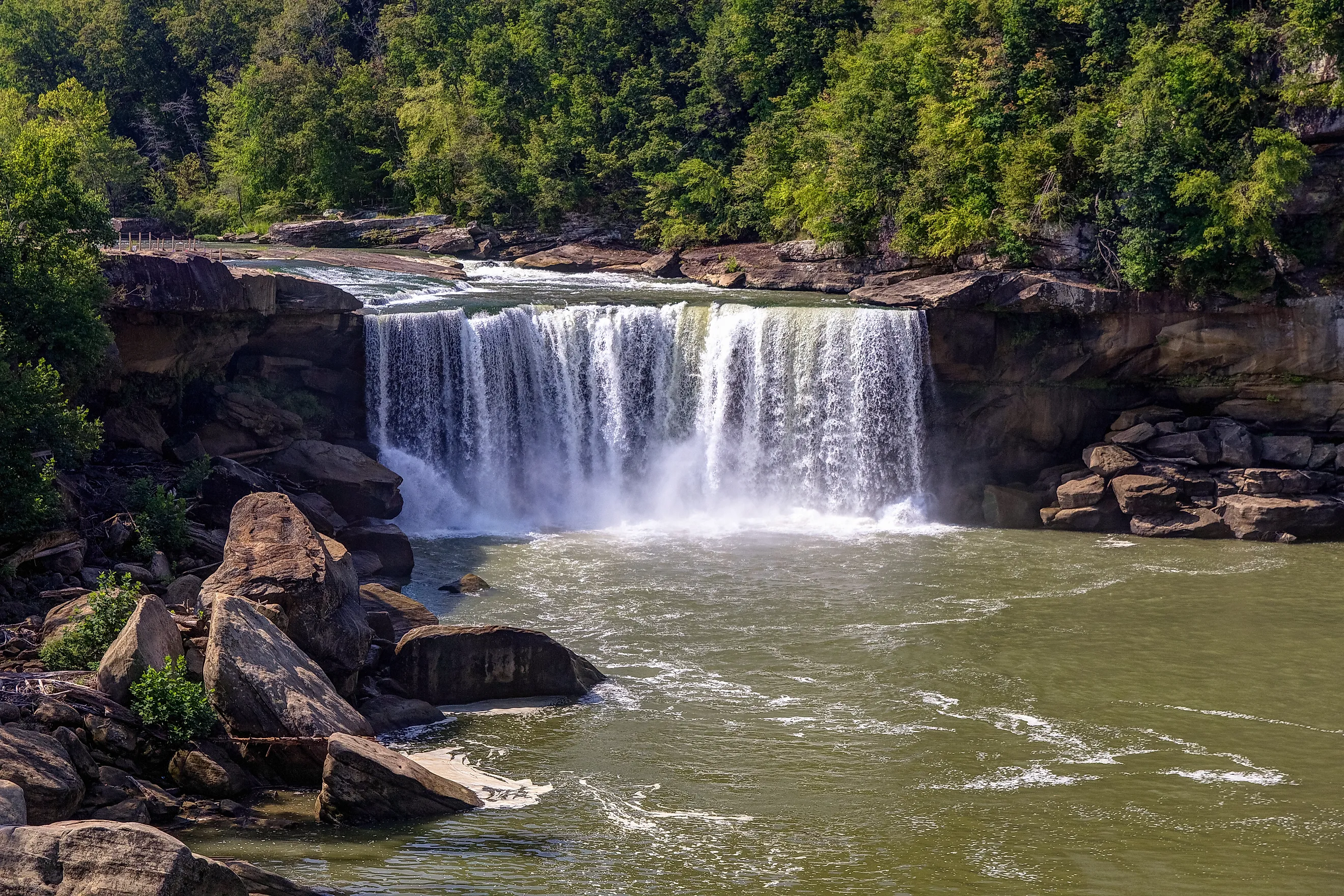
When it comes to natural wonders, Cumberland Falls is often compared to its world-famous northern cousin, Niagara Falls. It’s even referred to as the “Niagara of the South,” with a 67-foot drop, a misty gorge, and the rare appearance of a white rainbow or a lunar rainbow called a moonbow that lights up the sky for two or so days, as long as the sky is clear, on either end of the full moon. The falls, carved over millions of years ago from ancient sandstone and shale, were named for the Cumberland River, which was named for the Duke of Cumberland, a son of England’s King George II.

The 1,657-acre park was officially opened as the Cumberland Falls State Resort Park in 1931 and has since attracted around 800,000 visitors annually. In addition to viewing the surreal falls, nature lovers can fish in the nearby Cumberland River, hike along 17 miles of scenic trails, or enjoy a guided horseback trail ride through the forest. While the campground at the state park is closed for 2026, the nearby Sheltowee Trace Adventure Resort offers camping in resort cabins, rustic cabins, an RV campground, or a tent. Visitors planning an overnight stay may want to coordinate their trip with the 2026 Moonbow Dates, available on the state park’s website. For optimal moonbow viewing, visit in the summer months of June through August.
Mammoth Cave National Park

Mammoth Cave is the world’s longest-known cave system with more than 400 miles of mapped underground passages, although geologists think there may be additional passages that are still being discovered and mapped. As a tourist attraction, Mammoth Cave predates any national park in the United States. First opened for guided tours in 1816, it became an official national park in 1941, but long before that, it had already become one of the country’s earliest major natural attractions, alongside places like Yellowstone National Park (1872) and Grand Canyon National Park (1919). Like many iconic landscapes, Mammoth Cave has a storied past; its passages once served as tuberculosis sanatoriums, and the region later became the center of the so-called “Cave Wars,” a fierce competition among cave owners to attract visitors.

In 2026, it remains a much-loved tourist destination, attracting hundreds of thousands of visitors annually. Tours all begin and end at the Mammoth Cave Visitor Center and range from easy walks suitable for children, such as the Mammoth Passage Tour, to challenging crawling adventures like the Wild Cave Tour, lasting from half an hour to six hours. The park offers daily tours year-round, except on Christmas Day, but booking for the extremely popular attraction is available in advance. The best time of year to visit is spring or fall, when temperatures are mild, and the crowds are fewer. The park was named a UNESCO World Heritage Site in 1981 and became the core area of an International Biosphere Reserve in 1990.
Red River Gorge

For a change of landscape, visit the Red River Gorge in Kentucky’s 708,000-acre Daniel Boone National Forest. The area’s history dates back millions of years, during which the forces of nature sculpted the sandstone cliffs and hundreds of arches seen today. European settlement and westward expansion also left a visible mark on the landscape, including the Nada Tunnel, built between 1910 and 1911 as a logging railroad tunnel by the Dana Lumber Company. Called the “gateway to the Red River Gorge,” the tunnel is 12 feet wide, 13 feet high, and 900 feet long, and can only handle a single lane of traffic at a time.

Today, “The Red” is a well-known rock climbing and rappelling destination, with hiking routes such as the 3.5-mile Indian Staircase and Indian Arch and the 2-mile Whittleton Arch, plus kayaking on the Red River, a designated Wild and Scenic River for about 20 miles through the national forest. For hiking, climbing, and nature photography, mid-October is the perfect time to visit, thanks to beautiful fall foliage, mild temperatures, and manageable crowds.
https://www.shutterstock.com/image-photo/rock-climber-ascending-sport-route-red-628851062
https://www.shutterstock.com/image-photo/haunted-nada-tunnel-900-foot-red-411355816
Kentucky River

The Kentucky River flows 255 miles from the confluence of its North, Middle, and South forks near Beattyville to the Ohio River, where the two rivers meet at the small town of Carrollton. In the late 19th and early 20th centuries, the river was a vital transportation route for coal and timber, and a key water source for Kentucky’s bourbon business. Today, the river is best known for a 100-mile stretch that carves its way through towering limestone cliffs, the Kentucky River Palisades, creating one of the state’s most scenic waterways for paddlers. The Palisades are protected in part by the Nature Conservancy, which works to preserve the area’s natural habitats, increasing the chances of spotting wildlife, including bobcats, kingfishers, and herons along the river's banks.

Visitors can explore the slow-moving river by launching a canoe or kayak at one of the public access points along the Kentucky River, such as Camp Nelson National Monument. Thanks to the multiple entries and exits, paddlers can paddle anywhere from 3 miles to 100 miles. Spring flooding can raise the water levels in the Palisades, making paddling more difficult, so summer and fall are better seasons to paddle the river.
Breaks Canyon

Breaks Canyon sits along the Kentucky-Virginia border. Its rugged gorge formed over millions of years, as the Russell Fork River gradually carved a deep channel through the sandstone. The canyon is more than 5 miles long and 1,600 feet deep. Sometimes referred to as the “Grand Canyon of the South,” the canyon also draws visitors for camping in nearby Breaks Interstate Park and boating on the Russell Fork River. For adrenaline seekers, the “Fork” contains notable rapids, with one section earning names like “broken nose” and “twenty stitches.”

To get a bird ’s-eye view of the canyon, adventurous visitors can fly through Breaks Canyon on a 2-hour zipline tour from Canyon Rim Zip Line Adventure. Led by experienced guides, flyers cross Breaks Canyon from overlooks and platforms along the canyon rim. For the best views, mid-September to late-October offers stunning fall colors, providing the most picturesque experience.
Five Wonders, One Remarkable Landscape
Kentucky is a state where dramatic landscapes meet a rich, storied history. From a deep underground system of caves to a scenic meandering river, the unreal moonbow of a waterfall, and vast canyon-like vistas, each destination offers outdoor enthusiasts a distinct experience shaped over millions of years. What’s more, all of these unique geographic wonders are within a day’s drive of charming small towns, bourbon distilleries, and historic sites. Make 2026 the year to explore adventure, history, and scenic beauty in the five best natural wonders in Kentucky.