4 Wild Animal Hotspots in Vermont
As a northern state, Vermont’s climate is divided into four distinct seasons. It is also defined by the iconic Green Mountains, running north to south, and with dense forests that cover over 75% of the land. With a small human population and varied ecosystems, the wildlife found in Vermont is quite diverse. Much of the state's wildlife is found in the northern hardwood forests that cover so much of the state. There are 58 mammal species native to the state, 268 bird species, and 94 fish species. Important species to the Vermont ecosystems include black bears, moose, bobcats, and various migratory birds. For visitors wanting to take in some of the wildlife available, there are many choices of terrain to explore.
Northeast Kingdom

The Northeast Kingdom, also known as NEK, is a 2,000-square-mile region in the northeast part of the state. It is generally less developed than other areas in Vermont, making for excellent opportunities for observing wildlife. The region is known for its mountains and lakes, and is popular for outdoor activities, particularly the Kingdom Trails, over 100 miles of multi-use trails for mountain biking, but also hiking, running, and Nordic skiing. NEK is bordered by Canada to the north and New Hampshire to the east, and features dense forests and rolling hills. The region is celebrated for wildlife spotting, and in particular, moose, black bears, and loons.

The best times for viewing wildlife tend to be dawn and dusk, with spring and fall being the prime viewing seasons. Vermont Route 114 is known for moose spotting. The Silvio O. Conte National Wildlife Refuge is a key area for moose, along the Moose Bog Trail. Many of the northern lakes will have loons, again best found at dawn, and you will probably hear them before ever seeing them. Bears are located throughout the region, and they tend to be solitary and difficult to spot. Other species found in the region include snowshoe hares, bobcats, white-tailed deer, coyotes, and foxes.
Green Mountain National Forest

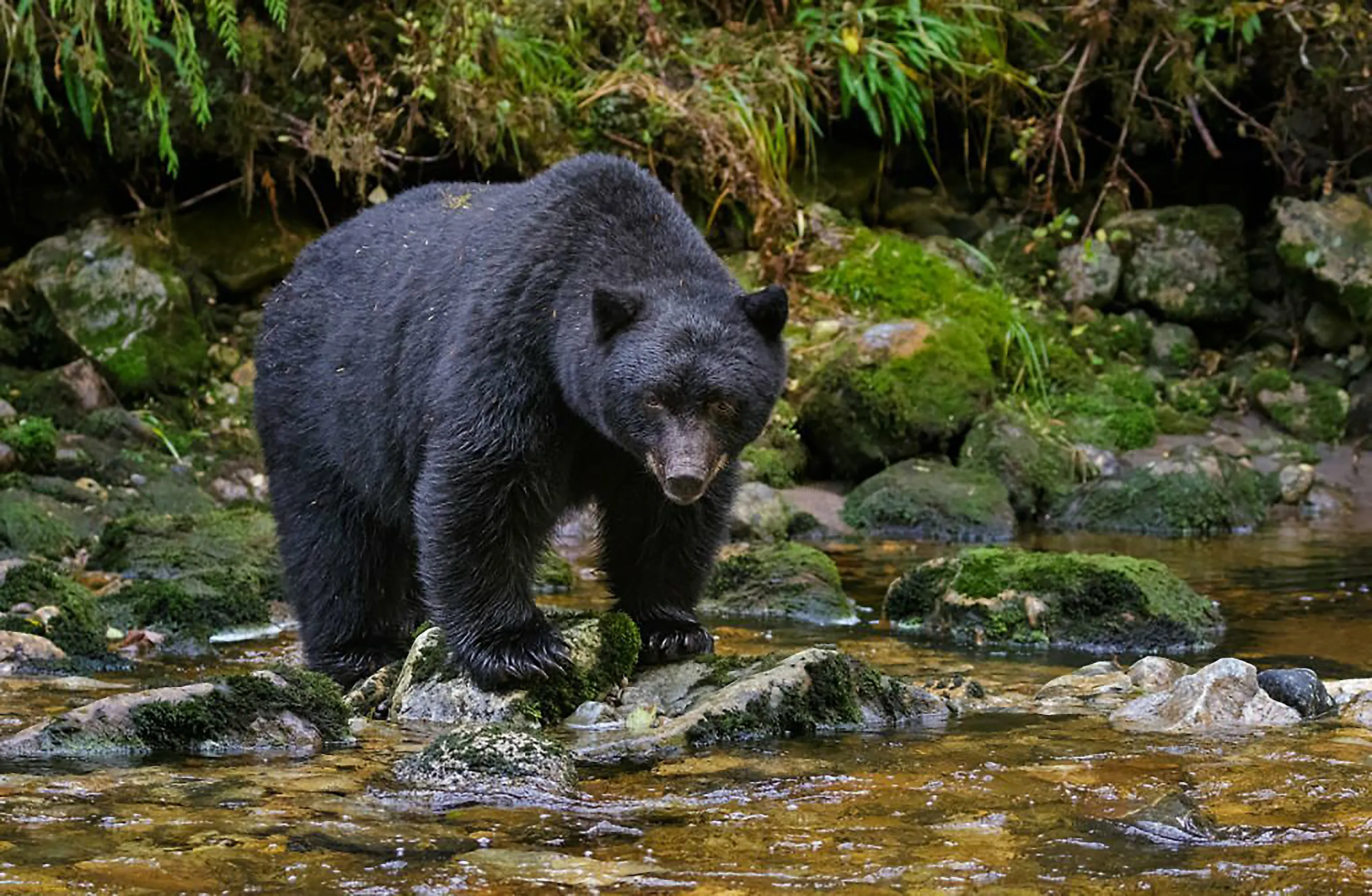
At almost 400,000 acres, the Green Mountain National Forest is one of the best areas in Vermont for spotting wildlife. In particular, the region is a great location for finding black bears, moose, white-tailed deer, coyotes, and beavers. Wild turkeys are also prevalent, and key viewing locations include the Long Trail corridor for moose and mountainous forest areas for bears. There are approximately 4,500 to 6,000 black bears in Vermont, with the highest concentration being in the Green Mountains. Early mornings in the spring and summer are when you are most likely to encounter bears.

Moose are found mostly in the northern section of the forest and along the Green Mountain spine. The Long Trail Corridor is a key area for moose, and they are best viewed in the morning in spring and summer. In the forests, you will find many species of birds, wild turkeys, ruffed grouse, and Northern saw-whet owls favor the dense forests. If you hike near water sources, rivers, creeks, and lakes, you will find plenty of opportunities to spot beavers, coyotes, and otters. The White Rocks Cliff Trail is particularly noted for porcupine sightings. Best practices for spotting include hiking or mountain biking for the best and quietest way of covering lots of ground. Driving scenic byways like Route 100 may yield good wildlife-spotting, and winter is the best time for fox, coyote, and deer. It should be noted that bears and moose can be dangerous and should not be approached or fed.
Ricker Pond State Park

Known for its remote location, general sense of quiet, peaceful atmosphere, and its clear waterways, Ricker Pond State Park is an ideal location for spotting loons, deer, beavers, and other wildlife. Located within the 26,000-acre Groton State Forest, Ricker Pond is one of seven smaller parks in the area. Entry to any one of the parks allows you free access to the others as well. The pond is a glacially formed body of water that is open for swimming, fishing, and non-motorized boating. The Montpelier & Wells River Rail Trail cuts through the park with miles of hiking and mountain biking trails for getting closer to wildlife in the area.

Ricker Pond and its surrounding area are ideal for spotting loons, which can be heard throughout the night. In the late summer, you may find loons with their chicks. For bears and bobcats, investigating the larger Groton State Forest will be better for spotting. There are guided nature hikes available, or you can go on your own to explore. Visiting on weekday mornings is the prime viewing time, as weekends tend to be busier with campers. For loons, as well as deer and beavers, late spring to early autumn are the prime seasons for spotting, and the area is particularly known for loon nesting.
Victory Basin Wildlife Management Area and Victory State Forest

This wetland and forest complex is located in the town of Victory. It is managed by the Vermont Fish & Wildlife Department, and is known for containing the largest contiguous spruce-fir basin in the state. The area provides critical habitat for boreal species that are typically found much further north in Canada. There are over 130 species of birds to be found here, plus a range of mammals. In the basin’s wetlands and bogs, you will find white-tailed deer, while moose are located throughout the larger area. The region is one of the largest deer wintering areas in the US Northeast. There is also an abundance of snowshoe hares, and in the winter, you may find tracks for the American marten.

Common predators found in the area include bobcats, fishers, coyotes, red foxes, and black bears. Rare boreal birds include the Canada jay (gray jay), black-backed woodpeckers, and the boreal chickadee, which are found in the same areas as common chickadees. The spruce grouse, once threatened, has been successfully reintroduced to the area. Other birds include Cape May warblers, rusty blackbirds, olive-sided flycatchers, and white-winged crossbills. For spotting larger mammals such as moose or bears, the best times are at dawn and dusk, with late spring and early summer being ideal for moose, while late April through June is best for migratory songbirds. In the winter, the flat terrain is best suited for snowshoeing and cross-country skiing.
The Diversity Of Vermont Wildlife
The geographic divide of the Green Mountains dominates the ecosystems of Vermont, with the northwest rocky and mountainous region standing in sharp contrast to the Champlain Valley. The high biodiversity in the state is spread over nine biophysical regions, from boreal forests in the Northeast Highlands to limestone bluffs and wetlands. For a small territory, Vermont nevertheless has a great deal of diversity in its wildlife, with plenty of areas available for visitors and residents alike to discover.