4 Wild Animal Hotspots in New Jersey
New Jersey's wildlife is as diverse as its landscape, featuring predators such as black bears and wolves in the forested hills of the Appalachian Mountains and the Delaware Water Gap, as well as rare migratory birds in zones along the Atlantic coast. The Cape May National Wildlife Refuge protects essential habitats for endangered species such as the eastern tiger salamander, while the Pine Barrens are home to New Jersey's only rattlesnake. With residents ranging from foxes and bobcats to bald eagles and piping plovers, these are among the best places to spot wild animals across the state.
Cape May National Wildlife Refuge

This nature preserve is particularly popular for viewing migrating birds and monarch butterflies. Covering over 11,000 acres of a federal sanctuary, Cape May National Wildlife Refuge is divided into three divisions. The Two Mile Beach Unit is the most popular for casual day trips, and it features one of the only remaining undeveloped maritime forests in the state. The Delaware Bay Division is ideal for shorebird migration viewing, with hundreds of thousands of migrating birds arriving to feed on horseshoe crab eggs in the late spring, while the Great Cedar Swamp Division is in the north and features forested trails with a variety of wildlife. Unlike a state park, the refuge is primarily a wildlife conservation area, without most of the extra amenities.
Great Cedar Swamp Division

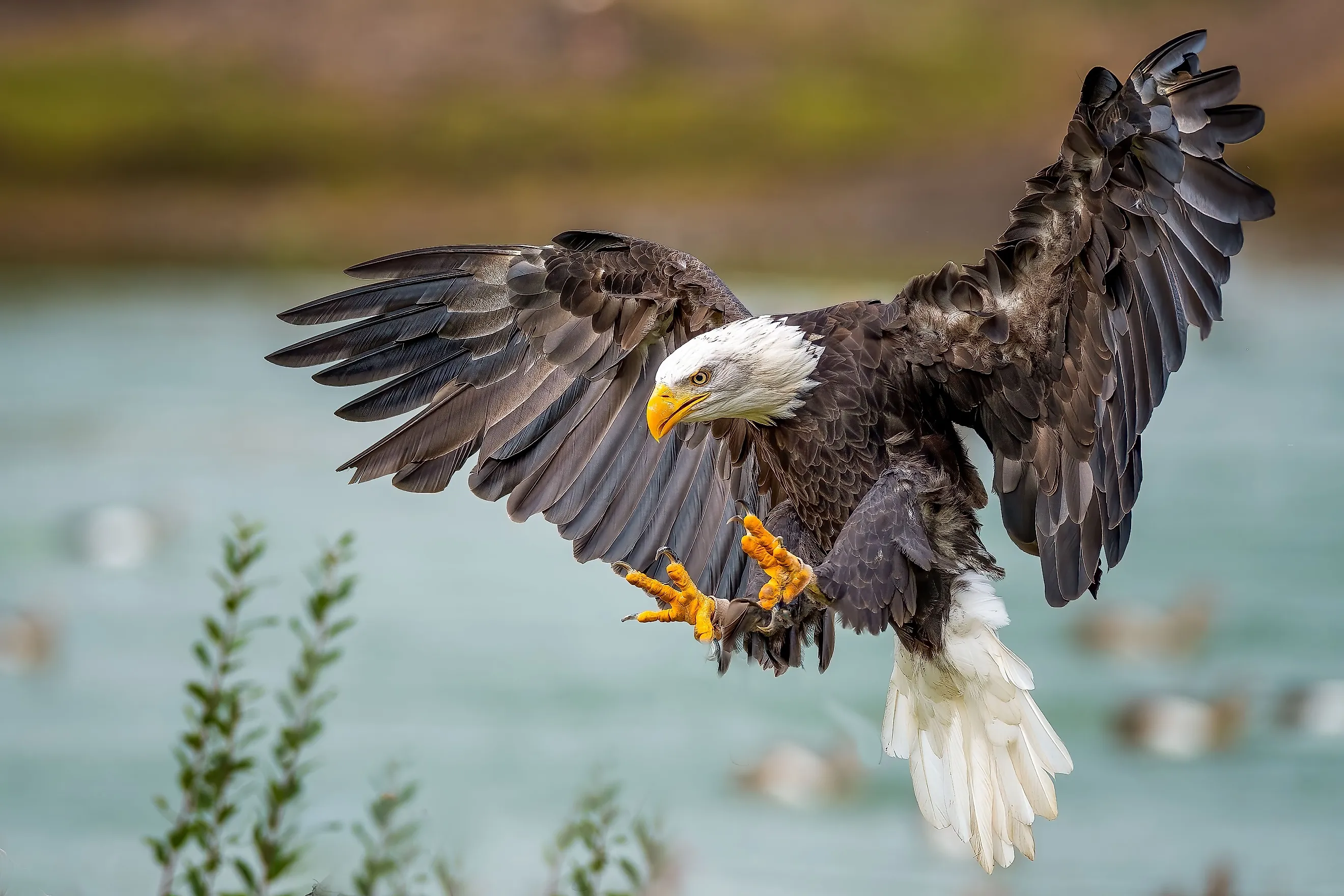
The Great Cedar Swamp division is made up of hardwood swamps, salt marshes, and forested uplands. Birds that can be found in this area include barred owls, northern saw-whet owls, and raptors such as bald eagles, Cooper’s hawks, and ospreys. Songbirds and other smaller species, such as wood thrushes and various warblers, are also abundant, as are waterfowl, including American black ducks, buffleheads, and red-breasted mergansers. The Great Cedar Swamp Division also offers opportunities to spot white-tailed deer, red foxes, river otters, and muskrats.
Delaware Bay Division

This area protects over five miles of critical bayshore habitat. This includes forests and beaches, as well as salt marshes. It is a crucial migratory stopover for shorebirds that feed on the abundant horseshoe crab eggs in spring. The Delaware Bay Division is second only to Alaska's Copper River Delta in importance as a shorebird staging area in North America. Key species in the preserve include semipalmated plovers, clapper rails, marsh wrens, and American oystercatchers, while waterfowl species include American black ducks.
There are also plenty of chances to spot raptors here, such as sharp-shinned hawks and northern harriers, which migrate through the area. The spawning of horseshoe crabs is, of course, another important part of the area’s biodiversity, and the preserve is also home to the endangered eastern tiger salamander, as well as diamondback terrapins and box turtles.
Two Mile Beach Unit

This 500-acre coastal preserve features a maritime forest, sand dunes, and tidal salt marshes. It provides critical habitat for piping plovers and least terns. The use of the beach is limited to protect the wildlife, and during the shorebird nesting season from April through September, the beach is closed to the public. Other times of the year, it is open for walking and wildlife observation. There is no swimming, picnicking, or other such activities at any time, and dogs and other pets are prohibited; however, there are some off-beach trails, including the Marsh Boardwalk Trail and Dune Trail, that are open year-round. The tidal salt marshes function as nurseries for fish and shellfish, such as blue crabs and summer flounder, and there are several species of reptiles and amphibians in the area, including rare sightings of the northern pine snake. The maritime forest and dunes are resting and feeding areas for many species, in particular monarch butterflies in the fall.
Delaware Water Gap National Recreation Area

This 70,000-acre preserve straddles the Delaware River, right on the border between New Jersey and Pennsylvania. It is managed by the National Park Service and is home to large mammals such as black bears and white-tailed deer. There are also over 225 species of birds, and, given its location in the Appalachian Mountains, there are habitats for foxes, bats, and migratory raptors. Black bears are quite common here as well and are often attracted to garbage left behind by human activity, so food must be disposed of in bear-proof cans. Other predators include bobcats, coyotes, gray foxes, and red foxes, and there are also northern flying squirrels in the area.

The Delaware Water Gap is particularly important for bird species. There is a significant population of bald eagles that can be readily seen in the winter, and it is a breeding ground for the endangered northern goshawk. Meanwhile, the Delaware River supports over 60 species of river fish, including American shad and trout, plus migratory species such as blueback herring and sea lamprey. American eels are common in these waters, too, as are freshwater mussels.
Lakota Wolf Preserve

This preserve is located near the Delaware Water Gap and is home to a range of animals. A non-profit wildlife sanctuary located in the mountains, it is the largest natural-habitat animal preserve in the Northeastern United States for wolves, bobcats, lynx, and foxes. There are four packs of wolves in the preserve, which offers guided tours to an observation area where you can watch the wolves interacting and learn about this extraordinary animal. Black bears are also frequently sighted, and occasionally bald eagles.
Pine Barrens

The New Jersey Pine Barrens consists of over 1.1 million acres of protected ecosystem, characterized by sandy, acidic, nutrient-poor soil. Pitch pine forests dominate the area, but there are also cedar swamps. The Pine Barrens cover more than 20% of New Jersey’s land area, and the ecosystem is fire-dependent, meaning it requires periodic burning, every 10 to 20 years, to maintain an ecological balance. The area is renowned for birdwatching, as well as being a habitat for rare bee species and various snakes. There are also over 34 mammal species, including white-tailed deer, beavers, river otters, and bobcats, and the area is home to timber rattlesnakes, one of only two venomous snakes in the state. The rare Pine Barrens treefrog is another local resident, as are several species of carnivorous plants.
The Wildlife Diversity Of New Jersey
The wildlife of New Jersey reflects its climate and its place on the Atlantic Coast. With hot summers and sometimes harsh winters, along with coastal climates, the variety of wildlife found in the state is vast. Environmental stresses from urban and suburban sprawl to pollution and disappearing habitats threaten some species; however, efforts are being made to preserve the natural areas of New Jersey at both the state and federal levels by setting aside thousands of acres of undeveloped land for conservation and refuge. In these safe spaces, wild animals can thrive.