5 Wild Animal Hotspots in Pennsylvania
From dense hardwood forests to lake valleys and quiet mountain ridges, Pennsylvania is packed with places where wildlife still thrives. The state's varied landscape creates ideal habitats for everything from elk to black bears to white-tailed deer to bald eagles. Whether you're an avid wildlife photographer, a casual hiker hoping for a memorable sighting, or simply curious about where nature can be found, these five wild animal hotspots in Pennsylvania offer a front-row seat to some of the Northeast's most impressive natural encounters.
Elk Country Visitor Center

The Elk Country area of Pennsylvania is home to the largest herd of elk in the northeastern United States. The Elk Country Visitor Center in Benezette is a great place to start if you are hoping to spot elk in the Keystone State. Opened in 2010, the 245-acre Elk Country Visitor Center is the result of a partnership between the Pennsylvania Department of Conservation and Natural Resources and the Keystone Elk Country Alliance. In its first four months, the center saw 51,000 visitors from 46 states and 16 countries, all of whom likely were hoping to catch a glimpse of elk.
In addition to viewing elk in a natural setting, other wildlife can be seen at the Elk Country Visitor Center. White-tailed deer, wild turkeys, birds of prey, black bears, and coyotes also live here.
Visitor Center staff note that pets are not allowed within its acreage, for their own safety. They cannot promise that visitors will see elk, but they have given some advice on the best times and places to observe them. During the fall, which is elk mating season, you may see bull elk fighting each other. In the winter, visitors may see elk among the trees. They move into the meadows in spring and summer. Dawn and dusk are the two best times to observe elk, and September and October (mating season) are the best months.
Sinnemahoning State Park

Situated in the Pennsylvania Wilds region of Cameron and Potter Counties, Sinnemahoning State Park spans more than 1,900 acres between the Elk State Forest and Susquehannock State Forest along the Sinnemahoning Creek in north central Pennsylvania. The park includes a 145-acre reservoir at its southern end, allowing for water recreation and fishing.
One of the main pastimes at Sinnemahoning State Park is wildlife viewing. Bald eagles are often seen around the reservoir. In fact, a pair of eagles has lived in the area since 2000, and visitors to the park can see them building their nest from January through March, at which time eggs are laid. The eggs hatch in April, and fledglings emerge around June. This is a spectacular sight for lucky visitors to witness.
A herd of elk also lives within the park and is often spotted at the wildlife viewing platform and 40 Maples Picnic Area. Staff warn visitors to be extra cautious around elk during June, the calving season, and September/October, rutting season, when they may be more dangerous. It is recommended that visitors wear dull colors to blend into the background, walk softly, and crouch behind rocks and trees to best catch sight of elk and wildlife. Other wildlife is seen in Sinnemahoning State Park, such as bears, coyotes, and bobcats. Pets are not permitted within Sinnemahoning State Park.
Bear Run Nature Reserve

Bear Run Nature Reserve is in the Laurel Highlands area of southwestern Pennsylvania, in Fayette County. More than 5,100 acres make up this reserve, which is adjacent to Ohiopyle State Park. Owned by the Western Pennsylvania Conservancy, the reserve is filled with over 20 miles of hiking trails, as well as campsites, recreational fishing, and hunting opportunities (without firearms). It is also the backdrop for the famous Fallingwater home, designed by Frank Lloyd Wright.
This reserve was established to conserve and restore land and water resources while supporting biodiversity and healthy ecosystems for local wildlife and native species. More than 500 species of plants grow within the reserve, with trees such as black cherry, sugar maple, American beech, chestnut oak, tulip tree, and red maple. The Bear Run stream also supports more than 10 types of snakes.
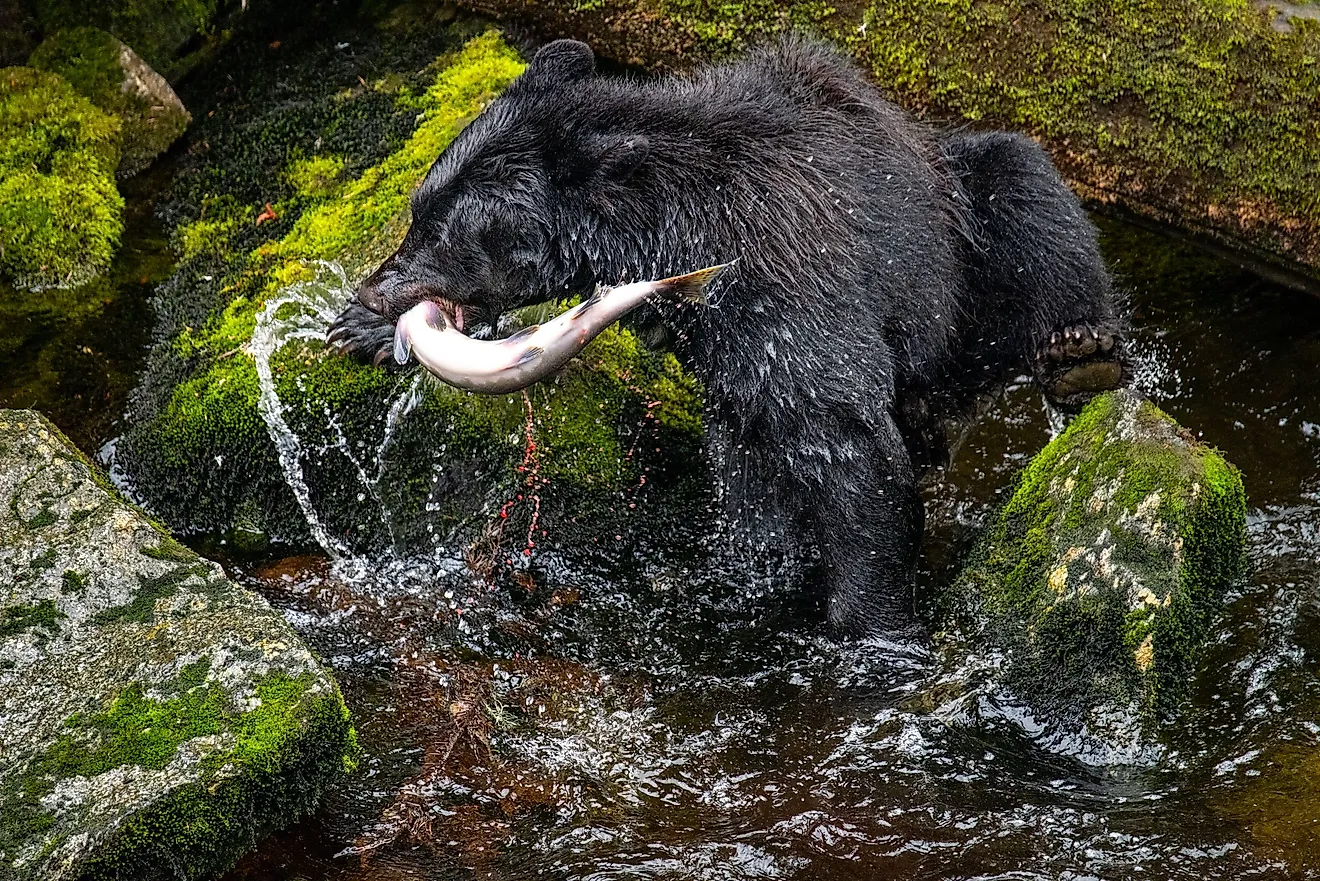
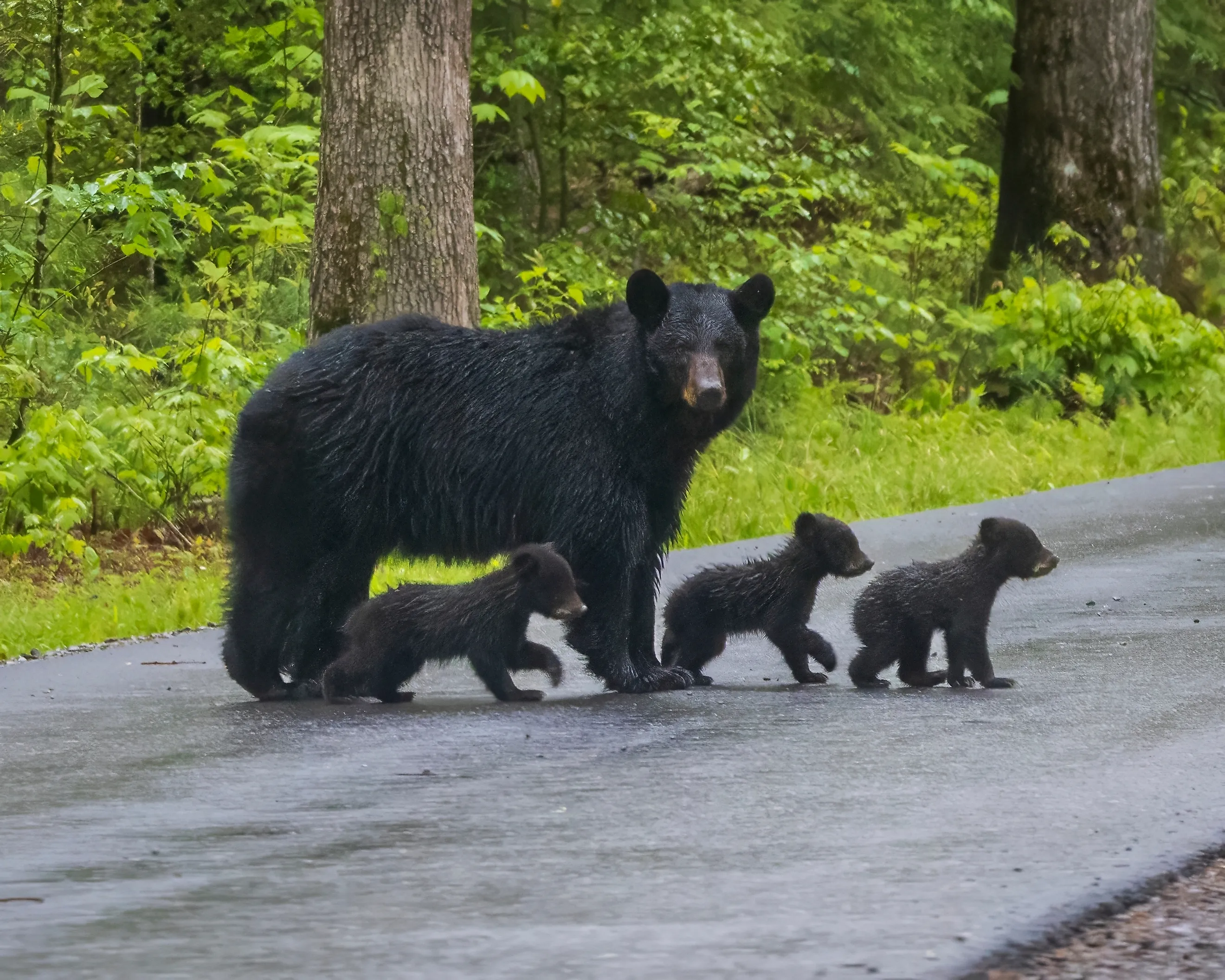
Wildlife abounds in the reserve, including black bears, bobcats, white-tailed deer, grey foxes, beavers, raccoons, squirrels, and over 53 species of birds. Visitors who bring dogs into the reserve must keep them on leash at all times. All vehicles are prohibited within the reserve. Collecting animals, rocks, plants, and any other wildlife within the reserve is also prohibited.
Pymatuning State Park

One of Pennsylvania's largest state parks, Pymatuning State Park in northwestern Pennsylvania's Crawford County, spans almost 16,900 acres. The park includes Pymatuning Lake, one of Pennsylvania’s largest lakes, mostly within the state but extending into Ohio. The park includes a fish hatchery operated by the Pennsylvania Fish and Boat Commission and many wildlife-viewing areas.
Pymatuning State Park has two natural areas in the northern part of the lake. One is Black Jack Swamp, a 725-acre hardwood and eastern white pine forest with coves, channels, and wetlands. The other is Clark Island, a 161-acre island with a hardwood forest, coves, and an inland pond. These undeveloped areas have no trails or facilities, but they can be explored by visitors.
Although the park's Wildlife Learning Center is currently closed for renovations, there are many other areas within the park to spot wildlife. The park is the only place in the state that has continuously housed nesting bald eagles. Canada geese, ducks, and other waterfowl also abound in the park. White-tailed deer, beavers, foxes, and muskrats are among the mammals on view in the park. The large Pymatuning Reservoir is home to carp, muskellunge, bass, and walleye. Visitors are reminded not to feed wildlife anywhere in the park (except for the spillway, where fish may be fed, but not ducks or geese). Leashed pets are welcome in the park.
Allegheny National Forest

Allegheny National Forest encompasses more than 500,000 acres in Pennsylvania's northwest corner. It contains more than 100 miles of trails for hiking, biking, snowshoeing, and cross-country skiing, as well as 100 miles of ATV trails. The Kinzua Dam, at almost 1,900 feet long, is a reservoir within the park used for fishing and boating. Campgrounds are also available.
This vast area is home to a variety of wildlife, including 50 mammals, 25 amphibians, 200 birds, 80 fish, 20 reptiles, and 25 freshwater mussels. Animals that have been seen within the forest are white-tailed deer, wild turkeys, black bears, chipmunks, grey foxes, beavers, wood frogs, red-backed salamanders, rattlesnakes, ruffed grouse (the Pennsylvania state bird), raccoons, snowshoe hares, and river otters. Bald eagles, hawks, owls, songbirds, and ospreys are just some of the birds spotted here.
Forest staff remind the public not to approach or follow any wildlife they encounter, but rather, observe them from a distance. Avoid wildlife during times when they might be more sensitive, such as winter, mating season, nesting rituals, and raising their young. Leash all dogs brought into the forest to keep them and wildlife safe. Do not feed any wildlife in the forest, and do not get too close to take a photograph. Again, photographing wildlife from a distance is best.
Wildlife Watching in Pennsylvania
Many kinds of wildlife, both large and small, can be seen in Pennsylvania's wildlife hotspots. Remember to stay safe when wildlife watching in Pennsylvania. Maintain at least 25 yards (or more for bears, elk, and other large animals) of distance. Use binoculars to get close-up views. Never touch, provoke, or feed animals. Keep your food secured and all pets on leashes, if allowed within the hotspot. If you are viewing during dawn or dusk, when wildlife is most active, be especially on alert and aware of your surroundings.