4 Rattlesnake Hotspots In Pennsylvania
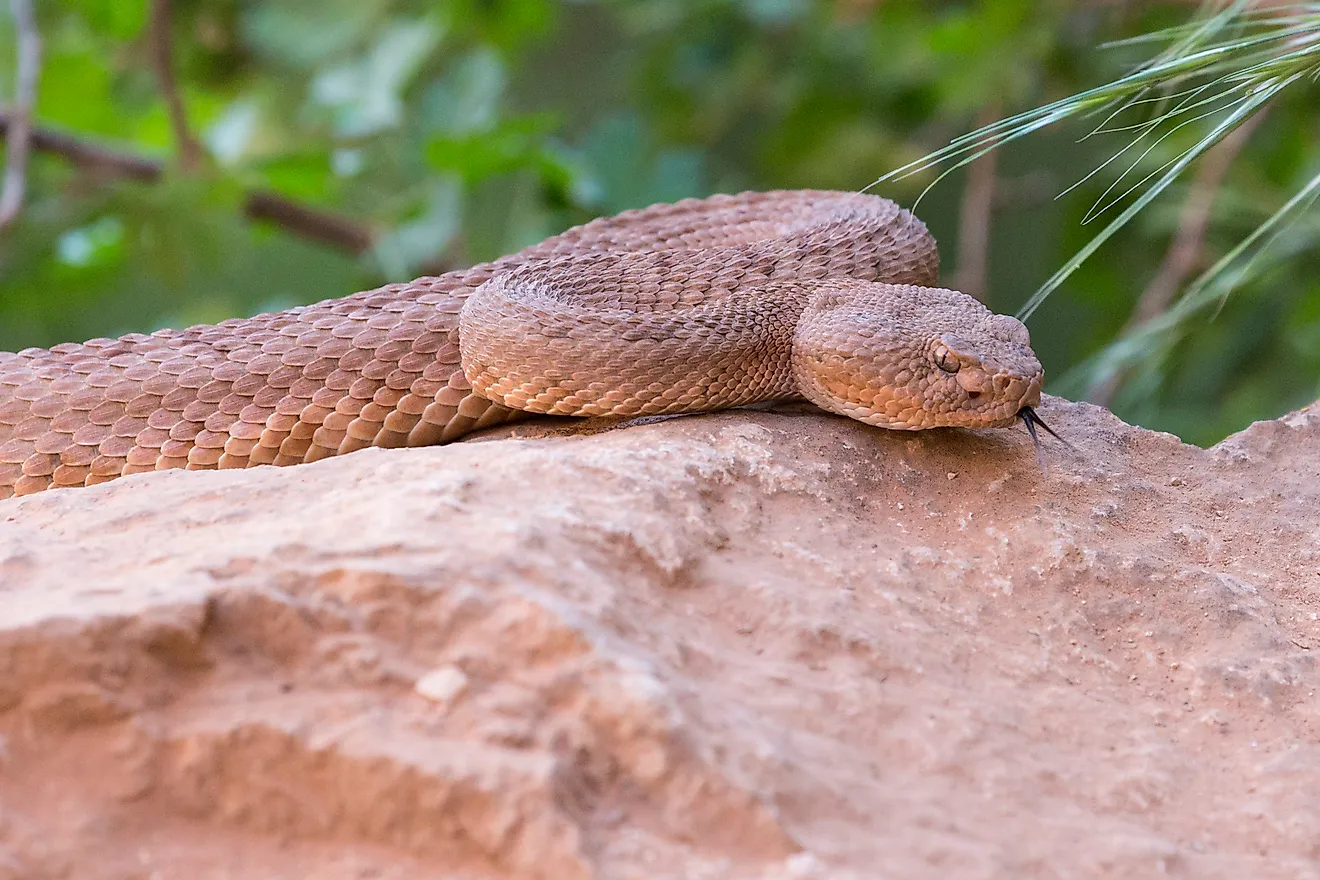
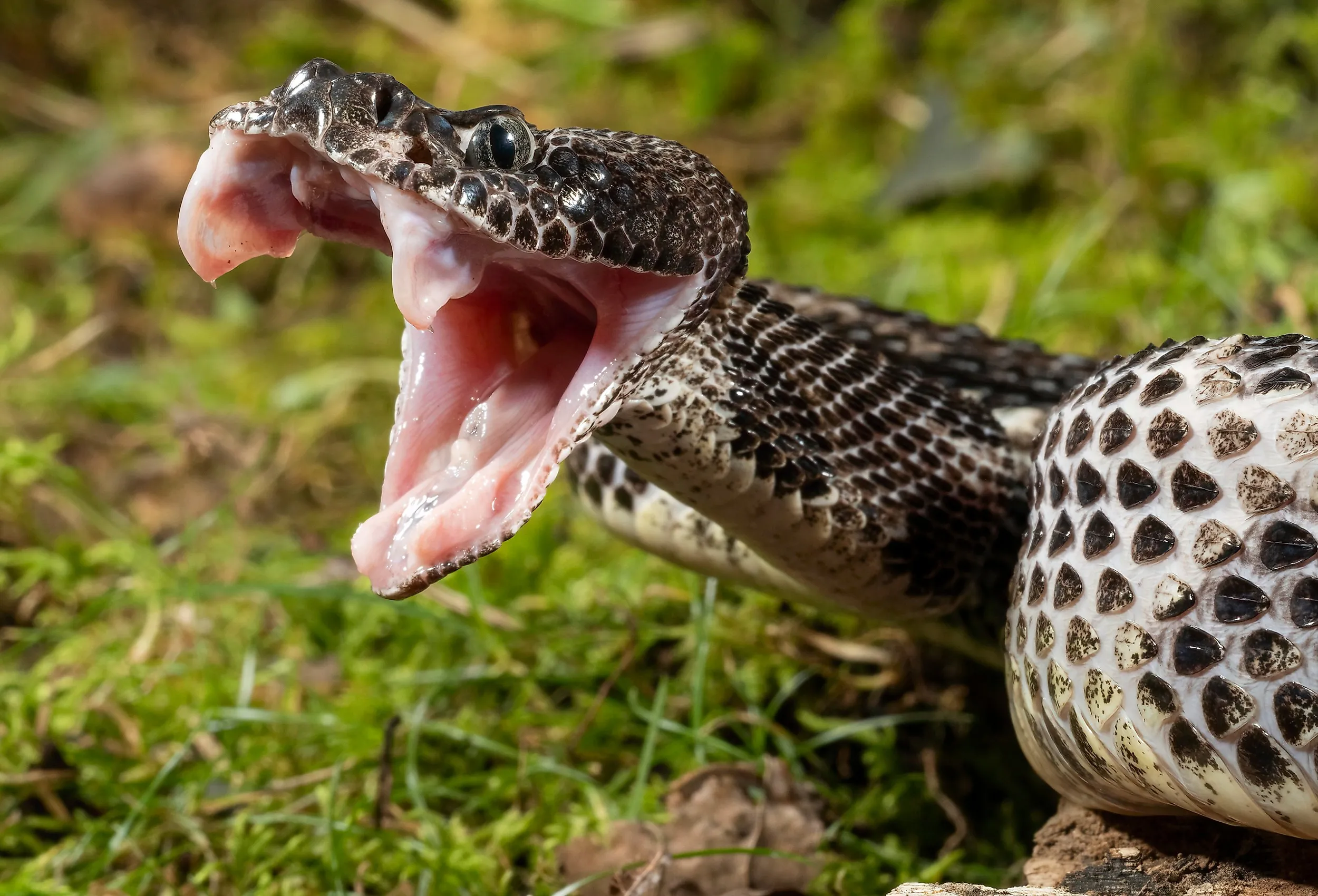
Pennsylvania is home to one of the largest remaining populations of timber rattlesnakes in the eastern United States, the only native rattlesnake species that is still considered truly widespread here. These elusive predators are primarily concentrated in the region's mountainous forests and remote state parks, where they rely on undisturbed dens and sunlit meadows far away from urban development.
While sightings are actually quite rare (especially in comparison to more desert-like environments out west), Pennsylvania's varied terrain, from the Appalachian ridges to deep gorges, does provide a number of hot spots where both snakes and their prey can flourish. Read on to see where and when you might run into one of the slithery critters this year.
Allegheny National Forest

The Allegheny National Forest in northwestern Pennsylvania boasts one of the state’s most consistent populations of timber rattlesnake. The forest’s mix of rocky outcrops and extensive hardwood cover provides ideal denning and basking zones, where both cover and food are easy to find.

Resident rattlesnakes here often live communally in talus slopes and ledges, then disperse into surrounding forests during warmer months to hunt small mammals and other critters. Moreover, the region’s relatively low development has helped preserve a number of traditional den sites, some of which have been used for several generations.
Beyond snakes, Allegheny National Forest is known for old-growth stands, the Allegheny Reservoir, and a strong population of black bears and elk. It is also incredibly popular among hikers and campers, with portions of the North Country Trail passing through the region. If you wish to walk it for yourself, just keep in mind that snake sightings are most common from late May through early fall, especially near ridgelines and lightly traveled backcountry areas.
Pine Creek Gorge

Also known as the "Grand Canyon of Pennsylvania," Pine Creek Gorge is a notable location for timber rattlesnakes, whose populations thrive on the steep, exposed slopes lining the canyon. These slopes provide secure, often unreachable for people, dens and sun-soaked areas good for resting in, while the surrounding mixed forests supply ample prey, including small mammals and birds. Note that the timber rattlers here are often observed during late spring and summer as they move between dens and hunting grounds.

The gorge itself stretches over 47 miles and reaches depths of nearly 1,500 feet, making it a wonderfully scenic destination for hikers, anglers, and birdwatchers alike. Pine Creek Gorge also hosts old-growth hemlock stands and is part of the Pine Creek Rail Trail corridor, offering visiting sightseers both natural beauty and tons of opportunities for wildlife observation. Make sure to keep your camera on hand!
Moreover, local conservation measures have done much to help maintain the canyon's pristine habitats amid growing recreational use of the area.
Ricketts Glen State Park

Ranking among Pennsylvania's most popular parks, Ricketts Glen State Park is home to more than just pretty natural landmarks and boardwalks. Several timber rattlesnake and copperhead dens can be found within its borders, particularly on its rugged slopes and forested ridges, usually far away from busy footpaths.

However, this gorgeous bit of green space is primarily famous for its 22 named waterfalls along the Falls Trail, drawing swarms of hikers from across the East Coast each summer and fall, with the latter season boasting plenty of colorful foliage to complement the already picturesque scenery here. Ricketts Glen also supports a rich diversity of wildlife besides its snakes, including bears, wild turkeys, and numerous songbird species, making it a vital conservation area as well as a tourist draw.
Blue Mountain

Blue Mountain, or Blue Mountain Ridge, is part of the Appalachian Ridge-and-Valley system stretching across eastern Pennsylvania, and is one of the few other well-documented areas for timber rattlesnake activity in the state. Its long, rocky ridge provides classic denning sites, with exposed uplands and fractured bedrock that retain heat well and offer ample protection throughout winter. Then, during summer, local snakes disperse downslope into surrounding forests and fields, increasing encounters near hiking corridors such as the Appalachian Trail.

Blue Mountain is also a major migratory pathway for raptors, drawing birdwatchers in large numbers each fall. Better yet, the ridge’s elevation and thin soils limit development, helping preserve critical habitat for a wide range of native flora and fauna. Many dens along Blue Mountain have been monitored by researchers for decades, making the area central to rattlesnake conservation efforts.
Do You Want to Spot a Rattlesnake in Pennsylvania?
While you probably won't see these cold-blooded creatures anywhere near the bustling streets of Philadelphia or Pittsburgh, Pennsylvania’s rattlesnakes remain a vital, albeit small, part of the state’s ecosystems, thriving in protected forests and other green spaces. Observing them requires caution and respect, as their presence signals healthy, undisturbed habitats, and that they are venomous after all. These areas not only support rattlesnakes but also host diverse wildlife and scenic landscapes for all to appreciate, making them important for both conservation and outdoor recreation.