4 Rattlesnake Hotspots In Ohio
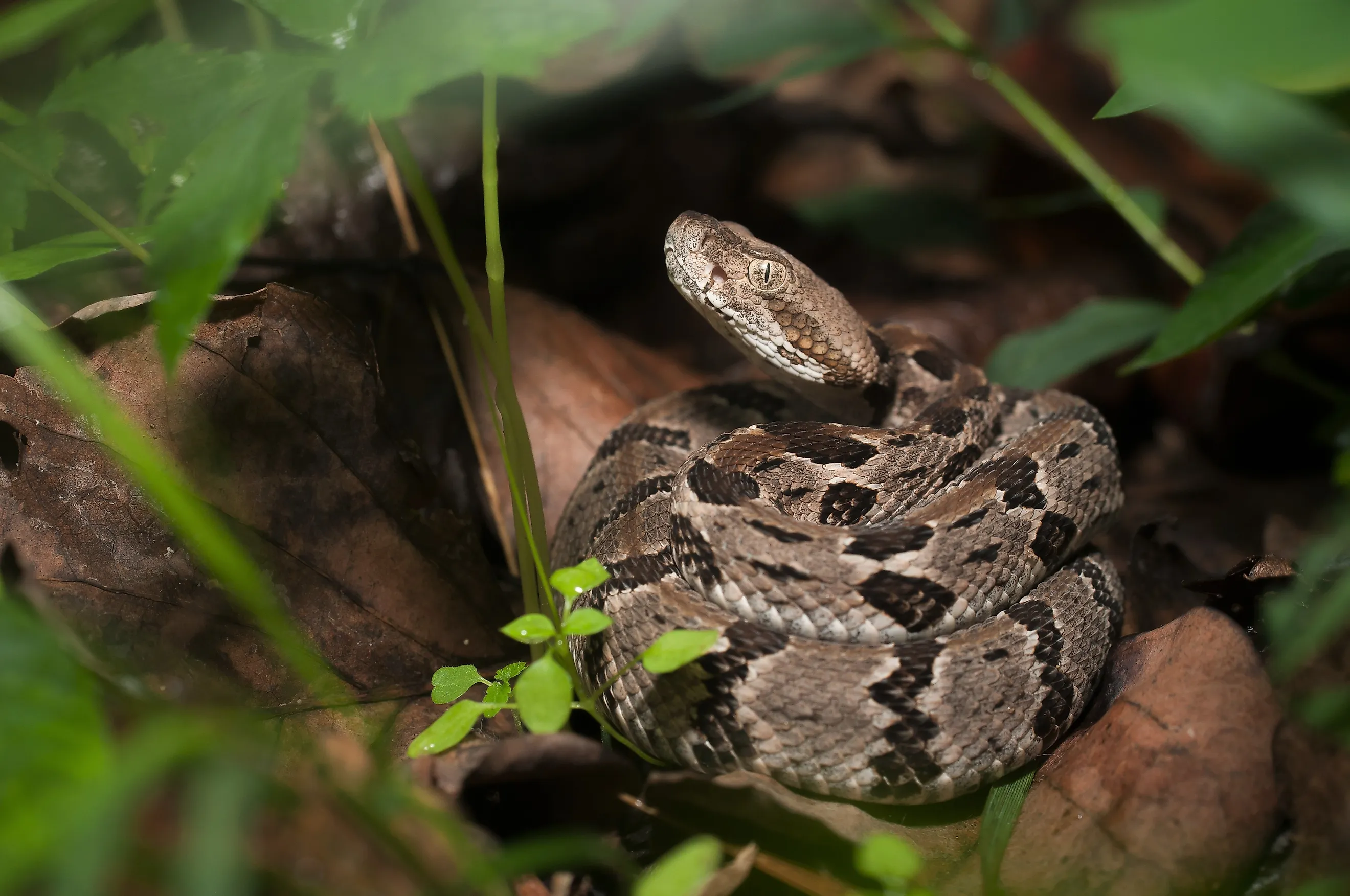
Rattlesnakes are uncommon in much of Ohio, but they do persist in specific pockets of the state where unique terrain and habitat remain favorable to these cold-blooded predators. The timber rattlesnake, one of Ohio’s rattlesnake species, is listed as state endangered and is now largely confined to the forested hills of the southeast.
While encounters with this somewhat reclusive species are rare, hikers and outdoor enthusiasts of all types should understand where populations are most stable, both for their safety and for the species' survival. With that, the following locations represent some of the most consistent rattler habitats in the Buckeye State, based on geography, snake behaviour, and historical records.
Shawnee State Forest

One of the few major rattlesnake strongholds in the state lies within Shawnee State Forest, a rugged expanse of nearly 63,000 acres in the unglaciated hills of south Ohio. Often called the “Little Smokies of Ohio,” this expansive forest’s steep ridges, rocky outcrops, and remote hollows provide ideal habitat for the timber rattlesnake. In fact, Shawnee has helped sustain one of the state’s more stable populations of this vulnerable species.
South-facing slopes hosting sun-baked ledges offer prime basking sites where you may run into resting snakes, while they are more likely to be seen on the move in the lower, denser hardwood forests that supply cover and prey.
The area is also known for its backpacking routes, including sections of the Buckeye Trail, and panoramic overlooks such as Copperhead Fire Tower. But regardless of what you come to do, visitors walking around the park should always remain alert, especially in late spring and early summer when rattlers are most active.
Zaleski State Forest

Another woodland with significant rattlesnake populations is Zaleski State Forest, a heavily forested tract in the hills of the state's southeastern corner. The forest’s sandstone cliffs, ravines, and remote backcountry create perfect conditions for timber rattlesnakes, one of Ohio’s three venomous snakes alongside copperheads and the eastern massasauga. Isolated den sites are often tucked into boulder-strewn cliffsides and other craggy spots along steep slopes.
Zaleski is renowned for its 28-mile backpacking loop, which, like Shawnee, draws hikers deep into terrain where human traffic thins and wildlife of all sorts becomes more visible. The forest also borders the former Hope Furnace, a 19th-century iron smelting site that showcases this Rust Belt region’s industrial past.
Tar Hollow State Forest

A third hotspot for rattlesnakes in Ohio is Tar Hollow State Forest, a nearly 16,500-acre preserve defined yet again by rolling ridges, narrow hollows, and thick oak-hickory forest. The rock-covered terrain and scattered sandstone outcrops here provide suitable denning and basking habitat for timber's, particularly along sunlit slopes that warm quickly in spring, while generally speaking, the forest’s relative seclusion has helped maintain viable populations in an otherwise heavily developed state.
Tar Hollow is the site of one of Ohio’s most challenging trails, too, one where you are likely to see some sort of snake species, whether rattler, garter snake, or copperhead, along the way. It comes in the form of the Logan Trail, a 21-mile loop that climbs and descends repeatedly through remote sections of the preserve. Fire towers and seasonal hunting areas also add to its appeal for outdoorsmen; just be aware of hunters and snakes in the early months of autumn.
Wayne National Forest

A less-publicized but credible rattlesnake zone in Ohio is Wayne National Forest, the state’s only national forest. Spread across southeastern Ohio in three separate units not too far from Columbus, it contains a selection of dry upland forests and remote drainages often favored by, you guessed it, timber rattlesnakes.
As mentioned, timber rattlesnakes are listed as threatened in Ohio, but viable populations thrive in isolated pockets here, particularly in less disturbed sections of the Athens and Marietta Units.
A gorgeous place for a walk as the foliage changes color in fall, and a lovely camping area in the summer, Wayne National Forest is another hotspot for outdoor adventurers as well as snakes. Long-distance hiking routes, including segments of the Buckeye Trail and the North Country Trail, are nearby, while the forest’s Lake Vesuvius Recreation Area attracts additional foot traffic, especially during warmer months, increasing the likelihood of occasional sightings near the water's edge.
Can You Spot a Rattlesnake in Ohio this Year?
Rattlesnakes in Ohio are clearly limited but not non-existent, mainly being concentrated in the state’s most rugged and least developed landscapes. Southeastern forests and rocky ridges in particular seem to continue to support timber rattlesnakes and a variety of other species, despite centuries of habitat loss.
Because of that, run-ins are not all that common here, let alone deadly ones, yet knowledge of these repiles is important for anyone hiking or exploring these peaceful wildernesses. Respecting protected habitats, staying on established trails, and observing from a distance are all easy to do and help ensure both your safety and the species' conservation.