4 Rattlesnake Hotspots In Montana
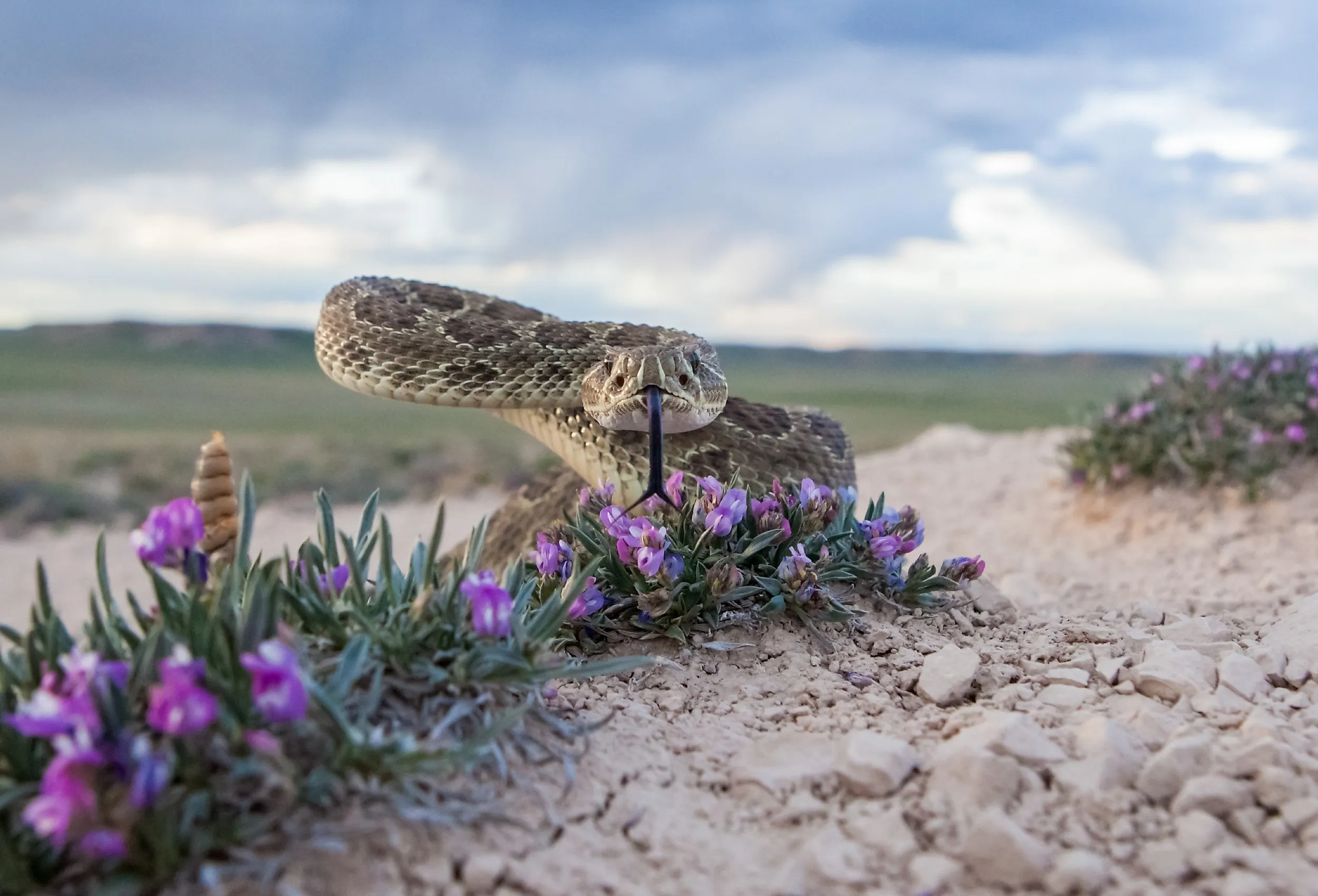
Montana is home to ten different species of snake. However, only one is venomous. The Prairie Rattlesnake (Crotalus viridis) is found throughout a variety of different habitats in Montana, except for the northwest corner of the state. They have a preference for habitats that are arid and dry, but have also been known to occupy pine forests. They are partial to south-facing slopes that have rocky outcrops that allow them to bask and seek refuge. While rattlesnakes usually choose to remain hidden, people sometimes encounter them when they stumble across their habitat. Learn more about Montana’s rattlesnake hotspots, so you can stay safe on the trails.
Bighorn Canyon National Recreation Area

Bighorn Canyon National Recreation Area stretches over 120,000 acres between northern Wyoming and southern Montana. The canyon has 15 different trails across the park, which total 17 miles of trails. The park is known for its stunning natural scenery and variety of recreational opportunities, including boating, fishing, ice fishing, camping, hiking, and wildlife viewing. This recreation area is overshadowed by more popular national parks in Montana, offering a quiet atmosphere that other parks cannot.

However, the park is favored by rattlesnakes, who often spend much of their time hiding. The prairie rattlesnake is a medium-sized, thick-bodied rattlesnake with a broad, triangular head, a tail tipped with a rattle, and keeled scales that give it a rough appearance. It typically has a tan to olive background color with darker blotches down its back and dark diagonal stripes on the sides of its face.
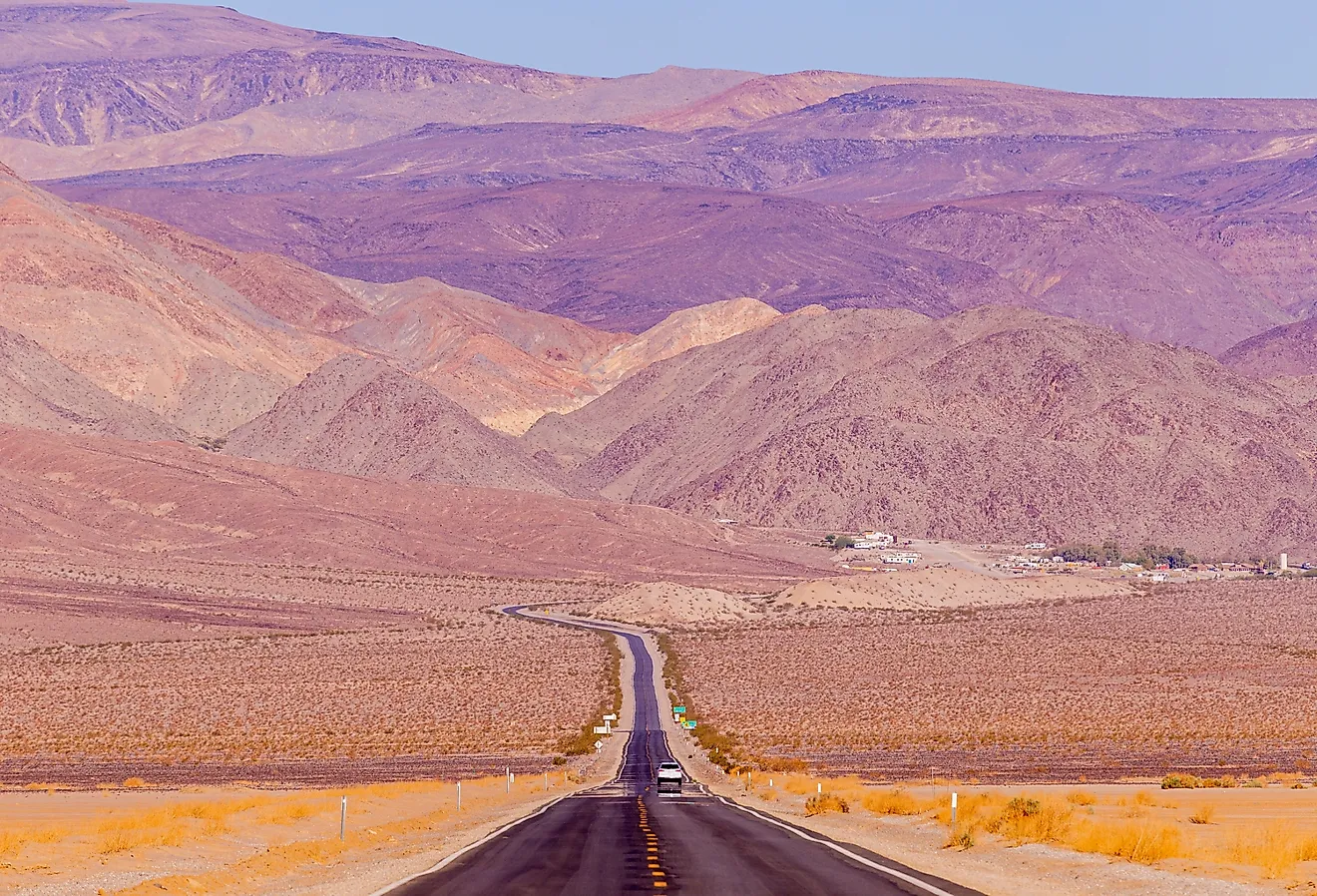
Bighorn Canyon is characterized by its dry, desert environment, which is appealing for prairie rattlesnakes. However, they have shown a preference for rocky and sagebrush-covered areas. Regardless, it is important to be careful of where you step and put your hands when hiking in Bighorn Canyon.
Yellowstone National Park

Yellowstone National Park is the oldest national park in the United States and one of the largest and best-known. It primarily sits in northwestern Wyoming. However, it stretches into southern Montana and eastern Idaho. Comprising 2.2 million acres, the park offers visitors the opportunity to view half of the world’s active geysers, view natural wonders like the Grand Canyon of the Yellowstone River, and the chance to view wildlife in their natural habitat.

While most people observe animals like grizzly bears and bison, prairie rattlesnakes also inhabit the park. Luckily, they usually inhabit areas adjacent to the lower Yellowstone River, such as Reese Creek, Stephens Creek, and Rattlesnake Butte. These areas are often hotter and drier than elsewhere in the park, making them favorable conditions for rattlesnakes. They are most likely encountered basking in the heat of the sun along the banks of the river or on trails. Fortunately, rattlesnakes are more defensive than they are aggressive, and as a result, only two bites have been recorded in the park.
Upper Missouri River Breaks National Monument

Upper Missouri River Breaks National Monument sprawls over 370,000 acres and grants visitors access to a remote and scenic part of Montana, which has remained unchanged from the expedition of Lewis and Clark. Visitors can hike to overlooks, use watercraft on the river, observe wildlife, and visit cultural and historical sites that are tied to Native American history and early homesteaders.

The rugged terrain of the area provides ample habitat for rattlesnakes, as they are found throughout the river area. Appropriate caution should be exercised when walking through tall vegetation, among rock outcroppings, around old homesteads, or gathering firewood if you are using a campsite.
Rimrocks of Billings

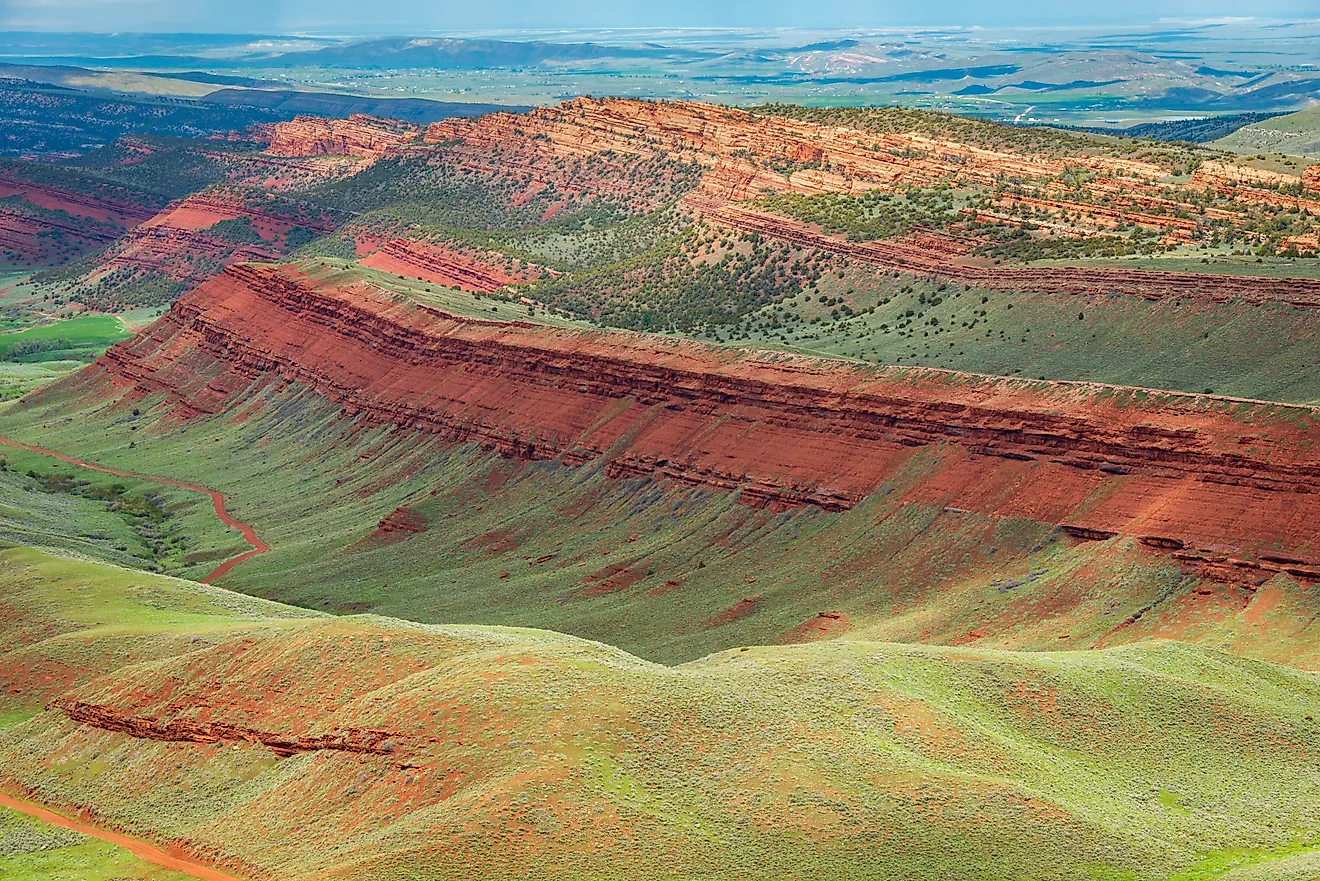
Although rattlesnakes do tend to shy away from people, that does not mean they cannot still be found in areas with high densities of humans, like the city of Billings. Billings is the most populous city in Montana, nestled on the Yellowstone River and surrounded by mountains. The sandstone rimrock cliffs stretch between Columbus and the northern outskirts of Billings. The “Rims”, as they are commonly known, are part of the Eagle sandstone formation, which is over 70 million years old and ranges in height between 200 and 500 feet above the valley floor.

Rattlesnakes are most commonly seen around city limits by the Rims, usually on hiking trails or near rocky outcrops. Prairie rattlesnakes favor south-facing slopes and areas with rocky outcrops, as they allow them to bask in the heat of the sun during the summer, and retreat underground to hibernate communally in dens called a hibernaculum.
Hike Safely in Rattlesnake Country
Snakes have long struck fear into people, and rattlesnakes, being venomous, have perhaps caused the most uproar. Although these snakes are capable of delivering a medically significant venomous bite, they are nonconfrontational and are more likely to remain hidden in the presence of humans or flee into dense shrubbery or under rock piles to escape. Despite being unlikely to cause harm, it is still important to exercise caution when hiking in Montana’s outdoors, especially in these rattlesnake hotspots.