4 Rattlesnake Hotspots In Alabama
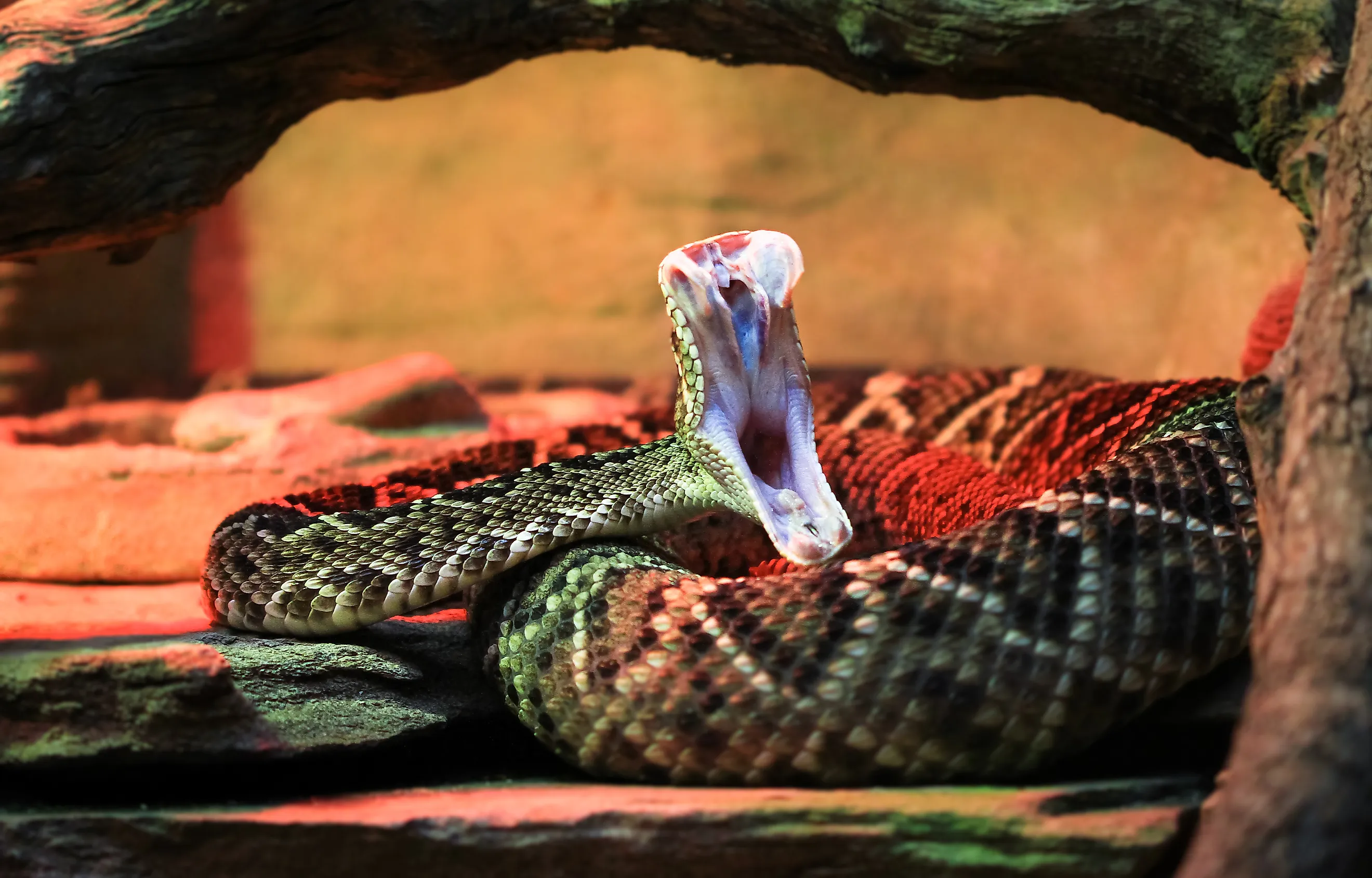
Alabama hosts a density of venomous reptiles that rivals any location in the South. The terrain shifts dramatically from the granite cliffs of the Appalachians through uplands and plains all the way down to the Gulf Coast. Indigenous cultures long revered snakes as sacred guardians, and they remain essential today for maintaining the balance of the forest food web. This geographic range creates perfect homes for the state's three native rattlesnake species. The heavy-bodied timber rattlesnake and the massive eastern diamondback dominate the landscape, while the smaller pygmy rattlesnake hunts in the undergrowth. Beginning in the northern mountains and winding down to the southern swamps, grab your boots and prepare to witness these ancient predators in their natural habitat.
Little River Canyon National Preserve

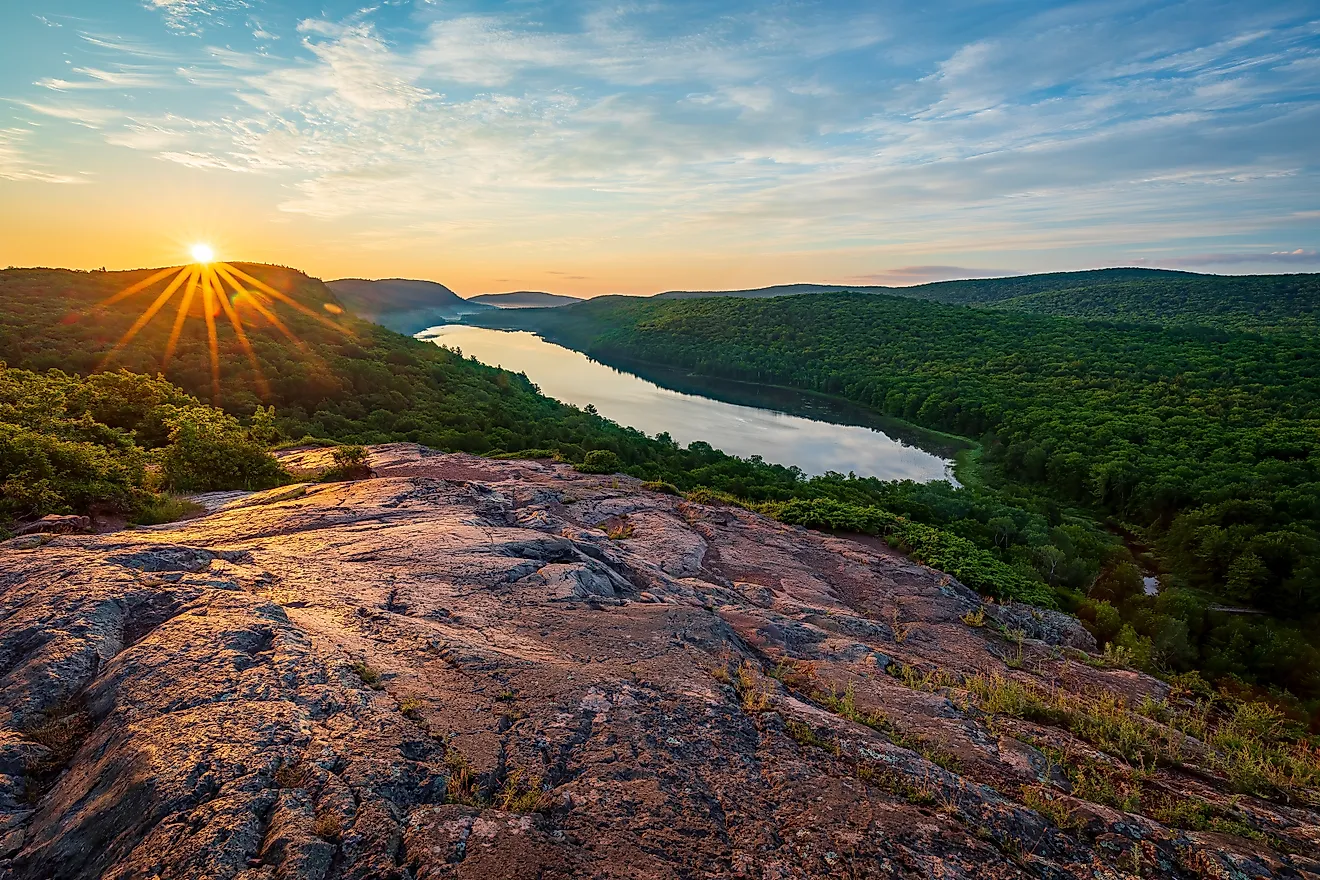
The timber rattlesnake is a venomous resident of the Little River Canyon National Preserve. This 15,288-acre sanctuary features one of the deepest gorge systems in the Southeast, where these snakes utilize the massive sandstone cliffs and granite boulders as high-quality basking platforms to regulate their body temperature. As winter approaches, the deep crevices along the canyon walls function as essential hibernacula, allowing the population to survive the freezing mountain temperatures securely tucked away from the elements.

Sightings occur most frequently where the geology intersects with human infrastructure, particularly along the Canyon Rim Parkway overlooks or near the rocky waters of Canyon Mouth Park. While they do tend to have a calm demeanor and will typically give ample warning by shaking their rattles before striking, these animals demand respect and distance. Unlike in the broader Alabama jurisdiction, where this species lacks specific protection, they enjoy full federal protection within the preserve boundaries; harming or harassing any wildlife here is strictly illegal. For those wanting a safe introduction, the Little River Canyon Center regularly hosts educational programs with the Alabama Herpetological Society. These events offer a risk-free way to appreciate the guardians of the gorge without the adrenaline of a trailside encounter.
Cheaha State Park

Rising above the Talladega National Forest, Cheaha State Park earns its name from the Creek word Chaha, meaning "high place." As Alabama’s oldest state park, it encompasses the state's highest point, creating a rugged island of biodiversity quite different from the surrounding lowlands. The timber rattlesnake is well-adapted to this montane ecosystem, where they hiberante in rocky communal dens to wait out the colder mountain winters. These steep, south-facing slopes also function as vital basking platforms in the warmer months, allowing the snakes to regulate their body temperature before hunting in the dense hardwood canopy.

As in the Little River Canyon National Preserve, encounters are most likely where humans engage most frequently with the landscape, such as along the Pinhoti Trail and the Rock Garden area near the lake. Hikers should remain aware in areas where the forest edge meets exposed stone, as these are prime locations for snakes to absorb heat. Despite their fearsome reputation, these reptiles play an essential role in pest control, keeping rodent populations in check and reducing the spread of tick-borne illnesses like Lyme disease. They are also integral to the mountain food web, serving as prey for the large raptors often seen circling the park’s peaks. Because these snakes are generally shy and rely on camouflage, sightings are relatively uncommon and interactions peaceful, with the snake retreating into a crevice if given space.
Conecuh National Forest

Along the Florida border, a distinct landscape is a vital stronghold for the South's heavy-bodied reptiles. The Conecuh National Forest consists largely of open longleaf pine savannas, where the sandy floor provides ideal hunting grounds for the eastern diamondback rattlesnake. As the heaviest venomous snake in the Americas, this species relies on the open visibility of the pine forests to ambush rodents and small mammals. Timber rattlesnakes, frequently called canebrakes in this area, inhabit the adjacent hardwood zones and creek bottoms, while the diminutive pygmy rattlesnake occupies the ground cover. A critical element of this ecosystem is the network of gopher tortoise burrows. These deep underground tunnels serve as retreats where snakes and many other species escape extreme temperatures and wildfires. To protect this fragile habitat, Alabama law strictly bans the introduction of chemicals or gas into burrows to flush out wildlife.

Finding these reptiles requires patience, as they try their best to avoid detection. Observers report the most success scanning sunny basking spots near tortoise burrows in the spring or watching trails during cooler morning hours. Alabama regulations also prohibit the possession or sale of eastern diamondbacks without a permit, a rule established to counter population declines. For those seeking a guaranteed view, the nearby town of Opp hosts an annual Rattlesnake Rodeo. In addition to all sorts of fun and games, this event allows visitors to observe the snakes in a controlled setting and learn from herpetologists, removing the uncertainty of tracking them in the dense pine scrub.
Mobile-Tensaw Delta

Dubbed "America’s Amazon," this sprawling labyrinth forms a critical junction where freshwater meets the tide. This 260,000-acre network of wetlands and river systems supports all three of the state's rattlesnakes, each adapted to a specific niche within the watery landscape. The timber rattlesnake or canebrake thrives here in the bottomland hardwood forests and the dense cane thickets, hence its local moniker, while the lower, drier reaches of the delta host the eastern diamondback, the largest of its kin and a subject of increasing conservation concern. On the fringes of these marshes, the pygmy rattlesnake, also known as the "ground rattler," relies on its camouflage to disappear into the pine flatwoods.
![The timber rattlesnake, canebrake rattlesnake, or banded rattlesnake (Crotalus horridus)[6] is a species of pit viper endemic to eastern North America.](https://www.worldatlas.com/r/w960-q80/upload/df/fc/6c/chorridus.jpg)
The delta’s ecological history is as deep as its waters, and is the ancestral home of Indigenous peoples such as the Naniaba who have lived alongside this potent fauna for generations. Today, biologists recognize these snakes as vital mesopredators that maintain balance in the food web. By consuming vast numbers of marsh rabbits and rodents, sometimes exceeding 20 per year per snake, they actively suppress disease vectors within the preserve. Unlike the strict possession bans in other areas, Alabama regulations allow for the relocation of rattlesnakes if they wander too close to human settlements. Captures may be moved to a suitable habitat within the same county on the very day they are caught, ensuring the safety of both the resident and the reptile.
Guardians of the Alabama Wild
Exploring the habitats of Alabama's rattlesnakes reveals a landscape as rugged and diverse as the creatures themselves. High atop Lookout Mountain, the Little River Canyon preserves vertical sandstone cliffs where timber rattlesnakes bask in the open air. The granite peaks of Cheaha State Park provide a similar refuge, offering deep crevices for winter hibernation above the cloud line. Descending into the riverlands, the open pine savannas of Conecuh National Forest serve as a stronghold for the heavy eastern diamondback, while the massive Mobile-Tensaw Delta hides canebrake and pygmy rattlesnakes within its labyrinth of cypress swamps. These protected spaces ensure that the state’s ancient reptiles continue to thrive in the wild.