4 Rattlesnake Hotspots In Arkansas
Arkansas presents a deceptive tranquility, where thick hardwood forests conceal a thriving population of venomous pit vipers. The geography drops from the high Ozark bluffs down to the expansive Delta wetlands. This guide tracks the highest concentrations of snakes, moving from dry western ridges to deep eastern river bottoms. This varied terrain supports three distinct species: the Timber Rattlesnake of the woods, the lowland Pygmy Rattlesnake, and the Western Diamondback of the rocky scarps. Indigenous tribes long revered these animals as powerful symbols of renewal, and today they remain critical for maintaining a healthy balance in the food web. Pack your boots and prepare to enter the wild habitats where these ancient predators thrive.
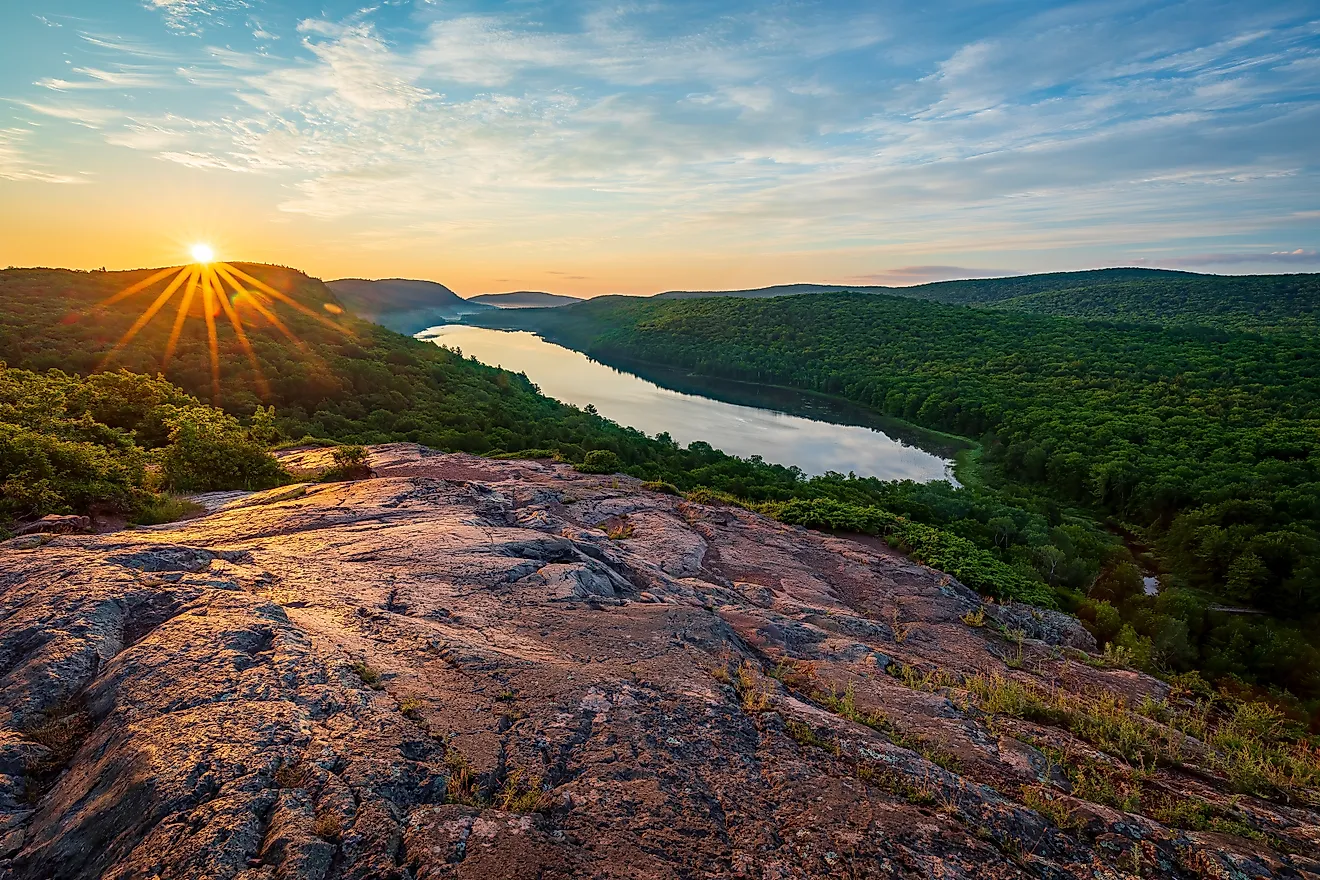
Rattlesnake Ridge Natural Area

Just west of Little Rock, a rare geological anomaly creates a pocket of desert-like heat within the temperate forest. This sweltering microclimate, known by its Ouachita Mountain Sandstone Outcrop Barrens, sustains the state’s easternmost population of the Western Diamondback Rattlesnake. The preserve’s name is no metaphor; the 13 acres of exposed, sun-baked rock at the summit provide the critical thermal requirements for these heavy-bodied reptiles to survive this far east. Unlike the surrounding woodlands, the ridge remains hot and dry, mimicking the arid conditions of the American Southwest. Here, the snakes utilize deep sandstone crevices as winter hibernacula, emerging in spring to hunt the lizards and rodents that populate the rocky margins.
Hikers hoping to spot these cryptic predators often have the most luck near the summit’s rock outcrops or along the aptly named Diamondback Trail. The Mountain Boomer Trail also cuts through prime habitat for the Eastern Collared Lizard, a frequent prey item for the resident vipers. Because of the area’s high reptile density and ecological fragility, strict conservation laws apply. Under Arkansas regulations, killing any snake here is a criminal offense carrying a Class 2 penalty, which can include fines up to $2,500 and potential jail time. This strict enforcement ensures the ridge remains a functional sanctuary where these "ecological heroes" can continue their role in controlling local pest populations.
White River National Wildlife Refuge

Known as the "Amazon of Arkansas," this 160,000-acre bottomland hardwood forest offers a stark contrast to the dry ridges of the west. The refuge’s massive floodplain supports a high density of the Timber Rattlesnake, specifically the "Canebrake" variation, distinguished by its pinkish-gray hue and dark V-shaped crossbands. Sharing the dense understory is the elusive Western Pygmy Rattlesnake, which favors the leaf litter of the swamp margins. Unlike the sun-baked rocks of the Ozarks, these reptiles utilize hollow logs and cypress knees as hibernacula to survive the mild winters of the delta.
Recent research highlights a unique ecological service performed here: secondary seed dispersal. When rattlesnakes consume seed-laden rodents, they often pass the seeds intact, effectively planting native vegetation throughout the refuge. Visitors frequently spot these camouflaged gardeners sunning themselves near the Demonstration Area observation tower or along the edges of the wetland boardwalks. While state law protects these animals, the refuge adds a layer of federal security; harming any wildlife within these boundaries carries significant federal penalties.
Ouachita National Forest

Scanning the ground is standard practice for hikers, but in this 1.8-million-acre expanse, one must occasionally glance into the canopy. Unlike their ground-bound cousins elsewhere, the Timber Rattlesnakes in these hardwood stands sometimes ascend rough-barked trees to ambush squirrels or birds. This vast network of pine-hardwood forests supports a robust population of these stout vipers, alongside the elusive Western Pygmy Rattlesnake in the damper pine flatwoods. On the drier, western rocky slopes, the Western Diamondback makes an appearance, marking the edge of its range before it fades out toward the central part of the state.
Finding them is often a matter of identifying "transition zones," specifically the edges where dense forest meets open fields or rocky ridge lines. The Denby Bay Trail near Lake Ouachita offers a high probability of sightings, particularly on south-facing slopes where the reptiles soak up the morning heat. Ecologists here emphasize a different perspective on their value; rather than just predators, these snakes serve as "nature's energy bars," providing a critical food source for hawks, eagles, and bobcats. This role as prey makes the forest not just a hunting ground, but a vital nursery that sustains the broader mountain food web.
Petit Jean State Park

Locals know to pronounce it "Petty" Jean, ignoring the French spelling of this iconic "sky island" rising above the Arkansas River Valley. The park’s geology is defined by its verticality; massive bluffs and deep ravines create a landscape where Timber Rattlesnakes occasionally utilize overhanging trees or high cliff edges to ambush prey, a behavior rarely seen in flatter terrain. Unique geological oddities known as "turtle rocks" and "carpet rocks" consist of polygonal sandstone mounds formed by ancient weathering. These formations provide perfect micro-habitats for the Western Pygmy Rattlesnake to hide within the cedar thickets. This park also serves as the eastern boundary of the Western Diamondback’s primary territory, where the species can be identified by the distinct black-and-white "coon tail" bands before its range fades out toward the central part of the state.
For those seeking a glimpse of these reptiles, Stout’s Point offers rocky outcroppings that retain heat well into the evening, attracting snakes from the shadowed ravines. The Seven Hollows Trail is another hotspot, where the "shaded, rocky corridors" of the canyon floor provide the reliable shelter and rich prey base of mice and lizards essential for survival. Visitors should also check the Visitor Center schedule for the "Hikers and Snakes" program, a ranger-led presentation that allows for safe, close-up observation without the risks of the trail. Historically, many of the paths where these vipers thrive were constructed by the Civilian Conservation Corps in 1933; the continued presence of these apex predators serves as a living testament to the ecosystem integrity the CCC worked to preserve nearly a century ago.
Final Thoughts
Exploring the Arkansas wilderness means respecting the potent reptiles that claim its ground. The sun-baked barrens of Rattlesnake Ridge sustain the state’s most concentrated population of Western Diamondbacks. Moving into the wetlands, the White River National Wildlife Refuge supports immense numbers of Timber and Pygmy rattlesnakes within its floodplain. The rock formations of Petit Jean State Park provide essential hibernation dens, drawing snakes to its heated cliffs. Finally, the vast Ouachita National Forest connects these isolated pockets, offering a widespread canopy for vipers to hunt. These locations represent the vital core of reptile conservation in the region. By observing from a safe distance, visitors help guarantee that these ancient predators continue to thrive in their native domain.