10 Of The Best Deep Sea Fishing Spots Around The US
- Deep-sea fishing takes place approximately 20-30 miles from the shoreline.
- Tuna, snapper and mackerel are commonly caught fish.
- Destin, Florida, is known as the “luckiest fishing village in the world”.
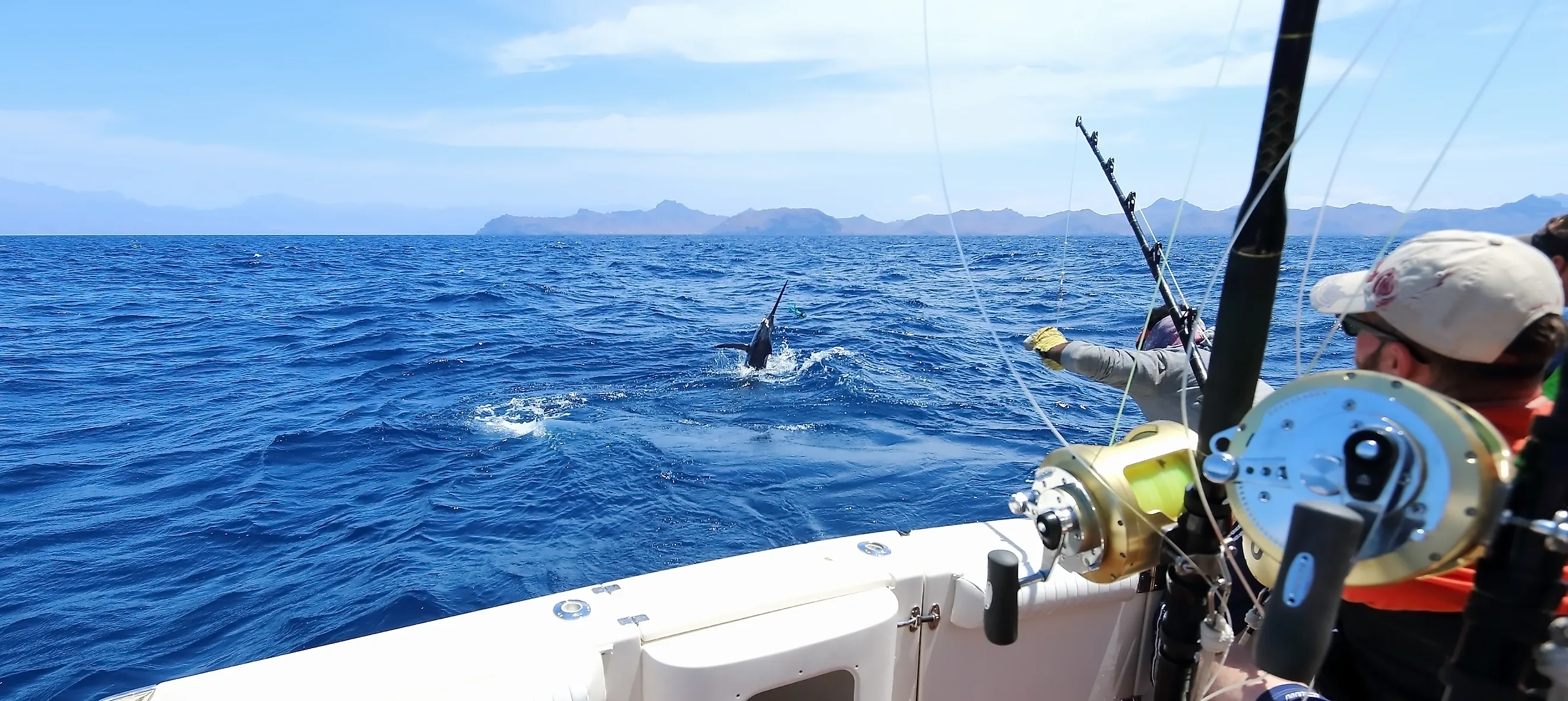
So you want to tangle with something big. Deep-sea fishing, also called offshore fishing, means leaving the calm inshore water behind and running out to where the bottom drops away, usually water at least 100 feet deep and often a good 20 to 30 miles from land. That is where the heavyweights live: marlin, swordfish, tuna, mahi-mahi, the fish that bend rods and start arguments at the dock. You will want a seaworthy boat, solid tackle, and bait, though most folks just book a charter captain who already knows where the fish are hiding, with a little help from modern sonar fish-finders. Ready to pick a launch point? Here are some of the best places in the US to head for the deep.
Florida Keys, Florida

The chain of islands trailing off the tip of Florida down to Key West sits right alongside the Gulf Stream, and that warm blue river of current is the whole secret. Slide out 10 to 20 miles and you are into sailfish, mahi-mahi, tuna, amberjack, and king mackerel, with something biting pretty much all year. Winter is prime time, when sailfish stack up and the bite peaks around December through February. Pack sunscreen, not a sweater.
Charleston, South Carolina

Charleston spoils you with options. Run 45 to 60 miles offshore to the Gulf Stream and you are hunting mahi-mahi, wahoo, and sailfish; hang back closer to shore, five to 10 miles out, and you can fill a cooler with spadefish and barracuda without the long boat ride. The warm Lowcountry water keeps fish around the calendar, so there is rarely a bad weekend to wet a line.
Outer Banks, North Carolina

The skinny barrier islands off North Carolina have long billed themselves as a billfish capital, and the numbers back up the bravado: anglers boat marlin and sailfish here by the hundreds every season. Blue marlin peak in June, white marlin and sailfish take over in August and September, and yellowfin tuna show up to keep your arms tired in between. Better still for newcomers, plenty of OBX charters run lessons, so you do not need to know a gaff from a gunwale to come home with a fish.
San Diego, California

San Diego runs some of the best sportfishing on the planet, and early summer is when it catches fire, as warm water pushes up from Mexico and brings yellowtail, dorado, and tuna along the Baja coast and outer banks. Want more? Day boats run south to Mexico's Coronado Islands for an even bigger haul of fish, arranged through any number of charter outfits. Just do not forget your passport, because you are technically leaving the country.
Galveston, Texas

Book a full day out of Galveston and a 12-hour run will carry you 40 to 80 miles into the Gulf of Mexico, where the bottom gives up red snapper, grouper, and cobia (the locals just call it ling). Charters here hand you everything, tackle and bait included, so you can focus on the reeling. Bring a camera, because nobody believes a fish story without the photo. Welcome to Texas, where even the snapper run big.
Seattle, Washington

Seattle's fishing happens mostly on Puget Sound, the deep, protected inland sea the city wraps around, and the headliner is Chinook salmon. You can chase them year-round, though most anglers zero in on the November-through-April stretch for resident "blackmouth" Chinook. Drop a line deeper and you will tangle with lingcod, cabezon, and flounder holding around the rocky bottom. Plenty of guides happily take first-timers, so green anglers are welcome aboard.
Montauk, New York

Out at the very tip of Long Island, Montauk is a fishing town to its bones, and the variety off Montauk Point is wild: cod, sharks, sea bass, you name it. The headliner arrives in summer, when giant bluefin tuna roll through, fish that can top 1,000 pounds and test both your tackle and your back. Charters run extended day trips and overnighters, and they will take anyone game enough to climb aboard.
Destin, Florida

Destin has been called "the world's luckiest fishing village" since the 1950s, when Florida governor LeRoy Collins ducked out for a quick trip and came back inside 20 minutes holding a fat king mackerel. The nickname stuck, becoming official in 1956, and the luck is really geography: just offshore, the DeSoto Canyon plunges thousands of feet, funneling in mackerel, grouper, tuna, marlin, and even mako sharks. With the largest charter fleet in Florida tied up in the harbor, you can pick a half-day outing or a multi-day bluewater expedition, whatever your stamina allows.
Virginia Beach, Virginia

For mid-Atlantic muscle, point the bow toward the Norfolk Canyon off Virginia Beach, where the deep water serves up billfish, tuna, and marlin. This is record country: the biggest blue marlin ever landed in Virginia waters, a 1,093-pounder, came out of that canyon back in 1978, and it still tops the state list. Charters head out daily from Rudee Inlet and welcome every skill level, rookies and rod-and-reel veterans alike.
Cape Cod, Massachusetts

Cape Cod is one of the most storied fishing grounds anywhere, beloved by rank beginners and grizzled pros alike. Steer east into the Atlantic and you can load the boat with bluefin tuna, and the run out is half the fun, with porpoises and whales surfacing in the food-rich waters nearby. Closer in, striped bass and bluefish keep the action steady. Book a long haul, a 16-hour trip if you are chasing a true trophy, and lean on the captain's read of the season, since limits shift with the calendar and the spot.
Tight Lines
Coast to coast, the pattern is the same: find where the bottom drops away or the current runs warm, and the big fish follow. Whether you are after a Gulf Stream sailfish off the Keys, a thousand-pound bluefin off Montauk, or a Gulf grouper out of Galveston, the move is identical: book a captain who knows the water, bring a cooler and a camera, and hang on. The fish are out there. The only real question is which coast you point the bow toward first.