10 Amazing Arkansas Day Trips That Are Worth The Drive
Arkansas runs from the flat cotton fields along the Mississippi River to the peaks of the Ozark Mountains, a range that gives the state more variety than its size might suggest. The state's biggest airport is in its capital, Little Rock, and from there you can reach Johnny Cash's boyhood home, Hall's Creek Canyon, migratory bird refuges along one of North America's major flyways, and even a presidential library without straying too far from the city. These 10 Arkansas day trips show just how much of the state opens up within a day's drive.
Museum of Discovery (within the city)

Located in downtown Little Rock along the Arkansas River, the Museum of Discovery was founded by writer Bernie Babcock, who set out to push back against the stereotype that Arkansans were unintelligent “bumpkins.” The museum still makes that point in memorable fashion, with Guinness World Record-breaking exhibits such as the Guinness World Records musical bi-polar Tesla coil. The coil sends out 200,000 volts of electricity to play songs.
That isn't the only spine-tingling attraction in the museum. It also lets visitors relive the F3 tornado that hit several areas of Little Rock in January 1999 at the Tornado Alley Theater. If you're traveling with children who need calmer attractions, then try out the relaxing Sensory Cove with a bubble wall and tactile toys.
William J Clinton Library and Museum (within the city)

Commonly known as Bill Clinton, he served as the United States' 42nd President from 1993 to 2001, during the years between the end of the Cold War and the beginning of the Global War on Terror. Three years after he left office, the William J. Clinton Presidential Library and Museum was established in Little Rock, Arkansas, his home state. Located along the Arkansas River, the museum's permanent collection includes a replica of the White House Cabinet Room, the Oval Office, a Presidential Limousine, and artifacts from the president's early life in Arkansas.
Currently, the museum is marking America’s 250th anniversary with an exhibit titled “Making Amends.” It traces the story of constitutional amendments from the early days of the republic through the Civil War and into the modern era. Next door is Clinton Presidential Park, an urban green space that includes 13 acres of restored wetlands.
Pinnacle Mountain State Park (24 minute drive)

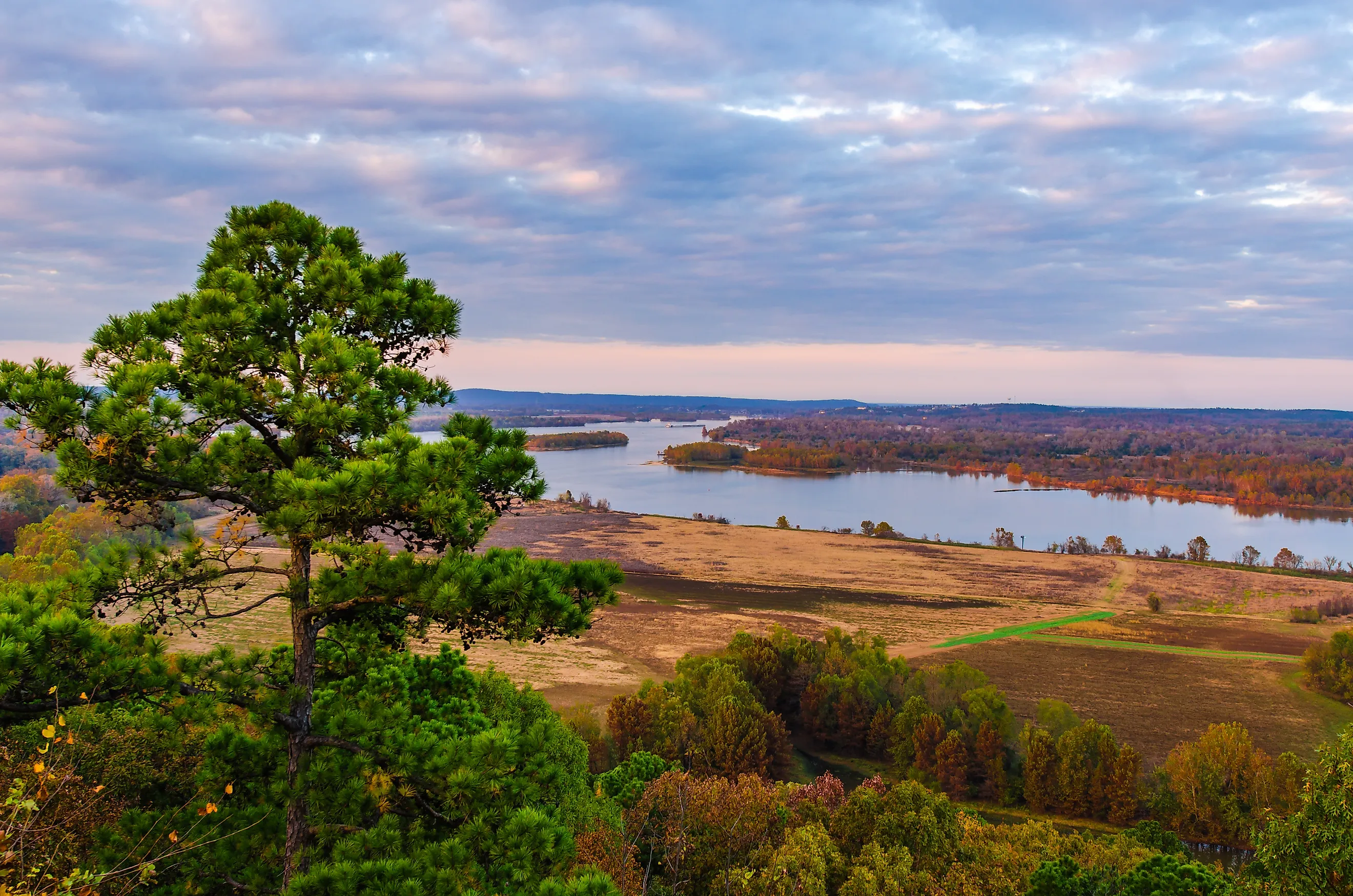
This mountain park is located right outside of Little Rock. The 1,011-foot-tall Pinnacle Mountain sits right between the Big Maumelle and Little Maumelle Rivers. This beautiful landscape is today home to more than 33 miles of hiking trails and nearly 19 miles of biking trails.
From the park, you can hike up to the top of Pinnacle Mountain and look down into Little Rock, or go on relaxing strolls near the two rivers. Throughout the park, you'll find interpretative signs on the Trail of Tears, an event in the 1830s where many Native American tribes, including the Cherokees, Choctaws, Creeks, Seminoles, and Chickasaws, were forcibly removed from their lands and pushed to the West.
Big Lake National Wildlife Refuge (2 hour, 47 minute drive)

The 11,038-acre Big Lake National Wildlife Refuge is filled with swamps, hardwood forests, and a shallow lake that averages about 3 feet in depth. This lake was formed in 1811 to 1812, when the New Madrid earthquakes changed the river into the lake and swamp environment that exists today.
Today, this wildlife refuge contains a wide variety of waterfowl, white-tailed deer, bobcats, and even armadillos. It's been declared a Globally Important Bird Area by the American Bird Conservancy. For wildlife watching, you can take a boat out into the shallow waters, or hike up to Mud Island, Timm's Point, or Brights Landing, which also includes a fishing pier, from where you can go fishing for largemouth bass.
Hampson Archeological Museum State Park (2 hour, 29 minute drive)
Long before settlers came to Arkansas, many Native Americans lived here. Although many of their settlements and villages have been lost to time, the Hampson Archeological Museum State Park maintains many artifacts from a village used by the Nodena people from 1400 to 1650 AD. These people were part of the Late Mississippian Culture and lived in a farming-based civilization along the Mississippi River.
The village covered 15 acres and was protected by a palisade. The museum preserves pottery and other artifacts from the people who lived here, including a pot shaped like a human head. They were primarily farmers, though hunting also helped sustain the community. Admission to this fascinating site is free.
Johnny Cash Boyhood Home (2 hour, 32 minute drive)

Johnny Cash was one of America's most iconic singer-songwriters, living from 1932 to 2003, producing music that defied one genre and drew on country, rock and roll, blues, gospel, and other styles. He grew up in a small home in Mississippi County, Arkansas, from 1935 to 1950. He would work with his family here picking cotton, which inspired some of his earliest music.
Today, his home is owned by Arkansas State University and is open for tours Monday through Saturday from 9 a.m. to 3 p.m. The site preserves the charm of his family home while also offering photos and information about how he grew into the legendary singer who would inspire people around the world with his powerful bass and baritone voice.
Wapanocca National Wildlife Refuge (2 hour, 16 minute drive)

The Wapanocca National Wildlife Refuge used to be a hunting club, but today serves as an important refuge for migratory birds, including blue herons and bald eagles. It sits within the Mississippi Flyway, a known migration route. While most of the land around it is used for rural agriculture, the refuge is an island of forests in a sea of agriculture.
From here, you can view wildlife in the bottomland hardwood forest or out on the 600-acre Wapanocca Lake, which averages about 4 feet in depth. If you arrive from March 1 to November 30, you can go fishing for largemouth bass, bluegill, or catfish. The refuge still preserves some of its hunting heritage, as deer and raccoon hunting are allowed here. Just make sure to have the required hunting license before you begin.
Mississippi River State Park (1 hour, 43-minute drive)

The Mississippi River forms much of Arkansas' eastern border and runs through some of its most scenic areas. For those looking to see the best side of the river, head to the Mississippi River State Park. From here, you can go driving on the National Scenic Byways of the All-American Great River Road or Crowley's Ridge Parkway, or go out on the Bear Creek Lake or Storm Creek Lake.
The park serves as an entry point to the 1.2 million-acre Ozark-St. Francis National Forest. By stopping here, your day trip may quickly turn into a long weekend journey as you can hike up mountain peaks, explore the underground Blanchard Springs Caverns, or cross over the stone arch natural bridge at Alum Cove Natural Bridge Recreation Area.
Hall's Creek Canyon Natural Area (2 hour, 25 minute drive)
The Ozark Mountains are well known for their gentle rolling hills and mountains, but rugged sections remain for the discerning traveler to explore, such as Hall's Creek Canyon Natural Area. This narrow canyon is within a 33-acre natural area, making it easy to see all it has to offer, from rare wall rue spleenwort on the canyon walls to caves and hiking trails.
For example, visitors can see a fissure that stretches from the bottom of the canyon to the top, known as the Needle's Eye, or explore Elephant Cave or venture out to one of the natural springs in the area, such as Ravenden Springs. These spring waters were very popular among travelers and tourists for their alleged healing properties.
Mammoth Spring State Park (2 hour, 47 minute drive)

Speaking of springs, the largest natural spring in Arkansas is less than 3 hours' drive away from Little Rock at Mammoth Spring State Park. Nine million gallons of water flow into the water from Spring River every hour, forming a 10-acre lake, then running southward as the Spring River. There are hiking trails around this vast spring, along with intriguing historic spots, from an old mill to an 1886 Frisco train depot, which doubles as a museum. The Spring River itself is a popular fishing spot, due to the large population of trout found here. You can rent kayaks or pedal boats to go out onto the lake.
Right next to the park is the Mammoth Spring National Fish Hatchery. It raises fish to stock for recreational fishing and conservation.
From Presidential history to Ozark Springs
All of these day trips offer something unique. At the William J. Clinton Library and Museum, you can see how Arkansas' culture and values influenced one of America's more recent presidents, or how the difficult life of picking cotton inspired some of Johnny Cash's classic songs. The parks here range from important migratory bird refuges to vast springs and canyons, while others preserve the tragic yet important history of the Trail of Tears. From the Bill and Hillary Clinton National Airport in Little Rock, you can reach all of these places and more during your next day trip.