The Beetle Colorado Released To Kill A Tree
Here is a genuinely wild one. Colorado once deliberately released a foreign beetle into the wild with a single, blunt mission: kill a tree. And it worked. Then it kept right on working, in ways nobody quite planned for, until eventually the government had to step in and pull the plug. This is the strange, cautionary saga of the tamarisk leaf beetle, and how a cheap little bug became one of the most effective, and most controversial, tree-killers in the American West.
The Tree Nobody Wanted
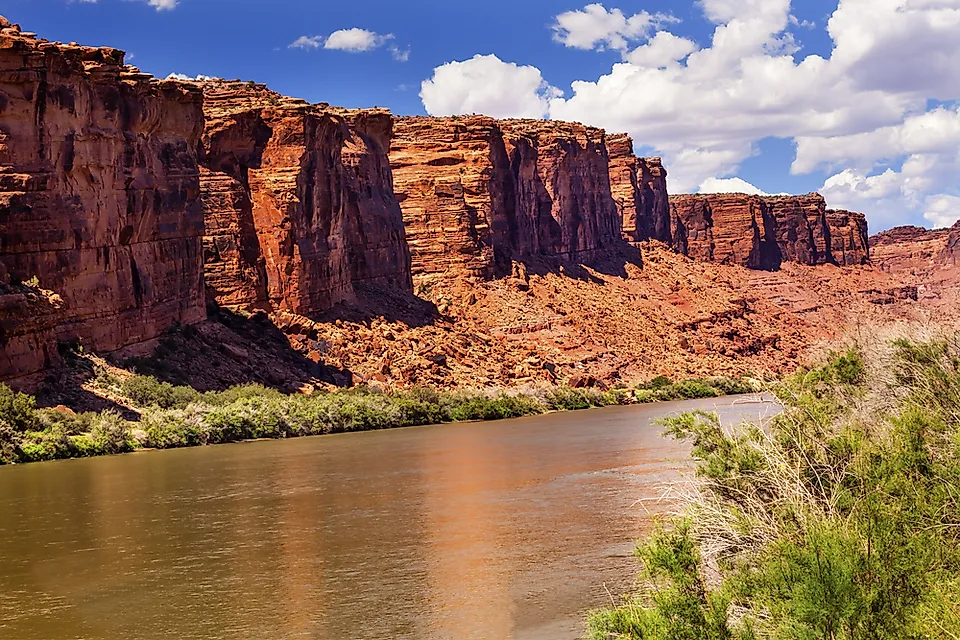
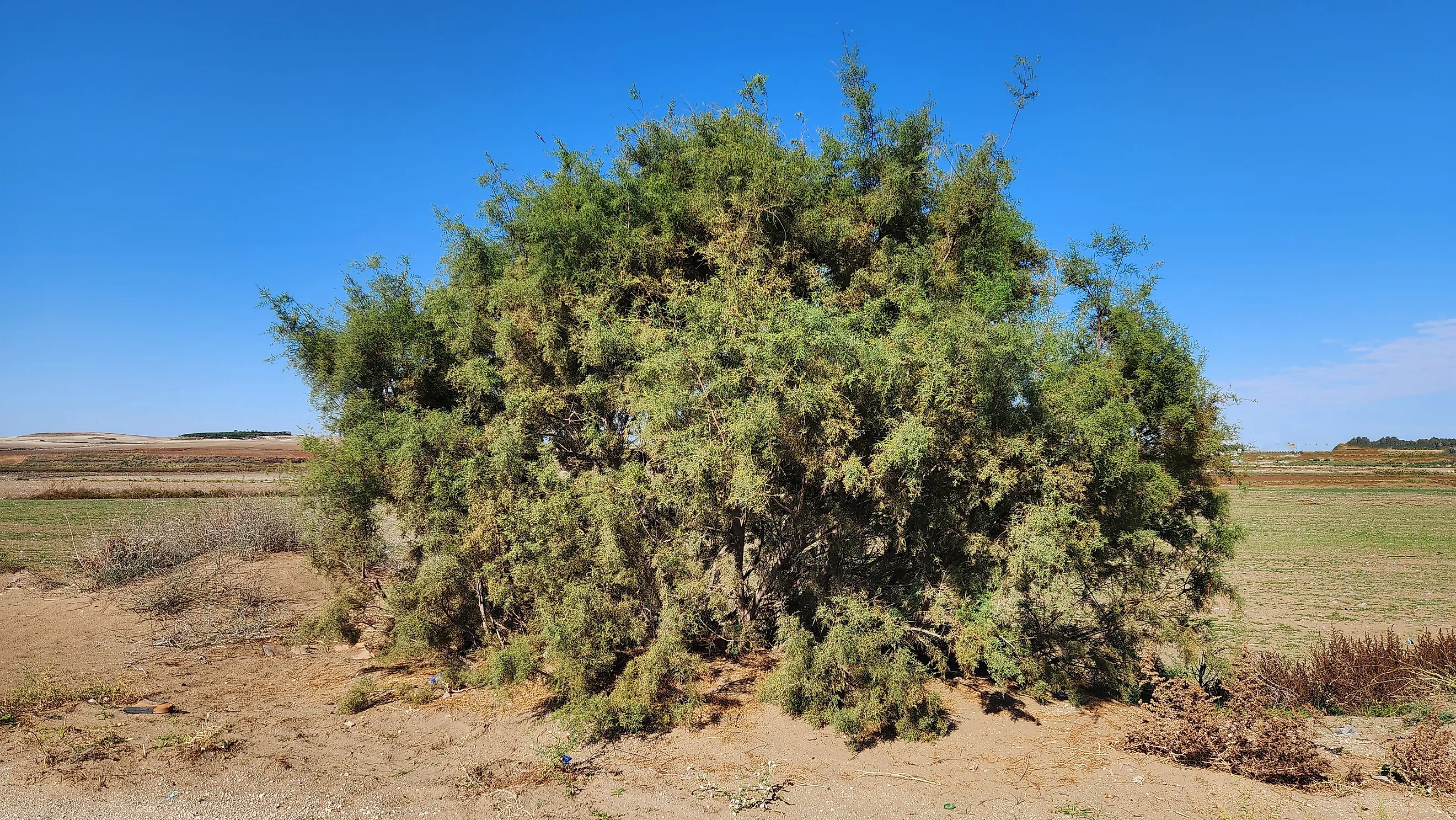
First you have to meet the villain of the story: a tree called tamarisk, better known out West as saltcedar. It was brought over from Eurasia in the 1800s as a decorative plant and for erosion control, and it promptly escaped cultivation and went feral across the entire region. Tamarisk is a genuine monster of a weed. It chokes riverbanks in dense thickets, guzzles staggering amounts of water, leaves the soil too salty for other plants, feeds wildfires, and shoulders aside the native cottonwoods and willows that are supposed to line western rivers. For decades, land managers bulldozed it, burned it, and sprayed it with herbicide, all with pretty limited success. Tamarisk just kept coming back for more.
Enter the Beetle

So in the 2000s, Colorado tried a cleverer and far cheaper approach: send in a natural predator. The weapon of choice was the northern tamarisk leaf beetle, a small striped insect from the same corner of Eurasia where tamarisk originated, where it had been happily munching the plant for millennia. After years of careful testing to confirm it would eat tamarisk and basically nothing else, the Colorado Department of Agriculture's Palisade Insectary began rearing the beetles and releasing them along the state's river drainages starting in 2005, even handing them out to landowners free of charge. The method is grimly simple. The beetles, especially the ravenous larvae, strip a tamarisk completely bare of leaves. The tree pushes out new growth, the beetles devour that too, and after enough rounds of this, the exhausted tamarisk finally gives up and dies. Call it death by a thousand nibbles.
It Worked, Maybe Too Well
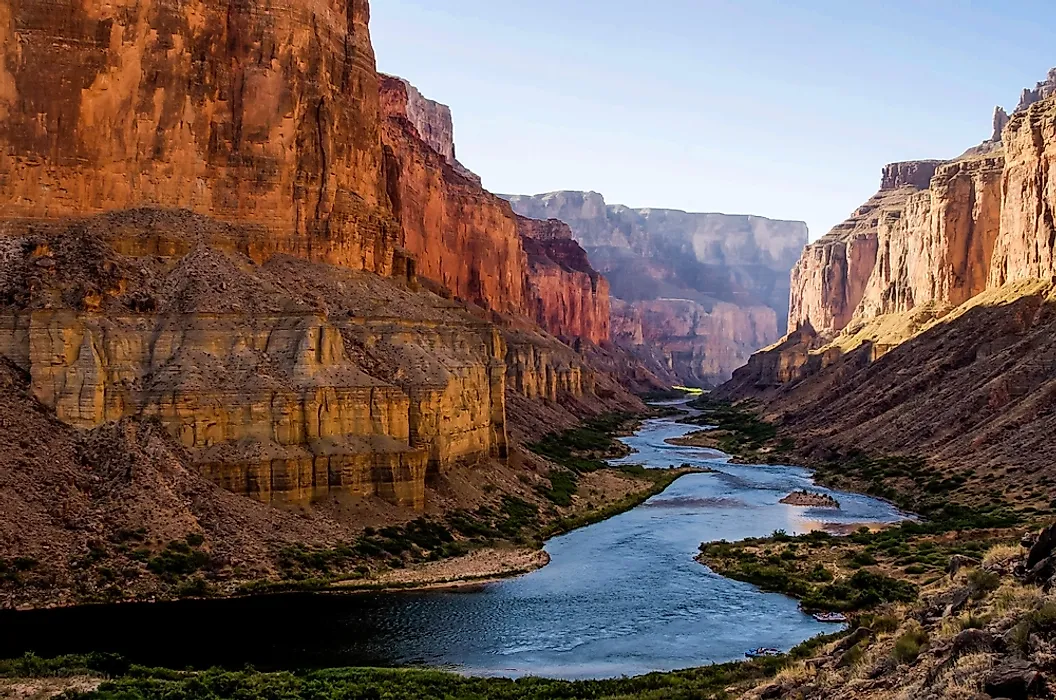
And it worked beautifully. The beetles tore into the tamarisk with real gusto, defoliating tens of thousands of acres across Colorado, Utah, Nevada, and Wyoming and turning once-green thickets a telltale, crispy brown. For a bug you could release essentially for free, the payoff was enormous. But there was one catch nobody had fully reckoned with: a beetle, unlike a bulldozer, does not politely stay where you put it. The tamarisk beetle started spreading entirely on its own, and fast, rolling down the Colorado River and the Green River and well beyond anywhere anyone had actually planned to treat.
The Bird Nobody Thought About

And this is where the whole story takes a sharp and unexpected turn. By wiping out so much tamarisk, the beetle accidentally demolished the home of an endangered bird: the southwestern willow flycatcher. Here is the cruel irony of it. Over the many decades that invasive tamarisk had been taking over the riverbanks, this little bird had lost most of its native cottonwoods and willows, so it adapted and simply started building its nests in the tamarisk instead. Which meant that when the beetles swept in and stripped the tamarisk bare, they were effectively bulldozing the flycatcher's nurseries at the worst possible moment. A program designed to heal western rivers was suddenly threatening a federally protected species it was never meant to touch.
Colorado Hit the Brakes

The backlash was swift. In 2010, facing lawsuits and the flycatcher crisis, the USDA shut the entire program down, revoking its permits and making it illegal to move the beetles across state lines. But here is the fundamental problem with releasing a bug into the wild: you simply cannot un-release it. As the director of Colorado's own insectary bluntly put it, the beetle has absolutely no respect for state boundaries. It is still out there today, still spreading on its own, with or without anyone's permission. The real lesson of the tamarisk beetle is that biological control can be astonishingly cheap and effective, and almost completely impossible to take back once it is loose. Colorado set out to kill a tree, and it succeeded, only to learn the hard way that nature almost never stops exactly where you want it to.