Where People Are Moving To In Wyoming In 2026
Wyoming added 2,031 residents from July 2024 to July 2025, reaching 588,753 according to Census Bureau estimates released in March 2026. Behind that 0.3% gain, 15 of the state’s 23 counties added population, and net migration of 1,732 drove almost all of the growth. Laramie County led the state with 1,120 net migrants as Cheyenne continued to draw households from the Colorado Front Range and prepare for Microsoft’s larger data-center footprint. Sheridan County followed, with Sheridan still absorbing remote workers and retirees drawn to the Bighorn foothills. Lincoln County kept gaining from the Jackson spillover as Alpine, Star Valley Ranch, and Afton picked up households priced out of Teton County. The places below show where Wyoming’s population is actually moving.
Cheyenne

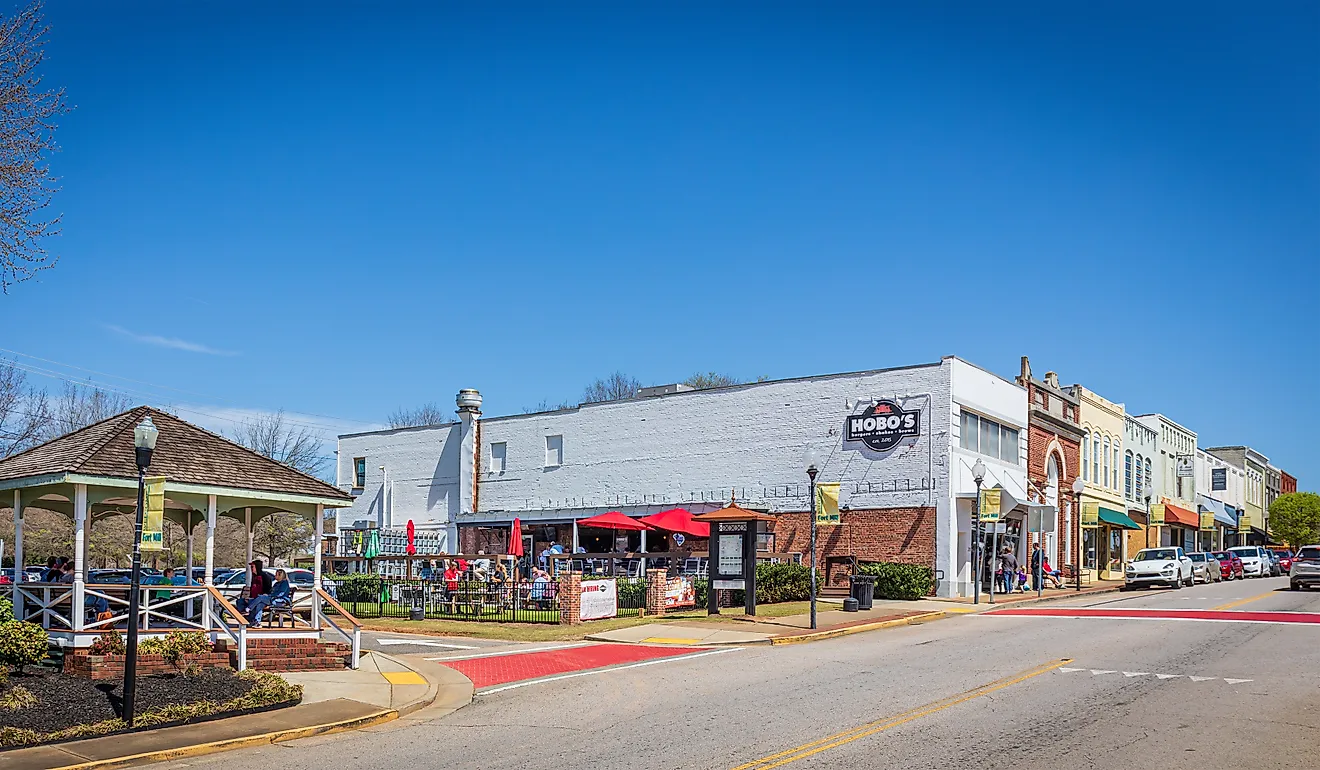
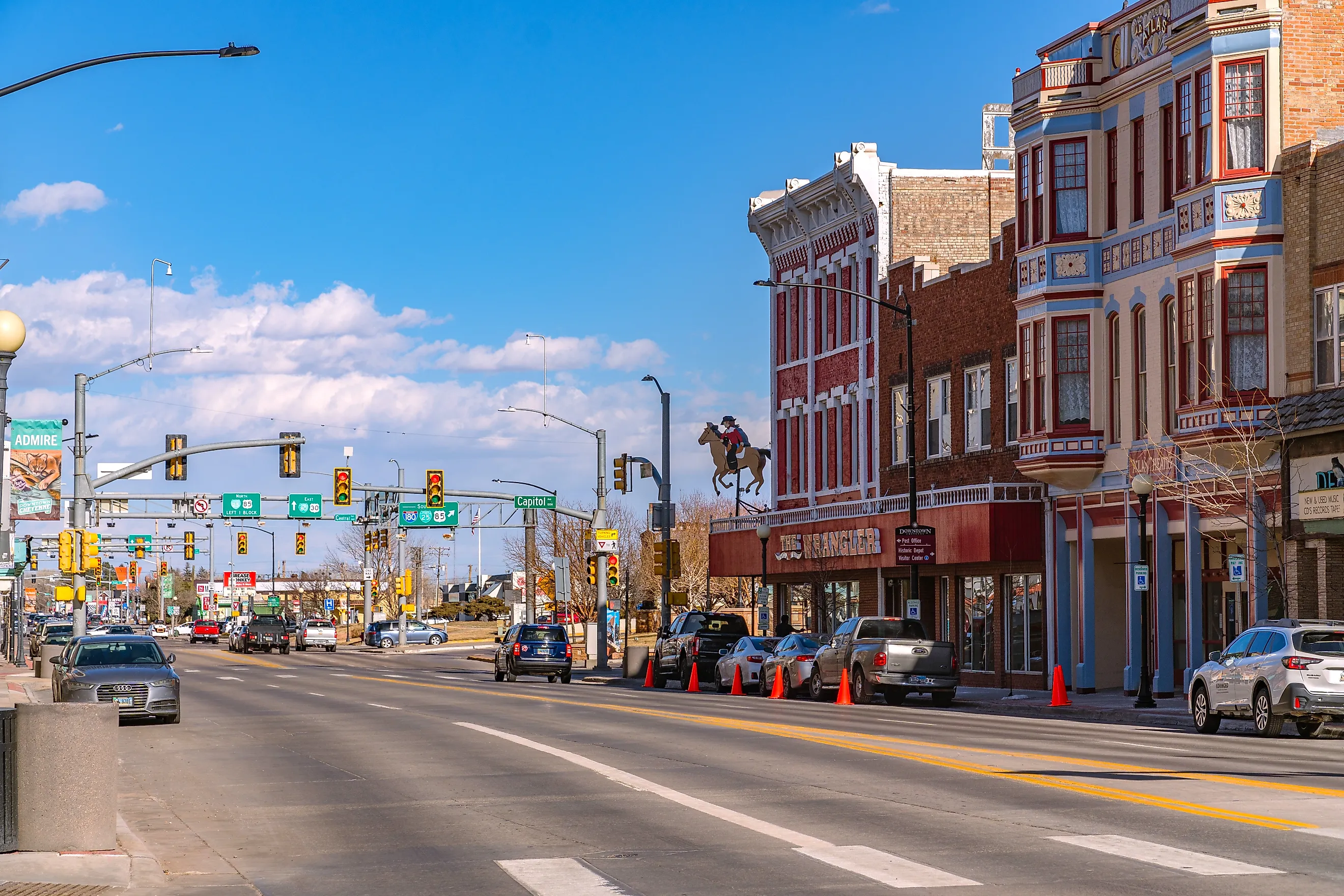
Cheyenne anchors Laramie County, which led Wyoming counties in net migration in 2025. The city reached 65,704 residents in the most recent Census estimate, up 417 from 2023 and 0.6% for the year. Laramie County added 1,251 residents from July 2024 to July 2025. The increase amounts to a 1.2% gain and the fastest county growth rate in the state, per the Wyoming Economic Analysis Division. The driver is the Front Range corridor running south to the Colorado line. Colorado has been Wyoming’s largest population-exchange partner for years. Cheyenne specifically absorbs households leaving Fort Collins and the Denver suburbs for lower housing costs and no state income tax. Microsoft announced on April 14, 2026, that it intended to buy about 3,200 acres for a Cheyenne datacenter expansion, a move reported as roughly tripling its local physical footprint. The expansion builds on Microsoft’s Cheyenne datacenter presence, which dates to its first local datacenter development in 2012. Microsoft ranked as Cheyenne’s top property taxpayer in 2025. F.E. Warren Air Force Base and Black Hills Energy round out the major local employers.
Sheridan

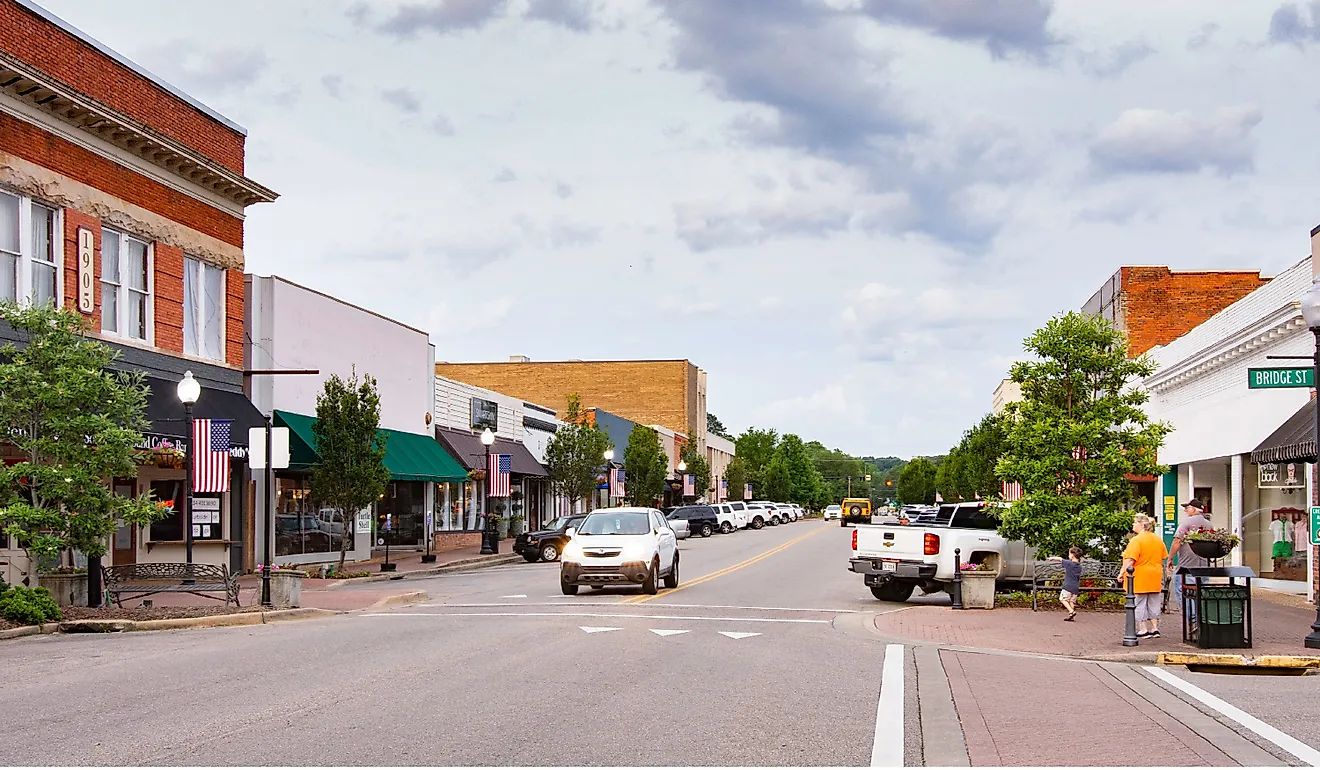
Sheridan sits at the base of the Bighorn Mountains; Sheridan County posted Wyoming’s second-largest county net migration in 2025. The city reached 19,813 in the 2024 Census estimate, up 230 residents and 1.2% for the year. Sheridan County added 308 residents from July 2024 to July 2025, with 338 of that change coming from net migration. Since the 2020 Census, the county has grown 7.5% and added 2,318 residents, third-fastest among Wyoming’s 23 counties. Wyoming Chief Economist Wenlin Liu identified Sheridan as one of the northern counties continuing to absorb pandemic-era relocations, mostly from out-of-state remote workers and retirees. A smaller in-state component comes from neighboring Big Horn and Campbell counties. Connectivity has been a specific catalyst. Visionary Broadband announced a 5-gigabit fiber expansion in Sheridan County in 2025, supported by a ConnectWY 2/Capital Projects Fund grant. Bluepeak began a roughly $9 million Sheridan fiber-to-the-home buildout in 2022 to reach nearly 9,000 residences and businesses, with construction continuing in later phases. Downtown along Main Street has visibly absorbed the growth, with the WYO Performing Arts and Education Center, King’s Saddlery, and the Historic Sheridan Inn anchoring foot traffic.
Laramie

Laramie added more residents in 2024 than any other Wyoming city. The university town reached 32,957 residents in the 2024 Census place estimate, up 516 from 2023 and 1.6% for the year. That figure was the largest numerical addition statewide, while Laramie tied with Mills at 1.6% for the second-fastest growth rate among cities over 2,000 residents. Albany County grew 4.0% since the 2020 Census, adding 1,490 residents over five years. The county’s growth slowed in 2025, however, with cumulative additions of only 13 residents from July 2024 to July 2025. Two main forces drive Laramie’s growth. The University of Wyoming supports a steady inflow of students and faculty from across the state and beyond. The city’s housing also remains significantly more cost-effective than comparable university towns in Colorado or Montana, with median listing prices below $400,000. Downtown Laramie, along Grand Avenue, holds the largest concentration of historic brick storefronts in the state. The restored Laramie Railroad Depot sits at one end, and the Ivinson Mansion (Laramie Plains Museum) fills out the historic district. Medicine Bow National Forest and Vedauwoo Recreation Area provide outdoor access within an hour of campus.
Cody

Cody occupies the western edge of the Bighorn Basin and serves as the eastern gateway to Yellowstone National Park. The city reached 10,391 residents in the 2024 Census estimate, up 51 from the prior year. Park County has added 1,542 residents since the 2020 Census, a 5.2% gain driven almost entirely by net migration of 1,878 over the same span. Wyoming Chief Economist Wenlin Liu specifically named Park as one of the northern Wyoming counties continuing to attract relocations from larger metropolitan areas, alongside Big Horn, Sheridan, and Crook counties. Park County’s post-2020 growth has been migration-driven. Cody specifically draws households seeking Yellowstone access at a fraction of the Jackson cost basis. Cody Regional Health operates West Park Hospital in town and remains the largest local employer. The Buffalo Bill Center of the West provides year-round tourism on Sheridan Avenue and supports downtown businesses through the off-season.
Alpine

The town of 1,360 residents grew 1.7% in 2024 and 10.7% since the 2020 Census. Lincoln County, which contains Alpine, has grown 8.2% since 2020 and added 163 net migrants in 2025 alone. Households priced out of Teton County often migrate south through the Snake River Canyon into Star Valley. Alpine sits at the canyon’s southern mouth, 36 miles southwest of Jackson. Teton County itself lost 135 net migrants in 2025, and the median sale price in Jackson exceeded $2 million the same year. That gap has accelerated the spillover. Alpine is not alone in absorbing it. The town of Star Valley Ranch grew 9.4% since 2020, and Afton grew 5.2% over the same span. Alpine specifically benefits from its position on Palisades Reservoir at the junction of the Caribou-Targhee and Bridger-Teton National Forests. That setting preserves the outdoor access that draws many new residents to Wyoming.
Buffalo

Buffalo straddles the Bozeman Trail and lies at the foot of the Bighorn Mountains in Johnson County. The city reached 4,655 residents in the 2024 Census estimate, up 17 from 2023. Johnson County added 79 residents from July 2024 to July 2025, a 0.9% gain, with net migration of 99 accounting for the entire increase. The county has grown 5.4% since the 2020 Census. Natural change was negative 89 over that span. Every resident added came through migration rather than births. The inflow is mixed. Out-of-state remote workers and retirees account for most of the gain. The town sits roughly 35 miles south of Sheridan along Interstate 90, within range of households shifting between northern Wyoming counties for lower housing costs and a smaller-town footprint. The town anchor remains the Historic Occidental Hotel, founded in 1880 and listed on the National Register. The Jim Gatchell Memorial Museum documents the region’s frontier history. Johnson County Healthcare Center handles the local medical base, and the Bighorn National Forest and Cloud Peak Wilderness sit immediately west of town.
Sundance

Sundance leads Crook County, which posted the fastest percentage growth of any Wyoming county since the 2020 Census. The town of 1,123 residents grew 2.3% in 2024 and 9.0% since 2020. Crook County overall has grown 9.3% over the same period, adding 670 residents to reach 7,852. Net migration accounted for 613 of that addition. The county sits in the Black Hills region of northeast Wyoming, bordered by the Bear Lodge Mountains. Devils Tower National Monument sits about a half-hour from town. Crook County’s geography places it within reach of the Rapid City, South Dakota, metro area to the east and the Front Range to the south. Both are major sources of Wyoming’s in-migration. Wyoming Chief Economist Wenlin Liu identified Crook as part of the northern-region growth corridor still absorbing pandemic-era patterns. The town is home to the Crook County Museum in the historic Old Stoney building, alongside the Sundance White Ranch Park trail system at the base of Sundance Mountain. The nearby Black Hills National Forest wraps the county and supplies the year-round recreation that drives residential demand.
Where Wyoming Growth Concentrates Now
Wyoming’s growth corridors mainly run along the state’s edges rather than its center. The Front Range pipeline keeps Laramie County expanding. The northern counties from Sheridan to Crook continue absorbing out-of-state remote workers and retirees. Lincoln County keeps absorbing households priced out of Jackson. Population losses remain concentrated in several southern and western counties, including Carbon, Sweetwater, and Teton, though Teton’s 2025 total decline was only 12 residents. The next several years are likely to reinforce the same pattern, particularly with the Microsoft data-center expansion in Cheyenne and continued housing-cost pressure pushing Teton outflows south.