This Texas Town Has The Most Walkable Downtown
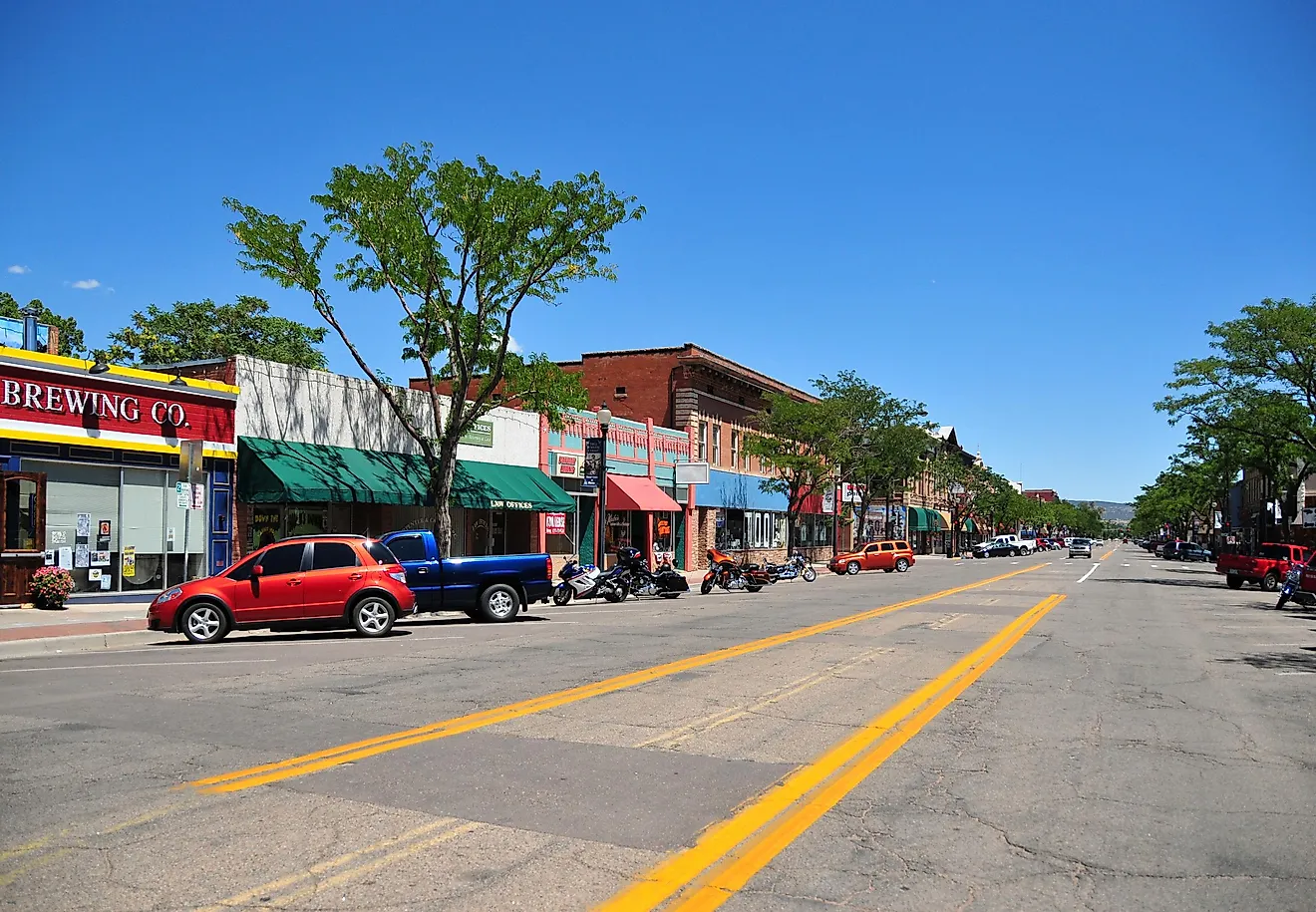
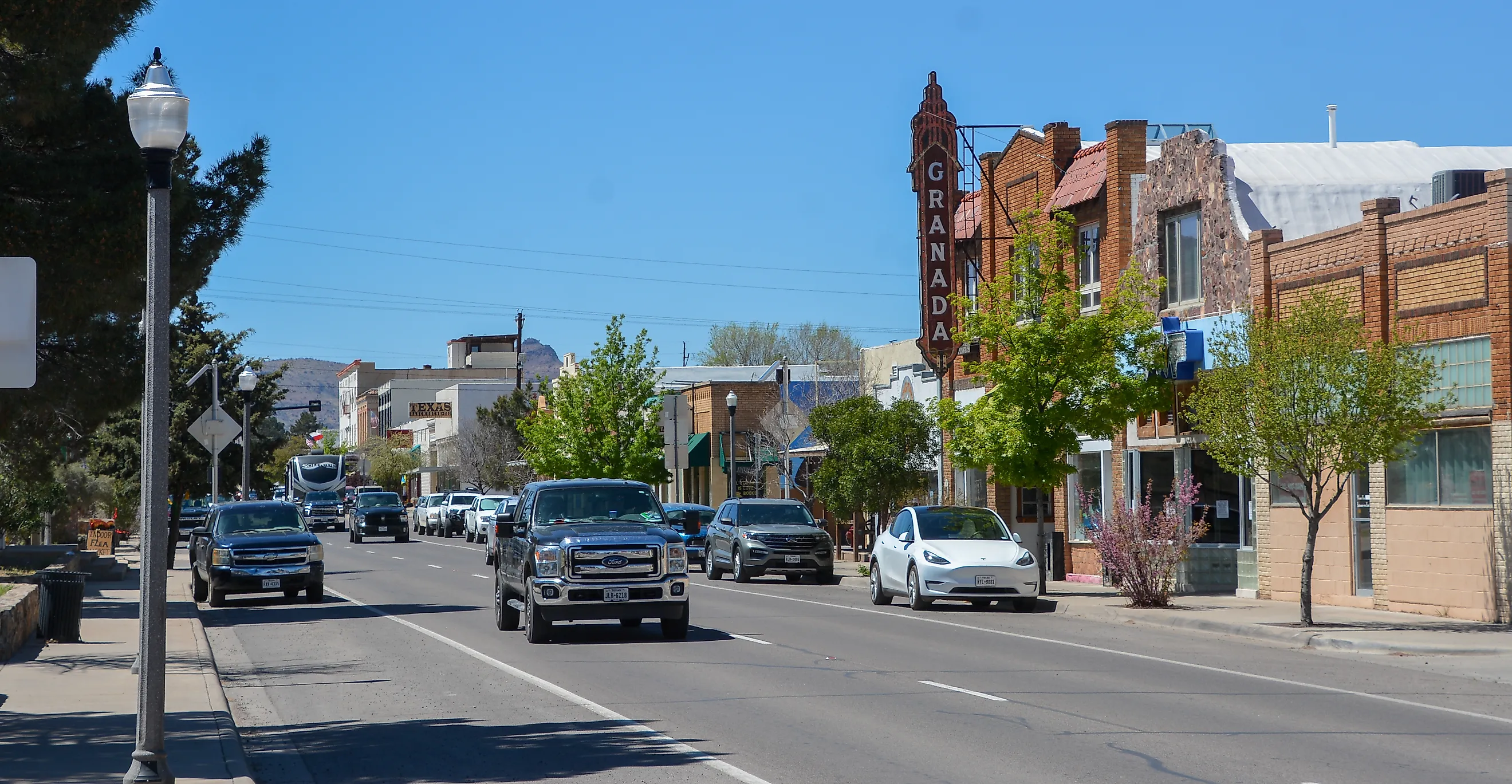
Alpine is one of those rare West Texas towns that feels both timeless and exciting. Set about 4,500 feet up in Brewster County, it serves up wide-open Chihuahuan Desert vistas with the Davis Mountains rising nearby. And thanks to Sul Ross State University, there’s a steady cultural buzz that keeps the town feeling lively year-round. Best of all, Alpine doubles as a gateway to Big Bend National Park, so you’ll find plenty of traveler-friendly stops and an easy-to-explore downtown right at the heart of town.
This Surprisingly Modern City has Some Serious Wild West Roots for You to Explore

Sitting square in the lonely high desert of West Texas, Alpine is roughly 4,500 feet above sea level, making it one of the highest incorporated cities in the state. It lies within Breweterin County, between the Davis Mountains and the vast expanse of the Chihuahuan Desert, and comes with sweeping viewpoints, incredibly dry air, and significant temperature swings between day and night. The surrounding terrain is, in large part, defined by volcanic geology, lofty ridgelines, and wide basins that channel seasonal rains into arroyos. It certainly is quite the place for those who appreciate the arid beauty that exemplifies much of the Southwest.

In the early 1880s, however, the area's original American settlers saw it a little differently. With the arrival of the Southern Pacific Railroad, Alpine established itself as a transportation and supply hub for ranching operations and mining across the region. With that, it was yet another frontier town designed to extract resources for a quickly growing United States. Then, Brewster County was formally organized in 1887, and Alpine became its county seat. And, as said, cattle ranching primarily shaped the early economy here, while mining for copper, iron, and a number of other metals in nearby districts contributed additional growth. By 1917, the opening of what is now Sul Ross State University added a lasting educational and cultural impression on Alpine's community.
Today, the town is perhaps best known as a gateway to Big Bend National Park, balancing its frontier roots with a small but steady tourism economy that serves residents and travellers alike year-round. On the other hand, let's uncover some of its more walkable draws closer to the downtown core; spots you can enjoy wild not out in the wilderness.
Museum of the Big Bend

Located on the campus of Sul Ross State University, the Museum of the Big Bend is the leading institution dedicated to interpreting the history and culture of the Big Bend region. Created in 1937, it houses extensive collections covering anything from Indigenous history to Spanish exploration, ranching heritage, military presence, natural history, and the development of railroads across West Texas.
Permanent and rotating exhibitions also frequently feature artifacts, photography, fine art, and other archival materials that document life in the Chihuahuan Desert from past to present. The museum serves as an important research center as well, making it a useful resource for both academics and tourists.
Hancock Hill Trailhead
Just steps from the museum, the Hancock Hill Trailhead is easily one of Alpine’s most accessible hiking areas. The trail climbs Hancock Hill, a volcanic formation that rises above the city and offers wide views right above the Sul Ross campus and the surrounding desert/distant mountain ranges beyond.
The route is 1.8 miles and moderately graded, with rocky sections typical of the region's wildernesses. Better yet, informational signage is dotted along the way, explaining local geology and plant life. Whereas at the summit, you'll reach “The Desk,” a long-standing, unofficial landmark that only completionists will get to see (and yes, it literally is just an office desk).
Alpine Visitor Center

For a more basic overview of the town when you first arrive, the Alpine Visitor Center serves as the primary information source for travelers exploring Big Bend. Maps, brochures, current updates on road conditions, weather, seasonal events, and all the other general things you might want from a local information center can be found here.
Moreover, the helpful staff offers up-to-date guidance on nearby/local attractions, including hiking trails, historic sites, and scenic drives through the surrounding desert and mountainous landscapes. The center also highlights local businesses, galleries, and restaurants, helping you better navigate the adjacent downtown district before you head out.
Food and Drink in Downtown Alpine

Hungry? Magoo's Place is a local favorite diner, known for its relaxed atmosphere, delicious Tex-Mex eats, and sometimes, live music. Massively popular with residents, students from Sul Ross, and savvy travelers passing through, the menu focuses on breakfasts, burgers, sandwiches, and classic pub grub, all of which you can pair with refreshing beer and cocktails.
For a more straightforward cafe, try out Scoops Coffee and Pastries just down West Sul Ross Ave. If drinks are more what you're after at the end of a long day of adventure, Alcove Social is highly recommended, serving up handcrafted cocktails and bar fare in a cozy, Southwestern-style environment.
What Other Nearby Destinations Should You Check Out?
As previously mentioned, there isn't a ton of urban development in this remote portion of the state, but a few small towns within an hour’s drive of Alpine do offer other distinct perspectives on the Big Bend region. To the east, Marathon is another quiet railroad-era community known for its restored historic buildings and closeness to the northern entrance of Big Bend National Park. Its compact center includes a handful of art galleries, lodging, and the landmark Gage Hotel, too.

North of Alpine, Fort Davis sits higher up in the Davis Mountains, ironically boasting a cooler, more alpine-like climate with pine-covered slopes. This town is closely tied to Fort Davis National Historic Site, a well-preserved frontier military post that displays what 19th-century life was like on the Texas frontier. Moreover, scenic roadways through Davis Mountains State Park are abundant and only add to the area's appeal.

West of Alpine, Marfa has gained international attention for its contemporary art scene. Installations such as Chinati Foundation draw visitors from abroad year-round, while the town’s minimalist aesthetic and ranching roots maintain its western vibes.
Make Yourself a Home at Alpine During Your Next West Texas Road Trip
Alpine perfectly combines its storied history, idyllic high-desert geography, and a surprising cultural presence shaped in large part by its very own state university. Best of all, its walkable core, surrounding trails, proximity to a mix of state and national parks, other welcoming towns, and much more, position it as a practical jumping-off point for exploring all that western Texas has to offer.