This Southern United States Main Street Feels Like A Movie Set
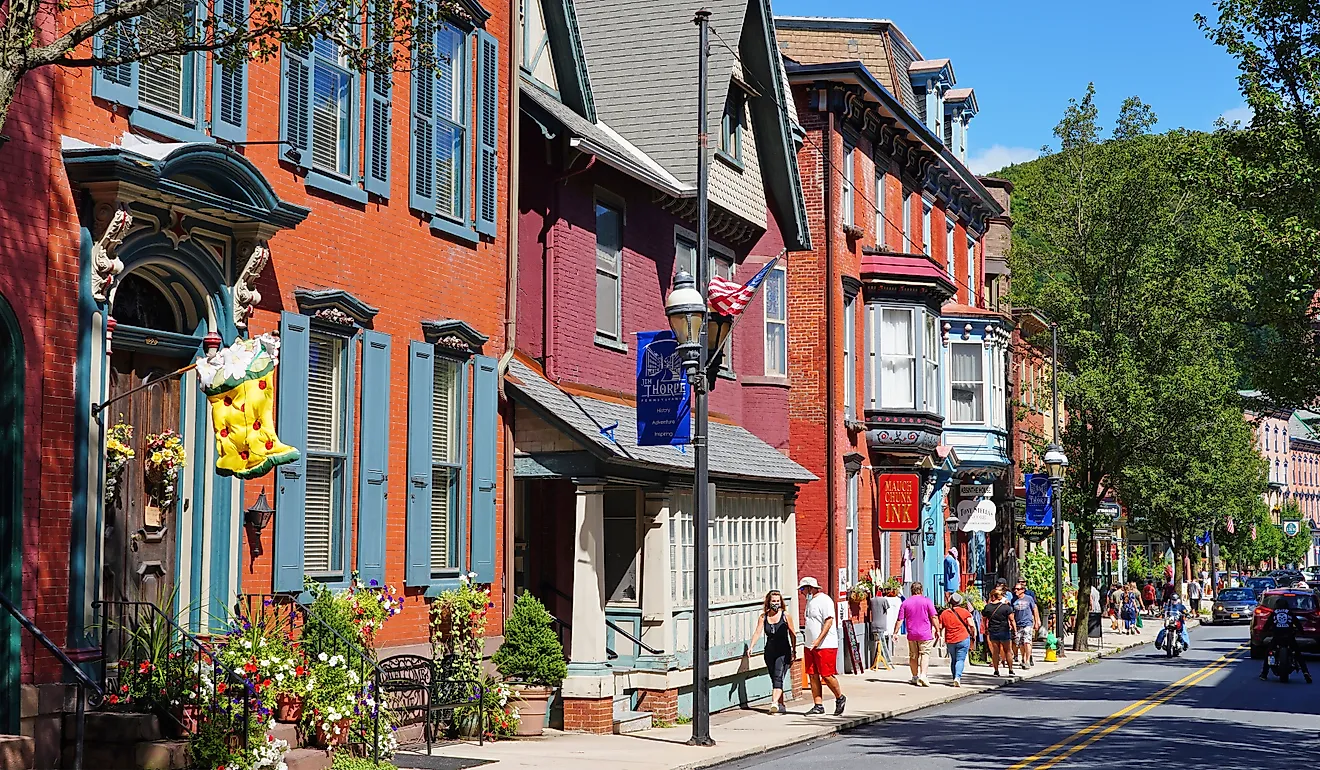
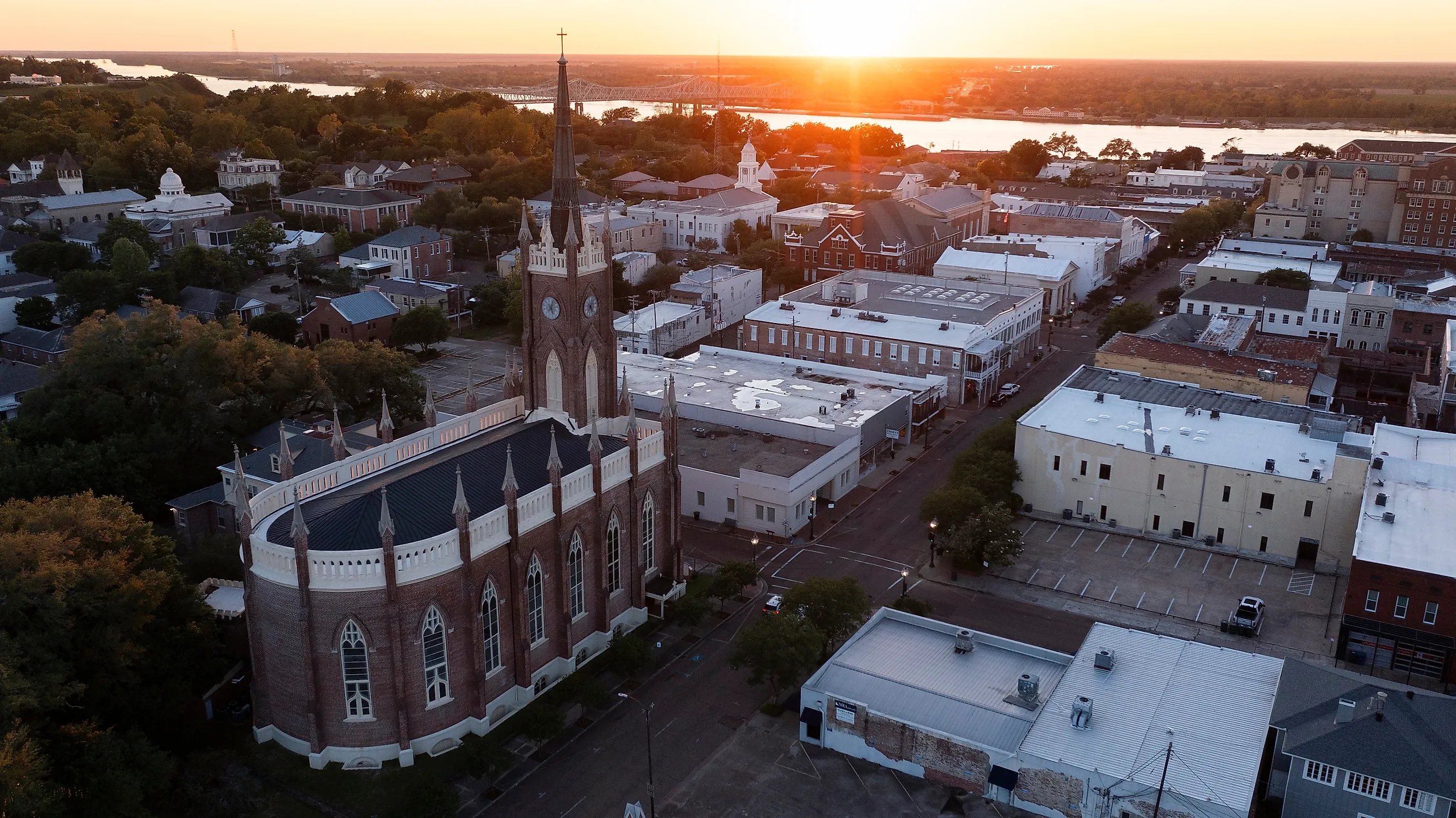
Natchez, Mississippi, sits high above the Mississippi River with a downtown that seems lifted from the frame of a period drama: historic brick buildings, shaded sidewalks, and century-old façades that look untouched by time. But this impression isn’t fictional. Natchez’s Main Street and surrounding historic district are real, preserved through decades of local commitment to architecture and community life, and still functioning as the heart of everyday activity in a river town with deep historical roots.
A Town Forged in History

Natchez’s story predates the United States, with European colonists establishing a settlement here in the late 1700s and the city later becoming part of the Mississippi Territory in 1798. By 1817, Natchez served as the first capital of Mississippi. Because it was largely spared from major Civil War destruction, the town retains more than 600 examples of antebellum, Federal, and Victorian architecture, more than any other city in the South.
These buildings aren’t just passive set pieces. Many stand as National Historic Landmarks or contribute to nationally recognized historic districts, making the downtown corridor itself a tangible record of Natchez’s evolution from river port to historic destination.
Architecture You Can Walk Through

A stroll through downtown leads past structures like the Commercial Bank and Banker’s House, a Greek Revival landmark from 1833 with carved limestone façades and thick walls that reflect early 19th-century building practices. Other blocks hint at layers of time: historic churches, restored storefronts, and the House on Ellicott’s Hill, a late 18th-century structure that is one of Natchez’s oldest surviving houses and a National Historic Landmark.

The combination of historic design and pedestrian-friendly streets creates a visual continuity rarely found in American downtowns, one reason Natchez’s Main Street feels as though it were designed for a camera’s eye and a walker’s pace in equal measure.
Shops, Cafés, and Everyday Life

Despite its historic roots, Natchez’s Main Street is very much a working downtown, with local businesses that give life to the preserved architecture. Side streets like Franklin and Pearl host clothing shops, specialty boutiques, and gift stores that reward leisurely browsing.
Natchez’s dining scene contributes to this sense of a living Main Street. Local favorites include The Camp Restaurant, known for casual fare and a river view in the nearby Under-the-Hill district, and Restaurant 1818, offering refined Southern and Cajun-Creole cuisine in a historic mansion setting. Other popular picks include Magnolia Grill, which pairs American and seafood dishes with waterfront views, Pearl Street Pasta for Italian fare in an ideal downtown location, and The Little Easy, a café-restaurant blending craft coffee with creative dinner options.

Casual spots like Natchez Coffee Company and Steampunk Coffee Roasters serve as gathering places for specialty coffee drinks in a quirky atmosphere.
Art and Culture Along the Street

Natchez’s Main Street supports a local arts network that visitors can explore at their own pace. Arts Natchez Gallery, located on Main Street, showcases works by regional artists and craftsmen, including paintings, jewelry, pottery, and other media, providing context to the town’s cultural identity within its historic setting.
Many galleries and art spaces are spread across downtown Natchez, but a few stand out for how they engage with their surroundings. Conde Contemporary, located in a restored historic building, presents rotating exhibitions of modern and contemporary art that deliberately contrast with the town’s antebellum architecture, creating a dialogue between past and present. As for Conner Burns Pottery, it operates as both a working studio and gallery, where visitors can view handcrafted ceramic vessels rooted in traditional techniques while watching the artist’s process unfold within a Main Street storefront.
Festivals and Seasonal Rhythms

Throughout the year, Natchez’s Main Street district complements larger community events that animate the downtown. Seasonal markets and festivals, like the Natchez Food & Wine Festival with “Tastings Along the Mississippi River” pairing regional chefs and winemakers, draw locals and visitors into the heart of the historic district for shared culinary experiences.

Historic home tours and the twice-annual Spring and Fall Pilgrimage, when private antebellum homes open to the public, bring additional foot traffic to the downtown corridor, reinforcing the town’s dual identity as both a vibrant community and a showcase of Southern history.
Beyond the Facades
What truly makes Natchez’s main street feel like a movie set, yet undeniably real, is how everyday life unfolds within these preserved spaces. Sidewalks fill with shoppers browsing boutiques, diners gather for lunch or craft coffee, art lovers discover local creativity in gallery windows, and seasonal events bring neighbors together under towering shade trees.
These patterns of use, commerce, culture, celebration, and community are as integral to the downtown as the brick, ironwork, and cornices that define its look. That blend of historic continuity with contemporary engagement is why a walk down Natchez’s Main Street feels cinematic: the town’s past is visible and accessible, but still, the town is always actively unfolding.