This Quiet Kentucky City Is Hiding In Plain Sight
Sitting along the Kentucky River, Frankfort is an unassuming place with a compact footprint, but it's not to be underestimated. It has a long and layered history, spanning from frontier days through the Civil War to modern peace and prosperity. As the state capital, Frankfort has shaped the state in ways that are not always obvious at first glance, helping it find the delicate middle ground between north and south, east and west, old and new. That makes it worth exploring to find out what makes it tick, and what surprises it might still have up its sleeve.
Frankfort's Origins

Beginning as a small settlement by the Kentucky River, the town was officially established in 1786 on land owned by James Wilkinson, an early promoter of the site as a potential capital. In 1780, a man named Stephen Frank was killed in a clash with Native Americans near the river crossing, which locals began calling Frank’s Ford. As the settlement expanded, the name shortened and evolved into Frankfort, reflecting the tragedy tied to the frontier crossing and the practical role of the river ford.
In 1792, when Kentucky became the 15th state, Frankfort was selected as the seat of the new commonwealth’s government. Supporters pointed to the town’s access to the Kentucky River as a practical advantage for transportation and commerce. That view soon proved accurate, as flatboats carried goods toward the Ohio and Mississippi Rivers. Over time, the surrounding area supported agriculture such as corn and tobacco, along with horse breeding, while 19th-century industrial growth brought manufacturing that included machine parts, candy, and bourbon whiskey.
The Appeal of Frankfort

Modern Frankfort differs greatly from its early form, but its downtown remains compact and easy to navigate. Expansion during the mid-20th century brought additional residents, traffic, and development. Public investment at the federal, state, and local levels supported efforts to renew the historic core while maintaining important landmarks. Private businesses followed, adding offices, restaurants, shops, and services that now operate alongside government buildings and older brick storefronts.
Despite these changes, the town has kept a quieter identity. Many long-standing institutions remain in operation, and daily life still centers on walkable streets and familiar gathering spots. Riverfront viewpoints, historic buildings, and long-running local businesses help preserve a sense of continuity that links present-day Frankfort to its past.
Bourbon Craft and the Kentucky Bourbon Trail

As part of the Kentucky Bourbon Trail, Frankfort reflects a long commitment to the production of bourbon. Nearby distilleries offer visitors a look at different periods of the state’s whiskey history while remaining close to town. Castle and Key Distillery, located in nearby Millville at the restored Old Taylor Distillery, introduces guests to the process behind aged bourbon and other spirits. Tours explain production methods and provide access to the site’s historic structures and grounds.
Buffalo Trace Distillery, located in Frankfort along the Kentucky River, traces its operations back more than two centuries. The distillery continues traditional practices such as aging whiskey in charred oak barrels. Guided tours walk through warehouses and production areas, giving visitors insight into how bourbon has been produced there across generations.
Shops, Books, and Sweet History

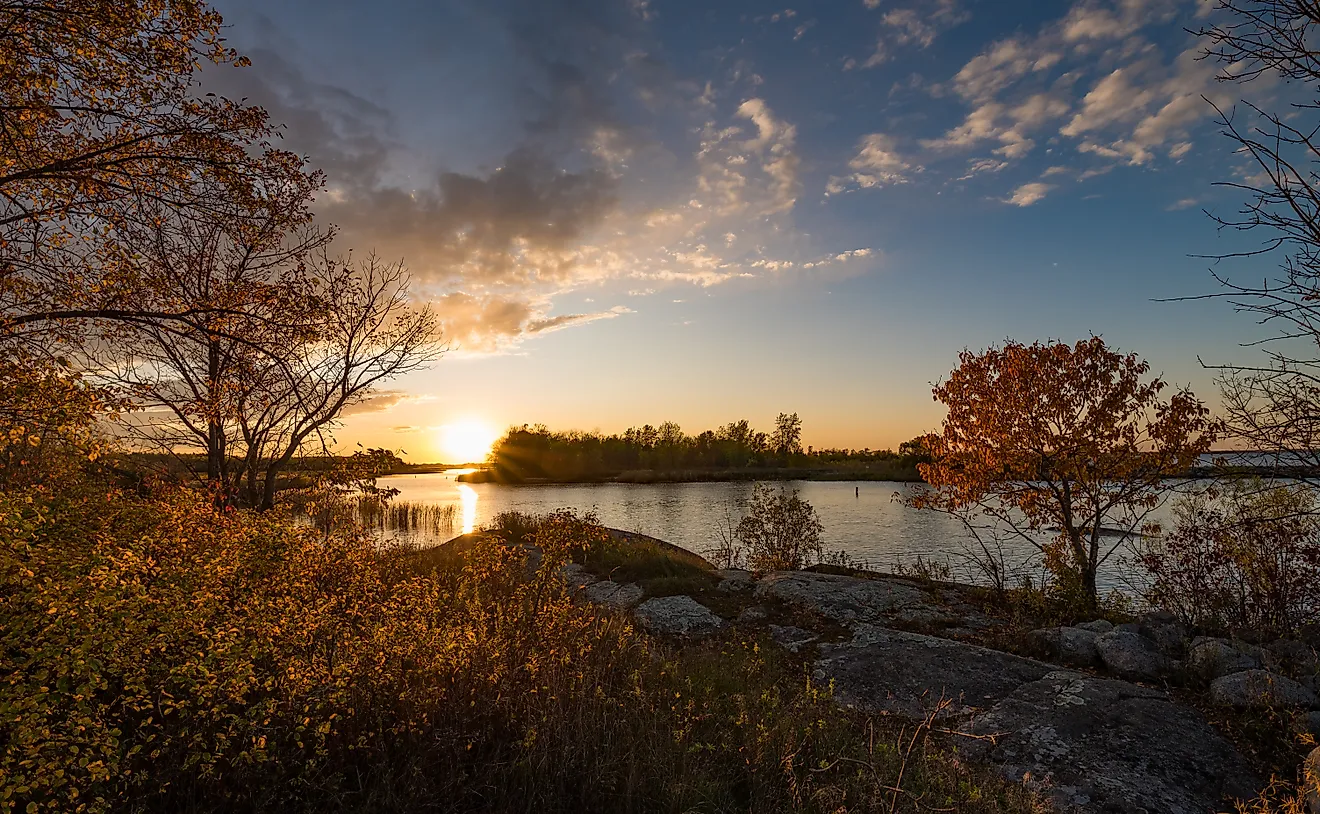
The Kentucky River in Frankfort, Kentucky.
Visitors who are not focused on distilleries can explore a variety of independent shops in and around downtown Frankfort. Poor Richard’s Books, located on Broadway, is a well-known independent bookstore offering new titles, regional works, and carefully selected used and out-of-print books. Its long history and loyal customer base make it a regular stop for readers passing through town.
Rebecca Ruth Candy Tours and Museum highlights an important chapter in Kentucky confectionery history. The company is credited with creating the Bourbon Ball, a chocolate candy flavored with bourbon. Founded in 1919 by schoolteachers Rebecca Gooch and Ruth Hanly Booe, the business survived challenges such as fire and economic hardship. Today, visitors can tour the small factory, learn about its founders, and sample its well-known sweets.
Cove Springs Park

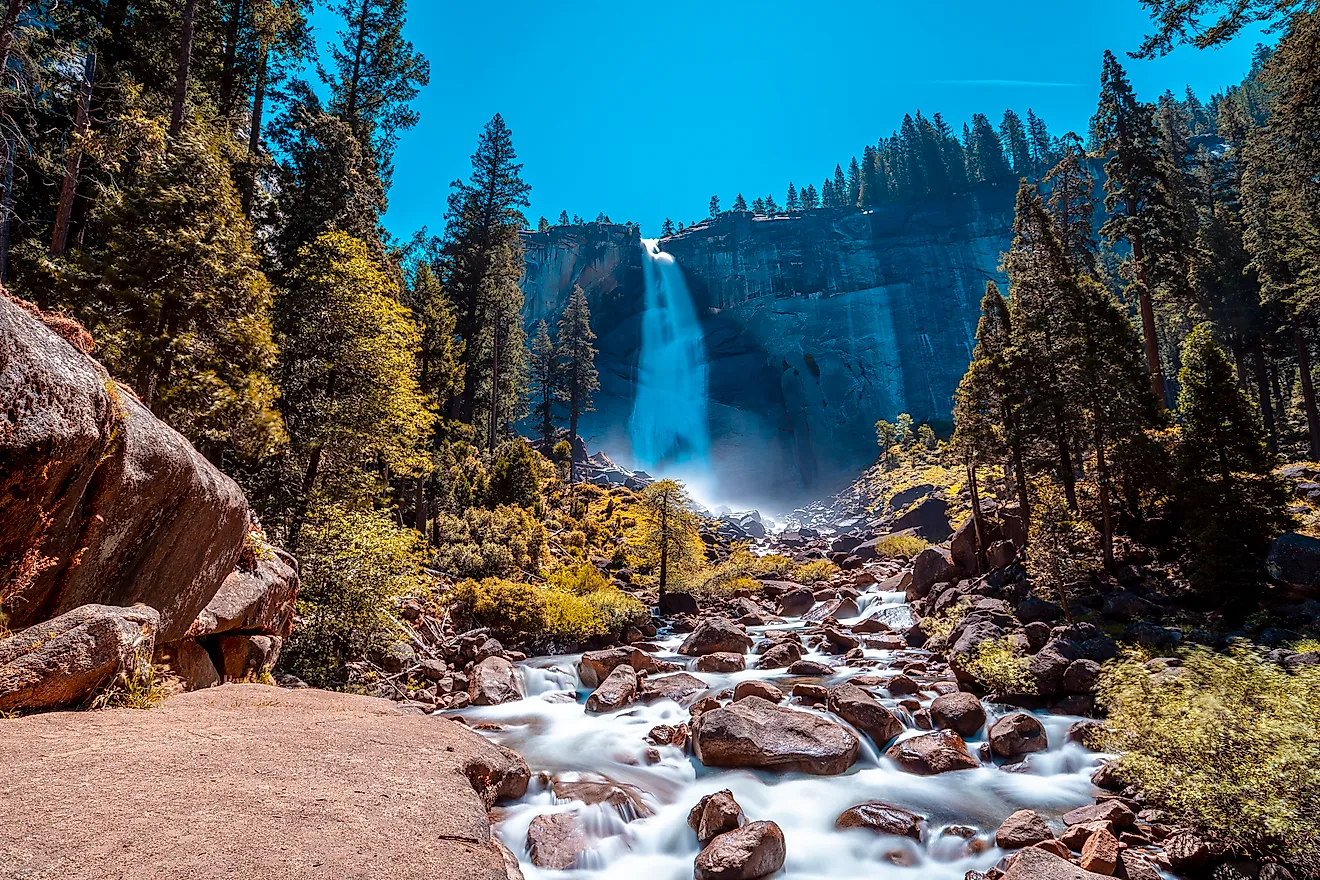
A waterfall near Frankfort, Kentucky.
Cove Spring Park and Nature Preserve covers roughly 240 acres on the edge of Frankfort, including springs, streams, wetlands, wooded ravines, and waterfalls. A system of trails and elevated walkways, some with partial accessibility, guides visitors through varied terrain. Interpretive signs provide information about local plants, animals, and the area’s history.
The park also includes amenities such as picnic shelters, an archery range, and a pavilion used for educational programs and community events. Its combination of open spaces and shaded paths makes it a popular destination for walking, bird watching, and spending time outdoors close to town.
Why Visit Frankfort?

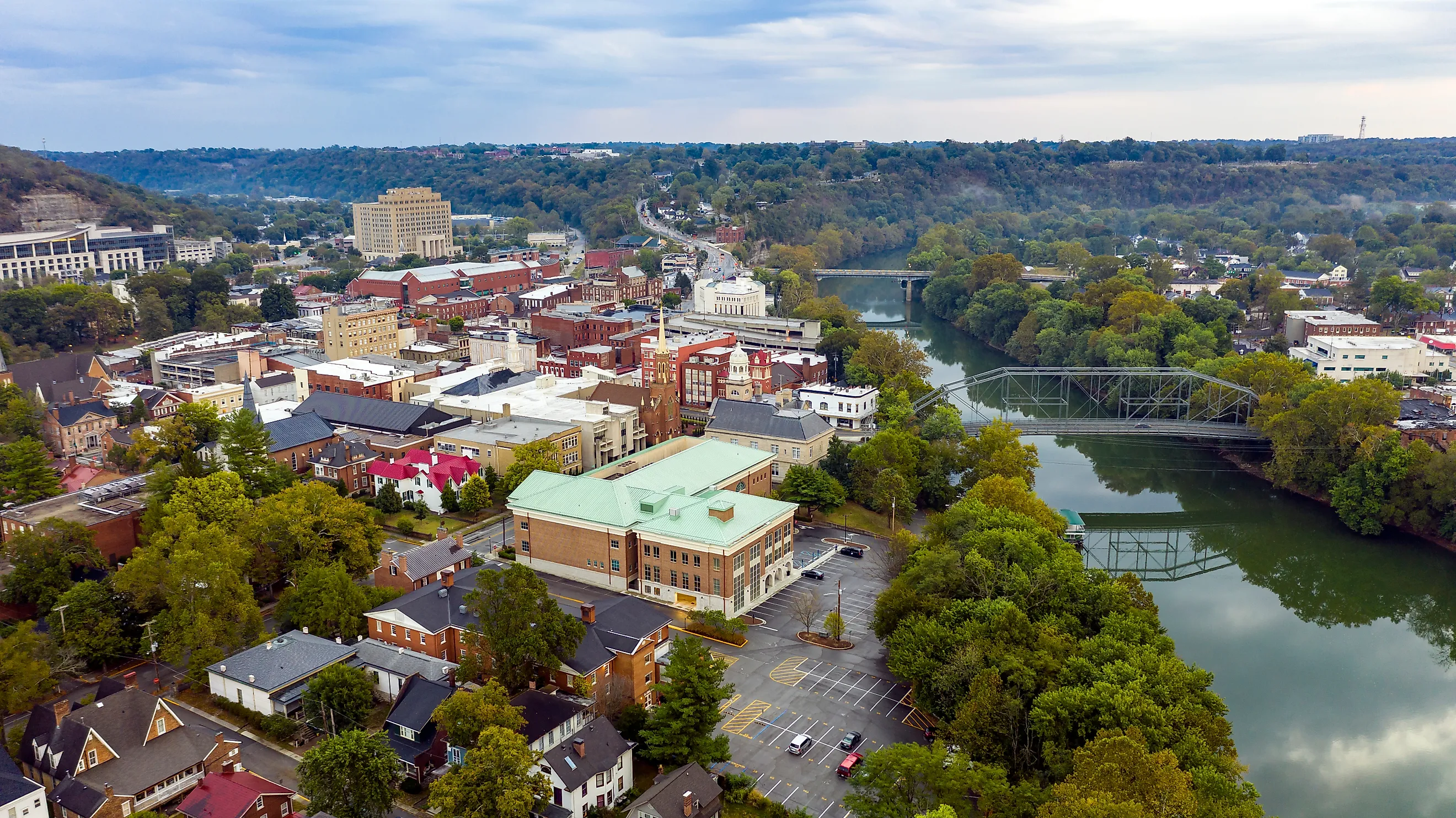
Frankfort, Kentucky.
Beyond its role as the state capital, Frankfort offers a wide range of experiences within a small area. Visitors can explore bourbon history, browse independent bookstores, learn about local candy-making, and spend time outdoors without the need for extended travel between stops. Historic government buildings, stunning river views, and well-preserved neighborhoods contribute to the town’s appeal. Together, these elements show why Frankfort rewards those who take the time to look more closely and appreciate its layered past and steady present.