This Pennsylvania Town Instantly Transports You To The Past
History is everywhere in Lititz. Whether taking a stroll through the town park where Indigenous artifacts were discovered, grabbing a snack at America’s oldest pretzel bakery, or staying at a centuries-old tavern, this small Pennsylvania town instantly transports you to the past.
Founded by Moravian missionaries in the 18th century, Lititz is one of four Moravian towns in Pennsylvania, each of which has carefully preserved its historic charm and heritage. Explore the many attractions and historical sights of Lititz before taking a look at neighboring Moravian communities that share its heritage.
The History of Lititz
A Religious Refuge

Long before the first settlers arrived in the region, the Nanticoke tribe lived, hunted, and traveled in the area now known as Lititz Springs. It caught the attention of European explorers in the 18th century, with British pioneer Richard Carter establishing Warwick Township in 1729.
Almost 20 years later, Count Nicholas Ludwig von Zinzendorf of Germany arrived. The Count was the leader of a Protestant faction known as the Moravians, and he had come to Pennsylvania with the dream of establishing his own religious community in the new world. Local man John George Klein, who had bought over 400 acres of land around Lititz Springs in 1740, heard the Count preaching and was inspired to turn over his property to the church. As the fledgling community grew, it needed a name. In 1756, Count Zinzendorf declared the town would be known as Lititz after an old Bohemian castle that once sheltered persecuted Moravians.
Moravian to Modern-Day

The Moravian missionaries had achieved their dream. For the next century, only church members could own houses in town, making it a closed community. That didn’t mean that others weren’t welcome, however. Non-Moravians could rent property, and the community wasn’t isolated from the times. During the American Revolution, Lititz sheltered 250 wounded soldiers at its Moravian Brothers House, which operated as a hospital.

In 1746, leaders in the community founded the Linden Hall Girls School, now the oldest all-girls boarding school in the United States. Originally established to make the girls of the church community more self-sufficient through education, the school began accepting non-Moravian students in 1794.
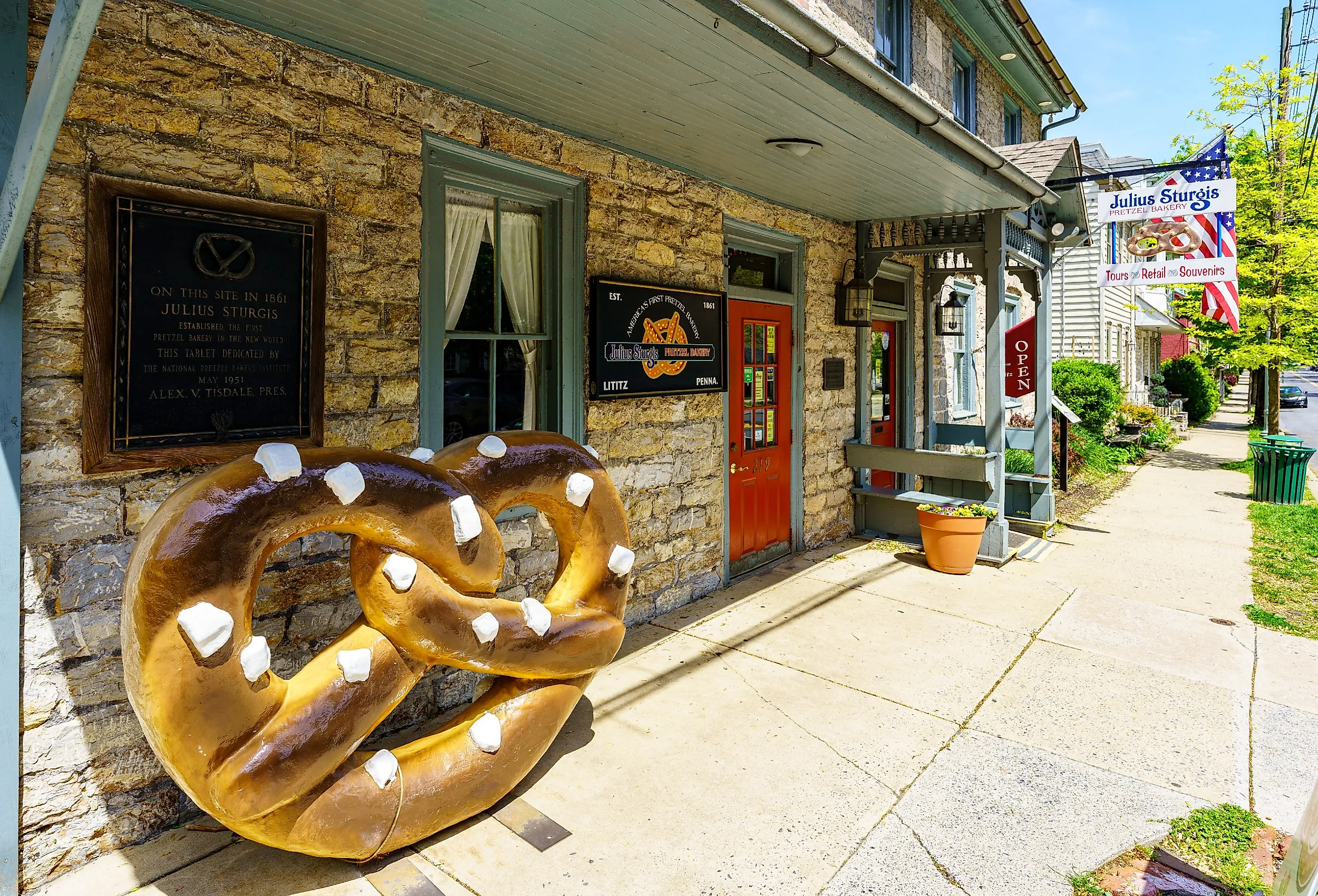
When the prohibition on non-Moravian ownership was lifted in the mid-1800s, it paved the way for other firsts in town. In 1861, the Julius Sturgis Pretzel Bakery, the first commercial pretzel bakery in America, opened downtown, and in 1875, the first newspaper, the Litiz Gazette, was launched.
As it entered the 20th century, Lititz was a town on the cusp of change, and that change brought more industry, residents, and tourism to the town. Today, approximately 9,600 people reside in Lititz, and thousands more visit each year to see “America’s Coolest Small Town,” a title it was awarded in 2013 by Budget Travel.
Historical Sights

The journey into Lititz’s past begins at the Lititz Historical Foundation, which runs a small museum on Main Street and also offers guided walking tours of the town. The museum is housed in the 1793 Christian Schropp House. Next door is another landmark, the Johannes Mueller House, which was built in 1792 and is open to the public for tours of its 18th-century heirlooms and furnishings.
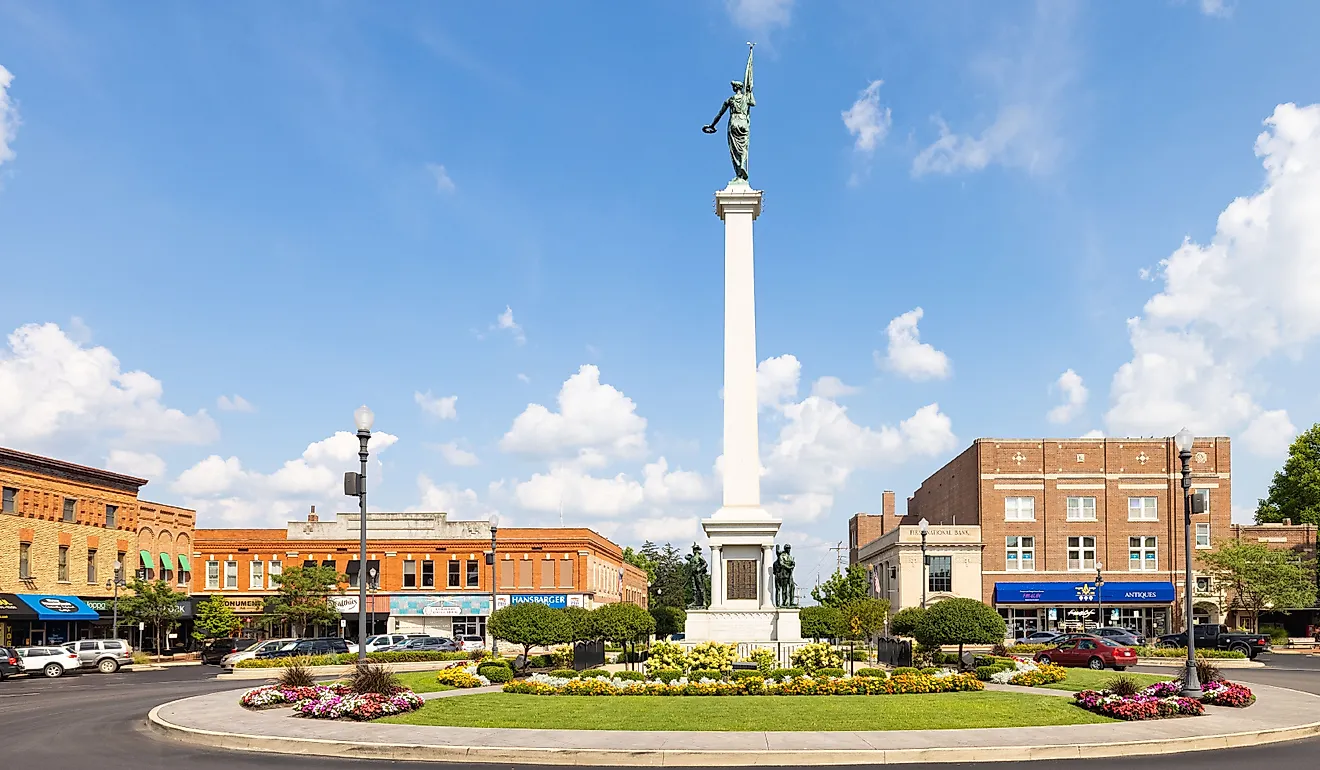
The heart of downtown Lititz lies at the intersection of Broad and Main Streets. Wandering through town, you will see a variety of log, brick, and stone homes in English, German, and Victorian architectural styles. Also known as the Lititz Moravian Historic District, the downtown core was listed on the National Register of Historic Places in 1986 and includes the town’s first private home, built in 1757 and named the ‘Warden’s House’ as it is the former home of the town’s first ‘warden’, a role similar to mayor.

Visit the 7-acre Lititz Springs Park to see where Native American artifacts were uncovered and enjoy a wander through the leafy, green oasis that has been a village recreation area for over 200 years. In 1778, the park hosted a lively concert for the recovering Revolutionary War soldiers who were convalescing in town.
Things to Do

You can’t leave Lititz without trying a fresh pretzel from the Julius Sturgis Pretzel Bakery, which is still serving up its famous snack more than 160 years after it first opened in 1861. Aside from selling pretzels of all kinds, the store also offers tours of its original bakery and lessons in pretzel making from the experts.

Leave some room for Lititz’s other legendary treat. The town has a long association with chocolate-making that dates back to 1930, when Wilbur Chocolate officially relocated its operations to Lititz. Wilbur, which has been making its signature Wilbur Buds since 1894, has a flagship store downtown selling chocolate, candies, gifts, and merchandise.
Pennsylvania has a long whiskey-making heritage, a tradition that’s kept alive in Lititz at the Stoll and Wolfe Distillery, which produces award-winning whiskeys at its downtown location. Visitors are invited to stop into the tasting room to sample their whiskey and rye blends and browse the shop to take home a souvenir.
Historic Accommodations

A popular stop for travelers, Lititz got its first tavern in 1764. Known as the ‘Zum Anker,’ the establishment has gone through many changes over the years and is now a boutique hotel known as Lititz Springs Inn. Conveniently located in the heart of downtown, the inn has two floors of guest rooms, two restaurants, an outdoor patio, and a British-style pub.
Just a few minutes walk from the Lititz Springs Inn is the Alden House, a great option for those looking for a more intimate and cozy refuge. This quaint bed and breakfast is housed in a grand 1850 Federal-style home and contains two guest rooms, four suites, and a private carriage house perfect for a couple’s retreat or family getaway.
Pennsylvania's Other Moravian Towns

In their quest for religious freedom, Moravian missionaries became a significant part of Pennsylvania’s story. In addition to Lititz, the group founded three other major settlements in the 1700s. These were Bethlehem, Emmaus, and Nazareth. Bethlehem, established in 1741, was the church’s headquarters in North America and was recently named a UNESCO World Heritage Site.
These Moravian towns are a must for history-lovers or those looking for a different kind of day trip. All are located in the Lehigh Valley, making it easy for travelers to plan an itinerary that takes in all four.
Pennsylvania has long been known for its Colonial heritage and Civil War sites, but the story of the Moravians is less well-known. Fleeing persecution and taking refuge in the rolling hills and fertile lands of the Lehigh Valley, these early pioneers left a legacy that echoes through the ages. If you are looking for something different to do in Pennsylvania, reconnect with this often overlooked part of the state’s past in Lititz.