The One Southern United States Town Everyone Should Visit At Least Once
Natchitoches is the oldest permanent European settlement in what was the Louisiana Purchase. Located on the Cane River Lake in the northwest part of the state, Natchitoches is famed for its Creole heritage, as reflected in its food and architecture. The culture and history in Louisiana are unique to that state, setting it apart from the rest of the country.
A French colony sold to the United States, this southern city is a mix of swamps and bayous, farmland in the north, and a deep connection to the Gulf of Mexico (Gulf of America). The state's history is rich and complex, and what ties everything together culturally, the thing that lasts no matter what, is the music and food. This is especially true for Natchitoches. For a different Louisiana experience, it is well worth the trip to Natchitoches to take in the history, culture, and culinary treasures.
History

Natchitoches was established in 1714 by French explorer Louis Juchereau de St. Denis. In 1803, the United States acquired the territory of Louisiana from France in the Louisiana Purchase, which transferred 828,000 square miles of land. Located on the Cane River Lake in Northwest Louisiana, Natchitoches is the oldest permanent European settlement in the state.
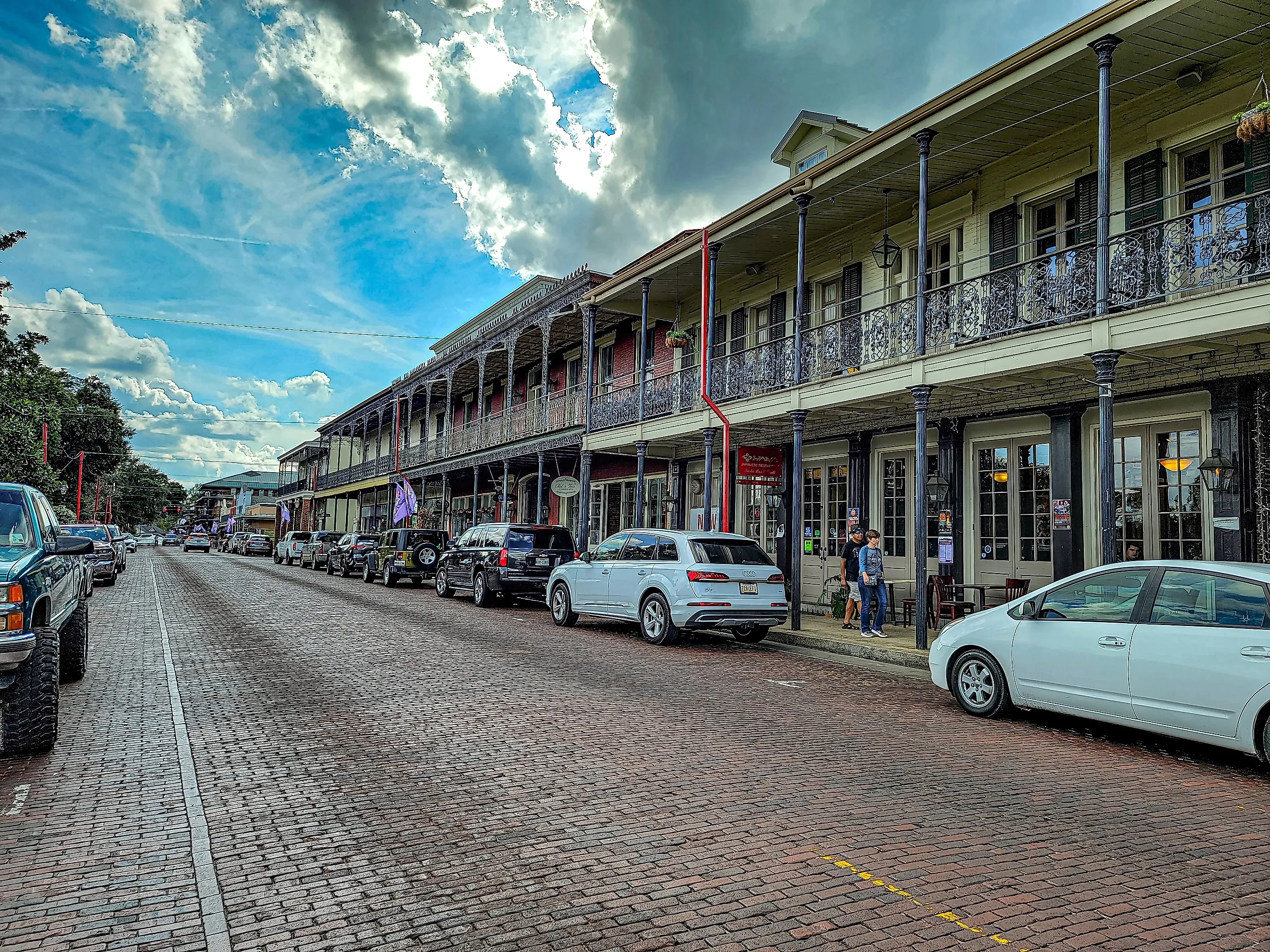
Natchitoches blends African, Native American, French, and Spanish influences, and the area’s Creole heritage is a significant part of its culture. The Natchitoches Historic Landmark District is 33 blocks of homes, commercial and civic buildings, and churches. The 19th-century structures are a mix of Victorian and Queen Anne architecture, and throughout the Historic District, you will find Creole Cottages. A ubiquitous urban house found throughout Louisiana, the Creole Cottage is of French origin, small, and, following 18th-century French house design, omits an interior hallway.
Historic Sites and Architecture

The Downtown Historic District lies on the banks of the Cane River Lake. The area includes more than 50 19th-century landmarks. The Natchitoches Historic District is listed on the National Register of Historic Places, and the buildings are a mix of red brick, stucco, and wrought iron. Just down the road, the Immaculate Conception Church was one of the earliest buildings in Natchitoches. That 1717 building is gone, but a new church, the Minor Basilica of the Immaculate Conception, was built on the site in 1857. The rectory of the church houses the Bishop Martin Museum and serves as a depository for church artifacts and early records dating from 1724. A block away, Front Street is a brick street protected from alterations, and a recent restoration project repaired it.

The Cane River National Heritage Area spans over 116,000 acres and includes many historical sites. Several plantations are preserved, including Oakland Plantation, Melrose Plantation, and Cherokee Plantation. The Badin-Roque House is an early-19th-century home in the Isle Brevelle community. It is a poteaux-en-terre French Creole cottage, a post-in-ground construction with bousillage (clay and grass) walls. With Natchitoches’ rich Black and Creole culture, the Cane River National Heritage Area is part of the Louisiana African American Heritage Trail. This cultural heritage trail comprises 38 historical sites across the state.
Food and Culture

Food is a big part of Natchitoches, and the dominant cuisine of the area is Creole. Louisiana Creole is a mix of African, Caribbean, Native American, French, and Spanish cooking traditions. Often incorrectly used interchangeably with Louisiana’s other famous cuisine, Cajun, the origins of Creole food are different. Cajun comes from Acadians from the Acadiana region of what is now the Canadian provinces of New Brunswick and Nova Scotia, and although there are similarities, there are key differences. Louisiana Creoles are a mix of West African, French, and Spanish, and their form of cooking reflects those cultures. While both Creole and Cajun cooking use cayenne pepper and thyme as key flavors, Creole cooking uses more tomatoes. Both cuisines have a gumbo dish, but Cajun is less tangy.
The Natchitoches Meat Pie is one of the official state foods of Louisiana and is a regional delicacy of North Louisiana. These savory hand pies are crescent-shaped pastries traditionally filled with seasoned ground beef, pork, onions, bell peppers, and celery. Dating back to the late 1700s, these meat pies have roots in Spanish and Native American cuisines. Lasyone's Meat Pie Restaurant is considered the best source for Natchitoches meat pies, although they are available in many places, with variations in fillings and flavors appearing in recent decades. The annual Meat Pie Festival is held in September.

For a taste of local cooking, there are many restaurants in Natchitoches and the surrounding area that focus on local ingredients and Creole traditions. Lasyone's Meat Pie Restaurant also serves traditional Creole dishes in a welcoming atmosphere. Merci Beaucoup on Church Street features Creole cuisine and seafood, as well as a famed Cajun baked potato and bread pudding. Papa’s Bar & Grill on Front Street is a casual spot for a mix of Louisiana cooking styles, plus catfish and shrimp. Right next door is Mama's Oyster House, Creole and Cajun cooking, featuring classic Louisiana dishes such as boiled crawfish, crawfish étouffée, and shrimp po'boys.
A big part of Natchitoches culture is the Natchitoches Christmas Festival. Started in 1927, this six-week event starts on the Saturday before Thanksgiving and continues to the Epiphany on January 6. The festival features a parade, fireworks, Christmas set pieces, and the famed Christmas lights. Over 300,000 lights are displayed throughout the town. The festival also features local foods, including Natchitoches meat pies, alligator, and funnel cakes.
Nearby Towns and Villages

Just north of Natchitoches along the Red River is Campti. This town was first developed to work the large cotton plantations, and the population was mostly enslaved people. Agriculture remained the town's main industry until recent years. The population remains predominantly French Creole, which is reflected in the food. Krawfish Place is a family-owned restaurant emphasising local cuisine. The Campti Historical Museum focuses on the local history and also serves as an art gallery for local artists.
Robeline is a village that served as the capital of Texas for 50 years. Robeline sits on the creek that formed part of the border between Spanish Texas and French Louisiana. Today, the village is isolated, with most amenities being available in Natchitoches. Its main site of interest is the historic Keegan House, which was once part of the Elzey plantation.
South of Natchitoches is the village of Natchez, one of the oldest communities in the original French Louisiana territory. An important part of Black history in Louisiana, Natchez is one of the stops on the Louisiana African American Heritage Trail. The village is in the Cane River National Heritage Area and is one of the oldest Creole communities. As with Robeline, Natchez is best as a day trip from Natchitoches, as there are few amenities for tourists.
Travel Back in Time to Natchitoches, Louisiana
Outside of the heavily touristed areas in the southern part of the state, there is much more to Louisiana. Natchitoches is a crucial part of Louisiana history and Black and Creole history. This is reflected in the culture, the sights, and the cuisine, and Natchitoches' place in the larger history of Louisiana and the American South, making it an important and fascinating place to visit.