The 9 Can't-Miss Towns In Maryland
Maryland fits a lot into a short drive. You can stand on a working harbor on the Eastern Shore in the morning and be hiking a mountain trail in the western panhandle by the next afternoon. The nine towns below trade the big-city skyline for something smaller. One fooled the British Navy with lanterns. One just won the country's top main street award. Another sits at the foot of the state's tallest waterfall.
St. Michaels

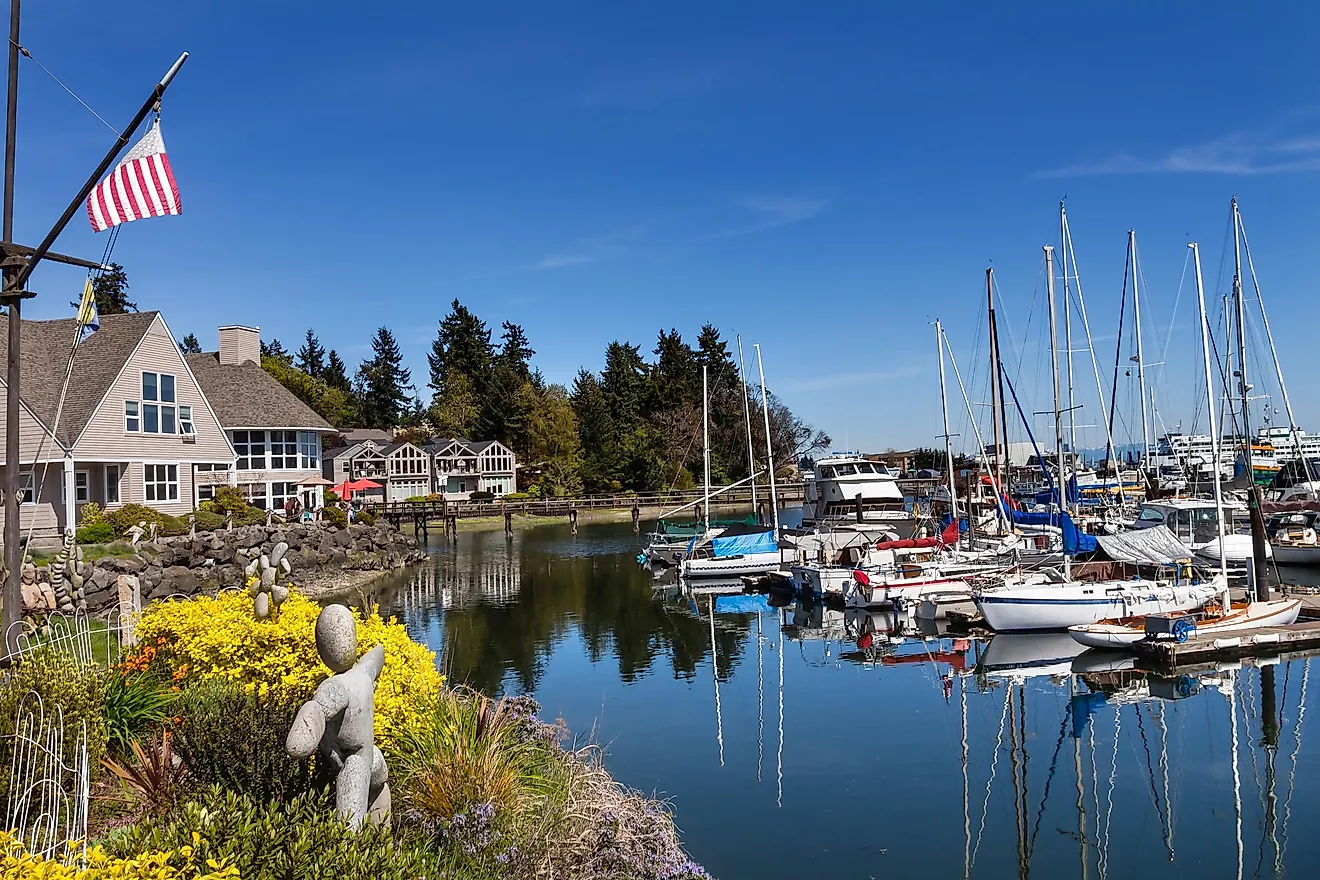
The story locals tell about St. Michaels is a war story. In 1812, with British warships coming up the Miles River, residents doused the town lights and hung lanterns high in the trees so the cannon fire sailed over the roofs. It mostly worked, and the town has been "the town that fooled the British" ever since. That same waterfront is where you start now.
The Chesapeake Bay Maritime Museum sits on an old seafood-packing dock, 18 acres of it, with a screwpile lighthouse you can walk into. From the dock you can board the Patriot, a cruise boat that runs narrated trips past the big waterfront houses and sunset sailings with music. When you come off the water, Foxy's Harbor Grille does the crab cakes and Eastern Shore Brewing pours the beer. Both are a short walk from the museum.
Berlin

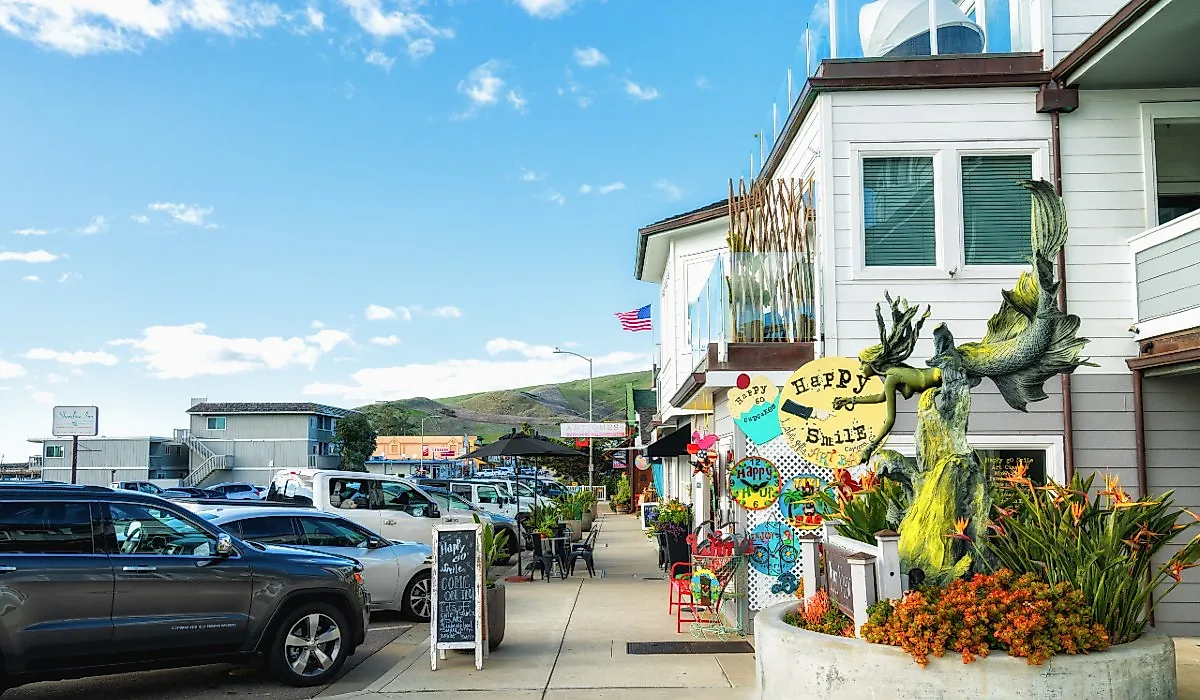
Berlin has been a movie set. "Runaway Bride" filmed on its Main Street, and Budget Travel named it America's Coolest Small Town back in 2014. What the cameras liked is still there: Victorian storefronts, magnolias, and the Atlantic Hotel, a wood-frame place from 1895 with rocking chairs on the front porch and antiques in the rooms.
The Calvin B. Taylor House Museum is on the same street, an old merchant's home turned local archive with the rooms furnished the way they'd have been. Then drive east. About eight miles out is Assateague State Park, Maryland's only oceanfront state park, where wild horses graze the dunes and salt marsh and nobody chases them off. Keep your distance; they bite.
Cumberland

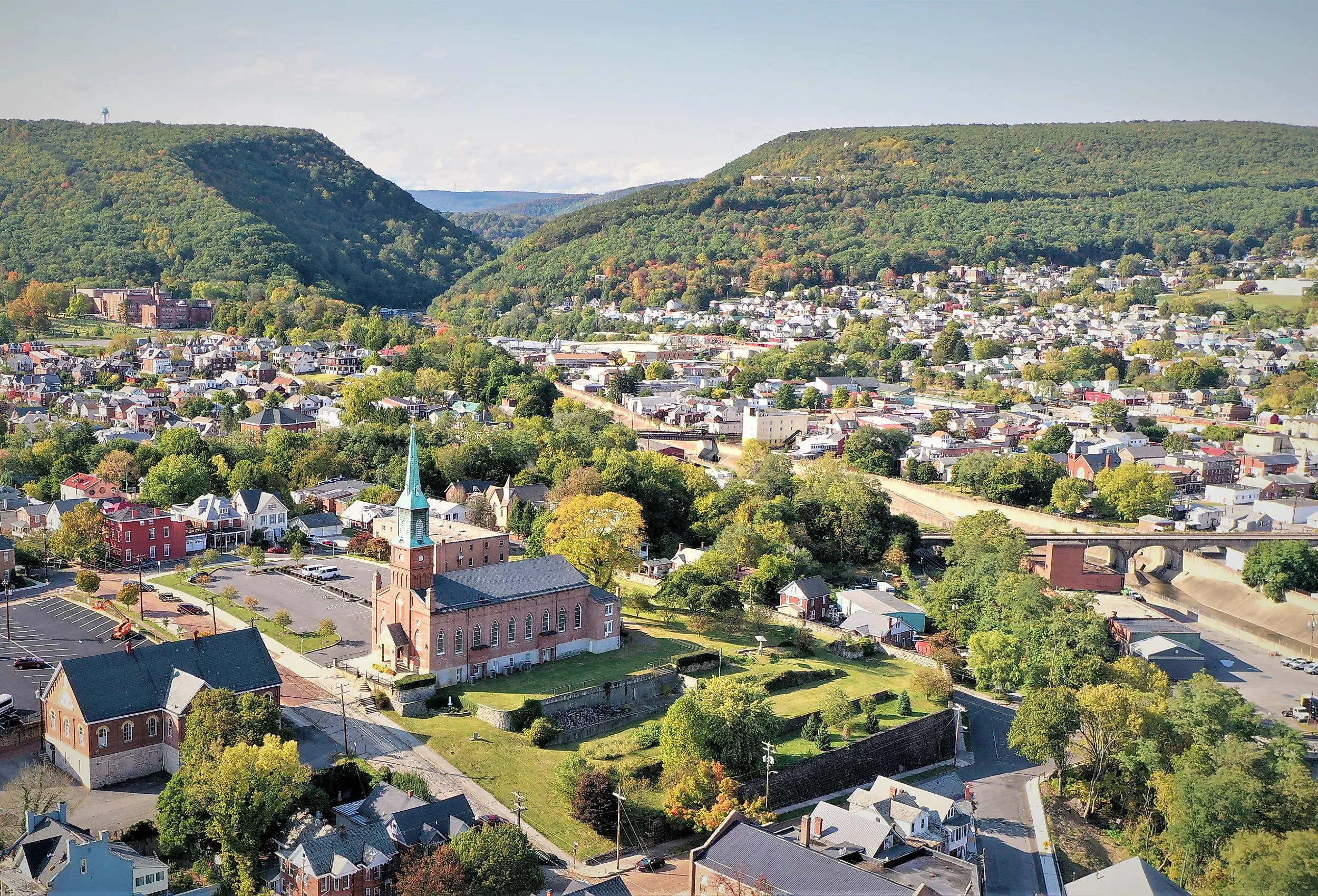
Cumberland sits where Wills Creek runs into the North Branch of the Potomac River, boxed in by the Allegheny Mountains. For a couple of centuries it was a rail and canal town, and that is still the reason to come. The Western Maryland Scenic Railroad runs a vintage train out of the depot and up through the mountain passes, following the Cumberland Narrows, the gap Wills Creek cut between two ridges.
The Allegany Museum is a few steps from the station in an old Neoclassical courthouse building, and it walks through Appalachian history from the canal and railroad days to the factory years. A block over, the Embassy Theatre has been showing films and hosting concerts in the same 1931 Art Deco house since it opened. Buy a ticket and sit where people sat ninety years ago.
Thurmont

Go to Thurmont for the mountains. The town sits at the foot of Catoctin Mountain Park, which is the same ridge that holds Camp David, though you won't be visiting that. You will find trails with rock outcrops and overlooks, and next door in Cunningham Falls State Park, the 78-foot Cunningham Falls, the tallest cascading waterfall in the state. It's about a mile in on the trail from the lot.
Come down hungry. Thurmont Kountry Kitchen does scratch cooking and is known locally for its broasted chicken. From there it's a three-minute walk to the Thurmont Historical Society, which runs a small museum out of the old Creeger House and rotates its exhibits on the town's past.
Chestertown

Chestertown was a colonial port, laid out on the Chester River in the early 1700s, and the old money shows in the brick sidewalks and the tall houses along Water Street. The Garfield Center for the Arts runs out of the 1920s Prince Theatre, an Art Deco house that puts on community plays, jazz nights, and film screenings through the year. Two blocks off, Fountain Park keeps a cast-iron fountain topped by a statue of Hebe, and the farmers market sets up around it.
The best hour here is on the water. The schooner Sultana, a full-size reproduction of an 18th-century vessel, runs public sailings on the Chester River. They'll put you to work on the lines and let you climb down into the cramped quarters below deck.
Sykesville

A flood nearly ended Sykesville in 1868. The town rebuilt, and it kept rebuilding, and in 2026 it won the Great American Main Street Award, the top honor a downtown can get and Maryland's first since Frederick took it in 2005. Downtown now runs at zero percent vacancy. You can read the whole arc at the Gate House Museum of History, from the flood to the mill years, and the Sykesville Historic Colored Schoolhouse tells the harder story of segregated education in one restored classroom.
The Sykesville Linear Trail runs 1.7 paved miles from Obrecht Road down to the Patapsco River, with a fishing pond and fitness stations along the way. When you're done, Patapsco Distilling Company is back downtown, pouring vodka and single malt made from grain grown nearby.
Emmitsburg

Emmitsburg is a pilgrimage town in the mountains near the Pennsylvania line. The National Shrine of Saint Elizabeth Ann Seton anchors it, a stone estate where you can tour the 19th-century buildings and hear the story of the first person born in the United States to be canonized a saint. Up the road, the National Shrine Grotto of Our Lady of Lourdes has a replica of the Lourdes cave, a rosary walk, and outdoor Stations of the Cross on the hillside.
The town square handles the rest of the day. The Emmitsburg Antique Mall runs to dinner sets and old quilts, and Emmitsburg Memorial Park is a block on, with covered pavilions and lawn enough for a picnic.
Easton

Easton is the arts town of the Eastern Shore, and the proof is on the calendar. The Avalon Theater, an Art Deco house downtown, books music and shows all year. A block over, the Academy Art Museum hangs real exhibits and teaches classes anyone can sign up for. This is the kind of place where the galleries and the good restaurants sit on the same walk.
When you want out of downtown, drive to the Pickering Creek Audubon Center. It's a 450-acre working farm with hardwood forest on one end and tidal wetland on the other, a canoe launch, bird platforms, and trails. Bring bug spray in July.
Havre de Grace

Havre de Grace stands where the Susquehanna River empties into Chesapeake Bay, and the whole town faces the water. Start on the Promenade, a boardwalk that runs the shoreline straight to the Concord Point Lighthouse. You can climb the tower and walk through the keeper's house for free, and see how the person who kept the light actually lived.
From the light, the path leads to the Havre de Grace Decoy Museum, full of hand-carved wooden ducks good enough to fool live ones, which was the whole point. Finish at Market Street Brewery, on the water, where a single conical fermentor does the entire job of turning out their pale ales and stouts.
Which Maryland Town Gets Your Weekend
These nine make different cases. Thurmont and Cumberland are the mountain towns, one built around a waterfall and the other around a railroad. St. Michaels, Chestertown, and Havre de Grace are the water towns, each on a different river running to the bay. Berlin and Easton are the downtowns you walk. Emmitsburg is the quiet one, and Sykesville is the one with the new trophy on the shelf. Pick by what you want to do on a Saturday, and Maryland has a town that does it well.