The 10 Friendliest Little Towns In Utah
Folk yodeling and alphorns fill Midway's town square every Labor Day weekend, a Swiss tradition the descendants of Heber Valley's first immigrants still keep. Down in Panguitch, a June festival reenacts the winter that seven men crossed deep snow on quilts to save the settlement from starvation. Helper traded its coal-mining past for an arts district, and its galleries throw open their doors on the first Friday of every month. These are the gatherings that hold small Utah towns together, the ones locals plan their year around. Here are ten of the friendliest, and the celebrations that make them worth the visit.
Kanab

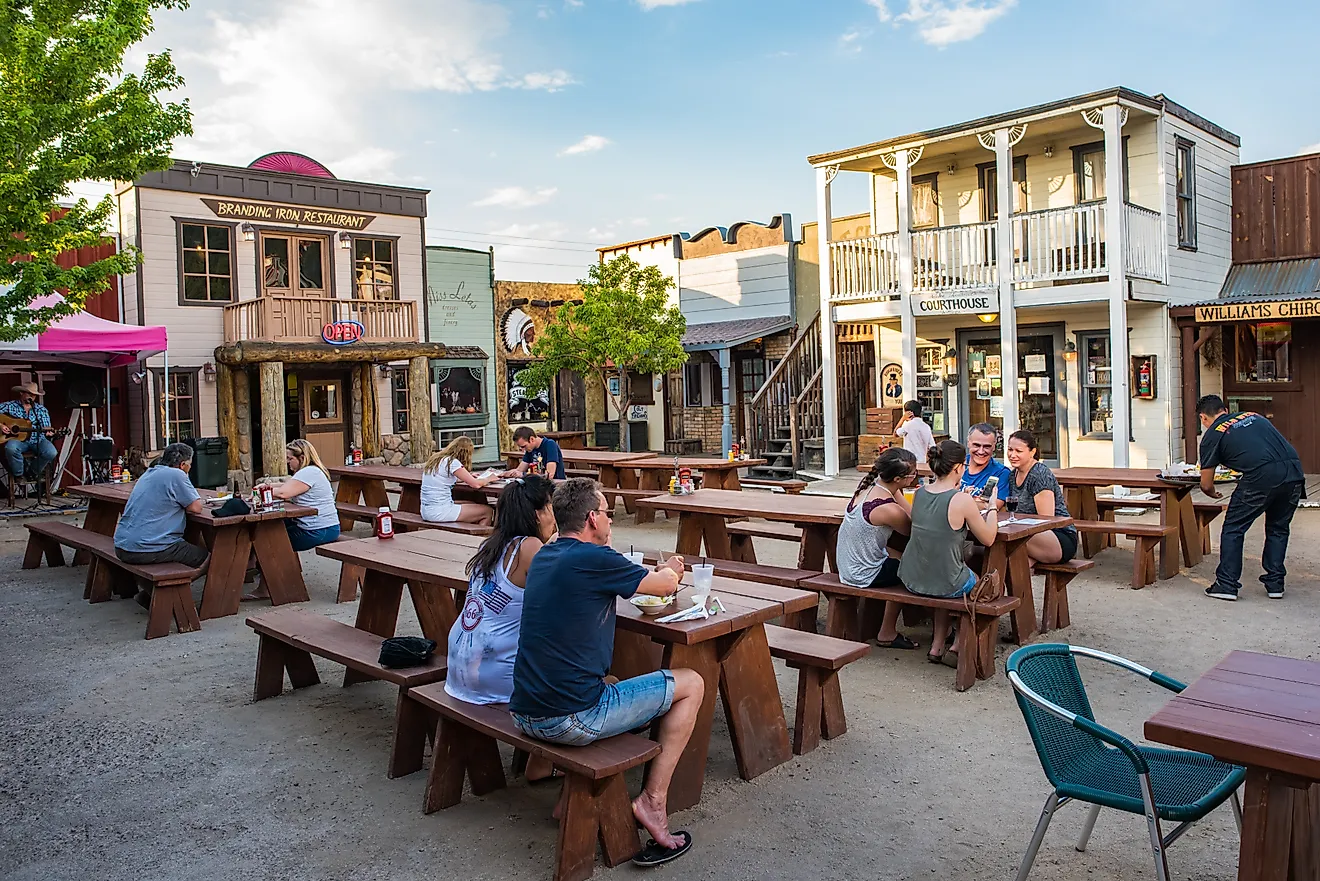
Kanab is structurally defined by its cinematic history. For decades, this high-desert town was a favorite backdrop for Hollywood, its rugged terrain standing in for the wild, untamed American West. While this cinematic legacy is preserved year-round inside the labyrinth of the Little Hollywood Museum (where weathered, salvaged movie sets stand as testaments to the mid-century film industry), the town's nostalgia hits a fever pitch each August. During Western Legends Heritage and Music Festival, the town fills up for stunt shows, vintage film screenings, and a celebration of its place in Western movie history.
To see why filmmakers kept coming back, head to the Coral Pink Sand Dunes just outside town. The dunes are made of soft, coral-pink sand eroded from Navajo sandstone. It's a striking break from the usual desert palette, and it's easy to see why the terrain once gave directors such an otherworldly backdrop.
Garden City

Garden City's economy and culture are centered around the turquoise of Bear Lake. The bright blue water anchors most of the town's recreation and tourism. The raspberry harvest gets its own moment each August during Raspberry Days, when artisan markets and roadside stands take over the lakeshore. The thing everyone comes for is the famous ultra-thick raspberry shake.
Outside the seasonal rush of local agriculture, the lake serves as a major recreational hotspot. At Bear Lake State Park, the shoreline opens onto water so blue it's often compared to the Caribbean, drawing boaters and swimmers all summer long.
Midway

Wasatch Mountain State Park sits near Midway, giving the town direct access to rugged alpine recreation. The town is a launching pad into this imposing range, where an intricate trail network cuts through steep mountain passes before dropping down toward the deep basin of Deer Creek Reservoir. Come back down into town, though, and the scenery changes completely. Midway looks like nowhere else in the state. Swiss immigrants left behind chalet-style buildings, steep-gabled roofs, and nineteenth-century European details that still define the place. That heritage is on full display during Swiss Days. On the Friday and Saturday before Labor Day, the town square fills with alpine food, folk music, and traditional craft demonstrations.
Panguitch

Panguitch was settled out of sheer desperation. During the brutal winter of 1864, with the new settlement facing starvation, seven men set out west toward Parowan for flour. When deep snow stopped their oxen and wagon, they laid quilts across the drifts and walked across them to reach the supplies, a harrowing feat of raw resilience commemorated today during the annual Quilt Walk Festival. The town's founders had followed a stretch of the Old Spanish Trail out of Parowan to establish the settlement only a year earlier.
That same harshness shows up in the land around town, which splits into two very different landscapes. To one side lies the pine-lined basin of Panguitch Lake, a high-altitude escape for boaters and anglers. To the other, Red Canyon rises up in jagged red rock, its sandstone hoodoos scattered across the Dixie National Forest.
Helper

Helper's comeback is an unlikely one. Rather than erasing its harsh past, this former coal town has revived itself with a distinctive arts community within the skeletal architecture of its historic mining and railroad district. Along Main Street, restored buildings now function as a creative hub for galleries and studios. That shift is most obvious during Helper's First Fridays, when downtown fills with artists, live music, and food vendors well into the night.
Yet Helper's artistic identity remains rooted in its blue-collar origins. The murals lining downtown track labor history, mining heritage, and indigenous roots. The Western Mining and Railroad Museum fills in the rest, with heavy equipment and artifacts from the railroad era.
Springdale

Each September, the Zion Canyon Music Festival plays out against the backdrop of Springdale's massive cliffs. The outdoor stages sit right beneath the town's sandstone walls, with the Watchman peak looming over the crowd.
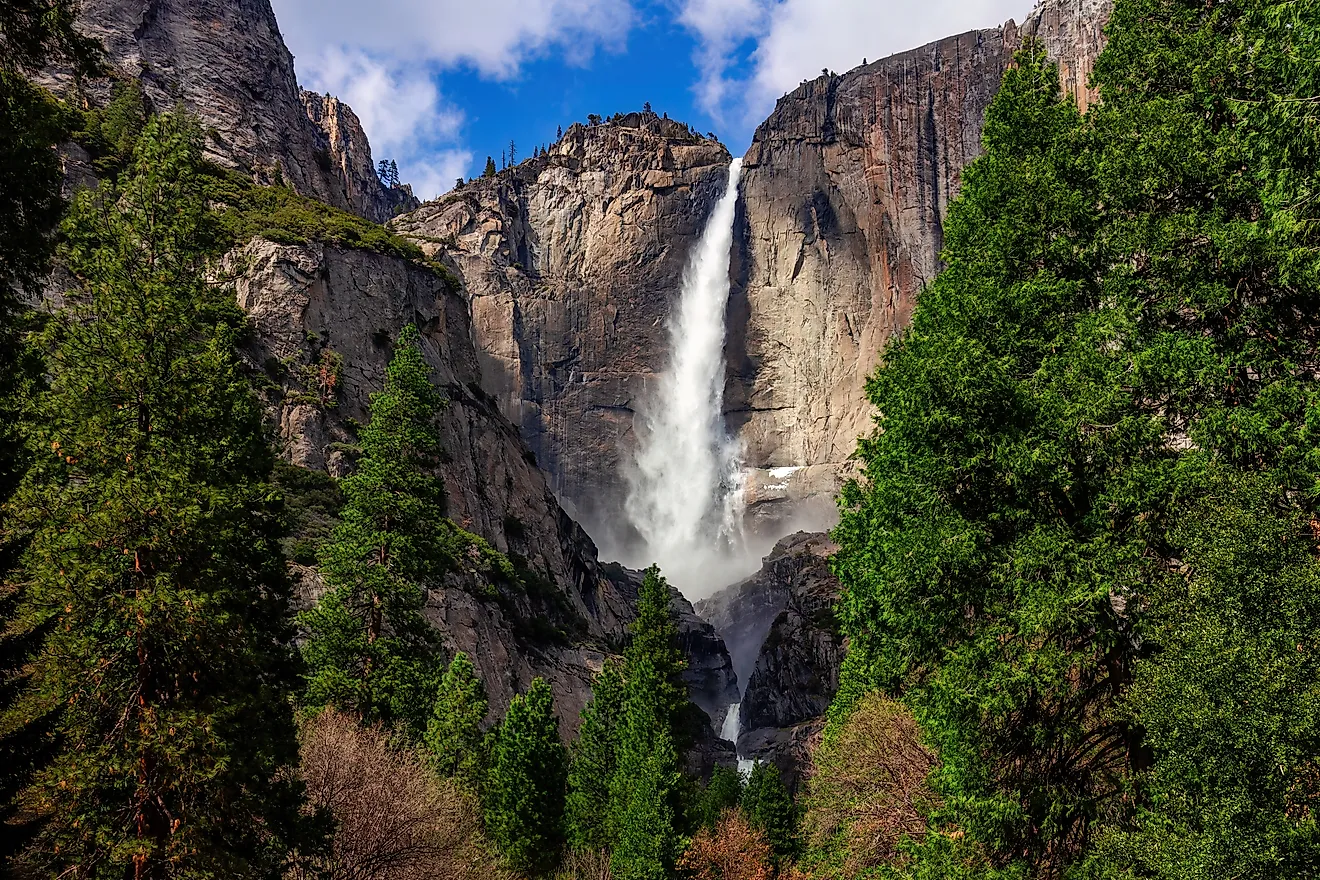
For the rest of the year, the town caters to hikers as a gateway to some of the most dramatic canyon country in the West. Positioned on the precipice of Zion National Park, Springdale manages the shuttle infrastructure required to channel millions of travelers toward popular routes like Angels Landing and The Narrows. That steady stream of visitors keeps downtown busy, with its outfitters, galleries, and restaurants rarely slowing down.
Torrey

The Entrada Institute uses Torrey as a home base for exploring where art and wilderness meet. Its concerts, lectures, and workshops dig into the natural and cultural history of the Capitol Reef region. That cultural energy carries into the compact downtown core. Independent cafés and small businesses sit alongside local galleries that display paintings, sculptures, and photography inspired by the surrounding geography. Torrey Apple Days brings that community spirit into the streets each July, with a Main Street parade, local vendors in Town Park, family activities, and fireworks. All of this draws on the town's closeness to Capitol Reef National Park, where cliffs, canyons, and domes rise out of the Waterpocket Fold, a geological monocline that runs nearly 100 miles. That landscape has long pulled artists out to the desert to capture its shifting light.
Escalante

The bending geography of the Grand Staircase-Escalante National Monument draws visitors from across the country to camp in Escalante. The town works as a basecamp for the area, where backcountry travelers pick up overnight permits, road conditions, and route advice before heading down Hole-in-the-Rock Road or out toward Lower Calf Creek Falls.
That same rugged landscape feeds the other side of Escalante's character. Each fall, the Escalante Canyons Art Festival brings painters, photographers, and writers to town for workshops and exhibitions. It's more of an open house than an arts fair, as the community draws outsiders in without losing its edges.
Huntsville

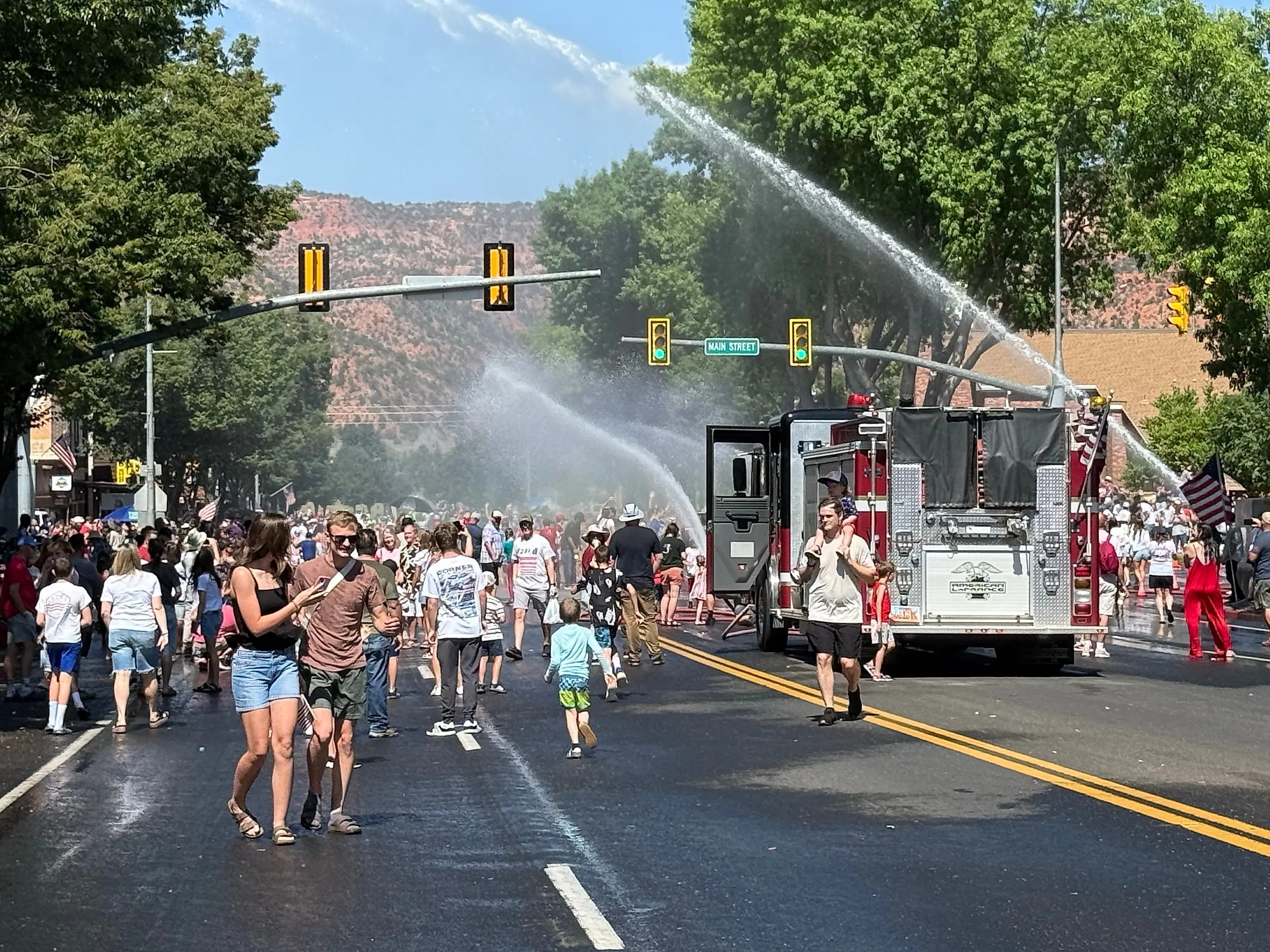
The social fabric of Huntsville is exemplified at the historic Shooting Star Saloon, a rustic bar and restaurant that has functioned as the valley's definitive community living room for generations. This sense of camaraderie reaches its peak during the annual Independence Day celebration. The town's Fourth of July goes beyond a standard holiday event, acting as a tight-knit gathering where multigenerational families and welcoming locals take to the streets for community parades and grassroots festivities, keeping the small-town warmth fiercely alive.
The community seamlessly accommodates dual-season outdoors excursions just beyond the town's limits. In summer, Pineview Reservoir draws crowds for boating and other watersports. When winter hits, the town's energy shifts toward the massive alpine topography of the Snowbasin Ski Resort, which hosted the downhill races during the 2002 Olympic Winter Games.
Morgan

The modern identity of Morgan remains deeply rooted in its agricultural origins. That ranching and farming heritage still shapes the town's social calendar, peaking each year at the Morgan County Fair. Far from a simple rural exhibition, the fair serves as a boisterous community event where rodeos, livestock auctions, and roaring motorsports events showcase how a tight-knit agrarian culture can actively adapt. This grounded, community-focused energy does not end at the fair. The surrounding valley's landscape provides a natural release for both locals and visitors. The Weber River cuts through the heart of the region, a lively corridor for summer tubing and kayaking caravans. A short drive away, East Canyon State Park adds more camping and fishing to the mix.
Where Local Traditions Keep Community Close
The friendliness across these Utah towns runs deeper than hospitality. It was earned in mountain passes, farm harvests, and reclaimed railroad districts, and these communities have held onto it deliberately. For the visitor passing through, their gatherings offer more than a stop on an itinerary: a way into places that haven't been softened by tourism or time.