Oregon's 7 Unsung Small Towns
Oregon is a state rich in geographic variety, history, and culture. The state is home to beautiful natural wonders, hip and progressive urban centers, and a generally laid-back lifestyle. Oregon is also recognized as a leader in environmentalism, and there is a growing push for sustainability, not only in forestry but also in all outdoor pursuits, including camping, fishing, hunting, and water activities. For many, the adventurer's dream comes alive in Oregon, perhaps more so than any other state. The rugged, storied coastlines stand in stark contrast to the semi-arid plains in the eastern part of the state, which are interspersed with evergreen forests. Spread throughout these vast landscapes of Oregon are unsung communities worth discovering.
Cannon Beach

Cannon Beach is a seaside town known for two key things: the 235-foot Haystack Rock, a monolithic rock surrounded by tide pools that appear at low tide, and the town’s ban on chain restaurants and stores. As such, the emphasis is on local. Cannon Beach’s downtown shopping district is lined with galleries, boutiques, and plenty of dining options, all locally owned. The atmosphere of this town is relaxed and friendly. The pedestrian-friendly downtown features artist and craft studios, with glass-blowing and bronze sculpture being prominent. Seafood, of course, is a big part of the dining scene, and a great choice to try is Anna’s Table. Nearby is Pelican Brewing, a gastropub and craft brewery. To take in the ocean views without bringing along your beach gear, Ocean Avenue, between midtown and downtown, runs along the beach, giving you some great vistas to take in after your meal.

The beachfront is expansive and sandy, and while hiking in Hug Point State Park, you can take in and explore the area’s tide pools. The area is also an important nesting area for tufted puffins. Within the Hug Point State Park is the Hug Point State Recreation Site, a great place to explore sea caves and a small waterfall that tumbles over the cliff right onto the beach. The caves are best visited at low tide. Hiking trails cross the cliffs of Ecola State Park, giving dramatic views of the ocean.
Yachats

Yachats is a delightful coastal town with a rocky shoreline and a rich maritime history. A key feature of this town is its access to the water. A walkable town, you are never really too far from the ocean, and that location is what defines Yachats. Two incredible coastal features are Thor’s Well, a 20-foot deep sinkhole that seems to drain the ocean, and Devil's Churn, a deep chasm. Part of the Cape Perpetua Scenic Area, they are both best viewed at night for dramatic effect. The ruggedness of the Yachats shoreline sets the town apart from other coastal towns on the Pacific Coast.

The downtown commercial district, located near the shore, offers excellent shopping and dining options. Many boutiques, bars, and restaurants line the streets. For coffee, try Green Salmon Coffee Co., where you can read the books you purchased at Books and More. Every Sunday from May to October, the Yachats Farmers Market offers local fare, along with snack bars and displays of local art. For nature lovers, the 804 Trail is an accessible path along the shore, while Amanda’s Trail connects the town to Cape Perpetua. For some local history, the Little Log Church Museum was built in the late 1920s using local timber hauled down the Yachats River, and is now a museum. The Little Log Church is currently closed for much-needed foundation repairs to the 100-year-old building.
Silverton

Silverton is an artistic community with a charming downtown and a small-town feel. The downtown area is noted for its murals painted on historic buildings. Visit some of the local craft breweries, or visit any number of funky boutiques or galleries. Silverton is also home to the Gordon House. This Frank Lloyd Wright design is in Wright’s Usonian style, and was commissioned by Life magazine in 1938, and completed in 1963. The house was saved from demolition in 2001, when it was moved to its current location in Silverton, where it was restored. It is now a museum open to the public for guided tours.
For outdoor pursuits, Silver Falls State Park is known as the crown jewel of the Oregon State Parks system. The park offers hiking and biking trails, horseback riding, and the 2-mile Canyon Trail that ventures behind several waterfalls. A 130-acre botanical garden, the Oregon Garden features over 20 specialty gardens that showcase the diverse flora of the Pacific Northwest. The garden includes the Pet-Friendly Garden and the Children’s Garden. In the spring, don't miss the Wooden Shoe Tulip Festival. For dining options, Silver Falls Brewery is a relaxed pub with a great selection of beers, a good menu, and a patio for outdoor dining. Fin + Fowl Kitchen offers extensive ramen dishes, plus sushi and salads.
Mt. Angel

The unsung town of Mt. Angel is 18 miles northeast of Salem, Oregon, and its claim to fame is its unexpected appearance. Historically, the town was made up of German immigrants, and they modeled Mt. Angel in a Bavarian style, a half-timbered building often called the Bavarian-Alpine style. The town hosts an Oktoberfest in late September that is a significant cultural and tourist event in the area. Mt. Angel is also known for the Mount Angel Abbey, a Benedictine monastery located at the top of Mount Angel, a 485-foot-high butte. The monastery currently houses around 50 monks.
If you are there to take in the Bavarian ambience, it is also worth checking out the downtown shopping district. German fare does tend to dominate the dining options, and outside of Oktoberfest, there are restaurants such as Mt. Angel Sausage Company and Bierhaus that will satisfy any craving for hearty Bavarian cuisine. If you need to get away from the sauerkraut and sausages for a while, there are other options, such as Maricaro Tacos, which is rated highly. Just outside of town, you will find Willamette Valley Vineyards, and the town is close to many other wineries.
Joseph

For an alpine experience, the town of Joseph is an unexpected gem. Known as the Little Switzerland of America, Joseph's position near the shores of the beautiful Wallowa Lake and the mountain views serve as the town’s backdrop. The town is named for Chief Joseph, the leader of the Wallowa band of the Nez Perce tribe, who lived in the Wallowa Valley. In late July every year, the city hosts the Chief Joseph Days Rodeo. The downtown commercial district is lined with boutiques, galleries, and pubs. It is also home to the Joseph Oregon Bronze Artwalk, a series of life-sized bronze sculptures. With a decline in lumber in the late 1970s, the town struggled. In 1982, three bronze foundries opened, creating a new industry for the town, attracting artists to the area.
The town hosts an annual Alpenfest every September, celebrating Swiss and Bavarian culture. Wallowa Lake Tramway is a 3,700-foot ascent up Mount Howard offering stunning views of the Wallowa Mountains. At the top of the tramway’s upper terminal is the Summit Grill, featuring the Alpine Patio. The area has plenty of skiing and snowboarding opportunities as well. The Stein Distillery is a great place for distilled spirits and cocktails. For some American comfort food, the Cheyenne Cafe is known for large portions and for its biscuits and gravy.
Jacksonville

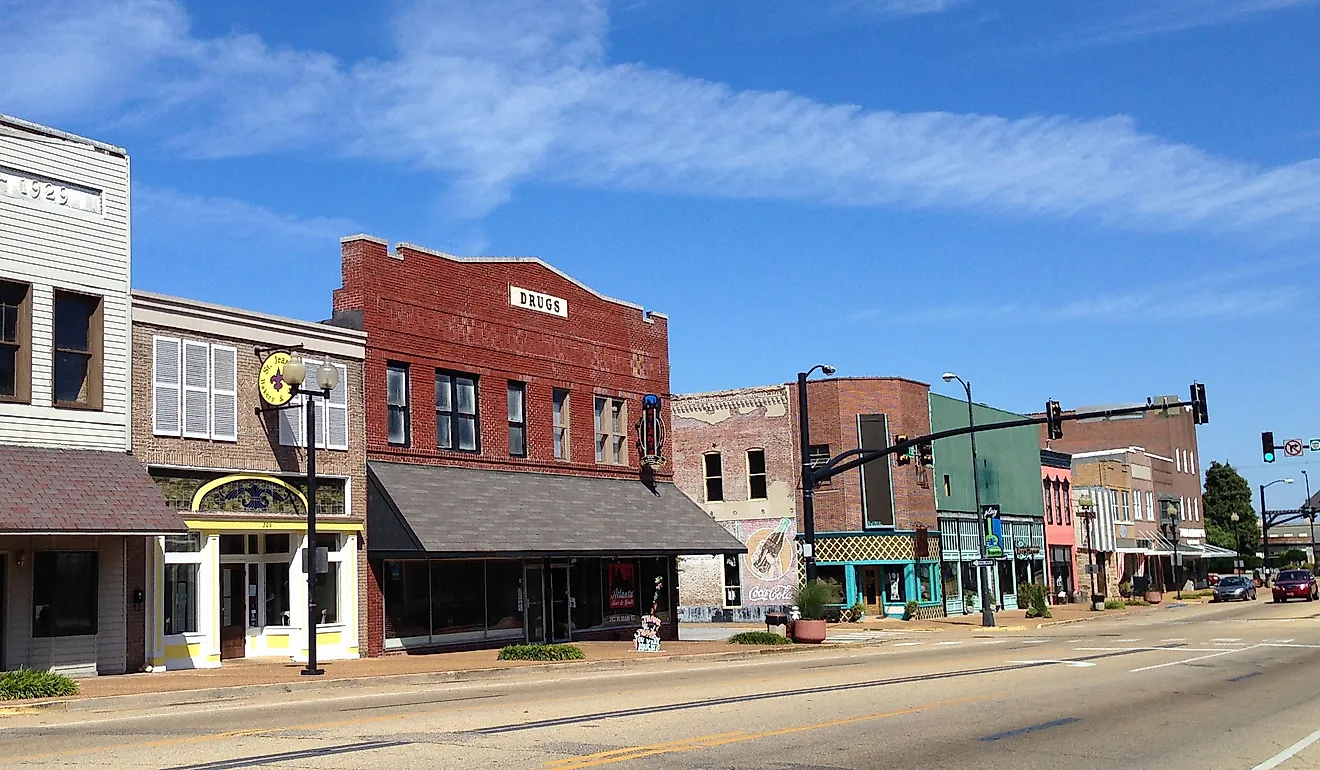
Jacksonville is an unsung historic Gold Rush town that has a National Historic Landmark district with well-preserved Victorian architecture. The downtown commercial district is lively, with locally owned independent boutiques, antique shops, and plenty of dining options. The area is also known for its wineries located in the downtown and the surrounding countryside. For walking tours of the National Historic Landmark district, stop at any Southern Oregon Historical Society site for guided and self-guided tours. An important annual event is the summer-long Britt Music & Arts Festival, featuring many genres of music, from classical to pop, mostly performed at the Britt Hill amphitheater.
For wine enthusiasts, the Applegate Valley Wine Trail is a self-guided driving tour of area wineries. South Stage Cellars is a local winery worth visiting, even if you are not on the wine tour, with its robust selection of local varietals. The Wine Lounge in the Jacksonville Inn offers a tasting room with over 800 wines, set in a cozy space. The highly-rated Churro Rush offers a variety of churros, plus some light Mexican and American lunch options. For arts and culture, the Art Presence Art Center is a prominent arts organization. For outdoor activities, the Jacksonville Forest Park is 1,080 acres of forested hills just 2 miles from the town center. There are over 30 miles of multi-use trails. The park is part of the Jackson Creek Watershed, with Jackson Creek flowing through the center of town.
Astoria

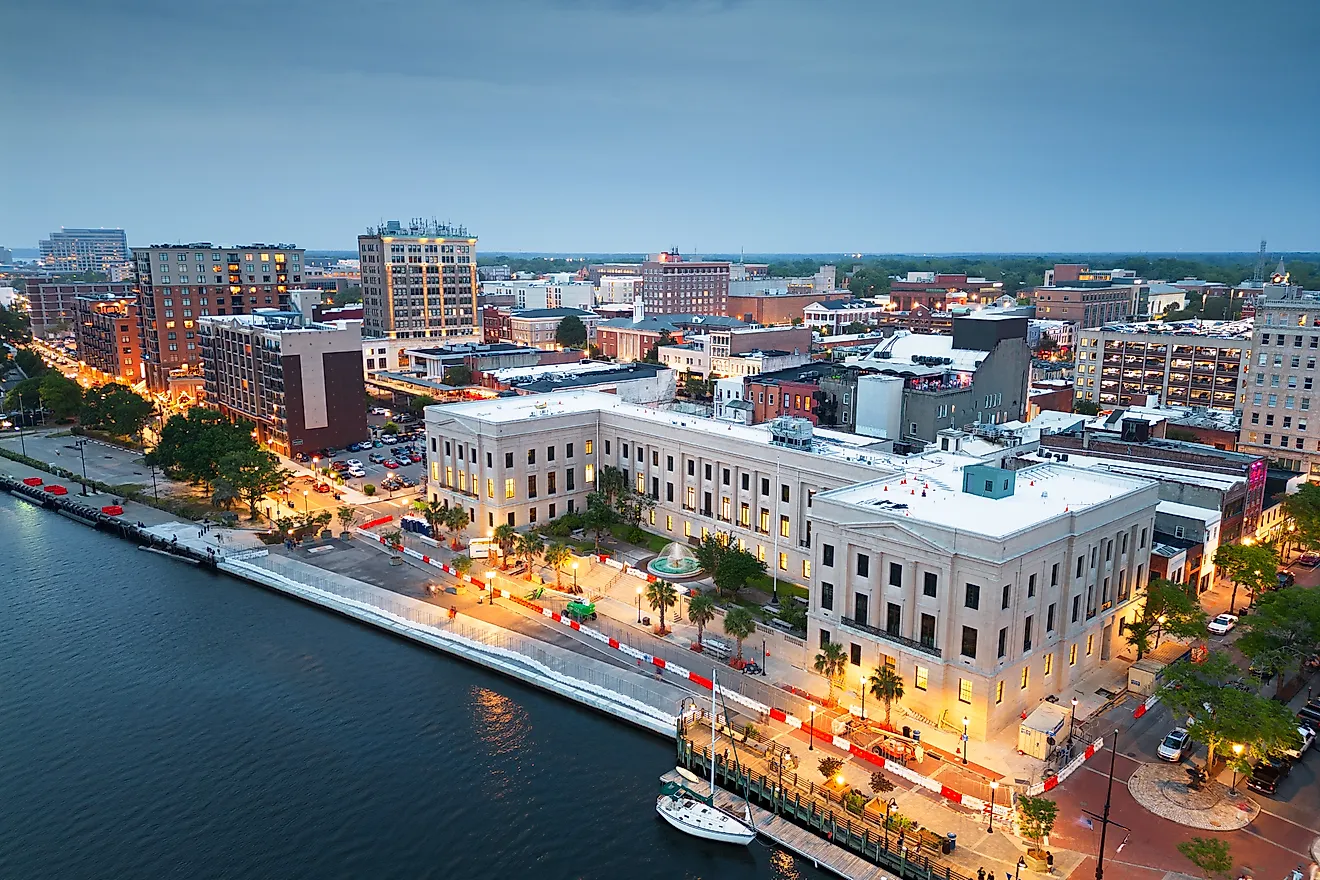
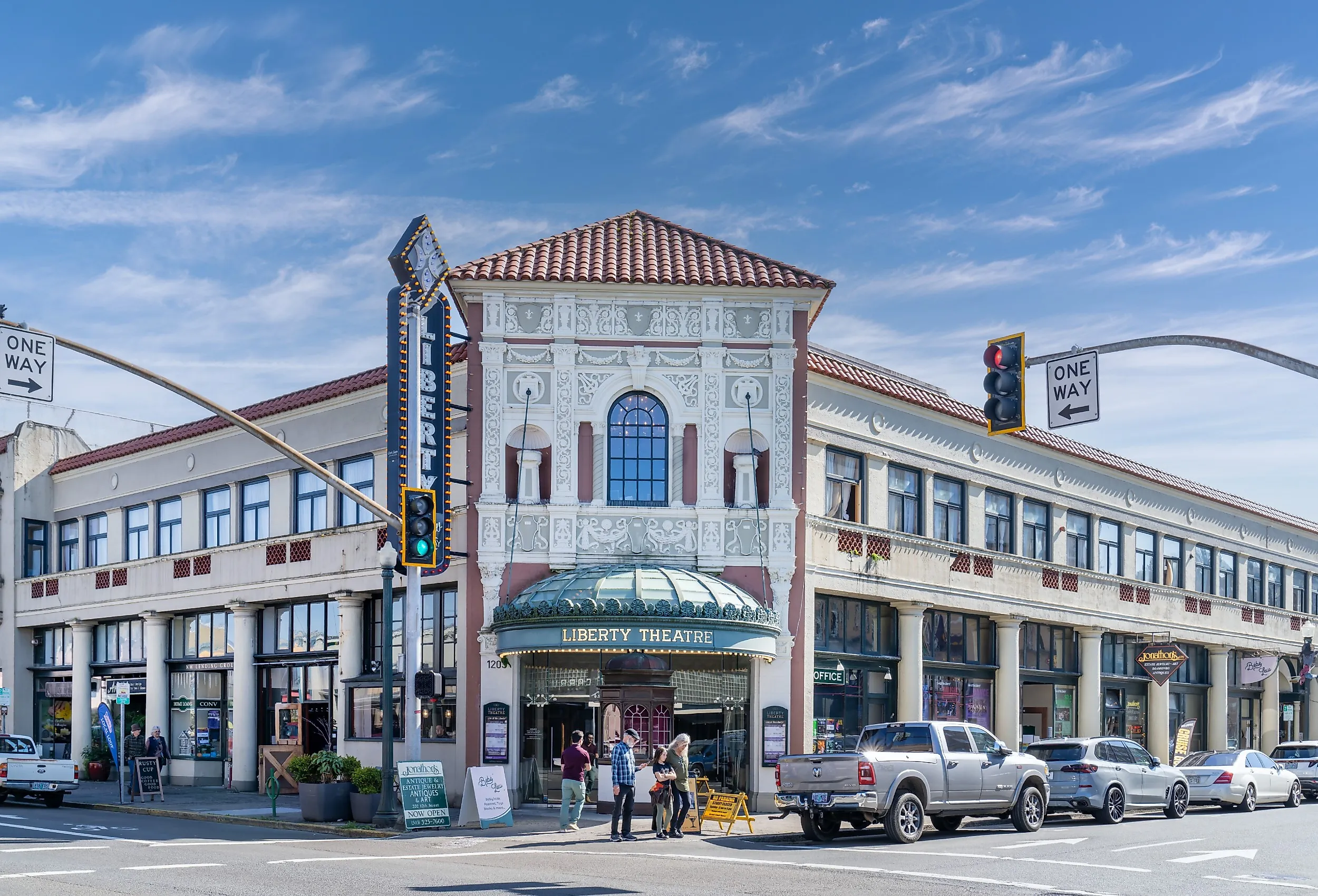
Astoria is a small city with an important maritime history, known for its proximity to the Columbia River, and as a sought-after film location. Downtown Astoria is a historic waterfront district and is the oldest American settlement west of the Rockies. Founded in 1811, the historic downtown features impressive Victorian architecture and is a walkable commercial district with vintage shops, breweries, cafes, galleries, and museums. The Oregon Film Museum is located in the old county jail and focuses on movies filmed in Oregon. Films shot in Astoria include The Goonies, including the Goon Docks house, Kindergarten Cop, filmed at a local elementary school, Free Willy, which utilized the harbor, and The Ring, which captured the town’s atmosphere.

The Columbia River Maritime Museum focuses on Astoria’s status as part of the Graveyard of the Pacific, for the area shipwrecks, and features a tour of the Lightship Columbia, a former floating lighthouse operating at the mouth of the Columbia River. The Astoria Column is a 125-foot tower providing panoramic views of the river and ocean. Fort Stevens State Park is nine miles of trails, beaches, the Peter Iredale shipwreck, and historic military gun batteries. For dining options, seafood is a big part of the culinary scene, including the relaxed South Bay Wild Fish House, which provides a terrace and locally sourced ingredients. The Bridgewater Bistro occupies a restored 1896 building on a pier overlooking the Columbia River.
Seven Small Towns Waiting to be Explored
The varied landscapes of Oregon are a big part of its appeal, and with so much to see and do, it is impossible to take everything in. There are many unsung towns and small cities that are worth visiting, offering beautiful natural surroundings, vibrant downtown scenes, and rich histories. Discover architectural gems, take a tour of shipwrecks or movie locations, or settle down with a seafood meal, some local wine, or beer from a brewpub nestled in the Victorian architecture.