Five of the Oldest Incorporated Towns in Idaho
The oldest incorporated towns in Idaho were chartered by three different legislatures, and none of them were the state's own. Lewiston received its charter from Washington Territory in January 1863, two months before Idaho Territory existed. Franklin was incorporated by Utah Territory in 1868 because everyone, including its residents, believed the town was in Utah.
Placerville, Idaho City, and Bellevue got theirs from the Idaho Territorial Legislature, with Bellevue still governing itself under the charter it received in 1883. Between them, these five towns cover the gold rush, the Mormon settlement trail north from Utah, and the silver boom of the 1880s.
Here's what makes each worth the trip.
Lewiston

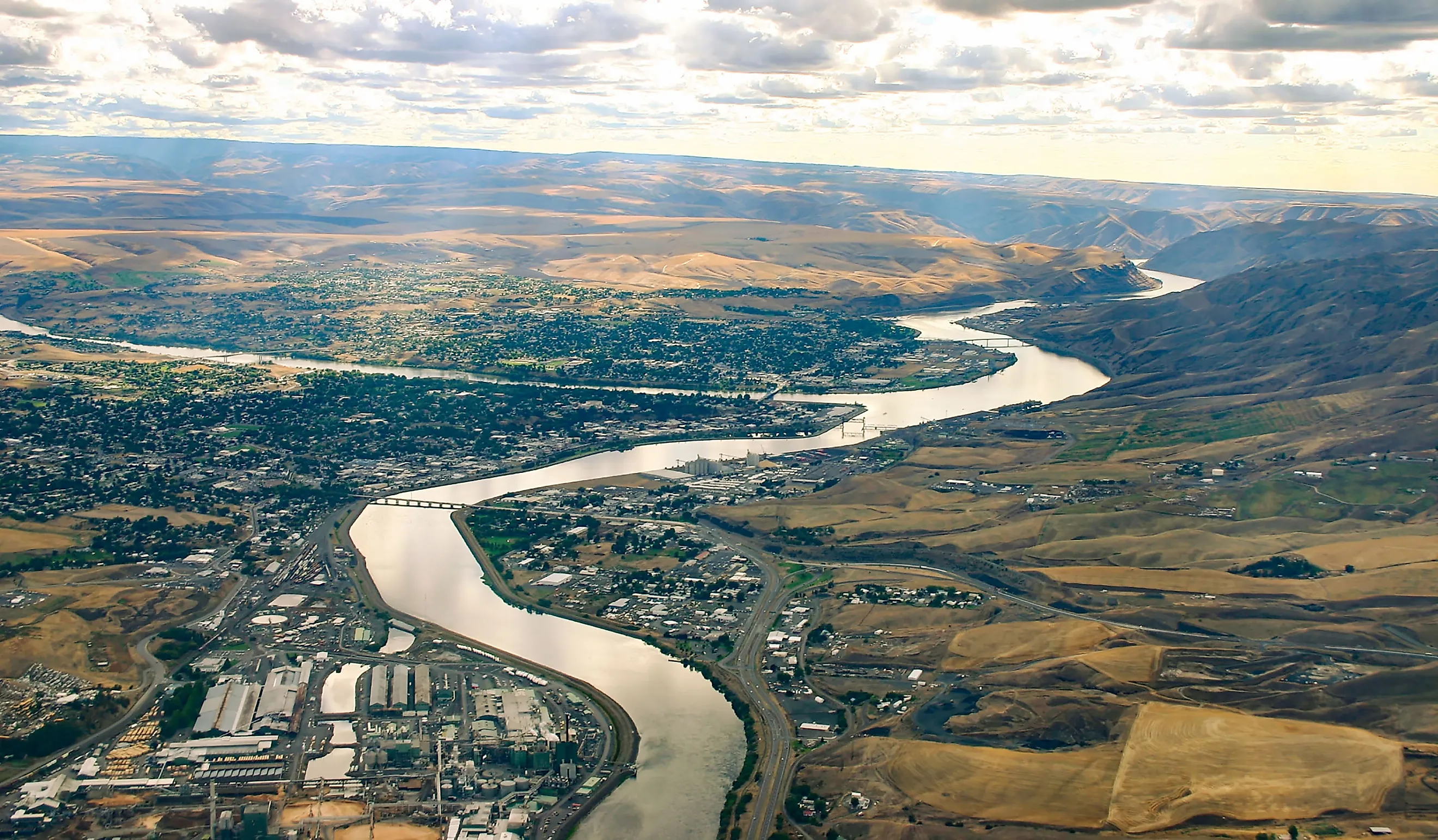
Lewiston started off as a supply camp for the gold fields that opened after a strike on the Clearwater River in 1860. The confluence of the Snake and Clearwater rivers was the head of steamboat navigation, and because the site was still on the Nez Perce reservation, only framed canvas tents were permitted until 1863, earning it the nickname, Ragtown.
Early in 1863, the Washington Territorial Legislature incorporated Lewiston as a village, and when Idaho Territory was created that March, the new government gave the town a charter, making it the territory's first recognized municipality. Lewiston also served as the first territorial capital, a role it later lost to Boise after a legislative vote in December 1864. The original charter stayed in force until January 1970.
The Nez Perce County Historical Society and Museum does a good job of covering all of this. Highlights include the Beuk Aie Temple exhibit, which preserves the contents of a temple that served the town's Chinese miners and merchants, along with the Miranda Cabin, Trolley Car 8, and the Heritage House. Lewiston is also Idaho's only seaport, with barges reaching the Port of Lewiston through a set of locks and dams.
Most folks visit Lewiston, though, for its proximity to Hells Canyon, 7,913 feet deep at its lowest point. The deepest river gorge in North America, it's reached by jet boat from the marina at Hells Gate State Park on the Snake River south of downtown.
The park is also home to the Lewis and Clark Discovery Center, which explains the adventurers arrival in 1805, and the paved Lewiston Levee Parkway runs the length of the park and along both rivers through town.
Placerville

Miners coming into the Boise Basin by way of the Payette River and Harris Creek reached Placerville first, which is why the camp grew so quickly after its townsite was chosen in 1862. In less than a year, its population had reached 3,200, and the town had 13 saloons, five blacksmith shops, seven restaurants, and five meat markets.
When the first Idaho Territorial Legislature met at Lewiston that winter, Placerville's citizens obtained a charter for their city, one of the earliest granted in the new territory. The boom soon shifted to Idaho City, which had a longer water season for washing gravel, and by 1870 Placerville's population dropped to just 318 souls.
What survived, though, was the town's business district, built around a town square rather than strung along a single street.
A must-see is the Boise Basin Mercantile, built in the 1860s and one of the first chain stores in Idaho. Now a museum, it's stocked with period goods and an original one-cell jail in its basement.
Across the square, the Magnolia Saloon, once the fanciest bar in town, houses the Henrietta Penrod Museum, whose collection includes fine china, handmade fans, shoes, and silk items left behind by Chinese miners. Emmanuel Episcopal Church near the square is one of the few buildings left from the days when Placerville had 90 houses.
Idaho City

Gold was found near here in August 1862, and by October, a camp called Bannock City had been staked out where Elk and Mores Creeks meet. This reliable water supply helped it outgrow every other camp in the Boise Basin, and within a year the population had grown to 6,267, making it the largest city in the Pacific Northwest.
The Washington Territorial Legislature created Boise County in January 1863 and made the town its seat. The name change to Idaho City came in 1864 after Idaho Territory took over.
Devastating fires in 1865, 1867, 1868, and 1871 destroyed most of the town's wooden structures, which is why the landmarks that survive are made of brick with iron shutters and attics packed with dirt. The Boise Basin Museum in the town's old post office from 1867 tells this story, as well as details of the Boise County Courthouse, which started life as a general store in 1871.
The Miner's Exchange, built in 1865, took its name from the practice of exchanging gold dust for cash or a drink. Across the street, the Idaho World building housed the newspaper founded in 1863 as the Boise News, the oldest paper in the state that still publishes.
Other notable structures from the town's early years include St. Joseph's Catholic Church, completed in 1867 and the oldest church built for Euro-American settlers in Idaho; the Masonic Temple of 1865, the oldest west of the Mississippi still in use; and Pon Yam House, built in 1867 and the only structure left from a Chinese community that made up 45 percent of the town in 1870.
Franklin

The pioneers who arrived in Franklin in April 1860 believed they were settling down in Utah. The settlers laid out the wide streets they knew from other Utah communities and drew lots for land, and in February 1868, the Utah Territorial Legislature incorporated Franklin City. Residents even paid Utah taxes and voted in Utah elections. Until, that is, a federal boundary survey in 1872 placed the town a mile north of the line, inside Idaho Territory, not Utah.
The change of state didn't change much else. From 1874 to 1877, Franklin was the end of the Utah and Northern Railway, where the freight was bound for the Montana mines was transferred to wagons for the long haul north.
In 1910, Governor James H. Brady proclaimed June 15 as Idaho Day in honor of Franklin's pioneers, and the town still celebrates it on the last Saturday in June.
Four buildings on East Main Street portray the town's early settlement. Lorenzo Hill Hatch House is a two-story limestone home in the Greek Revival style, built in 1872 for the town's first mayor, who also served as its second bishop. John and Ann Doney House, built in 1864 and moved to the site, is the second-oldest stone home in Idaho.
The Franklin Co-operative Mercantile Institution is a stone store built in 1869. Next to it, the Relic Hall, a log museum put up in 1937, holds farm implements, settler photos, and a Yellowstone Park touring stagecoach, a reminder that the Old Yellowstone Route passed just outside town.
Bellevue

Silver, not gold, put Bellevue on the map. First spotted in 1864, the rush didn't arrive until 1880, when the town was mapped with a population of just 20 people. Two years later, the population was 2,000, with a weekly newspaper, a bank, and the Oregon Short Line Railway running through it.
The Idaho Territorial Legislature granted the city a charter in 1883, and Bellevue has kept it, making it the only city in the state still operating under a territorial charter rather than the state municipal code.
As for the mines that built the place, they produced over $60 million in silver, lead, and gold between 1881 and the silver crash of 1893. Bellevue even served as the seat of the short-lived Logan County from 1889 to 1895, and structures from this period can still be seen in the Bellevue Historic District.
These include the Old Bellevue Town Hall on Main Street, built in 1890 for $240 to house the town's hand-pulled fire cart. It now houses the Bellevue Historical Society museum, whose exhibits cover the valley's Native American heritage, the fur trade, and the town's early years.
Bellevue is also the southern end of the Wood River Trail, a paved 20-mile path on a former rail line that links the town with Hailey, Ketchum, and Sun Valley. Interpretive signs provide insights into the silver mines and sheepherding along the way. Southeast of town, just off Highway 20, Silver Creek Preserve protects 882 acres of spring-fed creek and wetland where Ernest Hemingway once hunted and fished.
Idaho's Oldest Chartered Towns
None of these communities waited for Idaho to become a state before organizing themselves into cities. With many original buildings from their founding years still in use, they paint a compelling portrait of the Gem State's early years.