9 Most Laid-Back Towns in Portugal
In many small Portuguese towns, the day is organized around the morning café, the afternoon promenade, and the evening praca, where neighbors greet by name and newcomers are noticed with curiosity. That rhythm matters when you’re relocating: it shapes how you shop, socialize, and even choose housing, because life happens on foot.
These nine towns show how Portugal’s history stays practical: fortress walls guide modern strolls, pilgrimage steps double as exercise routes, and fishing harbors still set dinner plans. For Americans, they offer an easy entry into belonging. Expect noise, familiar faces, and rituals that turn days into weekends.
Obidos

Visiting the town of Obidos is like taking a relaxing trip through time to a medieval European village. It’s one of Europe’s best-preserved medieval towns, featuring cobblestone streets, a medieval market, and the Castle of Obidos. The town’s main street is the Rua Direita, and a walk through its cobblestone streets will lead you straight to the majestic Castle of Obidos. But on the way, your senses can enjoy the artistry of baroque-styled churches, artwork from unique local shops, local cuisine from family-run restaurants, and the sweet and sinful taste of a ginjinha d’obidos, a local sweet cherry-flavored liqueur that is served in a chocolate cup.
Obidos is a great one-day stop, especially if you are traveling from Lisbon to Porto. It offers an authentic Portuguese experience of well-preserved history, a peaceful village atmosphere, and family-friendly hospitality.
Azenhas do Mar

This town is perfect for introverted travelers who want to avoid large crowds and find peace in spectacular ocean views, beautiful architecture, and the comforts of indulging in local seafood cuisine. Home to about 800 people, Azenhas do Mar is a short drive from Lisbon and is situated on top of a cliff that overlooks the sea. One of the defining features of this town is the traditional white houses with terracotta-tiled roofs and buildings that feature the Portuguese suave (soft Portuguese) architectural style.
It’s a town where you can take a lazy stroll while soaking up the ocean breeze or sample the local cuisine in restaurants like Restaurante Azenhas do Mar while watching waves crash onto the cliffs. Azenhas do Mar is also close to the Praia das Macas prehistoric monument, which features an artificial Neolithic cave and a beehive tomb.
Sagres

Sagres will forever be linked to the Portuguese Age of Discovery, and the remnants of this golden age in Portugal’s history can be found in structures like the Fortress of Sagres. But Sagres is also a town known for its low-key vibe and quiet and secluded beaches like Praia Do Tonel and Praia Do Beliche. You can surf, snorkel, and sunbathe on these beaches, but for couples and families who love a beautiful sunset away from crowds, the beaches of Sagres will not disappoint.
You can also take long hikes around the nature reserves in Sagres and wildflower meadows. Many of its hiking routes will lead you to the historic Cabo de Sao Vicente, where you can feel the vastness of the Atlantic from atop majestic cliffs.
Lamego

Architecture and history buffs will find ease and splendor in Lamego, especially with the Sanctuary of Nossa Senhora dos Remedios. This architectural and artistic marvel sits on the hill of Santo Estevao and is one of Portugal’s main pilgrimage churches. To reach the church, visitors have to climb 686 steps, but on the way, they can marvel at beautiful works of artistic craftsmanship like sculptures, fountains, obelisks, and tile panels. Once you reach the church, not only will you be rewarded with some of the best works of baroque architecture, but you will be able to feel at ease and possibly at home by taking in the breathtaking view of the town of Lamego.
If that is not enough history for one day, you can get carried away to a different time with the Gothic and Renaissance architecture of the Se de Lamego. Or take a deep spiritual dive into the 12th-century monasteries Mosteiro de Santa Maria de Salzedas and Mosteiro de Sao Joao de Tarouca. Either way, your historical thirst will be quenched in Lamego.
Nazare

Portugal’s 800 km coast is home to many fishing towns, but Nazare sets itself apart because it’s home to some of the world’s biggest waves. Beaches like Praia do Norte attract surfers from all over the globe. Still, they also attract less adventurous tourists who would rather sunbathe or take slow, carefree strolls on golden sandy beaches.
Non-surfing travelers can also take in the history of Nazare with a visit to museums and cultural centers like the Doctor Joaquim Manso Folk and Archeological Museum, Fisherman House Museum, Nazare Bullring, and the Nazare Cultural Center. Once you have taken in your fair share of history and relaxation on a beach, cap your day off with a visit to Sitio de Nazare, which offers breathtaking views of this charming little laid-back town and the giant waves that smash onto its shores.
Tomar

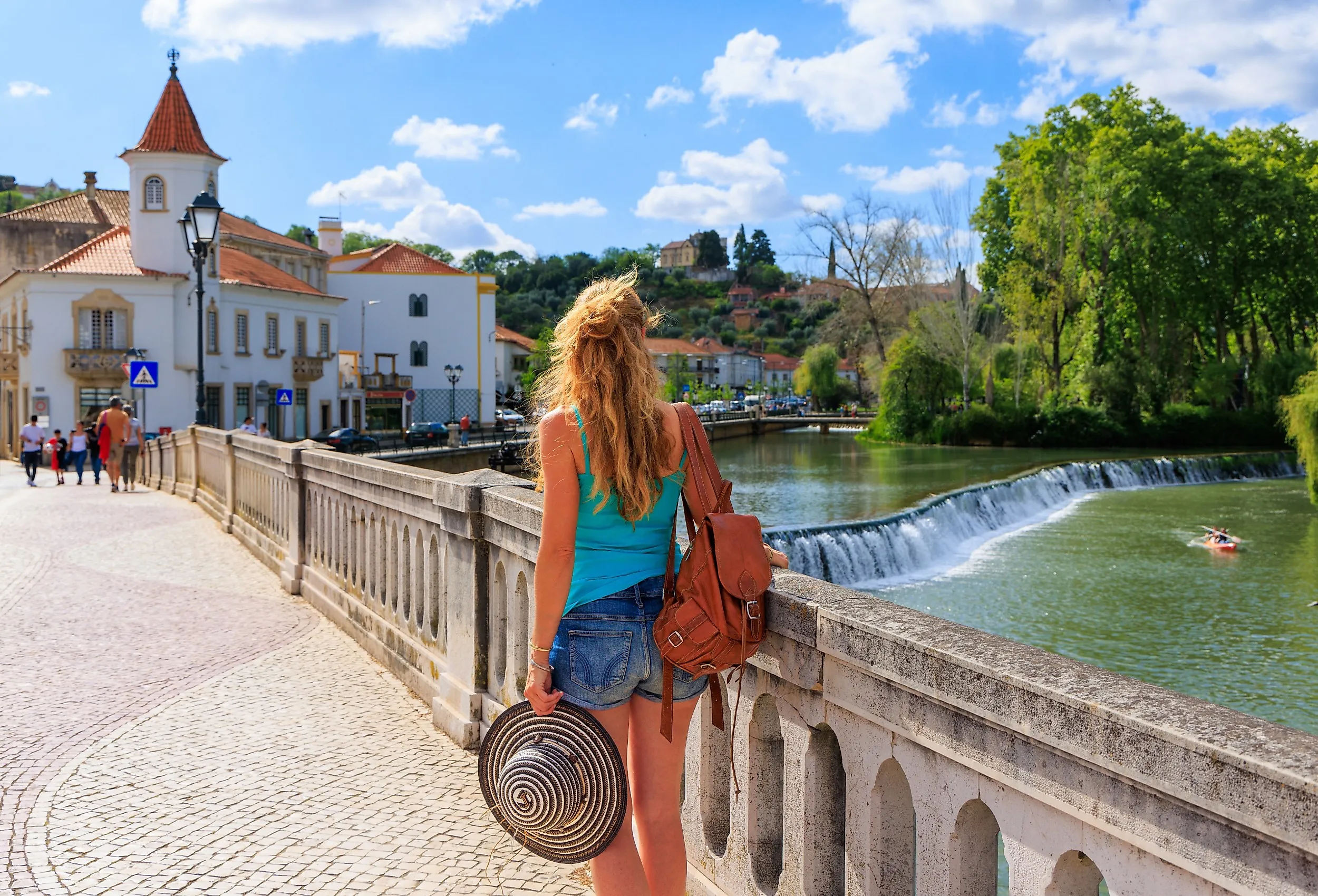
Medieval myths can take your imagination soaring to another place in time, and the town of Tomar is perfect for this because it is steeped in medieval and Templar history. The magnificent castle and convent complex, Convento de Cristo, is one of the most important Templar monuments in the world. The former Templar stronghold and now UNESCO World Heritage site is a medieval architectural marvel, featuring a combination of Romanesque, Gothic, Manueline, and Renaissance architectural elements.
Your imagination will run wild as the town’s deep connection to Templar history has created rumors that it houses uncovered Templar treasure and secret passageways through their churches and castles. For those who want to get lost in stories that involve tragic love and the supernatural, the nearby Castle of Amoural is a must-visit. You might even be lucky enough to catch a glimpse of the princess who supposedly haunts its walls.
Ferragudo

You can’t leave Portugal without visiting a traditional Portuguese fishing village, and Ferragudo certainly retains much of its traditional charm. Its narrow cobblestone streets are perfect for slow-paced, carefree walks that will treat you to traditional homes with Portuguese doorways and streets like Rua Dr. Luiz Antonio dos Santos, lined with colorfully painted houses and flowers.
When visiting Ferragudo, it will be hard to miss its many clifftop forts, especially the pale terracotta castle, Fort Sao Joao de Arade, or Castle of Arade. The fort has seen many battles throughout its existence, but today, you can enjoy it from the two beaches it divides, Praia da Angrinha and the Praia Grande. The beaches' yellow sands and crystal clear waters are also perfect for sunbathing and relaxing strolls during sunset.
Tavira

A labyrinth of cobblestone streets, Moorish architecture, medieval castles, and Renaissance churches comprise some of the principal attractions in this tranquil fishing town located in the southern region of Portugal. The Moors occupied Tavira from the 8th to the 13th century, and their influence remains evident today through the well-preserved whitewashed buildings throughout the town.
The Castle of Tavira stands as one of the town’s principal historical landmarks, providing scenic vistas of this coastal locale. The origin of the castle continues to be a subject of scholarly debate; nevertheless, certain portions of the structure are believed to date back to the 8th century BC. Additionally, the town features monuments dedicated to Portugal’s Reconquista period, with the most renowned being the Church of Santa Maria (Igreja De Santa Maria do Castelo), which showcases Gothic doorways, Arabic-style windows, and white azulejo tilework.
Marvao

Travelers who are enamored with breathtaking mountaintop vistas will appreciate the charming and historic town of Marvao. The town’s meticulously preserved 13th-century medieval walls, cobblestone streets, and whitewashed houses adorned with flowers are all situated atop a narrow ridge within the Serra de Sao Mamede mountain range.
However, the most prominent feature of this mountain settlement is the majestic Castle of Marvao. This formidable medieval fortress provides visitors with spectacular 360-degree panoramic views of the expansive plains of Portugal’s Alentejo region. In addition to its stunning vistas and well-maintained historical sites, Marvao hosts distinctive cultural festivals such as the Al-Mossassa, which commemorates the town's Moorish heritage, and the annual Chestnut Festival, where attendees can enjoy roasted chestnuts, regional wines, and traditional Portuguese folk music.
Portugal is celebrated as the country that revolutionized world navigation, known for its football superstars, beautiful golf courses, and delicious port wine. But if you're truly eager to discover what makes this culturally vibrant country special, you'll want to explore these charming, laid-back towns. They invite you to slow down, reflect on history, appreciate exquisite craftsmanship, be adventurous with your cuisine, and connect with some of the warmest, friendliest people you'll ever meet.