9 Best Places To Live In Netherlands In 2026
Few countries make settling in feel as easy as the Netherlands does. Bikes glide along dedicated lanes in every city. English is spoken almost everywhere you go. A full-time job leaves real room for evenings and weekends. The country lands near the top of global happiness and quality-of-life rankings year after year. These nine cities each deliver that good Dutch life with their own distinct character and a welcome mat out for Americans.
Utrecht

Utrecht sits at the geographic heart of the country, with trains reaching Amsterdam, Rotterdam, and The Hague in well under an hour. The medieval center wraps around the Oudegracht, a canal whose wharf-level cellars now hold cafes and restaurants right at the waterline. Utrecht is the fourth-largest city in the Netherlands, yet it keeps the feel of a place you can cross by bike in fifteen minutes. The average home runs around €570,000, which is a real discount against Amsterdam while you stay on the same fast rail lines. Renters get a deep market, with options that run the gamut of slim historic canal houses and roomy new builds.
The local economy leans on finance, healthcare, education, and IT, and remote workers prize the rail access to every major hub in the Randstad. Utrecht University ranks among the best in continental Europe and anchors a young, educated population. For health and safety, the University Medical Center Utrecht is one of the largest hospitals in the country and handles everything a major academic center should, including complex surgery and specialist diagnostics.
The lifestyle is busy but unhurried. Weekends bring markets, festivals, and canal-side terraces, and the Utrechtse Heuvelrug National Park gives you forest and heath a short ride east. Like any city, Utrecht has neighborhoods that suit different lives. The Binnenstad and Museumkwartier put history and walkability at your door and tend to draw young professionals. Leidsche Rijn, on the western edge, offers newer, larger homes and easy access to green space for families who want more room.
Eindhoven

Eindhoven is the engine room of Dutch technology, the hub of the Brainport region that supplies much of the world's chipmaking equipment. That draws remote workers, families, and young engineers from all over. Housing is gentler on the wallet than Utrecht or Amsterdam, with the average home around €523,000 according to Walter Living, and salaries in the tech sector are strong against that cost.
Engineering, AI, advanced manufacturing, and semiconductors form the core of the local job market. Healthcare keeps pace, with Catharina Ziekenhuis known for cardiovascular care and Máxima MC covering a broad range of specialties. Off the clock, the city has a real night out in it. De Van Moll pours craft beer in the center, and kids burn off energy at Speelpark De Splinter.
Stadswandelpark threads ponds and walking paths through an open-air sculpture garden close to downtown. The bigger draw for a mover is connectivity. Trains run to Den Bosch, Maastricht, and across the German border, and Eindhoven Airport links to cities across Europe for quick weekend trips. Daily life here works whether you bike, walk, or hop a train.
Leiden

Leiden runs on its university, the oldest in the Netherlands, founded in 1575. Leiden University offers more than 50 bachelor's and over 80 master's programs, plus a long-running continuing-education track for older learners. Life sciences and biotech drive much of the economy, and a cluster of research institutes around the Leiden Bio Science Park means many local jobs tie back to the campus in some way. The result is a small city with serious intellectual weight and easy trains to both Amsterdam and The Hague.
That academic base supports steady salaries and a deep housing stock. The center is full of 17th-century canal houses, while the Nieuw Leyden district offers contemporary builds. The average listing sits around €515,000, a meaningful step below Amsterdam, according to Huis Verkopen.
Work-life balance is part of the appeal, helped by a national culture where part-time and four-day schedules are common and the country posts the shortest average working week in the EU. Free afternoons fill up fast. You can shop the Leiden market for flowers and produce, wander the Hortus Botanicus, one of the oldest botanical gardens in the world, or talk books at a shop like the English-language Mayflower Bookstore. The North Sea dunes and beaches near Katwijk are a short ride away. With a 30-minute train to Amsterdam and a 15-minute hop to The Hague, Leiden gives you a historic college town without cutting you off from anything.
Haarlem

Haarlem gives you Amsterdam energy at arm's length, which is why it pulls professionals who want a little more room. It is not the cheapest spot on this list. A one-bedroom in the center rents for roughly €1,683 a month, and the average home sells for about €590,000 according to Huis Verkopen, both well under Amsterdam levels while staying close to the capital.
The economy rests on retail, tourism, and a strong creative sector, but the headline feature is the nine-minute train ride to Amsterdam Centraal. Families have solid options, including the International School Haarlem. On health, the Spaarne Gasthuis is a well-regarded regional hospital, and the city's infrastructure and low crime make day-to-day life easy.
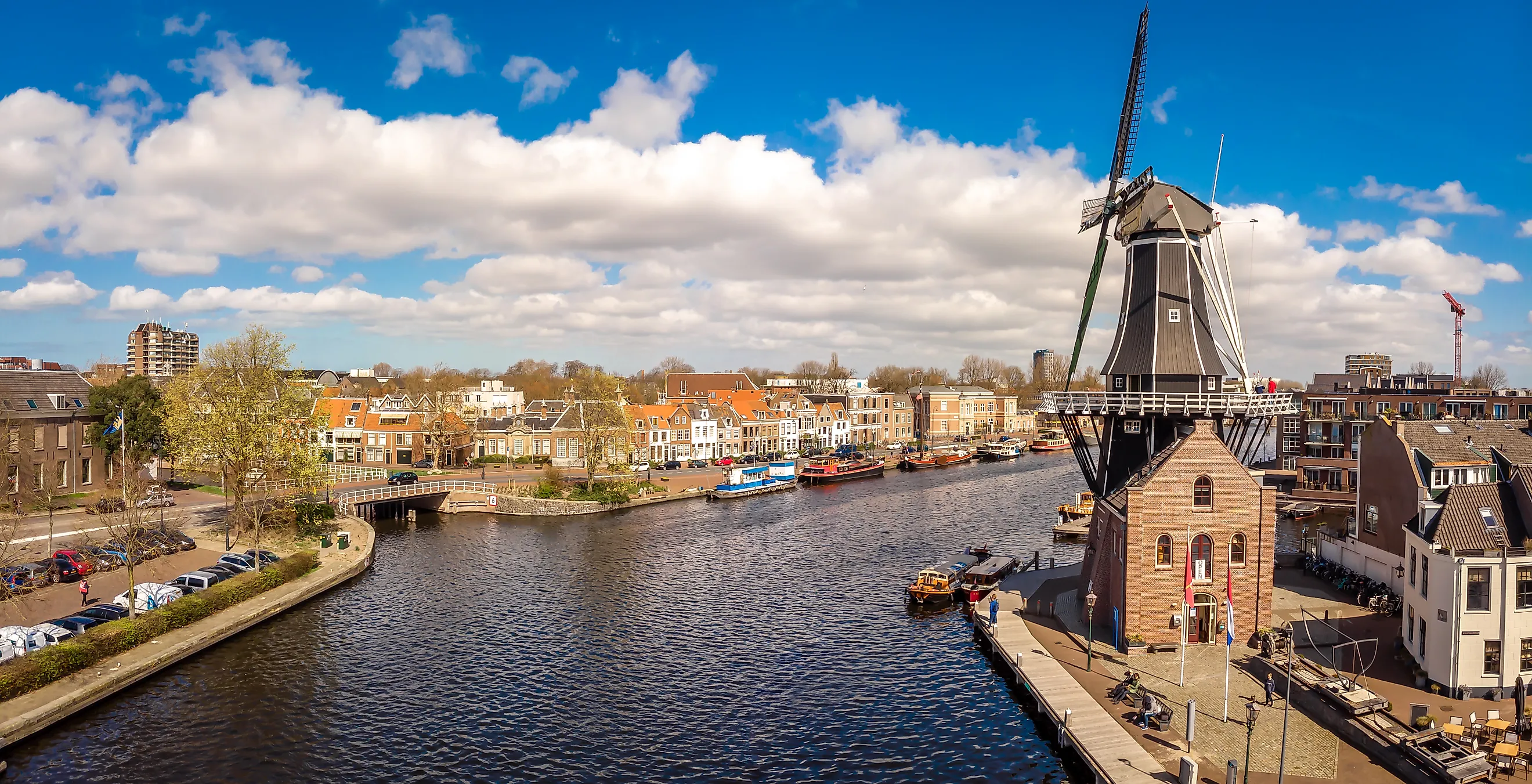
The historic center is one of the prettiest in the country, with quiet canals and cobbled lanes opening onto the Grote Markt and the towering Grote Kerk. When you want sea air, Zandvoort beach is a quick train ride west, good for summer swims and bracing off-season walks. Haarlem is the rare place that feels calm and stays minutes from a capital city.
Amersfoort

Amersfoort is the quietly practical pick. It delivers a family-friendly base with enough going on to never feel sleepy, and it costs noticeably less than Utrecht or Haarlem. A one-bedroom in the center runs about €1,400, and the average home sells for around €554,000 according to Huis Verkopen. The value goes further than the price tags suggest, because Amersfoort tends to offer larger homes and roomier family neighborhoods than the other cities here. For Americans used to more square footage, that matters.
The local economy centers on logistics and professional services, though many residents simply commute by train to Utrecht or Amsterdam. Schools are strong, including the Amersfoort International School and its Primary Years Programme.
The medieval core is the city's signature. The Koppelpoort, a combined land-and-water gate from around 1425, still spans the old canal and ranks among the best-preserved city gates in the country. De Flint theater programs music, cabaret, and dance through the year. Step outside town and the countryside opens into forest and heath laced with bike trails, and a long weekend ride is a local ritual. For families and anyone after a calmer pace, Amersfoort fits.
Groningen

The far north earns a look. Groningen is the big city of the region and one of the youngest cities in the country by median age, thanks to a student population that fills its bars, bike lanes, and music venues. Prices reflect the distance from the Randstad. A one-bedroom in the center averages about €1,158, and the average home sells for around €395,000 according to Huis Verkopen, among the lowest figures on this list.
Technology, healthcare, energy, and research anchor the economy, and a genuine startup scene has grown up around the talent pipeline. Much of that comes from the University of Groningen, strong in energy, public health, and sustainability. The University Medical Center Groningen is one of the largest hospitals in the Netherlands and handles everything from routine care to major surgery. Like most Dutch cities, Groningen is built for bikes, and you rarely need a car for daily errands.
Weekends mean long rides through the nearby Drentsche Aa National Park or camping at the city's Stadspark. Nightlife is real, with comedy at venues around the Grote Markt and late dancing at clubs like Fixy. The one trade-off is distance, since the other big cities sit a couple of hours south, though fast intercity trains close the gap. For affordable housing and a young, academic spirit, Groningen delivers.
Zwolle

Roughly midway between Groningen and Amsterdam, Zwolle is a mid-sized city ringed by countryside and known for its green spaces. Logistics, healthcare, government, and education carry the economy. The star-shaped moat and Gothic gates give the center a distinct medieval layout that appeals to families and retirees alike. Housing is among the most affordable here. A one-bedroom in the center averages about €893 a month, and the average home sells for around €495,000 according to Huis Verkopen.
Schools cover the bases, with a mix of Dutch and international options plus strong vocational training. The Isala hospital, one of the largest non-academic hospitals in the country, sits just outside the center and gives the region serious medical capacity. Zwolle is also known for its neighborly feel, where strong community ties and low crime make it an easy place to raise kids.
The Zwarte Water runs past the center and feeds the Park het Engelse Werk and nearby reserves that draw birdwatchers. Green space is everywhere, and Amsterdam, Utrecht, and Groningen all sit within about two hours by train. Zwolle offers big-city amenities and an unhurried quality of life in one package.
Breda

Breda carries a distinctly southern, half-Belgian personality, the product of sitting close to the Belgian border. Canals lace the historic center and the old town wears an easy, sociable mood. The economy here tilts toward logistics, international business, and education, the typical mix for the Dutch south.
Wages run a touch below the Randstad, but the cost of living more than balances that out. A one-bedroom in the center averages about €1,270 a month, and homes sell for around €455,000 according to Huis Verkopen, comfortably below Amsterdam. That combination pulls people who want a slower pace without giving up a decent salary or affordable housing.
Families gravitate to Breda for its neighborhoods and schools. The International School of Breda serves expat families, while Breda University of Applied Sciences earns international attention for its hospitality, leisure, and game-design programs. Weekends here are unhurried, with cafe terraces at spots like Ted's Breda Botanique and a beer at De Boterhal. For green space, Valkenberg Park anchors the city center and the Mastbos pine forest spreads out just south with miles of trails. Breda suits professionals and families chasing a warm, social community with the rest of the country an easy train away.
Maastricht
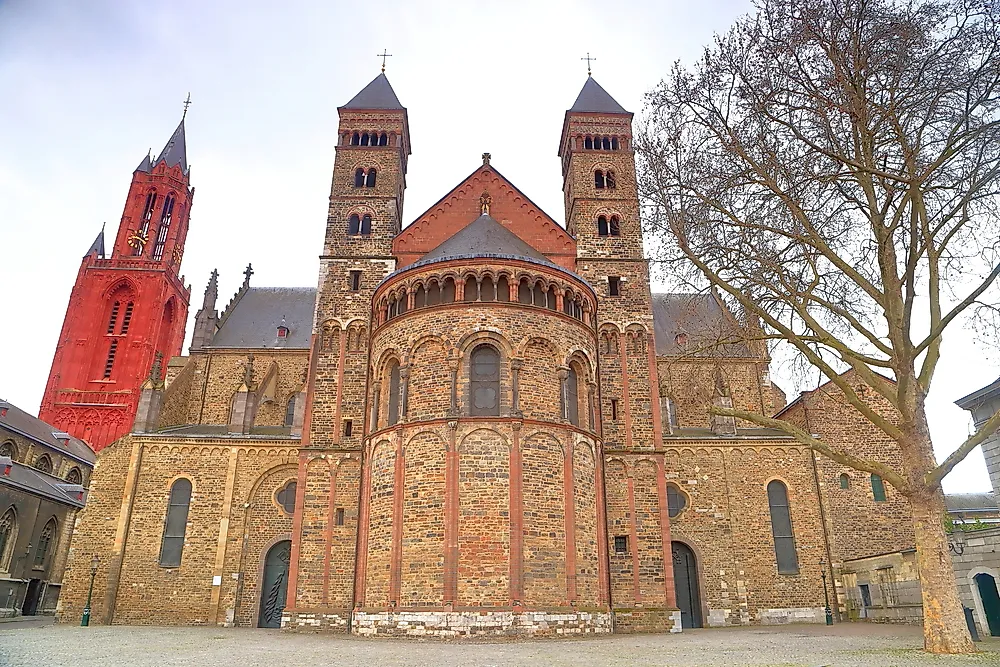
Maastricht closes the list because it feels unlike anywhere else in the country. This is the oldest city in the Netherlands, with Roman roots and a medieval core, and it runs on a Burgundian streak that favors long lunches and good wine over hustle. The cost of living stays manageable. A one-bedroom in the center averages about €1,150 a month, and homes sell for around €425,000 according to Huis Verkopen.
It is also a genuinely international city. Maastricht University teaches much of its program in English, with strengths in European studies, international law, business, and health sciences, and its student body gives the place a young, worldly edge. Healthcare, tourism, and international business power the economy. Trains slip across the border to Belgium and Germany within minutes, so day trips for food and shopping in Liège or Aachen are routine.
What seals it is the landscape. Maastricht sits in one of the only hilly corners of the Netherlands, where the slopes around the Cannerberg and the man-made Caves of Mount Saint Peter invite an afternoon of exploring. The surrounding Limburg hills even support a small but real Dutch wine industry. Maastricht delivers a way of living found nowhere else in the country, mixing deep history, an international crowd, and rare Dutch elevation.
Finding Your Place In The Netherlands
The choice comes down to what you want your week to look like. Maastricht trades fast trains for thousand-year-old streets and wine country, Groningen and Zwolle reward anyone watching the budget, and Utrecht and Haarlem keep you wired into the Randstad without the Amsterdam price tag. Each of these cities offers the steady, bike-friendly, English-speaking life that makes the Netherlands such a soft landing for Americans. The work now is matching the right one to the life you plan to build.