8 Oregon Towns Where Time Stands Still
In the mid-1800s, settlers from the eastern United States made the perilous journey west along the Oregon Trail for its fertile land, economic opportunities, and to start a new life. Today, travelers still flock to Oregon for its charming towns, mountain views, and miles of rugged coastline. These towns are places where you can unwind and take a tour of covered bridges in Cottage Grove, or earn a panoramic view of the Pacific coastline at the top of the Astoria Column. So, pack a bag and get ready to explore these Oregon retreats where time seems to stand still.
Jacksonville

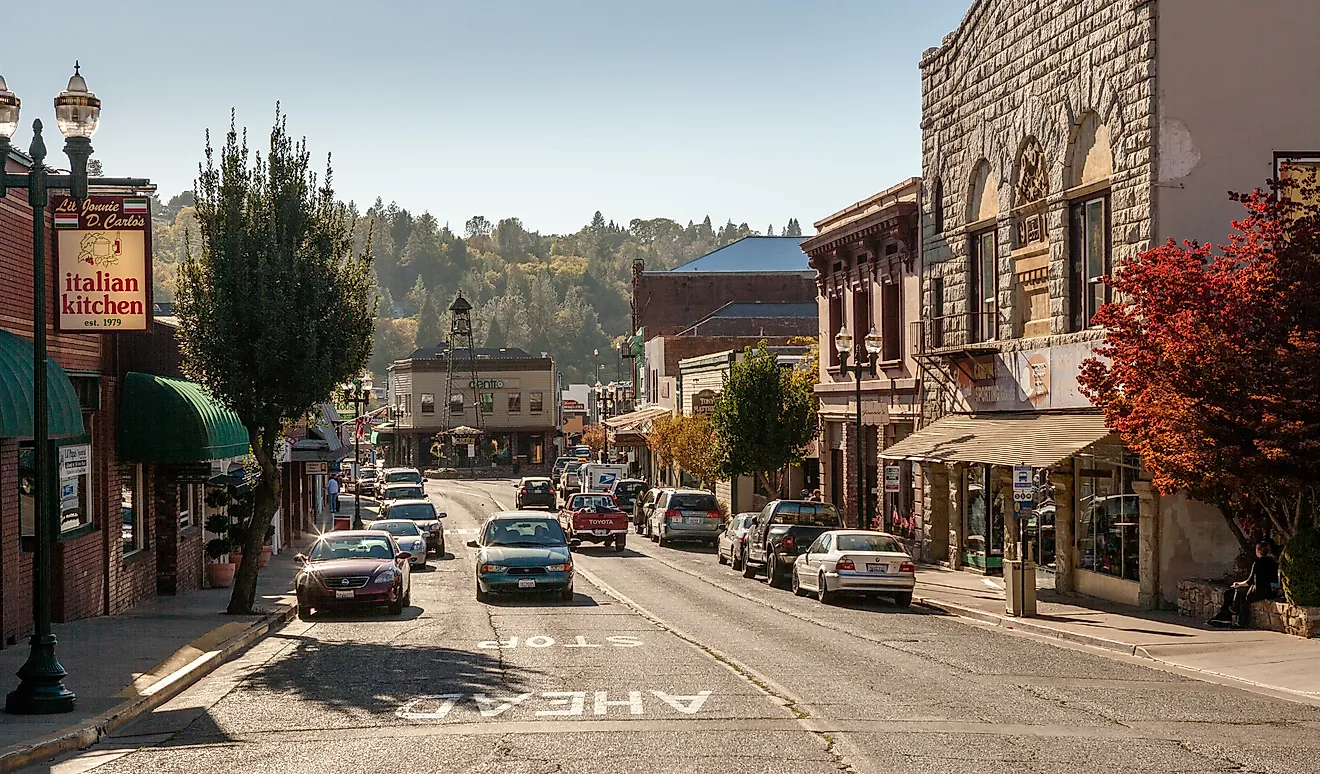
In the mid-1800s, gold was discovered in Jackson Creek in the southwest region of Oregon, and Jacksonville sprang to life as a bustling gold mining town. Once the gold was depleted, Jacksonville’s growth came to a halt, but the community didn’t abandon the area. Instead, it preserved its downtown district, making it feel like a community locked away in the boom of the gold mining area. East California Street is Jacksonville’s Historic District, where you can pop into old-timey shops like The Bakery McCully House Inn for a sweet treat or browse colorful galleries like the Carefree Gallery.

Jacksonville is nestled in the Rogue Valley of Oregon, which is famous for its sunny skies and amazing wineries. The Daisy Creek Vineyard is one of the best places to relax in Jacksonville with a chilled glass of white wine and a scenic outdoor patio amid the rolling hills. If you want to explore the Rogue Valley on foot, there are quite a few hiking trails, like Jacksonville Forest Trails. The park provides miles of shaded trails and breathtaking overlooks of the town below.
Yachats

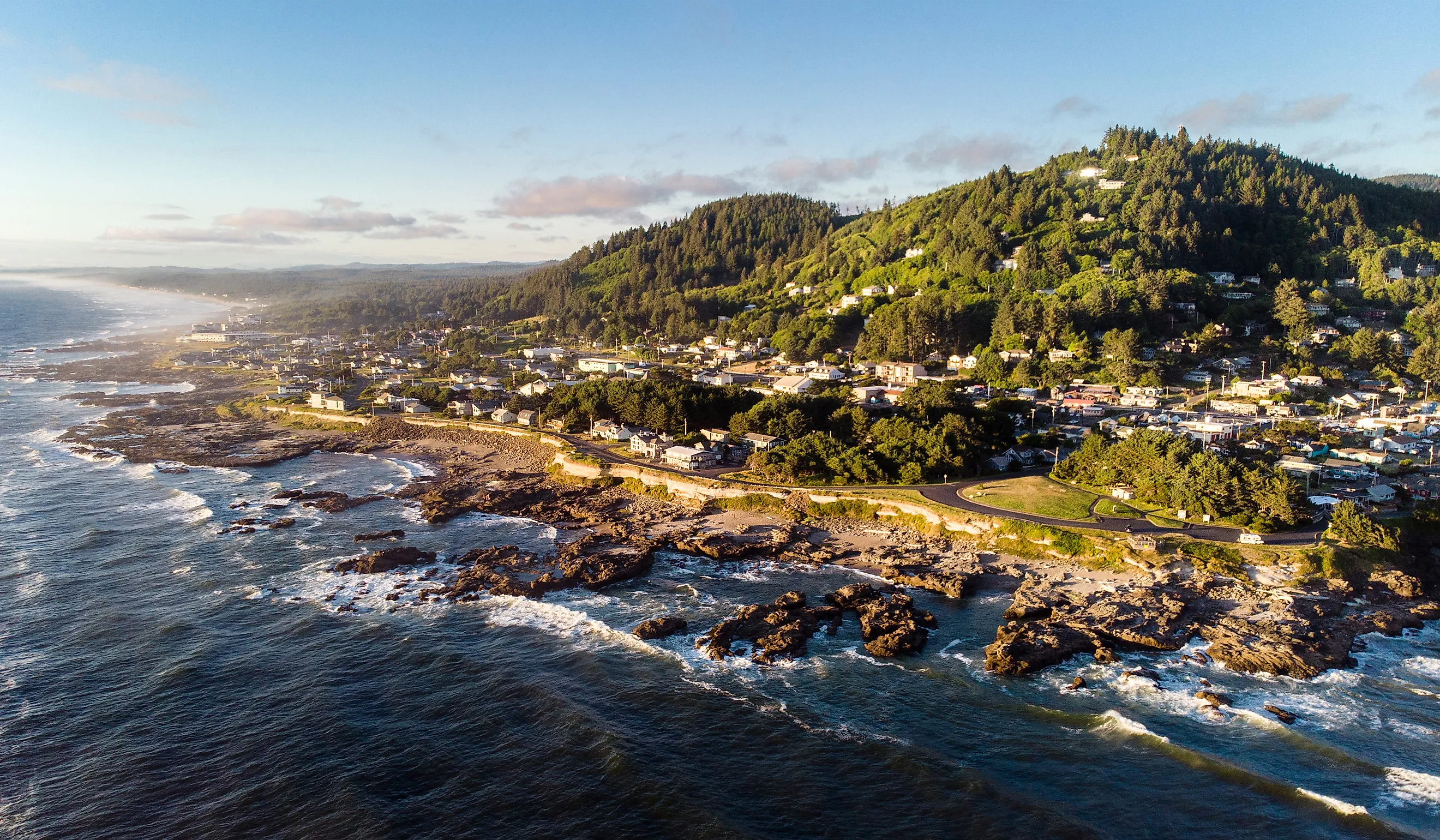
Along Oregon’s Pacific shoreline is Yachats, a thriving fishing, logging, and farming community since the 1800s. Residents of Oregon couldn’t deny Yachats' amazing views and pristine beaches, and over time, it transformed into an artsy seaside retreat. Wandering the streets of Yachats still feels like a modest fishing village with small, shiplap cottages and narrow city streets. It has cozy, locally owned bakeries like Bread and Roses Bakery and idyllic gardens like Prospect Garden and Trail.
Exploring downtown Yachats is only half the adventure when visiting the area. The Yachats State Recreation Area is one of the best places to see the dramatic Pacific coastline. The park has a paved walking trail from the parking lot that leads to an overlook of the rocky shoreline, and a set of stairs that lead onto the beach. Since Yachats is so close to the ocean (and a former fishing village), you know the seafood restaurants are amazing! The Luna Sea Fish House is a local favorite, offering freshly caught seafood in a casual setting.
Cave Junction

Cave Junction was once a logging and mining community in the 1800s in the heart of the Illinois Valley. When the Oregon Caves transformed into a national monument in the 1930s, Cave Junction became a more touristy retreat for travelers looking to explore the Oregon Caves National Monument and Preserve. It may be a tourist retreat today, but its downtown area still reflects its early mining and logging roots. Downtown is a humble place with little shops like Taylor's Sausage Country Store, where you can stock up on treats before your great outdoor adventure. Before you check out the caves, be sure to swing by the Oregon Caves Illinois Valley Visitor Center to sign up for a tour or pick up a few detailed maps of the area.

The biggest reason most travelers come to Cave Junction is to see the stunning Oregon Caves National Monument and Preserve. Unlike most cave systems that are composed of limestone, the Oregon Caves are made of marble, which makes them incredibly rare. Touring the caves, you’ll be led down narrow passageways that lead to places like The Ghost Room and the Marble Pillars. You can only tour the caves by guide, so make sure to book a tour when you visit the Visitor Center in downtown Cave Junction!
Hood River

On the northern tip of Oregon, on the other side of the Washington border, is the charming riverside retreat of Hood River. Settled along the Columbia River, Hood River was a thriving trade hub in the mid-1800s. As river trade dwindled over the years, its orchards took center stage, and it became a major center for the shipping of apples and pears. Mt View Orchards is one of the most popular orchards in the area, where you can pick apples or shop at a small country store with snow-capped mountains towering in the distance.

Thanks to its peaceful orchards and small-town feel, Hood River is a delightful escape from noise, traffic, and crowds. It is a place where you can stroll through an orchard or relax along the Columbia River. The Hood River Waterfront Park is one of the most popular areas in the area, where you’ll almost always see kayakers or paddleboarders in the water, or people relaxing along the green shoreline. If you want to learn a little more about this little village on the water, the History Museum of Hood River County is a quaint little museum that weaves the tale of Hood River through art, artifacts, and historical exhibits.
Sisters

The tiny town of Sisters isn’t a place you ever stumble upon by accident. Located on the edge of the Three Sisters Wilderness, Sisters was once a logging and ranching community in the late 1800s. Today, Sisters is a hub for outdoor adventure while still maintaining its Old West charm. Downtown Sisters has well-preserved Old West storefronts that once housed things like blacksmiths and saloons. Those buildings are where you can shop for sweet treats at the Candy Corral, or sit down for a filling meal at the rustic Sisters Saloon and Ranch Grill.

If you love outdoor adventures, the Three Sisters Wilderness Area is one of the most beautiful mountain regions in the state. Situated on over 280,000 acres of untouched wilderness in the Cascade Mountains, a hike through its trails leads through alpine meadows, volcanic ridges, and crystal-clear glacier-fed lakes. While downtown Sisters offers Old West vibes locked away in time, the the surrounding wilderness showcases thousands of years of natural beauty.
Silverton

Despite its name, Silverton wasn’t a silver mining camp, but a logging and agricultural community in the mid-1800s along the Pioneer Trail. It earned its name because it is situated along the banks of Silver Creek, which flows from Silver Falls. Today, Silverton hung up its logging hat and instead focuses on tourism thanks to the rugged beauty surrounding the area. Downtown Silverton still reflects its 19th-century charm with delightful riverside eateries like the Silver Falls Brewery.

South of town is the Oregon Garden, one of the most beautiful places to visit in Silverton. The gardens bloom with flowers in the spring and summer, and it’s a wonderful place to go on a meditative walk to listen to the birds and sounds of rushing water. Next to the gardens is the iconic Gordon House, the only house in the Pacific Northwest built by Frank Lloyd Wright. Silverton is also where you can explore Silver Falls State Park, offering 35 miles of trails, dreamlike waterfalls, and dense Douglas-fir forests.
Astoria

On the northernmost tip of Oregon on the Pacific shoreline, is Astoria, one of the oldest American settlements east of the Rocky Mountains. Founded in 1811, its convenient location at the mouth of the Columbia River makes it a central shipping hub. As trade dwindled, Astoria transformed into a quiet coastal retreat. It still celebrates its maritime history at the Columbia River Maritime Museum, where you can browse old artifacts and see antique ships and lighthouses up close. You can explore the cozy historical district along the Astoria Riverwalk to dine on freshly-caught seafood at Mo's Seafood and Chowder, or walk to Pier 14 Public Park to enjoy the Pacific Ocean views.

Walking the streets of Astoria and breathing in that fresh sea air is truly a treat, but nothing beats the view at the top of the Astoria Column. It was built in 1926 to celebrate Astoria’s 100th anniversary as an American settlement, and it is one of the most iconic attractions in the area. The column stands 125 feet tall, and you need to scale 164 steps to reach the top. Once you make the climb, you will be rewarded with sweeping views of Astoria, the Pacific coastline, and the Astoria-Megler Bridge. On a clear day, you can even see into Washington!
Cottage Grove

Cottage Grove started as a small settlement along the Oregon Trail, and quickly transformed into a logging and rail transport hub in the Southern Willamette Valley. Today, it’s known as an idyllic little town marked by historical buildings and locally owned shops. It's a place where you can sit down for a meal at Coast Fork Brewing Brewstation and Feed, or explore cozy museums like the Cottage Grove Museum to learn more about the area.

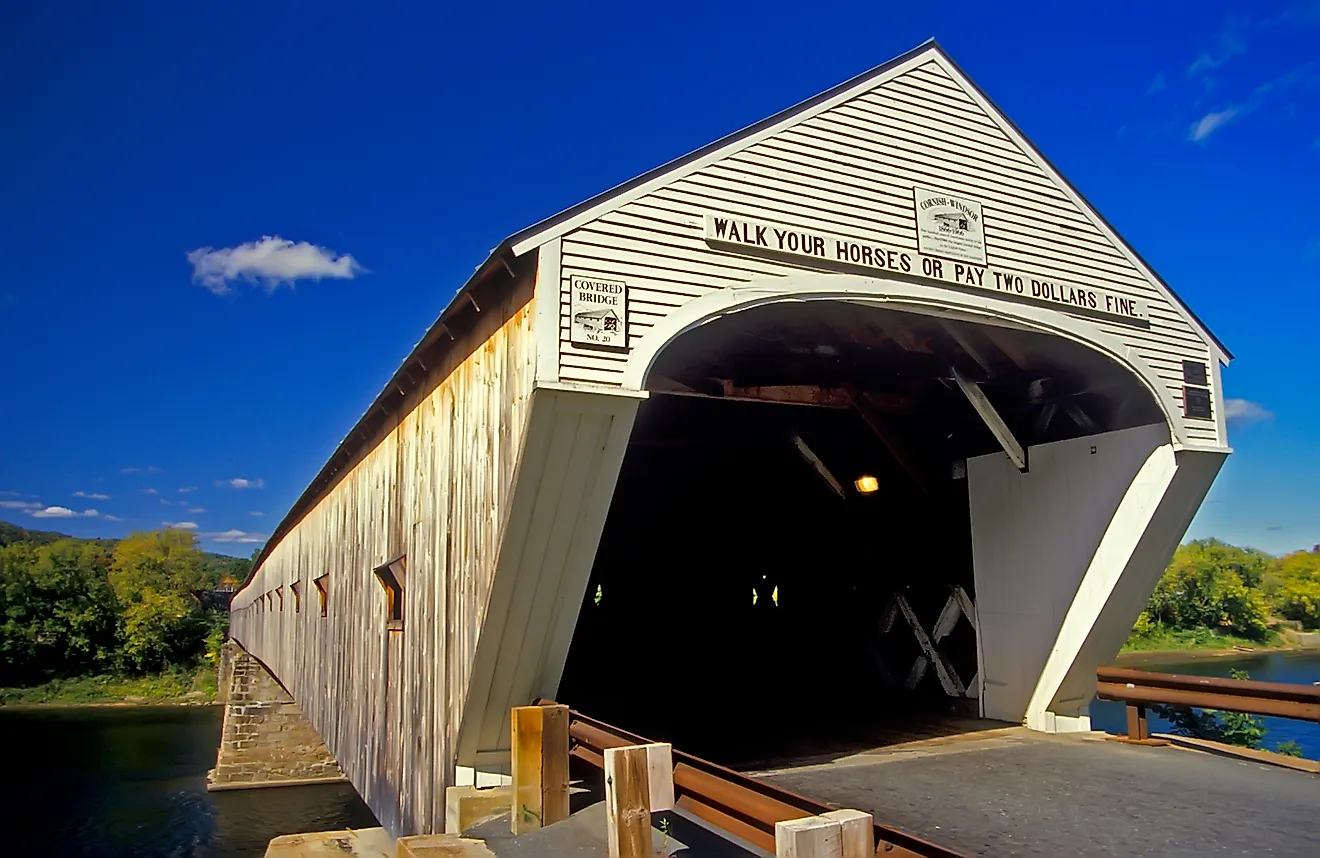
What Cottage Grove is best known for, however, is its bridges, and it is affectionately known as the Covered Bridge Capital of Oregon. There are six covered bridges in town, some of which date back to the 1920s. If you only have time to visit one of the bridges of Cottage Grove, the Mosby Creek Bridge is arguably the best. The bridge, which was built in 1920, sits in one of the most beautiful areas in Cottage Grove over Mosby Creek near the Row River Trail.
Discover Oregon’s Timeless Treasures
For many American settlers in the 1800s, Oregon was the final destination after a long, arduous journey. Many of these first settlements were logging or agricultural towns, and over time shifted into peaceful little retreats where you grab a cup of coffee and walk a nature trail. Even today, echoes of those early days remain, visible in the architecture lining their modern city streets. When you want to stay somewhere where life feels uncomplicated, these peaceful Oregon towns are a great way to slow down, if only for a weekend.