8 Most Walkable Town Centers In Oregon
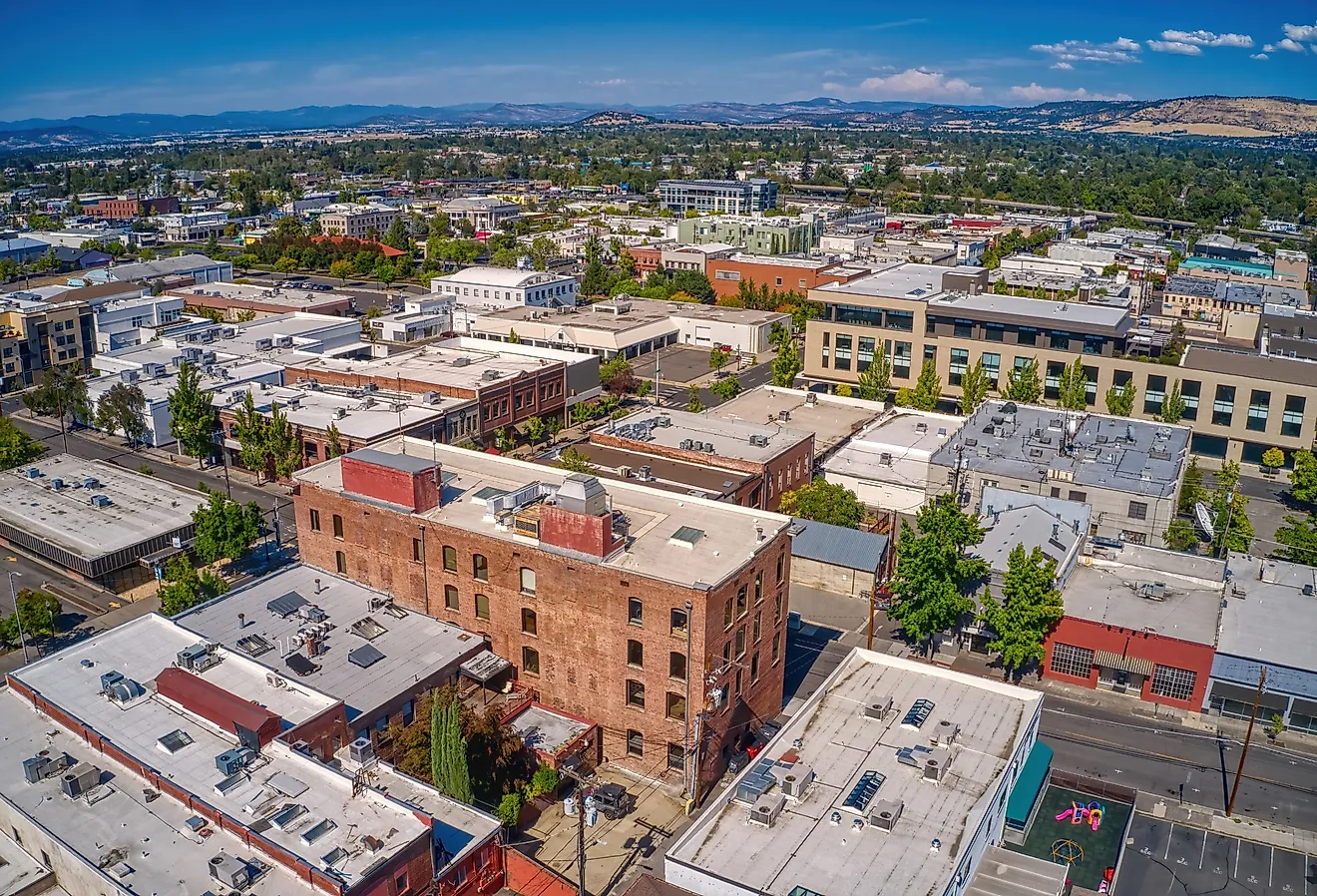
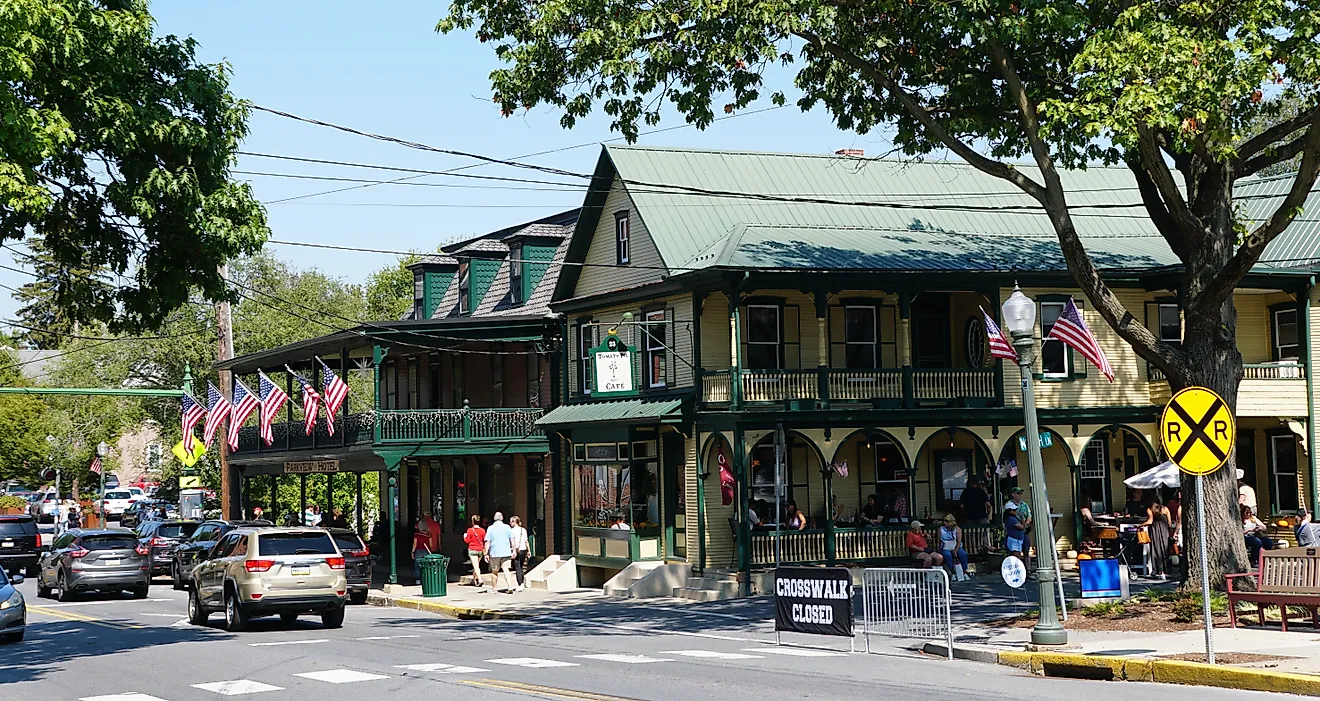
Oregon’s towns grew up around rivers, rail lines, and main streets long before parking garages and traffic signals reshaped daily movement. In places like Astoria along the Columbia River, Ashland beside Lithia Park, and McMinnville’s Third Street corridor, downtown life still fits together in a way that rewards walking. Streets stay compact, blocks stay short, and everyday stops sit close enough that you move naturally between coffee shops, storefronts, and green space without planning a route. These walkable town centers in Oregon do more than look orderly on a map. They make it easy to park once, stay on foot, and let the town unfold block by block, no car keys required.
Astoria

Astoria’s downtown stretches between the Columbia River and a steep hillside, which compresses everything into a tight, walkable footprint. That becomes clear once you step onto Commercial Street. Start near the Columbia River Maritime Museum along the waterfront. Walking west on the Astoria Riverwalk keeps the river beside you while cafés, shops, and murals pass by at an easy pace. It takes only a few minutes to reach the heart of downtown near 12th Street.
On Sundays during late spring through fall, 12th Street becomes the site of the Astoria Sunday Market, with several blocks closed to traffic. Vendors, musicians, and food stands fill the street, and foot traffic spreads in every direction. Just off the market route sits the Liberty Theater, a restored 1920s vaudeville house that supports the downtown core. A short walk north on 12th Street leads back toward the Riverwalk, with frequent stops along the way.
The Riverwalk continues east past small piers and breweries, and a seasonal trolley runs along the same route for anyone wanting a break while staying within the pedestrian area. Crosswalks appear often, sidewalks remain continuous, and most hotels and restaurants sit directly along these routes. Astoria works because the river, the shops, and the cultural landmarks all sit within a few compact blocks, making walking the obvious choice.
Hood River

Hood River’s walkability begins on Oak Street, where brick storefronts, tasting rooms, and cafés line up in a compact grid. From the corner of Oak and Second, most downtown destinations sit within a five-minute walk. Strolling uphill or downhill never feels rushed, and sidewalks stay wide enough for lingering.
Walking north on Second or Fifth Avenue brings you to Waterfront Park, where paved paths follow the Columbia River. The shift feels seamless. One moment you are passing bakeries and gear shops, and the next you are watching windsurfers launch from the shoreline. The riverfront path loops back toward downtown through nearby streets and the pedestrian bridge, forming an easy walking circuit.
The History Museum of Hood River County sits near the pedestrian bridge by Waterfront Park, making it an easy addition to an Oak Street walk. During summer, the Hood River Farmers Market often sets up around Fifth and Columbia, keeping foot traffic moving between downtown and the riverfront. On First Fridays, Oak Street closes to cars for the evening, galleries stay open late, and the street becomes a walking corridor. With hotels, breweries, and everyday services clustered nearby, Hood River makes it easy to arrive, park once, and spend an entire day on foot.
Ashland

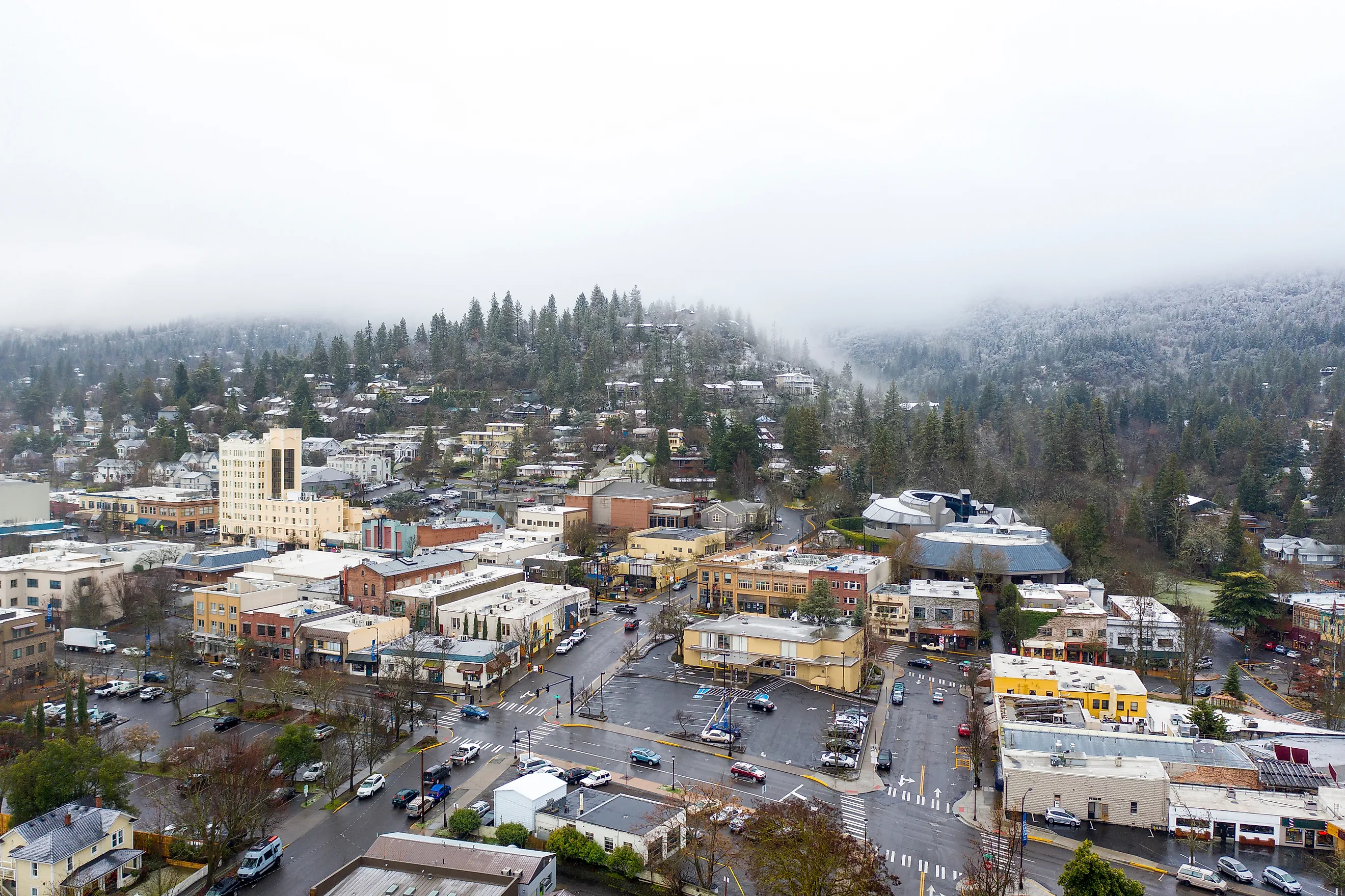
Ashland’s walkable core revolves around the Plaza at the north end of Main Street. From that central point, nearly everything radiates outward. Step off Main Street and you are immediately at the entrance to Lithia Park, where paved paths follow Ashland Creek through shaded lawns and gardens. The park connects directly with downtown, so moving between outdoor space and storefronts feels effortless.
Just steps from the Plaza sit the Oregon Shakespeare Festival theaters. Even without tickets, the outdoor courtyards and brick walkways stay active during performance season. Walking between the theaters and the Plaza takes only a minute or two, and Main Street continues south with bookstores, cafés, and bakeries on each side. The Ashland Springs Hotel anchors the middle of downtown, with the Plaza, Lithia Park, and nearby galleries all reachable within a short walk.
First Friday art walks keep foot traffic moving through side streets like Hargadine and Siskiyou, reinforcing the town’s pedestrian flow. Crosswalks appear often, sidewalks remain wide, and several blocks naturally slow traffic. Ashland works because daily life, arts, food, and green space overlap within a compact grid. You simply step outside and let the town unfold.
McMinnville

McMinnville’s walkability centers on Third Street, a six-block stretch that serves as the town’s social spine. Starting near McMenamins Hotel Oregon, restaurants, tasting rooms, and small shops appear almost immediately. Blocks stay short, sidewalks are shaded by mature trees, and benches invite frequent pauses.
Walking east or west along Third Street reveals restored buildings from the early 1900s, many now housing wine bars and neighborhood cafés. A half block off Third, the Gallery Theater adds a cultural stop without pulling you far from the main route. At the west end of downtown, McMinnville City Park and the public library provide green space that feels like a natural pause point. The walk between Hotel Oregon and the park takes about ten minutes, with sidewalks remaining continuous.
On Thursdays during the season, the McMinnville Farmers Market sets up within the downtown area, keeping Third Street walk-first for most of the day. Events like the UFO Festival parade show how easily the street shifts to foot traffic. With lodging, dining, and daily services packed into the same corridor, McMinnville supports slow, steady movement without feeling crowded.
Jacksonville

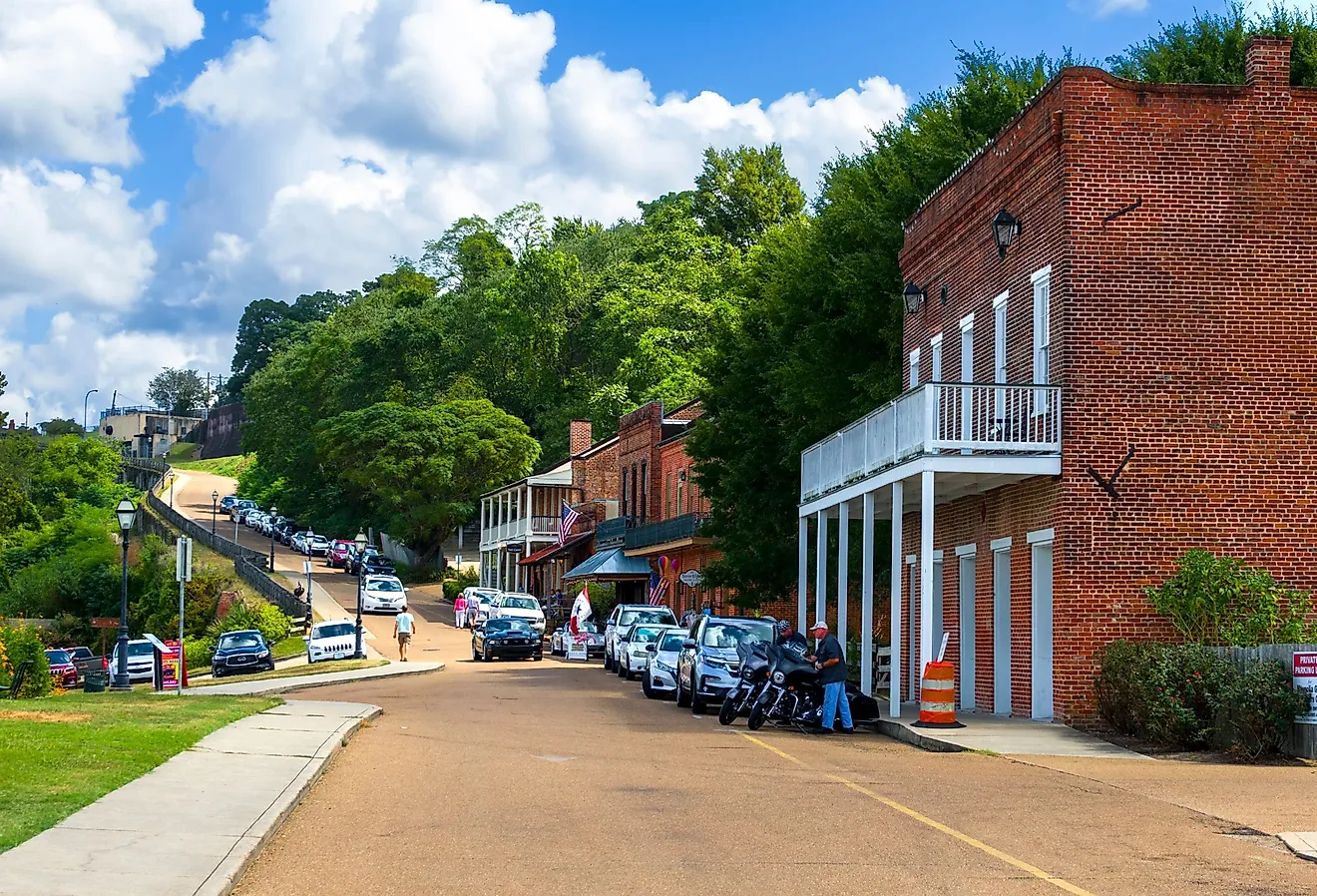
Jacksonville’s downtown fits within just a few blocks, which makes walking unavoidable in the best way. California Street serves as the main axis, lined with preserved brick buildings and wooden boardwalk sidewalks. Crossing the full length of downtown takes only a few minutes on foot.
Start near the Jacksonville Inn and wander past antique shops, tasting rooms, and cafés clustered tightly together. One block north, the Historic Jackson County Courthouse anchors the courthouse square, which often functions as a community gathering spot. Interpretive plaques on buildings turn a casual walk into a self-guided history tour.
For those willing to climb slightly, the path to the historic Jacksonville Cemetery begins directly from downtown streets and offers views back over the town. In the opposite direction, the path to the Britt Festival grounds rises a couple of blocks from the shops. During concert season, most attendees walk between downtown restaurants and the amphitheater. Traffic stays slow, parking sits at the edges, and nearly every attraction remains visible from the street. Jacksonville works because it never spread outward. Everything stayed close, keeping walking the default way to move.
Sisters

Sisters keeps its downtown simple and compact. Cascade Avenue and parallel Hood Avenue form the core, with wooden sidewalks and false-front storefronts lining each street. Walking across downtown takes less than ten minutes at an easy pace.
Begin with a coffee on Hood Avenue at Sisters Coffee Company, then cross a short block to Cascade Avenue, where shops like The Stitchin’ Post and the Sisters Saloon sit within easy reach. Covered boardwalks connect many storefronts, making it easy to drift between stops without stepping off the pedestrian path.
Midway through downtown, Fir Street Park offers a green pause with benches and a small stage. A short walk from the core, Three Creeks Brew Pub serves as a common dinner stop that keeps the evening connected to downtown. The Sisters Historical Museum near City Hall adds context without pulling visitors away. Crosswalks appear often, sidewalks remain wide, and traffic moves slowly. During the Outdoor Quilt Show, Cascade Avenue closes completely, but even on ordinary days, the scale encourages wandering rather than driving.
Cannon Beach

Cannon Beach’s downtown centers on Hemlock Street, which runs parallel to the shoreline a few blocks inland. Shops, galleries, and cafés cluster within a half-mile stretch, making walking the natural way to explore. Starting near the middle of Hemlock Street places Icefire Glassworks, White Bird Gallery, and coffee stops like Insomnia Coffee Co. within a few blocks. Courtyards and small pocket parks break up the storefronts without adding distance.
Walking west along Second Street leads directly to a major beach access point. The walk takes only a few minutes, and once on the sand, Haystack Rock becomes part of a shoreline walk rather than a separate destination. Heading north on Hemlock brings you closer to Ecola Creek and quieter nature-side detours, allowing easy shifts between shops and open space. Shops, lodging, groceries, and theaters all sit within the same grid. Crosswalks are frequent, traffic yields easily, and many visitors leave their cars parked after arrival.
Silverton

Silverton’s downtown sits neatly between Main Street and Water Street along Silver Creek. Blocks remain short, streets run parallel, and walking routes feel intuitive. Crossing downtown takes only a few minutes. A self-guided Silverton Mural Walk turns the entire center into a walking route, guiding visitors past more than 30 murals spread across storefronts and alleyways.
The Palace Theatre supports the downtown feel, while Town Square Park sits at the center near West Main and Fiske. A small pedestrian bridge links both sides of downtown, forming a natural walking loop. A stop at Silverton Coffee Station adds an easy detour on Water Street, with coffee and ice cream served from a restored gas station. Farmers' markets and festivals regularly close downtown streets to cars, but even on quieter days, sidewalks stay active with locals running errands. Silverton works on foot because its streets were never widened or broken apart.
Built for Feet, Not Traffic

Across Oregon, these town centers share a simple advantage. They were built at a scale meant for walking rather than traffic lanes. Rivers, parks, theaters, markets, and everyday services sit close enough that moving on foot becomes natural rather than planned. In places like Astoria’s riverfront blocks or Ashland’s Plaza-to-park connection, the layout quietly shapes how a day unfolds. Errands turn into longer strolls, and one stop leads easily to the next. These towns hold together because they never stretched too far, keeping streets active, connected, and easy to navigate on foot.