8 Main Streets Where Gulf Coast Comes Alive
Along the Gulf Coast, the best main streets often run just blocks from marinas and working waterfronts. In Apalachicola, Water Street pairs brick port warehouses with stops like the Apalachicola Maritime Museum and boardwalk views from Riverfront Park. Main Street in Dunedin highlights a different side of Gulf Coast charm, with independent shops and easy access to the marina and waterfront along St. Joseph Sound. And Fairhope Avenue in Alabama brings visitors downhill from galleries and cafés to the Fairhope Municipal Pier and bayfront gardens overlooking Mobile Bay.
Dunedin, Florida

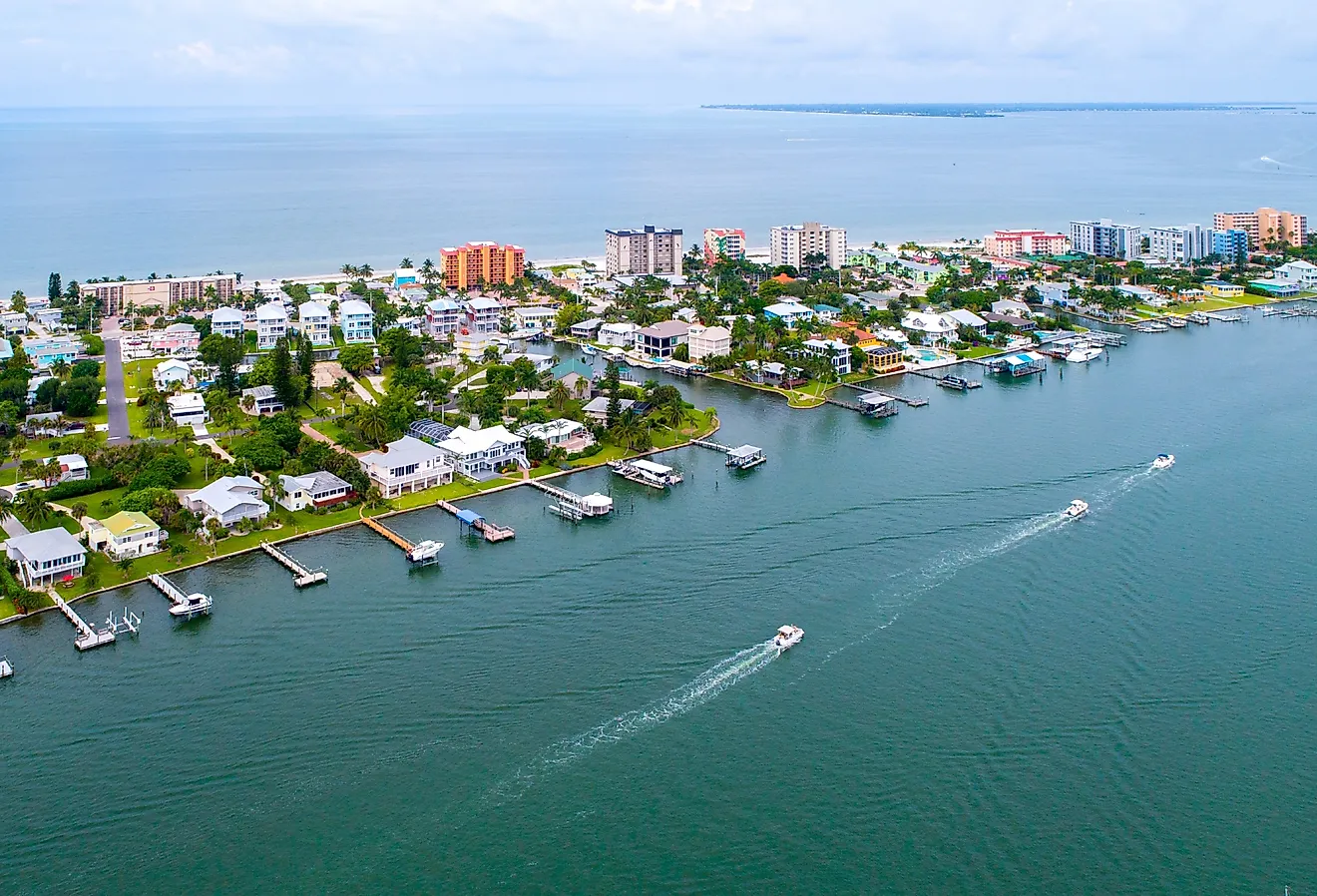
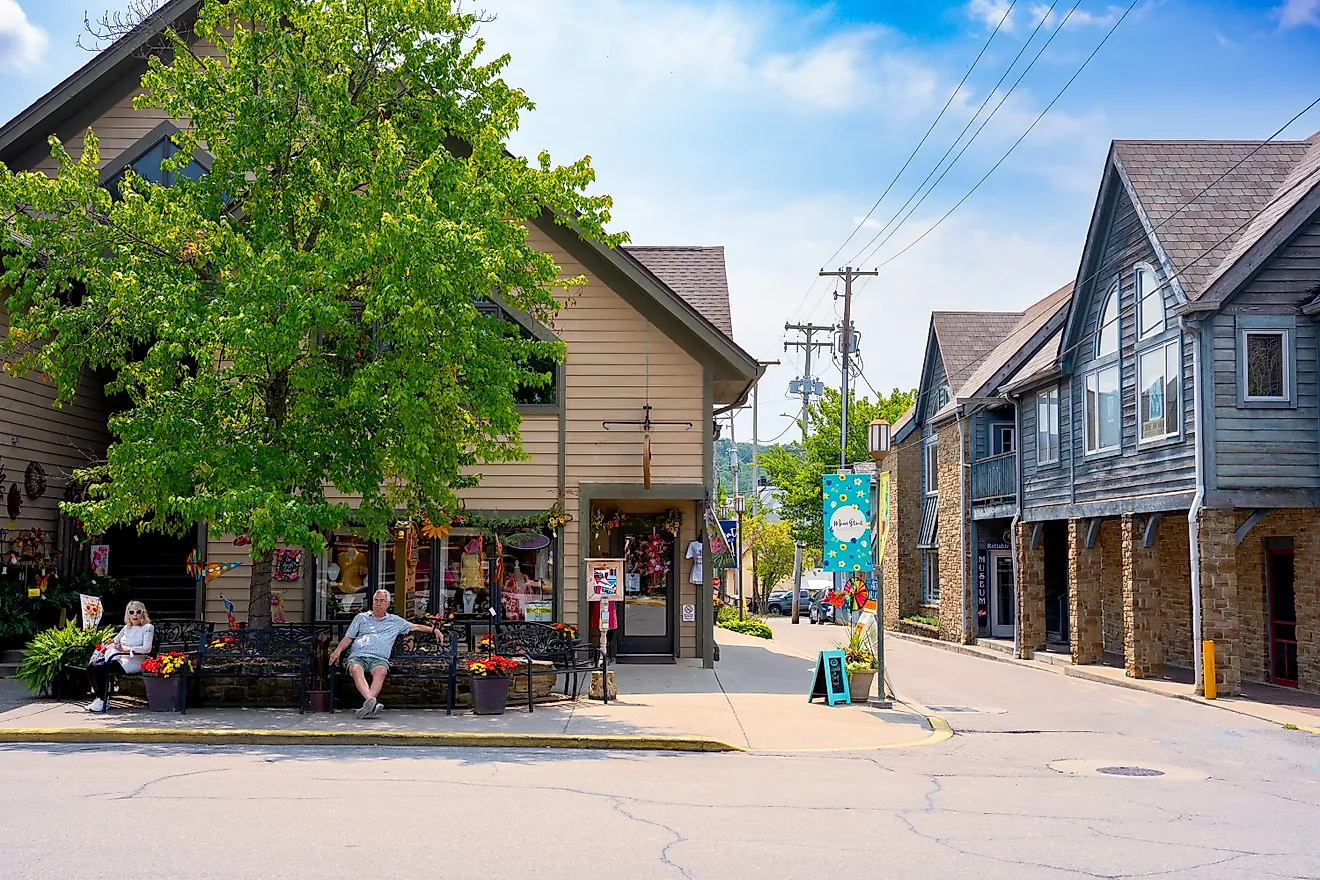
Main Street gives Dunedin one of the Gulf Coast’s most appealing small downtowns, with locally owned shops, cafés, and breweries packed into a walkable historic center just inland from the water. The district still feels rooted in old Florida, but it stays lively thanks to frequent markets, festivals, and steady foot traffic. A short walk away, Pioneer Park and the surrounding downtown blocks preserve the town’s traditional civic core, while the Pinellas Trail cuts right through the center and adds another layer of activity. From there, it is easy to reach the Dunedin Marina and the shoreline parks along St. Joseph Sound, where the setting opens into broad water views.
Fairhope, Alabama

Running downhill toward Mobile Bay, Fairhope Avenue has served as the town’s commercial spine since Fairhope was founded by a single-tax colony in the early 1900s. Historic storefronts now hold bookshops, cafés, and galleries, but the street still connects directly to some of the town’s best-known landmarks. The Fairhope Museum of History, set inside the former city hall, traces the unusual beginnings of the community. Farther down, the Fairhope Municipal Pier stretches into the bay with walking paths and benches overlooking the water. Knoll Park and the Fairhope Rose Garden sit nearby and add bayfront green space.
Ocean Springs, Mississippi

Government Street runs through the core of Ocean Springs and reflects the town’s time as a 19th-century resort destination on the Mississippi coast. Broad live oaks shade the corridor, and many of the old buildings now hold galleries, restaurants, and small specialty shops. The Walter Anderson Museum of Art is the district’s signature cultural stop, centered on the work of the celebrated Gulf Coast artist. Just beyond the commercial blocks, Ocean Springs Harbor opens to views of sailboats and working vessels along the waterfront. Marshall Park, set beside Fort Bayou, adds another easy stop close to downtown.
Bay St. Louis, Mississippi

Main Street in Bay St. Louis sits at the center of Old Town, a compact district that grew as a small seaside resort in the late 1800s. The street remains one of the liveliest stretches on the Mississippi coast, with colorful buildings and easy access to the waterfront. The Alice Moseley Folk Art Museum, housed in the former L&N depot, gives the area one of its most distinctive historic landmarks. Nearby, Gallery 220 showcases regional painters and sculptors in rotating exhibits. A short walk from the shops brings visitors to Bay St. Louis Harbor, where fishing boats and sailboats fill the marina.
Port St. Joe, Florida

Reid Avenue developed during Port St. Joe’s lumber and shipping boom in the early 1900s, and the street still reads as the town’s historic center with its brick storefronts and restored commercial facades. One of the first stops many visitors make is the Gulf County Welcome Center, housed in a replica lighthouse overlooking St. Joseph Bay. Only a few blocks away, the Port St. Joe Marina adds docks, fishing boats, and open water views. Along the avenue itself, antique stores, coastal boutiques, and small cafés fill out the walkable stretch. Nearby Constitution Convention Museum State Park connects the district to an even older layer of Florida history, preserving the site of the state’s first constitution in 1838.
Rockport, Texas

Austin Street traces Rockport’s late-1800s rise as a Gulf fishing and shipping town, and its location beside Aransas Bay still shapes the feel of the district. Restored storefronts, galleries, and casual cafés line the route, but several of the town’s biggest attractions remain close at hand. The Texas Maritime Museum offers exhibits on navigation, shrimping, and Gulf Coast seafaring history. Not far away, the Rockport Center for the Arts adds rotating shows and outdoor sculpture with harbor views nearby. The Rockport Harbor promenade keeps the water in sight, with fishing boats tied up along the docks.
Galveston, Texas

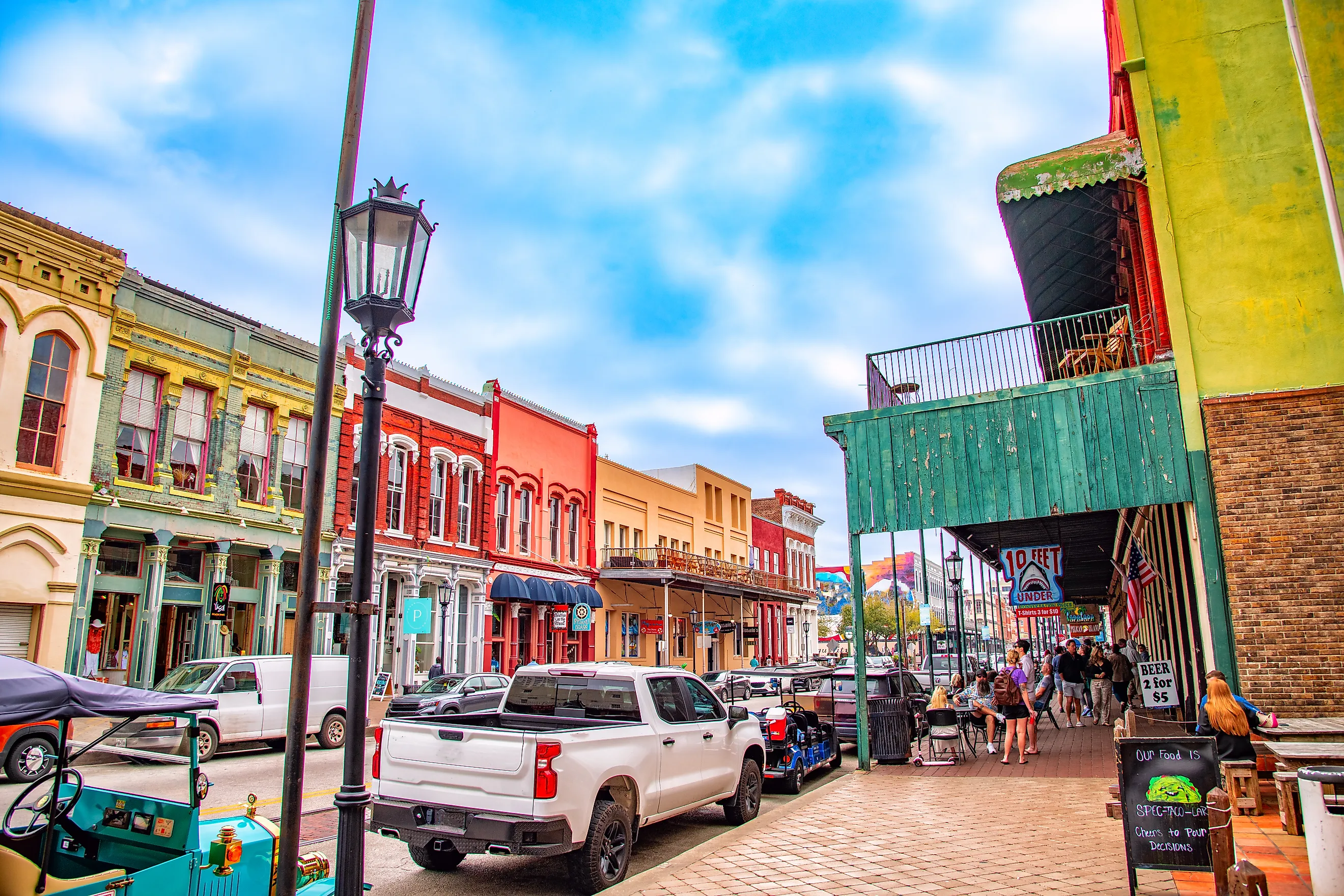
Strand Street stands as one of the Gulf Coast’s most storied commercial corridors, lined with Victorian-era buildings from Galveston’s late-19th-century shipping boom. Ornate balconies, brick warehouses, and old mercantile blocks still define the street, even as the interiors now hold shops, restaurants, and museums. The Galveston Railroad Museum anchors one end of the district with vintage locomotives and railcars beside the old depot. A few blocks away, the Galveston Historic Seaport centers on the tall ship Elissa, a restored 1877 sailing vessel tied to the city’s maritime past.
Apalachicola, Florida

Water Street and nearby Market Street preserve Apalachicola’s 19th-century port history, when cotton, timber, and oysters moved through the riverfront in large volume. Brick warehouses and old commercial buildings still frame the waterfront. The Apalachicola Maritime Museum gives visitors a close look at the town’s working-water heritage through exhibits and boat tours. A few blocks inland, the John Gorrie Museum State Park focuses on the doctor whose cooling experiments led to modern air conditioning. Riverfront Park adds boardwalk views of shrimp boats and fishing vessels, while longtime oyster houses along Water Street keep the seafood tradition visible right in the middle of downtown.
What gives these streets their staying power is how closely they hold onto the Gulf. In Apalachicola, that means oyster houses and river docks; in Fairhope, a pier and rose garden above the bay; in Rockport, harbor walks and maritime history. Some feel artsy, others industrial or old-resort elegant. Together, they prove the Gulf Coast’s best main streets are not polished away from the water; they are shaped by it.