7 Wallet-Friendly Small Towns To Retire In Victoria
Sell a home in Melbourne or Geelong and the same money buys a house outright in Rutherglen with enough left to tip into super. That maths is what sends Victorians into the regions at retirement, and the seven towns below all sit under the regional median, several under the $600,000 line where a pensioner pays no stamp duty at all. Each one trades a capital-city mortgage for a coast, a river, or a mountain at the back fence. The catch is always local, whether it is a winter fire risk or a long drive to the nearest emergency department, and this list is honest about both halves.
Warrnambool

Through the winter calving season, southern right whales come into the shallows off Logan's Beach, and Warrnambool has built a clifftop boardwalk so you can watch the mothers and newborns without leaving solid ground. It is the kind of free, on-your-doorstep ritual that draws people to the coast for good. The town runs to about 31,300 people, the biggest centre on this list, and that scale is the point for retirees: South West Healthcare runs a base hospital with a 24-hour emergency department here, so specialist care does not mean a two-hour drive.
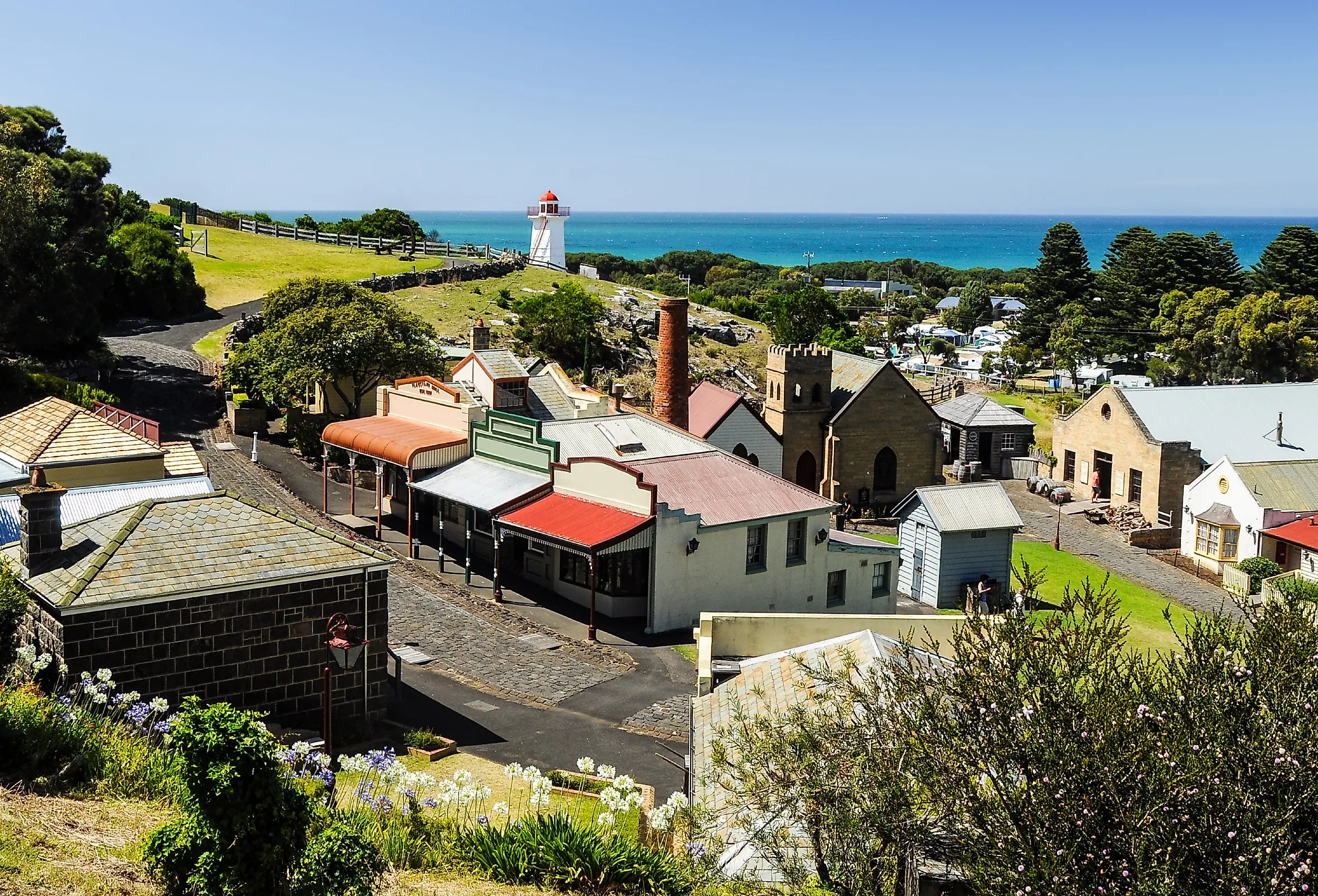
The median house price sits around $625,000, just over the $600,000 mark, which means a pensioner buyer gets a partial stamp-duty concession rather than the full exemption, still worth thousands at settlement. It buys a genuine town: a Deakin University campus, an art gallery, a year-round calendar, and lawn bowls clubs that double as the local social hub. The Warrnambool Botanic Gardens, laid out by William Guilfoyle of Royal Botanic Gardens fame, give a quiet morning circuit, and Flagstaff Hill Maritime Village tells the Loch Ard shipwreck story at the start of the Great Ocean Road.
Echuca

In the 1870s Echuca was Australia's largest inland port, and the red-gum wharf that handled all that wool and timber still anchors the town. The Port of Echuca now keeps Australia's largest fleet of operating paddle steamers, including the PS Adelaide, built in 1866 and recognised as the oldest working wooden-hulled paddle steamer anywhere. A one-hour weekday cruise costs about the price of a pub lunch, the sort of cheap, repeatable outing a fixed income rewards.
The median house price runs about $644,000, and the 15,056 residents give the town enough weight for an Echuca Regional Health hospital, good shops, and a busy bowls and RSL scene. There is a quirk worth understanding before you buy. Echuca sits on the Victorian bank, its twin Moama on the New South Wales side, and the two function as one town under two state governments. Retirees here routinely compare both sides on stamp duty, land tax, and seniors-card concessions, since the rules differ across the bridge. The other thing locals will tell you plainly: the Murray flooded the town in October 2022, so check a property's flood overlay and insurance before you sign.
Day to day, the river sets the pace, with fishing spots, swimming, and the Echuca Farmers Market on the first and third Saturday of the month. The wineries round it out, from Cape Horn on the Victorian side to Morrisons across in Moama.
Halls Gap

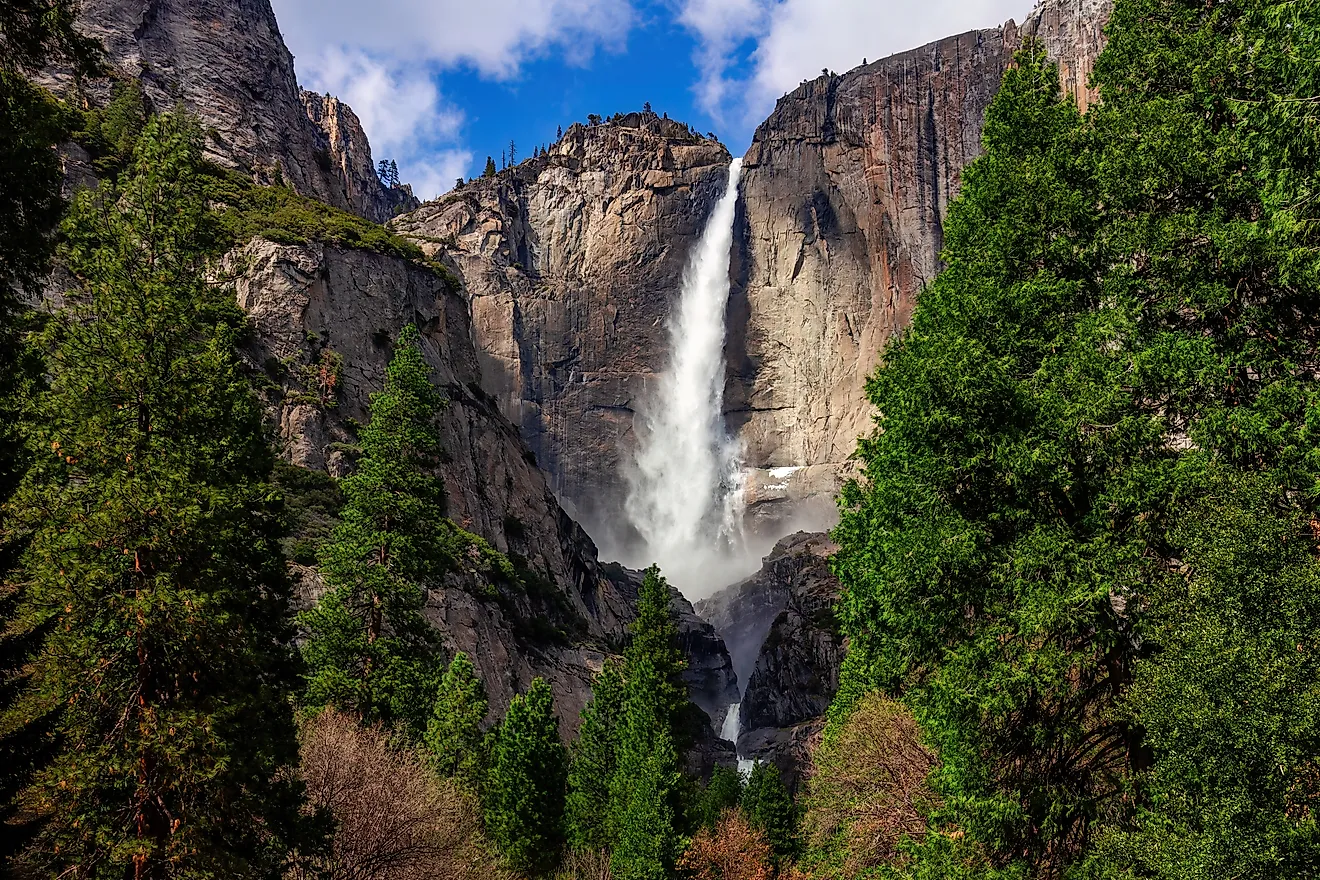
Kangaroos graze the oval most evenings in Halls Gap, which tells you the scale of the place. The town sits inside the Grampians (Gariwerd), sandstone ranges rising straight off the back fences, and with around 495 residents it is the smallest and quietest entry here. The median house price of about $600,000 lands right on the pensioner stamp-duty threshold, so an eligible buyer can pay no transfer duty at all, a saving worth keeping in mind against the price tag.
Two cautions matter more here than the price. First, this is fire country: the 2024-25 Grampians bushfires burnt roughly two-thirds of the national park and forced Halls Gap to evacuate more than once, so a serious bushfire survival plan and the right insurance are part of living here, not an afterthought. Second, the nearest hospital with an emergency department is in Stawell or Ararat, both around half an hour away, which suits the active years of retirement more than the frail late ones. With eyes open, the rewards are real: the Boroka and Reed lookouts a short drive up, the Pinnacle and Grampians Peaks Trail walks from town, coffee at Livefast Café, and the Halls Gap Zoo, the largest regional zoo in Victoria, with more than 120 species.
Rutherglen

Rutherglen is the capital of Australian fortified wine, its muscats and topaques aged in solera systems that in some cases predate Federation. The region's wines took a gold medal at the 1878 Paris Exhibition, early proof of their standing on the world stage, and the families behind that history still run many of the cellar doors. For a retiree who treats a long lunch and a tasting as a weekly fixture rather than a holiday treat, few towns deliver more.
About 2,600 people live here, and at a median house price near $578,000 the town clears the $600,000 line, so an eligible pensioner buying their principal home pays zero stamp duty. That is the kind of saving that frees up cash for a downsizer contribution to super. Around 20 wineries sit within easy reach, among them All Saints Estate, founded in 1864, plus Morris, Stanton & Killeen, and Anderson. The gold-rush streetscape holds cafés and antique shops in 19th-century buildings, and the Murray to Mountains Rail Trail runs through the district for anyone who prefers a bike to a barstool. Wodonga's Albury-Wodonga health service and a regional airport are about 45 minutes north for hospital and flights.
Portland

Portland is Victoria's oldest European settlement, established by the Henty family in 1834, a year before Melbourne, which is why it carries the title of Victoria's Birthplace. More than 200 19th-century bluestone buildings line the streets, and the working harbour and aluminium smelter give the town a job base that pure tourist towns lack. Around 10,000 people live here, and at a median house price near $440,000, it is the cheapest coastal buy on this list and sits well under the $600,000 pensioner stamp-duty threshold.
That low entry price is the real retirement lever. Buy here for $440,000, and a couple selling a city home can move the bulk of the proceeds into super as a downsizer contribution while keeping the family home exempt from the Age Pension assets test. Just weigh the trade-offs honestly: this is exposed Bass Strait coast, so factor weather and home insurance, and while Portland District Health runs an emergency department in town, the bigger specialist services are in Warrnambool or Mount Gambier.
The wildlife is the daily reward. Southern right whales pass through winter, Australian fur seals haul out year-round, and Point Danger holds Australia's only mainland gannet colony, viewable from a platform minutes from town. Cape Nelson State Park and the World Heritage-listed Budj Bim cultural landscape, one of the oldest aquaculture systems on Earth, are both short drives. In town, the historic Botanic Gardens and the Powerhouse Motor and Car Museum fill an afternoon, and the cafés and pubs cluster walkably around the Percy Street and bay-front precinct.
Mildura

Mildura runs on sunshine and irrigation, a Mediterranean-climate city in Victoria's far northwest where the Murray turned desert into citrus, almonds, and wine grapes. At about 34,500 people it is the largest town here, and for retirees the draw is services: a genuine CBD, a regional airport with direct Melbourne and Adelaide flights for visiting grandkids, and the Mildura Base Public Hospital with a full emergency department. The median house price of roughly $584,000 keeps it under the pensioner stamp-duty exemption line despite all that infrastructure.
The food scene is the headline. Langtree Avenue, known locally as Feast Street, packs restaurants door to door, a legacy of chef Stefano de Pieri putting the town on the national dining map. The Chaffey Trail traces the Canadian brothers who engineered the irrigation colony in the 1880s, and an Art Deco walking route reads the prosperity that followed off the facades. The Murray supplies the rest: fishing, houseboats, and heritage paddle steamer cruises. Plan around the summer heat, which is real this far north, but the dry, bright winters are mild and easy on older bones.
Murtoa

At a median house price of about $274,000, Murtoa is far and away the most affordable town on this list, the kind of figure that lets a retiree buy a house outright and bank the rest. For a couple selling a city home, that can mean owning the home outright, claiming the full pensioner stamp-duty exemption, and still moving most of the proceeds into super. This is a Wimmera wheat town of roughly 900 people built around Lake Marma, where the day can start with a sunrise over the water and a coffee at Chrissy's Café. Everyone knows everyone, which is either the whole appeal or not for you. The honest trade-off is distance: the nearest hospital is at Horsham, about half an hour west, so this suits self-sufficient retirees comfortable with a drive for medical care.
The landmark is the Stick Shed, a vast 1941 wartime grain store held up by 560 unmilled mountain-ash poles, the so-called Cathedral of the Wimmera, now open for tours. The town has leaned into reinvention: the British street artist SMUG painted a mural of native birds across the old wheat silo on Soldiers Avenue, part of the Silo Art Trail that now pulls travellers across the region. A picnic at Lake Marma or the adjacent Rabl Park, and the silo lit up after dark, are the small free pleasures a fixed income rewards, and a bowls club and a tight volunteer scene keep newcomers connected.
Choosing Your Patch of Victoria
The decision usually comes down to two questions: how far you are willing to drive to a hospital, and what kind of risk you are buying alongside the view. Warrnambool and Mildura carry their own base hospitals and the most services, which is why they sit at the larger, slightly dearer end. Portland and Murtoa are the cheapest buys and the strongest fit for the downsizer-into-super play, with Portland adding the coast and Murtoa the outright purchase. Echuca offers river life and a useful cross-border angle, with the 2022 flood as the caveat. Rutherglen rewards the wine-minded and clears the stamp-duty exemption line. Halls Gap is the bushwalker's choice, on the condition that you take its fire risk and hospital distance seriously. Every one sits below the regional Victorian median, which is the practical reason any of them is worth a closer look.